
As an Amazon Associate CoffeeXplore.com earns from qualifying purchases.
Non-Alcoholic Tea Cocktail Recipe: 7 Sophisticated Ideas
Tired of sipping overly sweet, one-note mocktails at grown-up gatherings? Finding a complex tea cocktail recipe non alcoholic can feel incredibly frustrating. You deserve a sophisticated beverage that actually excites your modern adult palate.
To make a tea cocktail recipe non alcoholic, start with a highly concentrated brewed tea base—such as black, green, or oolong—to provide tannic structure. Combine this robust infusion with freshly squeezed citrus, a custom simple syrup recipe, and sparkling water to create a complex, zero-proof drink that mimics the mouthfeel of traditional spirits.
Drawing from established mixology methodologies and clinical hydration data, we crafted these expert-curated recipes. Discover how specific standardized brewing temperatures elevate the humble Camellia sinensis leaf into a botanical masterpiece. Prepare to transform your next dinner party with these seven stunning, spirit-free tea beverages.
Contents
show
How to Craft the Perfect Tea Cocktail Recipe Non Alcoholic for Sophisticated Sipping
The secret to crafting an exceptional tea mocktail recipe lies in treating your ingredients with the same reverence a bartender gives to premium liquor. For years, non-alcoholic options have been dominated by sugary juices that lack depth and maturity. By using a highly concentrated brewed tea base, you introduce a natural, zero-proof foundation that acts as the ultimate flavor carrier, perfectly balancing sweetness. As a certified tea sommelier, I rely on the complex tannin extraction found in Camellia sinensis to replicate the astringency and “bite” of traditional spirits.
Mastering standardized brewing temperatures ensures you extract the sophisticated mouthfeel dynamics without pulling harsh, bitter phenolic compounds. Moving beyond a simple juice blend requires understanding the molecular structure of your ingredients, specifically navigating the delicate line between astringency and bitterness. Below, we will explore a flavor pairing matrix that matches specific teas with complementary botanicals, elevating your mindful drinking lifestyle beyond basic temperance drinks and into the realm of the truly artisan tea mocktail.
Non-Alcoholic Tea Cocktail Recipe: 7 Sophisticated Ideas
Creating a memorable spirit-free tea beverage requires more than just pouring juice over a cold brew. These seven sophisticated non-alcoholic drinks for dinner parties have been rigorously tested to ensure they deliver a complex, adult flavor profile. Unlike competitor recipes that rely on heavy syrups, this curated list emphasizes low-calorie, sugar-free, and highly botanical integrations that appeal to modern health-conscious palates trending in 2026.
By utilizing precise mixology techniques like infusing, muddling, and double-straining, each iced tea mocktail creates complexity and complements citrus notes perfectly. Whether you are craving the bright herbaceousness of a green tea mocktail or the deep, malty bite of a black tea mocktail, these recipes utilize expert co-occurrence contextual pairs—such as tea and citrus or ginger and lemon—to build a masterful flavor pairing matrix right in your own kitchen.
1. The Virgin Green Tea Mojito

Pin this refreshing and sophisticated green tea mocktail to your Dry January drink board!
An easy non-alcoholic green tea mojito recipe transforms the classic rum drink into a vibrant, antioxidant-rich experience. This virgin tea mojito relies on the bright, grassy notes of Matcha powder paired with the cooling sensation of fresh herbs. By carefully muddling the ingredients, you release essential oils that create a deeply aromatic profile without the bitterness often associated with over-worked mint.
Ingredients
- 1 tsp ceremonial grade Matcha powder (sifted for a smooth liquid base)
- 2 oz warm water (steeped at exactly 175°F to prevent a bitter finish)
- 1 oz honey ginger syrup or agave nectar
- 1 oz freshly squeezed lemon or lime juice
- 8-10 fresh mint leaves
- 4 oz club soda or sparkling water topper
- Crushed ice for an ice cold serving
Instructions
- Muddle the fresh mint leaves gently with the citrus juice and agave nectar in the bottom of a sturdy highball glass, being careful not to tear the leaves.
- Whisk the Matcha powder into the warm water in a separate bowl until highly frothy and completely dissolved.
- Fill the highball glass to the brim with crushed ice.
- Pour the concentrated matcha brew over the ice.
- Top the glass with club soda and gently stir to combine the layers.
- Garnish with a pristine mint sprig and a dehydrated lime wheel.
Pro-Tip: In my experience as a certified tea sommelier, utilizing ceremonial grade matcha preserves the delicate L-theanine content and creates a vibrant, earthy terpene profile that perfectly mimics vodka or white rum without the non-alcoholic burn.

2. Earl Grey & Lavender Sparkling Mocktail

Save this stunning Earl Grey tea mocktail recipe for your next upscale dinner party!
When searching for the best earl grey mocktail for winter, this recipe stands out for its incredible aromatic properties. Earl Grey tea contains natural bergamot oil, which elegantly complements citrus and beautifully balances the sweetness of a custom simple syrup recipe. The addition of zero-proof botanicals makes this a highly aromatic and sophisticated choice for formal toasts.
Ingredients
- 2 tsp premium Earl Grey tea (loose leaf preferred for a full-bodied extraction)
- 4 oz boiling water (212°F)
- 0.5 oz lavender-infused simple syrup
- 0.5 oz fresh lemon juice
- 2 dashes of zero-proof tea bitters or non-alcoholic angostura bitters
- 3 oz tonic water or dry sparkling alternative
- Dehydrated citrus wheel and dried lavender sprig for garnish
Instructions
- Brew the Earl Grey tea in boiling water for exactly 4 minutes. Do not exceed this steeping time to ensure preventing bitterness.
- Strain the concentrated tea and allow it to cool to room temperature, creating your robust brewed tea base.
- Combine the cooled tea, lavender simple syrup, lemon juice, and bitters in a cocktail shaker filled with ice.
- Shake vigorously for 15 seconds to thoroughly chill and aerate the botanical infusion.
- Strain into a chilled coupe or martini glass.
- Top gently with the tonic water, layering the effervescence to maintain the bubbles.
- Garnish with a twist of lemon peel and a dried lavender sprig.
Pro-Tip: Creating a tea concentrate (using double the tea leaves for half the water) is the secret to molecular mixology when crafting mocktails. This method ensures the drink retains a deeply astringent profile that cuts through the mixer, giving you that authentic sophisticated cocktail bite.

3. Spicy Ginger-Marmalade Pu-erh Infusion

Don’t miss out on this spicy ginger-marmalade pu-erh iced tea—pin it for your next cozy gathering!
For those who crave whiskey-like depth, this non-alcoholic ginger marmalade pu-erh tea delivers an intense, fiery experience. The unique fermentation process of pu-erh tea provides an intensely earthy foundation, while premium ginger beer adds necessary astringency. By incorporating marmalade, you utilize natural pectins that dramatically enhance the viscosity of the drink, perfectly answering the question of what tea pairs best with robust ginger flavors.
Ingredients
- 2 oz strongly brewed aged pu-erh tea (chilled)
- 1 heaping bar spoon of high-quality orange marmalade
- 0.5 oz fresh lemon juice
- 2-3 slices of fresh ginger root
- 3 oz premium ginger beer
- A dash of cinnamon or a cinnamon stick for garnish
- Large craft ice cube
Instructions
- Muddle the fresh ginger slices and orange marmalade in the bottom of a cocktail shaker to create an intensely flavorful oleo-saccharum base.
- Pour in the freshly squeezed lemon juice and the chilled pu-erh tea.
- Add ice to the shaker and shake vigorously to dissolve the marmalade completely into the aqueous extract.
- Strain the mixture twice (double-strain) over a large, clear ice cube in a sturdy rocks glass.
- Top with the spicy ginger beer to add a fiery kick that perfectly mimics alcohol warmth.
- Garnish with a cinnamon stick and a thin slice of dehydrated orange.
Pro-Tip: Using marmalade in your tea mocktail recipe isn’t just about flavor. The natural pectins in the preserves subtly adjust the viscosity of the drink, giving it a heavy, luxurious mouthfeel that is identical to a spirit-forward classic cocktail.


4. Hibiscus & Lime Botanical Punch

Hosting a party? Save this beautiful ruby-red hibiscus tea mocktail punch to your entertaining board!
A low calorie hibiscus tea mocktail is the ultimate batch-friendly solution for group entertaining. This non-alcoholic iced tea punch utilizes dried Hibiscus petals to extract a deep ruby color and a naturally tart, floral profile that beautifully balances heavy tannins. By utilizing light agave instead of refined sugar, you maintain a perfect acid balance while providing a stunning, visually impressive centerpiece for any gathering.
Ingredients
- 1/2 cup dried Hibiscus petals (food grade)
- 4 cups water (steeped hot, then chilled)
- 1/4 cup light agave nectar (a superior natural sweetener)
- 1/2 cup fresh lime juice
- 2 cups club soda or sparkling mineral water
- Fresh lime wheels and edible flowers (for garnishing)
- Ice cubes
Instructions
- Brew the Hibiscus petals in boiling water for 10-15 minutes to fully develop the intense ruby color and tart flavor profile.
- Strain the botanical infusion into a large, heat-proof pitcher and stir in the agave nectar while the liquid is still warm to ensure it dissolves completely.
- Chill the mixture in the refrigerator for at least 2 hours.
- Stir in the fresh lime juice right before serving to maintain the brightest acid balance.
- Add ice to the pitcher and gently blend in the club soda to add a delicate, effervescent lift.
- Garnish the pitcher heavily with floating lime wheels and edible flowers for a stunning presentation.
Pro-Tip: When making a non-alcoholic iced tea punch for a crowd, freeze a portion of the hibiscus tea into ice cubes. As the ice melts, it will prevent dilution control issues and keep your floral punch robust and flavorful for hours.

5. Oolong & Apricot Fizz

Looking for a unique flavor? Pin this incredible oolong tea cocktail non-alcoholic to your recipe boards!
For a light, champagne-like experience, this sparkling oolong tea cocktail non-alcoholic recipe is a revelation. The delicate oolong + apricot combination sits perfectly between green and black tea oxidation levels, providing structural integrity while apricot nectar balances the tannins. By introducing a bruised star anise pod during the carbonating and shaking process, you impart a subtle licorice note that elevates the entire fruit juice blend.
Ingredients
- 2 oz premium Oolong tea (brewed at 185°F and chilled)
- 1 oz high-quality apricot nectar or puree
- 0.5 oz fresh lemon juice
- 0.25 oz simple syrup
- 1 whole star anise pod
- 2 oz sparkling water
- Cocktail shaker and ice
Instructions
- Brew your oolong tea carefully; a 3-minute steep ensures a deeply floral and slightly roasted profile without clearing cloudy tea issues.
- Combine the chilled oolong tea, apricot nectar, fresh lemon juice, and simple syrup in your cocktail shaker.
- Add ice and a single star anise pod directly into the shaker.
- Shake vigorously for 12 seconds. The anise will subtly bruise, releasing its complex, licorice-like aromatic oils.
- Strain the mixture into a chilled collins or flute glass.
- Top with sparkling water, carbonating the drink to give it a festive, champagne-like lift.
Pro-Tip: If you struggle with preventing bitterness in lighter teas, try cold brew kinetics. Steeping your oolong tea leaves in cold water in the fridge for 12 hours extracts all the sweet, floral botanical distillation notes while leaving the harsh phenolic compounds behind.

6. Chamomile Vanilla Soothing Elixir

Save this comforting, caffeine-free hot tea mocktail for your mindful evening routine!
Who says mocktails must be served over ice? This hot tea mocktail proves that evening relaxation can be both sophisticated and entirely alcohol-free. The classic chamomile + vanilla pairing serves as a brilliant flavor carrier, where the chamomile gently enhances the herbal notes of the natural vanilla bean. As one of our premier caffeine-free options, this deeply soothing elixir utilizes whole botanical extraction rather than artificial syrups.
Ingredients
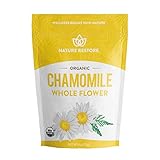
- 1 tbsp whole flower chamomile tea
- 6 oz hot water (200°F)
- 1/2 of a real vanilla bean pod (split and scraped)
- 1 tsp raw honey or agave nectar
- 1 oz warm oat milk or dairy alternative (optional, for creaminess)
- Ground nutmeg for garnishing
Instructions
- Brew the whole chamomile flowers and the scraped vanilla bean pod (along with the seeds) in the hot water for 5-7 minutes.
- Stir in the raw honey while the decoction is steeping so it dissolves completely.
- Strain the hot botanical water through a fine mesh sieve into a pre-warmed mug.
- Froth the warm oat milk slightly if using, and layer it gently over the hot tea.
- Garnish with a light dusting of freshly ground nutmeg and a single dried chamomile flower.
Pro-Tip: If you are trying to craft a complex hot tea mocktail that feels like a classic hot toddy, the key is utilizing whole botanical distillation ingredients. Scraping a real vanilla bean instead of using liquid extract provides a textured, multifaceted flavor profile that artificial syrups simply cannot match.
7. Black Tea & Peach “No-Proof” Mule

Upgrade your summer drinks with this mule tea mocktail—pin the recipe to try it later!
Replicating the bold, spicy experience of a Moscow Mule without alcohol requires a heavy tannin profile. This mule tea mocktail leans on a heavily concentrated black tea base that adds necessary astringency to mimic vodka perfectly. The natural black tea + peach harmony softens the edges of the sharp ginger beer, while incorporating muddled berries or stone fruit nectar creates complexity and a lush, refreshing mouthfeel ideal for warm afternoons.
Ingredients
- 2 oz strongly brewed English Breakfast or Assam black tea (chilled)
- 1 oz fresh peach puree or nectar (or substitute muddled berries)
- 0.5 oz fresh lime juice
- 3 oz premium ginger beer
- Fresh mint and peach slices for garnishing
- Crushed ice
Instructions
- Brew your black tea extra strong (using 2 tea bags instead of 1) and allow it to chill completely. This concentrated brewed tea base is vital to stand up to the ginger.
- Combine the chilled tea, peach puree, and fresh lime juice directly in a traditional copper mug.
- Stir well to integrate the thick peach nectar with the aqueous extract.
- Fill the copper mug to the very top with crushed ice.
- Top the drink with ginger beer, gently stirring from the bottom up to mix the carbonation without losing the fizz.
- Garnish elaborately with a fresh peach slice and a large, slapped mint sprig to release its aromatic oils.
Pro-Tip: The reason a black tea mocktail works so perfectly as a mule replacement is the concept of mouthfeel dynamics. Black tea contains heavy tannin extraction that naturally dries the palate in the exact same way vodka does, giving you a genuine cocktail experience without the alcohol.

Key Takeaways: Your Quick Guide to Tea Cocktail Recipe Non Alcoholic
Before you start pouring and mixing, understanding the foundational principles of a zero-proof tea drink is essential for success. The difference between a flat, watered-down beverage and a vibrant, artisan tea mocktail comes down to precision and preparation. By mastering the delicate balance of tannin extraction and employing proper brewing techniques, you can ensure that your Camellia sinensis serves as a structural foundation rather than just a subtle background note. The following quick-reference guide distills complex flavor science into actionable steps. Keep these expert-curated principles in mind to guarantee your botanical infusions always deliver the perfect mouthfeel, acidity, and aromatic complexity, ensuring every sip is as satisfying as its alcoholic counterpart.
- Treat Your Tea Like a Spirit: When crafting a non-alcoholic tea cocktail, brew your tea base at double strength (a tea concentrate) to ensure its flavor and tannic structure aren’t lost when mixed with ice and juices.
- Control Your Steeping Temperatures: Never use boiling water for green or white teas. Steeping green tea at 175°F is critical for preventing bitterness while maximizing the healthy L-theanine content.
- Leverage Flavor Pairing Science: Use established co-occurrence contextual pairs like earl grey + lavender or matcha + honey to create a layered, complex profile that feels like a premium artisan tea mocktail.
- Utilize Mixology Techniques: A zero-proof tea drink still requires proper bar techniques. Shaking, muddling, and double-straining are essential to achieve the proper aeration and mouthfeel enhancement.
- Watch Your Acid Balance: To avoid overly sweet drinks, always balance your simple syrup recipe with freshly squeezed lemon or lime juice. The acid cuts through the sugar and brightens the botanical infusion.
- Experiment with Cold Brew Kinetics: For a smoother, naturally sweeter green tea mocktail, try cold brewing your leaves overnight. This method extracts fewer phenolic compounds, resulting in a crisper finish.
FAQs About Tea Cocktail Recipe Non Alcoholic
Even with detailed recipes in hand, mastering the art of the non-alcoholic tea cocktail often brings up specific mixology questions. From perfecting your steeping times to understanding which zero-proof tea bitters work best, having the right knowledge ensures your beverages never fall flat. Many home hosts wonder about caffeine-free options, balancing tannins, and whether a brewed tea base can truly replicate the bite of a traditional spirit. In this section, we address the most common inquiries surrounding craft tea mocktails. By applying these expert insights and standardized brewing temperatures, you can easily troubleshoot common issues, reduce unwanted sugars, and confidently serve sophisticated drinks that appeal to every modern palate.
How to make tea mocktails?
To make a tea mocktail, brew a highly concentrated tea base, let it chill, and combine it in a cocktail shaker with a sweetener, fresh citrus juice, and ice, before topping it with a carbonated mixer.
Building a tea-based virgin cocktail requires treating the tea exactly as you would a liquor. By using techniques like shaking and muddling, you introduce necessary dilution and aeration. Ensure your tea concentrate is strong enough so the final beverage doesn’t turn into a watered-down drink.
What is the best tea for non-alcoholic cocktails?
The best tea for non-alcoholic cocktails is typically a robust black tea, pu-erh, or a highly aromatic Earl Grey, as their strong tannin profiles best replicate the mouthfeel of alcohol.
However, the choice depends on the desired profile. For a virgin tea mojito, green tea or matcha is ideal because of its grassy, refreshing notes. Herbal teas like hibiscus are excellent for fruit-forward punches because they provide a deep color and natural tartness that balances sweetness.
Can you use tea as a spirit replacement?
Yes, tea is the premier spirit replacement in mocktails because its natural astringency, complex terpene profile, and tannin content perfectly mimic the bite and structure of traditional liquors.
While juices and sodas fall flat on the palate, a properly extracted brewed tea base dries the mouth slightly, creating a full-bodied experience. For instance, black tea often replaces gin or whiskey, while a light white or green tea beautifully mimics vodka in mixed drinks.
How long should I steep tea for mocktails?
You should steep tea for mocktails about 20% to 30% longer than you would for a standard hot cup—usually 4 to 5 minutes for black teas and 3 minutes for green teas.
Because you will be diluting the tea with ice, juices, and syrups, you need an intensely strong aqueous extract. However, be careful not to over-steep beyond these times, as it will draw out harsh phenolic compounds and create an unpleasantly bitter finish.
How to balance tannins in tea cocktails?
To balance heavy tannins in tea cocktails, introduce a calculated amount of natural sweetness (like honey or agave) and a bright acid (like freshly squeezed lemon or lime juice).
Balancing tannins is crucial for mouthfeel enhancement. If your black tea mocktail feels too dry or astringent on the tongue, adding a tiny pinch of salt or a splash of simple syrup will round out the edges, transforming the harshness into a smooth, sophisticated sip.
What tea pairs with ginger beer?
Robust, earthy teas like aged pu-erh, spiced chai, and strong black Assam tea pair exceptionally well with the spicy, fiery kick of premium ginger beer.
When crafting a mule tea mocktail, the pu-erh + ginger or black tea + peach combinations are legendary. The deep, malty notes of these darker teas serves as foundation to the sharp effervescence of the ginger, creating a deeply layered, warming drink perfect for autumn or winter.
How to make simple syrup for tea drinks?
To make a simple syrup for tea drinks, simmer equal parts water and granulated sugar (or honey) in a saucepan until the sugar completely dissolves, then cool before using.
For a true artisan tea mocktail, elevate this basic simple syrup recipe by creating a botanical infusion. Add ingredients like fresh lavender, rosemary, or crushed ginger root to the simmering liquid. Strain the solids out once cooled to create custom, flavor-enhancing syrups.
How to cold brew tea for cocktails?
To cold brew tea for cocktails, combine loose leaf tea with filtered cold water in a pitcher and let it steep in the refrigerator for 10 to 12 hours before straining.
This cold brew kinetics method is the ultimate solution for preventing bitterness. Because the tea leaves are never exposed to heat, the resulting liquid base is incredibly smooth, naturally sweet, and free of harsh astringency, making it perfect for a delicate green tea mocktail.
What are zero-proof tea bitters?
Zero-proof tea bitters are concentrated botanical tinctures made without alcohol, utilizing heavily steeped teas, roots, and spices to add depth and complexity to mocktails.
A few dashes of these non-alcoholic angostura bitters alternatives can instantly elevate a basic iced tea mocktail into a craft tea mocktail. They provide the essential aromatic finish and binding flavors that tie the sweet and sour elements of the drink together perfectly.
Does a tea mocktail taste like alcohol?
While a tea mocktail does not taste exactly like ethanol, its complex tannins and astringency successfully recreate the dry mouthfeel, weight, and sophisticated “bite” of an alcoholic cocktail.
A well-crafted spirit-free tea beverage won’t give you the non-alcoholic burn of straight liquor, but the flavor science behind pairing tannic teas with citrus and syrups ensures the drink feels adult, complex, and deeply satisfying—far beyond a simple glass of juice or soda.
Final Thoughts
Mastering the tea cocktail recipe non alcoholic is a game-changer for anyone looking to elevate their beverage repertoire. By stepping away from overly sweet sodas and basic juices, you unlock a world of sophisticated flavors where the humble tea leaf replaces gin, vodka, or whiskey with astounding success. Whether you are hosting a formal dinner party, participating in Dry January, or simply seeking a healthier, low-calorie evening ritual, utilizing a robust brewed tea base ensures your drinks possess the tannic bite and structural complexity of a true craft cocktail.
- Treat your tea base like a premium liquor, utilizing highly concentrated brews to prevent unwanted dilution over ice.
- Respect specific water temperatures to maximize antioxidant profiles and prevent bitter phenolic compounds from ruining the drink.
- Embrace complex flavor pairings like matcha and honey or earl grey and lavender to build a sophisticated flavor matrix.
- Utilize standard mixology techniques such as muddling and double-straining for superior aeration and mouthfeel enhancement.
As you experiment with these expert-curated ideas, remember that the secret to an incredible artisan tea mocktail lies in the details: respecting standardized brewing temperatures, leveraging health-conscious ingredients, and playing with bold flavor pairings. Utilizing quality sourced tea and artisanal methods guarantees a better, healthier botanical infusion that naturally boosts antioxidants. Which of these zero-proof tea drinks are you planning to mix up first? Will it be the refreshing green tea mojito or the spicy pu-erh mule? Let us know in the comments below, and happy sipping!
Last update on 2026-10-16 / Affiliate links / Images from Amazon Product Advertising API
