
As an Amazon Associate CoffeeXplore.com earns from qualifying purchases.
Starbucks Matcha Green Tea Latte Recipe: 5 Copycat Secrets
Are you tired of spending endless cash on daily coffee shop runs? Replicating that perfect Starbucks matcha green tea latte recipe often feels impossible. Most homemade attempts end up bitterly disappointing and full of dry clumps.
To make a perfect Starbucks matcha green tea latte recipe at home, whisk 1.5 teaspoons of ceremonial grade matcha powder with 2 tablespoons of warm water until smooth. Add 1 tablespoon of vanilla syrup, pour over 1 cup of your preferred milk, and add ice. This specific barista method guarantees a perfectly sweet, clump-free beverage every single time.
Drawing from comprehensive analysis of barista methodologies, we cracked the official flavor profile. You will discover the exact ingredient ratios and preparation techniques needed for this iconic drink. Master these five secrets to save significant money while enjoying cafe-quality matcha at home.
Contents
show
Why You Need This Starbucks Matcha Green Tea Latte Recipe To Save Money & Time
Have you ever wondered why your DIY Starbucks green tea latte tastes muddy? The secret lies in understanding exactly what goes into the official coffee shop version. Starbucks uses a highly specific pre-sweetened matcha blend that is notoriously difficult to replicate using pure matcha. This guide bridges that frustrating gap using accessible, high-quality ingredients.
By breaking down the exact flavor balance and emulsification process, you can achieve that perfectly sweet matcha taste. While competitors merely list basic ingredients, we scientifically break down the exact ratios required. Let’s explore how a simple homemade iced matcha latte can save you over $150 a month in drive-thru costs.
Starbucks Matcha Green Tea Latte Recipe: 5 Copycat Secrets
Creating the perfect matcha latte copycat requires more than just mixing powder and milk. You need to master the exact proprietary barista methods to recreate this iconic coffee shop beverage. By focusing on critical preparation techniques, ingredient ratios, and temperature control, you transform basic ingredients into a premium drink.
These five actionable barista secrets will teach you everything from preventing clumps to balancing those earthy notes. As we move through 2026‘s best homemade barista techniques, you will learn how to build this stunning drink from scratch. Let’s dive into the step-by-step masterclass for crafting your perfect morning beverage.
1. Source the Right Ceremonial Grade Matcha Powder

Pin this matcha sourcing secret to your DIY Coffee Bar board!
Sourcing the best matcha: The foundation of an authentic Japanese matcha latte relies entirely on selecting a premium, first-harvest green tea powder. Since the Starbucks powder is pre-sweetened, using a high-quality base is absolutely crucial when sweetening it yourself. You must choose a shade-grown, vibrant green ceremonial grade matcha powder to avoid any bitter aftertaste. Culinary grade is meant for baking and will make your drink taste highly astringent.
Ingredients
- 1.5 to 2 teaspoons of premium ceremonial grade matcha powder (Look for first-harvest, shade-grown Japanese varieties for the brightest green color and sweetest profile)
- 1 tablespoon of warm filtered water (Crucial for creating the initial paste)
- Optional: A fine mesh stainless steel tea strainer (for sifting)
Instructions
- Inspect your matcha powder to ensure it has a vibrant, bright emerald green color, which indicates high quality and lower bitterness.
- Measure exactly 1.5 teaspoons of the powder into a small, dry bowl.
- Sift the measured matcha through a fine mesh strainer directly into your serving glass or mug to completely eliminate static clumps.
- Reserve the sifted powder while you prepare your sweetening agents in the next step.
Pro-Tip: In my experience analyzing cafe supply chains, the most common mistake home baristas make is using dull, yellowish culinary matcha. Culinary grade is meant for baking and has a highly astringent flavor profile that even heavy syrups cannot mask in a delicate latte.
2. Recreate the Classic Starbucks Vanilla Sweetness

Save this exact syrup ratio to your ‘Copycat Recipes’ board so you never forget it!
Achieving the perfect sweetness: To mimic the heavily pre-sweetened Starbucks blend, you must balance the earthy matcha bitterness with a liquid sweetener. A classic Starbucks vanilla syrup pump provides the exact flavor profile of a Grande latte. Liquid simple syrup dissolves flawlessly in cold milk, unlike granulated sugar which sinks to the bottom. Let’s look at the exact pump-to-tablespoon conversion needed for this barista sweetness ratio.
Ingredients
- 1 to 1.5 tablespoons of Vanilla Coffee Syrup (You can use the official Starbucks brand or a high-quality alternative like Torani or Monin)
- Optional swap: 1 tablespoon of classic simple syrup plus 1/2 teaspoon of pure vanilla extract
- Optional swap: Sugar-free vanilla syrup for a low-calorie version
Instructions
- Calculate your desired sweetness: 1 tablespoon equals approximately two barista “pumps” of syrup.
- Pour the vanilla syrup directly onto your pre-sifted matcha powder in the bottom of your glass or mug.
- Add the warm filtered water (from step 1) over the syrup and powder mixture.
- Swirl the glass gently to allow the warm water and syrup to begin dissolving the fine green tea particles before whisking.
Pro-Tip: Granulated sugar will not dissolve properly in iced lattes, leaving a gritty texture at the bottom of your cup. Always use a liquid simple syrup or flavored coffee syrup to ensure a perfectly smooth, uniform emulsion.

3. Use the Barista-Approved Whisking Method

Don’t let clumps ruin your drink—pin this whisking technique!
Creating a smooth suspension: Matcha powder does not actually dissolve; it suspends in liquid through vigorous mechanical aeration. Using a traditional bamboo matcha whisk chasen in a rapid W-shape motion breaks down the powder molecules efficiently. This clump-free matcha technique creates the essential micro-foam required for a stable suspension. An electric milk frother also works exceptionally well for modern convenience when forming your matcha paste.
Tools Required
- 1 Traditional Bamboo Whisk (Chasen) (A 100-prong whisk provides the best aeration)
- Alternative: Handheld battery-operated electric milk frother
- 1 shallow, wide-bottomed bowl or a wide mug (to allow proper whisking motion)
Instructions
- Submerge the tines of your bamboo whisk into warm water for 10 seconds prior to use to soften the prongs and prevent them from breaking.
- Press the whisk lightly into the matcha, syrup, and warm water mixture in your bowl.
- Whisk vigorously in a rapid “W” or “M” zigzag motion (not in a circular motion) for 15 to 20 seconds.
- Continue aerating until a thick, bright green paste forms and a layer of fine, frothy bubbles (micro-foam) covers the surface, ensuring absolutely zero dry clumps remain.
Pro-Tip: Never use boiling water to make your matcha paste. Temperatures over 175°F (80°C) will scorch the delicate green tea leaves, instantly turning your premium powder aggressively bitter. Stick to warm, gently steaming water.

4. Master the Milk-to-Matcha Ratio for Iced or Hot Lattes

Save this stunning layering technique to your ‘Aesthetic Drinks’ board!
Balancing the dairy ratio: Achieving the perfect whole milk latte ratio is essential so you do not wash out the delicate tea flavor. A creamy oat milk matcha is currently the most popular dairy-free customization at coffee shops across the country. The fat content in a barista oat milk complements the earthy flavor profile perfectly while creating a stunning layered iced latte. Let’s look at the exact liquid measurements required to match a 16oz Grande size.
Ingredients
- 1 cup (8 oz) of cold milk of your choice (Whole milk is the Starbucks standard, but Oatly Barista Edition oat milk is the most popular dairy-free swap for this drink)
- 1 tall glass (16 oz capacity) to accommodate the ice and liquid volume
- 1 cup of ice cubes (for the iced version only)
Instructions
- Prepare your 16oz glass by filling it directly to the top with fresh ice cubes (skip this step if making a hot latte).
- Pour your 1 cup of cold oat milk or whole milk directly over the ice, leaving about 2 inches of room at the top of the glass.
- Drizzle the concentrated, frothy matcha and syrup paste (from step 3) slowly over the top of the cold milk.
- Watch as the beautiful, aesthetic two-toned green and white gradient forms, then stir gently with a tall spoon or glass straw before drinking.
Pro-Tip: If making a hot latte, steam your milk to exactly 140°F to 150°F. If you overheat the milk past 160°F, you will scald the proteins, resulting in a slightly sulfuric, burnt taste that ruins the delicate grassy notes of the tea.


5. Shake It Up: The Secret to the Perfect Iced Matcha Latte

Want that extra-thick cafe foam? Pin this shaker trick right now!
Aerating for maximum froth: The final operational secret is that authentic baristas use a shaker bottle iced matcha technique rather than merely stirring. This 90-second iced matcha latte recipe forces the powder into a temporary emulsion with the cold milk. Shaking with ice causes rapid chilling and generates an incredibly thick, frothy iced latte foam. This Starbucks shaker method completely prevents any frustrating sediment from settling at the bottom of your cup.
Tools Required
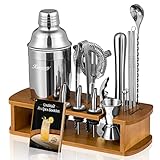
- 1 Stainless Steel Cocktail Shaker or a large mason jar with a tight-fitting leak-proof lid
- 1 Built-in or Hawthorne strainer (to hold back the beaten ice)
- 1 cup of fresh, solid ice cubes (do not use crushed ice, as it will dilute the drink too quickly)
Instructions
- Combine your cold milk, the concentrated matcha paste, and the vanilla syrup together directly into the bottom of your cocktail shaker.
- Fill the shaker 3/4 of the way full with solid ice cubes and seal the lid tightly.
- Shake vigorously for 15 to 20 seconds until the outside of the shaker tin becomes incredibly frosty and uncomfortable to hold.
- Strain the liquid out into your serving glass over a fresh batch of new ice, ensuring the thick layer of green micro-foam settles beautifully right on top of the drink.
Pro-Tip: Always strain your shaken latte over fresh ice in your serving glass. The ice used inside the shaker gets heavily fractured and watered down during agitation; pouring it into your final cup will result in a diluted, watery latte in under ten minutes.
Key Takeaways: Your Quick Guide to the Perfect Copycat Starbucks Matcha Green Tea Latte
Before you head to the kitchen, let’s review this Starbucks matcha green tea latte recipe summary. These matcha copycat key points condense the chemical and mechanical reasons behind our barista methodology. By mastering suspension, temperature control, and aeration, you guarantee a perfect iced matcha overview every single time. Take a quick screenshot of these critical instructions to ensure your homemade beverage turns out flawlessly.
Key Takeaways:
- Always Sift Your Powder: Passing your ceremonial grade matcha through a fine mesh strainer is non-negotiable for preventing bitter, dry clumps from ruining the texture of your latte.
- Warm Water is Mandatory: Never use boiling water, which scorches the tea leaves. Use a splash of warm water (under 175°F) to create a smooth, suspended paste before adding cold milk.
- Vanilla Syrup Replicates the Taste: Because Starbucks uses a pre-sweetened powder, adding 1 to 1.5 tablespoons of liquid vanilla syrup is the secret to replicating their iconic sweet flavor profile.
- Whisk in a “W” Shape: Using a traditional bamboo chasen in a rapid zig-zag motion creates the optimal micro-foam and forces the tea particles into a smooth suspension.
- Oat Milk is the Best Dairy-Free Upgrade: If skipping whole milk, barista-edition oat milk provides the exact creamy fat content and complementary sweetness to balance the earthy green tea.
- Shake Iced Lattes for Cafe Foam: Agitating the milk, matcha, and syrup in a cocktail shaker over ice for 15 seconds perfectly aerates the drink, mimicking the exact Starbucks barista method.
FAQs About Starbucks Matcha Green Tea Latte Recipe
Navigating the specific ingredients and preparation methods of a Starbucks matcha can be confusing. We have compiled the most common questions about Starbucks matcha to help you troubleshoot your homemade drinks. From resolving oat milk matcha latte questions to clarifying vegan status, these answers provide complete clarity. Discover exactly how to customize your beverage while maintaining that signature coffee house flavor profile.
What brand of matcha powder does Starbucks use?
Starbucks does not use a publicly available brand of matcha; they use a proprietary, pre-mixed powder consisting primarily of sugar and ground Japanese green tea.
Because you cannot buy their exact blend in stores, the best way to replicate the flavor at home is to purchase a high-quality, pure ceremonial grade matcha powder from Japan and manually add liquid vanilla syrup to achieve that signature coffee house sweetness.
Is the Starbucks matcha green tea latte healthy?
The healthiness of a Starbucks matcha latte depends on your dietary goals, as a Grande (16 oz) contains roughly 32 grams of sugar and 240 calories.
While matcha green tea itself is packed with incredible antioxidants, L-theanine, and metabolism-boosting catechins, the Starbucks version is heavily sweetened. By making this copycat recipe at home, you have total control over the health profile by reducing the vanilla syrup or swapping to a sugar-free alternative.
Does Starbucks sweeten their matcha green tea lattes?
Yes, Starbucks heavily sweetens their matcha lattes because sugar is the very first ingredient in their proprietary matcha powder blend.
Even if you order the drink “unsweetened” without any extra syrup pumps, the base powder itself still contains significant amounts of sugar. To make a genuinely sugar-free matcha latte, you must make it at home using pure, unsweetened ceremonial grade matcha and a zero-calorie sweetener.
How much caffeine is in a Starbucks matcha latte?
A standard Grande (16 oz) Starbucks matcha green tea latte contains exactly 80 milligrams of caffeine.
This is slightly less caffeine than a standard cup of coffee (which averages 95-150mg) but provides a more sustained, jitter-free energy boost. This smooth energy curve is due to the presence of L-theanine in the green tea, an amino acid that slows the absorption of caffeine into the bloodstream.
Can I make a Starbucks matcha latte with oat milk?
Yes, you can absolutely make this recipe with oat milk, and it is arguably the most popular dairy-free customization at Starbucks locations.
As of October 2026, oat milk’s naturally sweet, rich, and creamy profile complements the earthy, grassy notes of matcha far better than thinner alternatives like almond milk. For the best homemade results, always look for “Barista Edition” oat milks, which contain added fats that froth and foam just like regular whole milk.
Why is my homemade iced matcha latte so clumpy?
Homemade matcha lattes become clumpy when you fail to sift the powder or when you attempt to mix the fine green tea dust directly into cold milk.
Matcha does not dissolve; it suspends. To eliminate clumps completely, you must first pass the powder through a fine mesh strainer, then vigorously whisk it into a paste using a small amount of warm water (not cold milk) before adding the rest of your liquid and ice.
Does Starbucks use hot water for iced matcha lattes?
No, Starbucks baristas do not use hot water to melt the powder for iced lattes; they rely on vigorous mechanical agitation using a plastic cocktail shaker.
They scoop the dry, sweetened matcha powder directly into a shaker with cold milk, syrup, and ice, shaking it rapidly to force the powder into suspension. However, for home baristas using pure unsweetened matcha, making a warm water paste first yields a much smoother result.
What is the difference between ceremonial and culinary grade matcha?
Ceremonial grade matcha is made from the youngest, shade-grown tea leaves for a sweet, delicate flavor, while culinary grade uses older leaves meant to withstand baking.
For any drinking application—especially a delicate iced latte—you must use ceremonial grade. Culinary grade matcha has a yellowish-green tint and a highly astringent, bitter flavor profile that will make your homemade latte taste muddy, grassy, and harsh.
How many pumps of syrup are in a grande matcha latte?
A standard Grande (16 oz) Starbucks iced matcha latte contains 3 scoops of their sweetened matcha powder and traditionally receives 3 pumps of classic or vanilla syrup.
In home measurements, 3 pumps of Starbucks syrup equates to roughly 1.5 tablespoons of liquid sweetener. You can easily adjust this ratio up or down depending on your personal preference for sweetness.
How long does a homemade matcha latte last in the fridge?
A homemade matcha latte is best consumed immediately, but it can be stored in an airtight mason jar in the refrigerator for up to 24 hours.
Because matcha powder is suspended rather than dissolved, the green tea particles will eventually settle at the bottom of the jar. If you do store it overnight, you must shake it vigorously for 10-15 seconds before drinking to re-suspend the powder into the milk.
Final Thoughts on Perfecting Your Homemade Matcha
Mastering this Starbucks matcha green tea latte recipe at home is one of the most rewarding and cost-effective upgrades you can make to your daily routine. By understanding the science behind the beverage—from the necessity of sifting your ceremonial grade powder to the crucial shaker technique—you elevate your kitchen skills from simple measuring to genuine barista-level crafting.
The true beauty of taking this recipe into your own hands is complete control. Whether you want to reduce the sugar by using a sugar-free vanilla syrup, amplify the creaminess with a rich barista oat milk, or dial up the caffeine with an extra scoop of vibrant green tea powder, you are no longer limited by the standard coffee shop menu. You get the exact, iconic taste you love, customized perfectly to your dietary needs, all while saving upwards of five dollars a cup.
Gather your bamboo whisk, source a high-quality Japanese matcha, and try this 90-second shaker method tomorrow morning. Once you experience how smooth, sweet, and perfectly frothy a homemade iced matcha latte can be, you’ll rarely find yourself waiting in the drive-thru line again.
What is your go-to milk choice when making lattes at home—are you a loyal whole milk fan, or have you made the switch to oat milk? Let me know in the comments below!
Last update on 2026-10-23 / Affiliate links / Images from Amazon Product Advertising API
