
As an Amazon Associate CoffeeXplore.com earns from qualifying purchases.
Orange Ginger Tea Recipe: Easy & Immune-Boosting Guide
Feeling a tickle in your throat or just looking for a cozy wellness ritual? You need a simple, natural remedy that warms you from the inside out, and this orange ginger tea recipe is the perfect solution. It’s a go-to for fighting off the sniffles and calming your senses.
This orange ginger tea recipe is a warming, caffeine-free beverage designed to boost your immune system and soothe a sore throat. Made with fresh ginger root, zesty orange, and water, it’s a simple stovetop infusion that takes less than 15 minutes. It’s the perfect natural remedy for cold and flu season.
Based on established best practices and proven home remedies, this guide will walk you through a kitchen tested method. You’ll discover the classic recipe, seven simple variations to enhance its benefits, and expert tips for the perfect brew every time. This is more than a drink; it’s a simple act of self-care.
Contents
show
Why This Orange Ginger Tea Recipe is Your Go-To for Wellness
When you feel the first signs of a cold and flu, reaching for a natural, comforting drink can make all the difference. This homemade orange ginger tea isn’t just a delicious and warming drink; it’s a wellness ritual packed with beneficial properties. The magic lies in its simple, high-quality ingredients. Fresh ginger root contains gingerol, a compound known for its anti-inflammatory and nausea-reducing effects, providing a gentle, spicy warmth. Paired with fresh orange, a powerhouse rich in vitamin C, this tea becomes a potent immune-boosting elixir. This easy-to-follow recipe provides a reliable and effective way to soothe throat irritation, stay hydrated, and support your body’s natural defenses, all from the comfort of your kitchen. It’s a simple, safe preparation for a powerful natural remedy.
7 Tips & Variations for the Perfect Orange Ginger Tea
The classic orange and ginger tisane is fantastic on its own, but its true beauty lies in its versatility. Think of the base recipe as a canvas for your wellness needs and flavor preferences. By incorporating other powerful ingredients from your pantry, you can create a variety of delicious and functional brews. Whether you want to enhance the tea’s anti-inflammatory properties with Turmeric Root, add comforting warmth with Cinnamon Sticks, or create a soothing elixir with Honey and Lemon Juice, these variations allow you to customize your cup. Below are seven kitchen tested tips and variations to help you master your perfect easy orange ginger tea.
1. The Classic Immune-Boosting Orange Ginger Tea Recipe

Pin this simple wellness recipe to your ‘Healthy Drinks’ board!
This foundational fresh ginger orange tea is the perfect starting point. The simple process of simmering the ingredients on the stovetop allows the flavors to infuse beautifully, creating a fragrant and effective warming drink.
Ingredients
- 4 cups of filtered water
- 1 2-inch piece of fresh ginger root, washed and thinly sliced (no need to peel)
- 1 organic orange, washed well. Half sliced, and half reserved for orange zest and juice.
- Optional: 1-2 teaspoons of natural sweetener like honey or maple syrup
Instructions
- Combine water, sliced ginger, and sliced orange in a small saucepan.
- Bring to boil over medium-high heat. Once boiling, reduce the heat to low.
- Simmer gently for 10-15 minutes to allow the flavors to infuse.
- Strain the tea through a fine-mesh sieve into mugs.
- Squeeze a little fresh orange juice from the remaining half of the orange into each mug and garnish with orange zest.
- Sweeten to taste, if desired, and serve immediately.
Pro-Tip: For a spicier, more potent ginger flavor, grate the ginger instead of slicing it. This increases the surface area, leading to a stronger infusion and higher gingerol bioavailability.


2. Add Turmeric for an Anti-Inflammatory Boost

Save this anti-inflammatory tea idea for your next wellness day!
Elevate your tea’s health benefits by adding fresh turmeric root. Turmeric contains curcumin, a powerful anti-inflammatory compound. For maximum effect, pair it with black pepper, which significantly enhances the body’s absorption of curcumin, unlocking its full research-backed benefits.
Ingredients Needed
- All ingredients from the Classic Recipe
- 1 1-inch piece of fresh turmeric root, scrubbed and thinly sliced or grated
- 1 pinch of black pepper (about 1/8 teaspoon)
What to Do
- Add the sliced turmeric root and pinch of black pepper to the saucepan along with the ginger and orange in Step 1 of the classic recipe.
- Follow all other steps for boiling, simmering, and straining as outlined in the classic recipe. The tea will have a deeper, more golden-hued color.
Pro-Tip: Fresh turmeric can stain hands and surfaces. Consider wearing gloves when handling it, and use a dedicated cutting board if possible.

3. Infuse Cinnamon for Extra Warmth and Flavor

Pin this cozy, spiced tea recipe for a chilly evening!
For a more aromatic and complex flavor profile, add whole cinnamon sticks. Cinnamon perfectly complements the spiciness of ginger and balances the citrus notes, creating a comforting and fragrant brew that’s perfect for a chilly evening.
Supplies Needed
- All ingredients from the Classic Recipe
- 2 whole cinnamon sticks
- Optional: 2-3 whole cloves for extra spice
Step-by-Step Directions
- Add the cinnamon sticks (and cloves, if using) to the saucepan along with the ginger and orange at the beginning of the cooking process.
- Proceed with the classic recipe instructions to boil, simmer, and strain.
- Serve with one of the simmered cinnamon sticks in the mug as a fragrant garnish.
Pro-Tip: For the best flavor, use whole Ceylon cinnamon sticks. They impart a subtly sweet, more complex flavor than the more common Cassia variety and are a higher quality ingredient.

4. Sweeten with Honey and Lemon for a Soothing Elixir

Need sore throat relief? Save this soothing honey and lemon tea idea!
This variation transforms your tea into the ultimate soothing remedy. Honey’s natural antibacterial properties coat the throat, while fresh lemon juice adds an extra kick of vitamin C. This combination is a classic for a reason—it’s incredibly effective and delicious.
What You Need
- 1 batch of prepared Classic Orange Ginger Tea, strained and still hot
- 1-2 teaspoons of raw, unfiltered honey, or to taste
- 1-2 tablespoons of fresh lemon juice
Routine
- Prepare the orange ginger tea according to the classic recipe and strain it into a mug.
- Allow the tea to cool for a minute or two. It should be hot, but not boiling.
- Stir in the fresh lemon juice and honey until the honey is fully dissolved.
- Taste and adjust sweetness or tartness as needed. Sip slowly to soothe throat.
Pro-Tip: Adding honey to boiling water can diminish some of its beneficial properties. Waiting a minute for the tea to cool slightly helps preserve the integrity of this wonderful natural sweetener.

5. Essential Tips for the Perfect Brew

Unlock the best flavor! Pin these expert tea-making tips.
Mastering the perfect cup of orange ginger tea comes down to a few key techniques. These expert tips will help you get the most flavor and benefit out of your ingredients every single time.
What You Need
- Your fresh ingredients (ginger, oranges)
- Basic kitchen tools
Expert Tips
- Grate vs. Slice: Is it better to grate or slice ginger for tea? For a stronger, spicier, and more potent tea, grate the ginger. For a milder, smoother flavor, use thinly sliced ginger.
- To Peel or Not to Peel? There’s no need to peel your ginger, especially if it’s organic! The skin is thin and contains beneficial nutrients. Just give it a good scrub and wash before slicing or grating.
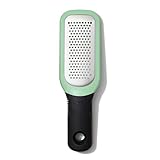
- Use the Peel: Don’t discard your orange peels! The peel contains fragrant essential oils. Use a vegetable peeler to get wide strips of orange zest (avoiding the white pith, which is bitter) and add them to the pot for an intense citrus aroma.
- Storing Fresh Ginger: Keep your ginger root fresh for weeks by storing it unpeeled in a zip-top bag with the air pressed out, in the crisper drawer of your refrigerator.
Lesson Learned: In my experience, the combination of grated ginger for potency and a few wide strips of orange peel for aroma creates the most balanced and flavorful ginger infusion.
6. How to Make Refreshing Iced Orange Ginger Tea

The perfect summer drink! Pin this iced tea recipe.
This wellness drink isn’t just for winter. An iced version is incredibly refreshing on a warm day. The key is to brew a stronger concentrate that stands up to the ice without becoming diluted.
Ingredients
- 1 batch of Classic Orange Ginger Tea, prepared
- Plenty of ice cubes
- Optional: Fresh mint leaves and extra orange slices for garnish
Instructions
- Brew a Concentrate: Prepare the classic orange ginger brew using the same amount of ginger and orange, but only half the amount of water (2 cups). This creates a strong concentrate that won’t get watered down.
- Steep and Strain: Simmer for 15 minutes, then strain the concentrate into a large pitcher or heat-safe jar.
- Chill Completely: Allow the concentrate to cool to room temperature, then refrigerate for at least 1-2 hours until completely chilled.
- Serve: To serve, fill glasses with ice, pour the chilled tea concentrate over the top, and top off with a splash of cold water or sparkling water if desired. Garnish with fresh orange slices and mint.
Pro-Tip: For perfectly clear ice cubes that don’t melt as quickly, use filtered water and boil it twice before freezing it in large-format ice cube trays.

7. How to Batch and Store Your Tea Concentrate

Meal prep your wellness! Pin this guide to storing homemade tea.
To make this tea a seamless part of your morning routine, prepare a large batch of concentrate ahead of time. Proper storage ensures you have a delicious, healthy drink ready to go whenever you need it.
Supplies Needed
- A double or triple batch of the Classic Orange Ginger Tea ingredients
- A large stockpot
- A fine-mesh strainer
- An airtight glass jar or bottle
Batching and Storage Steps
- Scale Up: Prepare a large batch of the tea concentrate by doubling or tripling the ingredients in a large pot. Simmer for at least 20 minutes to create a potent orange ginger tea concentrate.
- Cool Completely: Strain the concentrate and let it cool completely to room temperature. This is a crucial step to prevent condensation inside the storage container.
- Store Airtight: Pour the cooled concentrate into a clean, airtight glass jar or bottle.
- Refrigerate: Store in the refrigerator for up to 5 days.
- Reheat or Serve Cold: To enjoy, simply pour a portion into a mug and reheat on the stove or in the microwave. Alternatively, pour it over ice for a quick cold drink.
Pro-Tip: You can freeze the concentrate in ice cube trays. Once frozen, transfer the cubes to a freezer bag. Simply drop a few cubes into a mug and add boiling water for an instant cup of tea anytime.

Key Takeaways: Your Quick Guide to Orange Ginger Tea
- Simplicity is Key: The base orange ginger tea recipe only requires three ingredients: fresh ginger, an orange, and water. Simply simmer for 10 minutes on the stovetop.
- Boost with Variations: Easily enhance the tea’s benefits and flavor by adding related entities like turmeric root for inflammation, cinnamon sticks for warmth, or honey and lemon to soothe a sore throat.
- Grate for Power, Slice for Mildness: Grating your ginger creates a spicier, more potent tea, while slicing results in a milder flavor. There’s no need to peel the ginger; just wash it well.
- Make it Ahead: You can batch-prepare a stronger orange ginger tea concentrate and store it in an airtight container in the fridge for up to 5 days for a quick and easy wellness drink.
- Don’t Boil Away Benefits: When adding delicate ingredients like raw honey or fresh lemon juice, stir them in after the tea has been strained and has cooled slightly to preserve their beneficial properties.
People Also Ask About Orange Ginger Tea
Is orange ginger tea good for a cold?
Yes, orange ginger tea is excellent for a cold. Ginger contains gingerol, which has anti-inflammatory properties and can help with congestion and nausea. The orange is rich in vitamin C and antioxidants, which help boost immunity. The warm liquid also helps soothe a sore throat and provides hydration.
Does ginger orange tea have caffeine?
No, this homemade orange ginger tea is naturally caffeine-free. It is a tisane, or herbal infusion, made only from fresh fruit and ginger root. This makes it a wonderful, soothing beverage to enjoy at any time of day, including before bedtime, without disrupting sleep.
Is it better to grate or slice ginger for tea?
It depends on your preference for spiciness and potency. Grating the ginger creates more surface area, resulting in a much stronger, spicier tea. Slicing the ginger provides a milder, smoother flavor. For a balanced brew, you can use a combination of both.
Can I use orange juice instead of fresh orange slices?
Yes, you can use orange juice, but using fresh orange slices and peel is recommended for the best flavor. The orange peel contains aromatic oils that add significant depth. If using juice, add it at the very end after straining to preserve its fresh flavor and vitamin C content.
Should I peel the ginger before boiling it for tea?
No, it is not necessary to peel the ginger before boiling. The skin is thin, edible, and contains beneficial nutrients. Simply give the ginger root a thorough scrub under running water to remove any dirt before slicing or grating it.
How long should I steep ginger tea?
For this stovetop method, you should simmer the ginger for at least 10-15 minutes. This duration is ideal for extracting the flavor and beneficial compounds. You can simmer it for up to 20 minutes for an even more potent brew, but be aware it will become much spicier.
Can I drink orange ginger tea every day?
Yes, for most people, drinking a cup of orange ginger tea every day is safe and beneficial. It’s a great way to stay hydrated and get a consistent intake of antioxidants. As with any herbal remedy, if you have specific health conditions or are pregnant, it’s always best to consult with a healthcare provider.
What is the best way to sweeten ginger tea naturally?
The best natural sweeteners are raw honey or pure maple syrup. Raw honey also has its own soothing properties, making it ideal for a sore throat. For a sugar-free option, you can use a few drops of stevia or monk fruit sweetener.
Can I use ginger powder instead of fresh ginger?
You can, but fresh ginger is highly recommended for the best flavor and benefits. If you must use powder, use it sparingly as it is much more concentrated. A general rule is to use about 1/4 teaspoon of ginger powder for every 1-inch piece of fresh ginger.
Can I reuse the ginger and orange slices?
Yes, you can reuse the ginger and orange slices for a second, milder infusion. After your first batch, simply add more hot water to the saucepan and simmer again for 15-20 minutes. The second brew won’t be as potent but will still be flavorful and enjoyable.
Final Thoughts on This Easy Orange Ginger Tea Recipe
Crafting your own homemade orange ginger tea is one of the simplest and most rewarding ways to support your well-being. This recipe proves that you don’t need complicated ingredients or methods to create a powerful, immune-boosting drink. Its true strength lies in its simplicity, its potent health benefits, and its endless customizability. By mastering the basic brew and experimenting with variations, you empower yourself with a delicious tool for health that can be enjoyed hot or cold, year-round.
What’s your favorite way to customize this orange ginger tea recipe? Let us know in the comments below
Last update on 2026-10-23 / Affiliate links / Images from Amazon Product Advertising API
