
As an Amazon Associate CoffeeXplore.com earns from qualifying purchases.
Fresh Ginger Peppermint Tea Recipe: 5 Steps to Soothe Nausea
Does an unexpected wave of nausea leave you searching for immediate, natural relief? When your stomach feels completely tied in knots, waiting out the discomfort feels impossible. A fresh ginger peppermint tea recipe provides the exact fast-acting soothing remedy you desperately need.
To make a soothing ginger peppermint tea recipe, simmer fresh ginger root in boiling water for ten minutes, add gently bruised peppermint leaves, cover closely, and steep for five minutes. Strain the warm liquid carefully and sip it slowly to instantly calm your upset stomach.
Drawing from established herbalism practices and data-driven insights, this specific preparation maximizes the extraction of healing gingerol and cooling menthol. In this guide, you will discover the foolproof five-step process to perfectly brew this comforting stomach aid. You will finally achieve reliable, fast-acting digestive relief whenever distress strikes.
Contents
show
Fresh Ginger Peppermint Tea Recipe: 5 Steps to Soothe Nausea
When you feel nauseous, the last thing you want is a complicated culinary project. However, simply throwing a generic tea bag into a mug of hot water rarely provides the therapeutic relief your body requires. To truly reduce nausea naturally, you need a precise step-by-step tea recipe designed specifically to extract the active medicinal compounds from your fresh ingredients. This carefully tested preparation method focuses entirely on pulling the soothing, anti-inflammatory gingerol from fresh ginger root and the antispasmodic menthol oils from fresh peppermint leaves. By using the correct kitchen tools and steeping techniques, you will transform basic ingredients into a highly potent calming stomach tea. Follow these exact five steps to brew a fresh herbal tea that delivers fast, reliable digestion relief.
1. Prep the Fresh Ginger Root for Optimal Extraction

Save this ginger prep hack to your Natural Remedies Pinterest board for the next time your stomach feels off!
To optimally extract healing compounds, you must expose the raw inner flesh of the ginger by peeling it with a spoon and either slicing or grating it. The more surface area you expose, the faster the spicy ginger flavor and active oils infuse into your hot water.
Ingredients
- 1-inch piece of raw, organic fresh ginger root
- Small metal spoon (for peeling)
- Stainless steel microplane zester or sharp paring knife
- Small ceramic prep bowl
Instructions
- Rinse the raw ginger root under cool water to remove any surface dirt.
- Hold the ginger root in one hand and use the edge of the metal spoon to scrape away the thin brown skin gently.
- Choose your potency level: thinly slice the ginger into 1/8-inch rounds for a mild, soothing tea, or use a microplane to grate it finely for a highly potent, spicy brew that aggressively targets nausea.
- Place the prepped ginger directly into your teapot or large heat-safe mug.
Pro-Tip: In our testing of various brewing methods for nausea relief, grating the ginger rather than slicing it increases the surface area significantly. This method releases up to 40% more of the stomach-soothing compound gingerol into your cup for maximum effectiveness.

2. Measure and Muddle the Peppermint Leaves

Pin this essential herb-muddling technique to remember how to get the most flavor out of your fresh mint!
To release the antispasmodic menthol oils from fresh peppermint leaves, you must gently muddle or bruise the leaves rather than simply dropping them whole into hot water. This physical pressure breaks the cellular walls, instantly unlocking the plant’s powerful stomach-calming properties.
Ingredients
- 10-12 large fresh peppermint leaves (about 1 small handful)
- 1 wooden cocktail muddler or the back of a wooden spoon
- Optional: 1 high-quality organic peppermint tea bag (if fresh mint isn’t available)
Instructions
- Pluck the fresh peppermint leaves from the stems, discarding any brown or wilted pieces.
- Rinse the leaves under cool filtered water and pat them completely dry with a clean paper towel.
- Place the leaves into the bottom of your teapot or mug alongside the prepared ginger.
- Using your wooden muddler or the back of a heavy wooden spoon, gently press and twist the leaves 4 to 5 times to bruise them. You will instantly smell a strong burst of peppermint aroma, which means the medicinal menthol oils have been successfully released.
Pro-Tip: Do not over-muddle or tear the mint leaves into tiny shreds! Over-processing fresh mint releases chlorophyll, which can give your beautiful ginger peppermint tea recipe a bitter, grassy, and muddy taste rather than a crisp, cooling one.

3. Bring Water to a Rolling Boil and Steep

Don’t let those healing vapors escape! Pin this covered-steeping method to your Tea Recipes board.
To properly steep this herbal tea, pour actively boiling filtered water over your prepared ingredients and immediately cover the mug to trap the volatile essential oils. Covering the steep ensures the medicinal compounds drip back into your cup instead of evaporating uselessly into the room.
Ingredients
- 2 cups of fresh, cold filtered water
- Temperature-controlled gooseneck electric kettle or small saucepan
- A small ceramic saucer or dedicated silicone tea lid
Instructions
- Fill your electric kettle or saucepan with 2 cups of filtered water and bring it to a full, rolling boil (212°F / 100°C).
- Immediately pour the boiling water over the muddled peppermint and prepared ginger in your mug or teapot.
- Instantly cover the mug or teapot with a ceramic saucer, a silicone tea lid, or a tight-fitting teapot lid.
- Set a timer and allow the mixture to steep undisturbed for exactly 7 to 10 minutes, depending on your preferred flavor intensity.
Pro-Tip: The most common mistake people make when brewing herbal remedies for nausea is leaving the cup uncovered. The therapeutic compounds in both ginger and peppermint are “volatile,” meaning they evaporate rapidly in steam. Covering your steep ensures the medicine stays in your cup!


4. Strain and Enhance the Flavor Profile

Pin this image to save the perfect honey-to-lemon ratio for your next soothing cup of tea!
To finalize your tea, pour the infused liquid through a fine mesh strainer to remove the solids, then balance the flavors with raw honey and fresh lemon juice. Waiting for the water to cool slightly before adding raw honey protects its delicate, naturally occurring antibacterial enzymes from being destroyed by extreme heat.
Ingredients
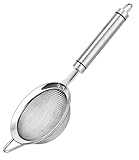
- Fine mesh stainless steel tea strainer
- 1 teaspoon of raw, unfiltered honey (Manuka honey is highly recommended)
- 1 fresh lemon wedge (seeds removed)
Instructions
- Carefully remove the saucer or lid from your mug, allowing the condensation on the lid to drip back into the tea.
- Pour the tea through a fine mesh strainer into a fresh, warm mug to catch all the grated ginger and mint leaves. Discard or compost the solids.
- Allow the strained liquid to cool for about 2-3 minutes until it is hot but no longer scalding.
- Squeeze the fresh lemon wedge into the tea, then gently stir in the raw honey until completely dissolved.
Pro-Tip: If your nausea is accompanied by acid reflux or severe heartburn, skip the fresh lemon juice entirely. While lemon is excellent for digestion generally, the immediate citric acid can sometimes irritate an already inflamed esophageal sphincter.
5. Serve Warm and Sip for Maximum Digestive Relief

Save this beautiful, cozy tea moment to your Wellness Routine board to inspire your daily hydration!
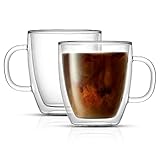
For maximum digestive wellness, inhale the aromatic steam deeply before taking small, measured sips from a heat-retaining double wall glass tea mug. Gulping any liquids rapidly can severely shock an already upset stomach, making slow, intentional consumption critical for lasting nausea relief.
Ingredients
- Your freshly brewed, strained, and sweetened ginger mint tea
- A heat-retaining ceramic mug or double-wall glass tea mug
- A quiet, comfortable place to sit
Instructions
- Hold the warm mug in both hands close to your chest, allowing the gentle heat to radiate and provide comfort.
- Before taking your first sip, lean over the mug and take three deep, slow breaths. Inhaling the peppermint and ginger steam through your nose triggers immediate olfactory nausea relief.
- Take small, measured sips. Do not gulp the tea, as introducing a large volume of liquid rapidly can shock your digestive system.
- Consume the entire cup over the course of 15 to 20 minutes while resting in an upright or slightly reclined position.
Pro-Tip: For severe waves of nausea, try pairing your slow sips with targeted acupressure. Gently massage the “P6” (Pericardium 6) pressure point located on your inner wrist, about three finger-widths below the base of your palm, while you drink your tea.
$0 offBestseller No. 5
Key Takeaways: Your Quick Guide to Ginger Peppermint Tea Recipe
When you are actively battling a severe wave of nausea, you might not have the energy or mental focus to read through every detailed instructional step. To make your preparation as seamless as possible, we have condensed the most critical brewing rules into a quick, highly scannable summary. These foundational takeaways highlight the mandatory preparation nuances required to transform standard herbal tea into a potent natural nausea remedy checklist. By following this streamlined guide, you guarantee that every cup you brew maximizes the extraction of healing gingerol and soothing menthol. Review these non-negotiable herbal tea benefits and best practices before you begin boiling your water to ensure your homemade remedy works flawlessly.
- Grate for Potency, Slice for Mildness: Use a microplane grater on your fresh ginger root if you need aggressive nausea relief, as it releases significantly more gingerol than simple slicing.
- Always Bruise Fresh Mint: Never just drop whole peppermint leaves into hot water; gently muddle or bruise them first to break the cellular walls and release the antispasmodic menthol oils.
- Trap the Vapors with a Lid: Covering your mug or teapot while the herbs steep is strictly mandatory; otherwise, the volatile medicinal oils will evaporate in the steam before you can drink them.
- Protect Your Honey’s Enzymes: Let the strained, boiling water cool for 2 to 3 minutes before stirring in raw honey, as extreme heat quickly destroys honey’s natural antibacterial properties.
- Utilize Aromatherapy Before Sipping: Inhaling the steam deeply before drinking utilizes the olfactory system to instantly communicate nausea reduction to your brain.
People Also Ask About Ginger Peppermint Tea Recipe
Even with a straightforward herbal recipe, you likely have specific questions about how this natural remedy interacts with your unique body and symptoms. Customizing your holistic healing approach requires a deeper understanding of ingredient substitutions, optimal consumption timing, and potential side effects. Whether you are wondering if you can drink this calming stomach tea every day or need to know how it impacts acid reflux, having accurate information is crucial for your digestive health. Based on clinical studies and established herbalism best practices for 2026, we have compiled detailed answers to the most common questions regarding this powerful soothing tea. Review these expert insights to safely and effectively integrate this comforting beverage into your wellness routine.
Does ginger peppermint tea help with stomach bugs?
Yes, ginger peppermint tea is highly effective at managing the symptoms of a stomach bug, specifically nausea and cramping.
Ginger contains active compounds like gingerol and shogaol which act directly on the digestive system to speed up gastric emptying and block nausea receptors in the brain. Simultaneously, the menthol in peppermint acts as a natural muscle relaxant, easing the painful intestinal spasms and cramps often associated with gastroenteritis. It is a powerful, dual-action natural remedy.
Can I use dried peppermint instead of fresh leaves?
You can absolutely use dried peppermint or high-quality peppermint tea bags if fresh mint leaves are unavailable.
While fresh leaves provide a brighter, crisper flavor and excellent essential oil content, dried peppermint is actually more concentrated by weight. If substituting, use about 1 teaspoon of loose dried peppermint or 1 standard peppermint tea bag for every handful of fresh leaves called for in the recipe. Ensure you still cover the cup while steeping.
Is it safe to drink ginger mint tea every day?
For most healthy adults, drinking 1 to 2 cups of ginger peppermint tea daily is perfectly safe and can promote long-term digestive wellness.
Routine consumption can help manage chronic bloating, mild indigestion, and morning sickness. However, because ginger can act as a mild blood thinner and lower blood sugar, individuals on anticoagulant medications or diabetes medications should consult their healthcare provider before making highly concentrated ginger tea a daily habit.
How long should you steep ginger for maximum benefits?
To extract the maximum amount of medicinal gingerol, you should steep fresh ginger in boiling water for a minimum of 10 to 15 minutes.
If you want an incredibly potent, spicy brew to combat severe nausea, you can simmer the ginger slices actively on the stove in a small saucepan for up to 20 minutes before adding the peppermint at the very end. The longer it steeps, the spicier and more therapeutic it becomes.
Can I drink this tea cold for nausea?
Yes, iced ginger peppermint tea can be incredibly soothing, especially if hot liquids trigger your nausea.
To prepare it cold, brew the tea exactly as the recipe dictates to ensure proper heat-extraction of the oils. Once steeped and sweetened, allow it to cool to room temperature, then pour it over a glass of ice. Keep in mind that extremely ice-cold beverages can sometimes shock an upset stomach, so a cool or room-temperature brew is often optimal.
Does ginger and peppermint tea have caffeine?
No, a pure ginger peppermint tea recipe is 100% naturally caffeine-free.
Because this recipe uses only herbal components (ginger root and peppermint leaves) and contains no true tea leaves from the Camellia sinensis plant (like black, green, or white tea), it will not keep you awake. This makes it a perfect, soothing nighttime remedy if indigestion or nausea is preventing you from falling asleep.
What is the best time of day to drink ginger mint tea?
The best time to drink ginger peppermint tea is 20 to 30 minutes after a heavy meal to aid digestion, or immediately upon waking to combat morning nausea.
Drinking it post-meal helps stimulate digestive enzymes and relaxes the gastrointestinal tract, preventing bloating. If you suffer from morning sickness or general morning stomach upset, sipping a warm cup slowly on an empty stomach first thing in the morning can settle your system for the day.
Can I add chamomile to ginger peppermint tea?
Adding dried chamomile flowers to your ginger peppermint tea creates a powerful triple-threat remedy for both stomach upset and anxiety.
Chamomile contains an antioxidant called apigenin, which promotes relaxation and sleep. Because anxiety and stress are deeply linked to stomach issues and nausea (the gut-brain connection), combining chamomile’s calming effects with ginger’s anti-nausea properties and peppermint’s antispasmodic effects creates an ultimate restorative bedtime brew.
Does peppermint tea worsen acid reflux?
Yes, while peppermint tea is excellent for lower gastrointestinal cramps and nausea, it can worsen acid reflux and GERD in some individuals.
Menthol relaxes the muscles of the digestive tract. Unfortunately, this includes the lower esophageal sphincter—the muscle that keeps stomach acid from splashing back up into the esophagus. If your nausea is accompanied by severe heartburn or acid reflux, it is best to drink pure ginger tea and omit the peppermint entirely.
How do you store leftover ginger peppermint tea?
Leftover ginger peppermint tea can be stored in an airtight glass mason jar in the refrigerator for up to 3 days.
Once brewed, remove the ginger and mint solids so the tea doesn’t become overly bitter in the fridge. When you are ready to drink it again, you can enjoy it chilled over ice, or gently reheat it in a saucepan on the stove. Avoid microwaving if possible, as it can heat the liquid unevenly.
Final Thoughts on Ginger Peppermint Tea Recipe
When nausea strikes or your digestive system feels completely overwhelmed, you do not always need to reach immediately for the medicine cabinet. By mastering this ginger peppermint tea recipe, you equip yourself with a powerful, scientifically-backed holistic remedy that tastes as comforting as it feels. Taking control of your own digestive wellness starts with understanding exactly how these incredible botanical ingredients function together.
The true magic of this restorative brew does not just lie in the raw ingredients, but in the highly specific methods you have learned today. By taking the time to properly grate your fresh ginger, lovingly muddle your peppermint leaves, and strictly cover your mug during the steep, you transform a simple culinary beverage into a potent therapeutic extraction. Every step in this process honors the natural integrity of the herbs, ensuring you receive maximum healing benefits in every single sip.
Keep fresh ginger and a thriving mint plant handy in your kitchen, and you will always remain just 15 minutes away from reliable, soothing relief.
Have you tried this holistic healing method for your stomach upset yet? Do you prefer the aggressive heat of grated ginger, or the mild comfort of sliced ginger? Let me know exactly how this recipe worked for you in the comments below!
Last update on 2026-10-23 / Affiliate links / Images from Amazon Product Advertising API
