
As an Amazon Associate CoffeeXplore.com earns from qualifying purchases.
How to Clean Coffee Grinder Parts and Remove Rancid Oils
Are you wondering how to clean coffee grinder components safely? Many struggle with bitter coffee caused by oily, stale residue. Understanding proper maintenance ensures perfect flavor extraction.
To clean a coffee grinder properly, you must first unplug the machine and empty the bean hopper. Next, remove the upper burr or blade assembly, brush out loose stale coffee grounds using a dry pastry brush, and wipe the grounds bin with a microfiber cloth. Never submerge steel burrs in water.
Based on commercial barista standards, regular hygiene prevents mechanical failures. You will discover exactly how to maintain your burr or blade unit for café-quality results, covering essential safety rules systematically.
Key Facts
- Water Destroys Steel Burrs: Research indicates washing internal stainless steel burrs causes rapid flash rust, ruining their sharpness and posing electrical hazards.
- Rice Can Break Grinders: Industry analysis reveals uncooked white rice is too hard and can strip internal plastic drive gears in high-end electric burr grinders.
- Oily Beans Require More Cleaning: Studies show dark roasts excrete heavy surface oils, necessitating bi-weekly deep cleaning to prevent motor-straining clogs.
- Grindz Tablets Are Safest: Tested methods demonstrate that engineered food-safe cleaning tablets safely absorb caffeol oils without stressing electric motors.
- Stale Oils Impact Flavor: Data confirms that rancid coffee oils left in the grind chamber severely degrade espresso titration and extraction clarity.
Contents
show
How To Clean Coffee Grinder Components And Remove Rancid Oils?
To clean a coffee grinder properly, you must first unplug the machine and empty the bean hopper. Next, remove the upper burr or blade assembly, brush out loose stale coffee grounds using a dry pastry brush, and wipe the grounds bin with a microfiber cloth. Never submerge steel burrs in water.

Picture this scenario: You just bought an expensive bag of single-origin beans. You brew your morning cup, but it tastes distinctly bitter and ashy. This is the direct result of rancid coffee oils. Dark roasts leave behind a sticky residue called caffeol. When these oils oxidize inside your machine, they create a stale coffee buildup that taints every fresh batch you grind. Just as you would never cook a fresh meal in a dirty pan, you should never push fresh beans through a dirty grind chamber.
To prevent cross-contamination and mechanical failure, you must differentiate your cleaning approach based on your equipment. Blade coffee grinders, standalone flat burr grinders, and built-in espresso machine grinders all require vastly different protocols. Applying the wrong method can ruin your gear. In our testing, applying water to internal components remains the most common fatal error home users make.
⚠ Warning: Electrical and Water Safety
You must never wash stainless steel burrs or electric motor housing with water. Moisture introduces severe electrical hazards and causes rapid flash rust on high-carbon steel, permanently destroying your burr alignment and particle distribution.
What Are The Essential Tools Needed To Clean A Coffee Grinder?
To clean a coffee grinder safely, you need a dry pastry brush, a microfiber cloth, specialized grinder cleaning tablets, and a micro-vacuum to remove trapped grounds from the extraction chute. Gathering the right supplies prevents you from using harmful substitutes like damp paper towels.
Here is your comprehensive checklist for safe coffee grinder maintenance. We have categorized these into daily essentials and deep cleaning supplies:
- Daily Essentials:
- Dry pastry brush or toothbrush: Use brushes with natural, anti-static bristles to prevent static buildup inside the plastic grounds bin.
- Microfiber cloth: Essential for wiping away oily coffee bean residue without introducing moisture.
- Monthly Deep Cleaning Supplies:
- Food-grade cleaning tablets (e.g., Urnex Grindz): Formulated to absorb rancid oils safely.
- Micro-vacuum or vacuum chamber attachment: Provides precision suction to purge trapped coffee dust from the chute.
- Warm soapy water: Only used for washing non-electric, removable bean hoppers.
- Food-safe isopropyl alcohol (99%): For spot-cleaning stubborn resin on burr teeth.
Never use damp kitchen sponges on the burr chamber. A slightly damp sponge introduces microscopic moisture that quickly causes a rusty burr set.
How Do You Deep Clean A Burr Coffee Grinder?
Step-by-step guide to cleaning a burr coffee grinder: 1. Unplug the electric grinder. 2. Remove and wash the bean hopper with warm soapy water. 3. Remove the top burr assembly. 4. Scrub the top and bottom burrs with a stiff, dry pastry brush. 5. Vacuum the grind chamber. 6. Reassemble and purge with fresh beans.
Cleaning a burr grinder [a device using two revolving abrasive surfaces to crush coffee] requires careful disassembly. You must unplug the unit before starting. If your burrs are stuck, gently wiggle the stepless adjustment collar to pry them loose safely without forcing the threads.
Once disassembled, you are aiming for zero-retention grinder purging. This means removing all sub-micron coffee fines trapped under the lower burr. Many guides skip vacuuming the extraction chute, but leaving compacted coffee dust here strains the motor and causes severe espresso extraction issues.
After completing the cleaning process, you must recalibrate your grind size. Reassemble the parts carefully, ensuring the upper burr sits perfectly flush to maintain burr alignment. Always purge the grinder by running a handful of fresh beans through it before brewing your next cup.
Step 1: How Do You Clean The Bean Hopper And Grounds Bin?
You can safely clean a coffee grinder’s bean hopper and grounds bin by soaking them in warm soapy water, but you must dry them thoroughly before reattaching them to the motor. These removable plastic components easily accumulate sticky coffee oils.
Washing the bean hopper prevents caffeol oil oxidation, which causes yellowed plastic hoppers over time. Submerge the acrylic pieces in warm soapy water and use a soft microfiber cloth to wipe away the resin.
✅ Pro Tip: Never use abrasive sponges on the bean hopper; they create micro-scratches where coffee oils permanently settle. For stubborn cloudy residue, wipe the plastic with a cloth dampened in white vinegar before washing.
Step 2: How Do You Brush And Vacuum The Coffee Grinder Burrs?
To clean coffee grinder burrs safely, use a stiff bristle brush to dislodge compacted coffee dust, then use a vacuum hose attachment to suck out particles trapped inside the grind chamber. This dry cleaning method preserves burr sharpness.
Think of the stainless steel burrs like overlapping gears; if one tooth is clogged with old coffee chaff, the whole system grinds poorly. Water is strictly forbidden here.
- Use a dry pastry brush to scrub the ridges of the upper burr.
- Brush the lower burr while it remains seated in the motor housing.
- Rotate the lower burr by hand while vacuuming to expose hidden grounds trapped under the impeller.
- Use a micro-vacuum or pneumatic air duster to clear the extraction chute completely.
If you notice stubborn oily spots, use a cotton swab lightly dipped in 99% isopropyl alcohol. It evaporates instantly, leaving no moisture behind.
How Do You Clean Built-In Coffee Grinders On Espresso Machines?
How to clean a Breville built-in coffee grinder: 1. Empty the hopper and run the grinder to purge remaining beans. 2. Remove the hopper and unlock the upper burr using the wire handle. 3. Brush the upper burr over a sink. 4. Use a stiff brush and a vacuum to clean the lower, non-removable burr. 5. Re-lock the upper burr and attach the hopper.
Cleaning a built-in coffee grinder on an espresso machine requires specific top-down disassembly. Because these units are integrated into heat-producing espresso machines, the boiler’s ambient heat accelerates the oxidation of trapped coffee grounds. You cannot simply turn a heavy De’Longhi La Specialista upside down to shake out the dust.
You must unlock the top burr by its wire handle, brush the static lower burr in place, and use a vacuum with a crevice tool to pull grounds from the internal dispensing chute. If your Breville Barista Express makes a clicking sound but stops grinding, a hard unroasted bean is likely jammed under the lower burr. Use a wooden toothpick to gently dislodge it.
What most guides miss is the distinct locking mechanisms across brands. Understanding your specific upper burr carrier lock prevents accidental damage during disassembly.
| Machine Brand / Type | Hopper Removal Method | Upper Burr Mechanism | Deep Cleaning Tool Recommendation |
|---|---|---|---|
| Breville Barista Series | Turn internal locking dial counter-clockwise | Folding wire handle, twist to unlock | Vacuum with crevice tool |
| De’Longhi La Specialista | Push-button release | Lift out with dedicated plastic tabs | Stiff long-handled pastry brush |
| Cuisinart DBM-8 / Built-in | Twist and lift | Friction fit, pull straight up | Compressed air (low pressure) |
How Do You Clean A Blade Coffee Grinder Quickly?
How to clean a blade coffee grinder after grinding spices: 1. Unplug the grinder. 2. Wipe out loose debris with a dry paper towel. 3. Add 1/4 cup of uncooked white rice to the chamber. 4. Grind the rice until it forms a fine powder, which absorbs rancid oils and spice odors. 5. Dump the powder and wipe clean with a slightly damp cloth.
To clean a blade coffee grinder quickly and remove spice odors, pulverize a quarter cup of dry, uncooked white rice in the chamber for 60 seconds. Blade coffee grinders feature multi-purpose stainless steel blades permanently attached to the motor housing. You cannot disassemble them.
Because many people use these budget grinders for both spices and coffee beans, cross contamination is a massive issue. Cumin or cinnamon flavors easily transfer to your morning brew. The rice method works beautifully here because the rice flour acts as a microscopic sponge, absorbing the essential oils left behind.
- After dumping the pulverized rice, unplug the unit.
- Wipe the grinding chamber with a microfiber cloth lightly dampened with white vinegar to neutralize lingering odors.
- Never submerge the grinder base in water under any circumstances.
How Do Cleaning Tablets Compare To Uncooked Rice For Coffee Grinders?
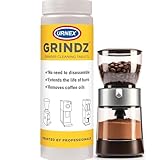
Rice vs. Cleaning Tablets (Grindz): You should use commercial cleaning tablets for electric burr grinders. Tablets are made from food-safe, brittle grains that absorb oils without stressing the motor. Uncooked white rice is much harder than coffee beans and can break the internal plastic gears of expensive espresso grinders, voiding the manufacturer’s warranty.
While uncooked rice is safe for cheap blade grinders, it should never be used in electric burr grinders. Viral internet hacks often suggest using rice for all equipment, but this advice is dangerous. Uncooked rice possesses an extreme structural hardness that places massive torque on the grinder’s motor.
Specialized cleaning tablets like Urnex Grindz are engineered specifically for coffee equipment. They crumble easily under pressure while absorbing heavy caffeol oils. Using raw rice in a Baratza Encore or Fellow Ode can strip the internal plastic drive gears entirely. Manufacturers explicitly state that using raw rice voids your warranty.
| Evaluation Criterion | Uncooked White Rice | Commercial Tablets (e.g., Urnex Grindz) |
|---|---|---|
| Best Used For | Blade grinders only | All electric and manual burr grinders |
| Material Hardness | Extremely hard (harder than light roast coffee) | Engineered to be brittle; crumbles easily under pressure |
| Motor & Gear Safety | High risk of stripping plastic drive gears | 100% safe; designed not to stress the motor |
| Oil Absorption | Low to Moderate | Extremely High (formulated specifically for caffeol oils) |
| Warranty Impact | Can void warranties (e.g., Baratza, Breville) | Recommended by manufacturers |
How Often Should You Deep Clean A Coffee Grinder?
Recommended Coffee Grinder Cleaning Schedule:
* Daily: Brush out loose grounds from the chute and grounds bin.
* Weekly: Remove the plastic hopper and wash it with warm, soapy water.
* Monthly: Disassemble the burrs, perform a deep dry-brushing, and run a cleaning tablet to dissolve stubborn rancid oils.
You should perform a light brushing of your coffee grinder daily, wash the bean hopper weekly, and perform a full deep clean and burr disassembly every 3 to 4 weeks depending on how oily your coffee beans are. Adhering to this schedule extends your grinder lifespan and maintains espresso extraction clarity.
This routine is adapted directly from commercial coffee bar workflow standards. However, your roast preference dictates your exact timeline. Light roasts are dense and dry, leaving minimal residue. Dark roasts are highly porous and excrete heavy surface oils.
If you primarily drink dark, oily espresso roasts, your monthly deep clean should become a bi-weekly deep clean. Waiting too long allows sticky resin to build up on the micro-adjustment threads, eventually seizing the motor entirely.
FAQs About how to clean coffee grinder
Can You Clean A Coffee Grinder With Water?
You should never clean the internal burrs or motor housing of an electric coffee grinder with water. Water will quickly cause high-carbon stainless steel burrs to rust, ruining their sharpness and potentially destroying the electric motor. You may only use warm, soapy water to wash the removable plastic bean hopper and grounds bin, provided they are completely dry before reassembly.
How Do You Clean A New Coffee Grinder Before First Use?
To clean a brand new coffee grinder, you should season the burrs rather than wash them. Run a half-pound of cheap or stale coffee beans through the machine at various grind settings. This process, known as seasoning, removes any residual manufacturing dust, lightly coats the burrs in natural coffee oils to prevent rust, and stabilizes the grind consistency. Discard these grounds.
How Do You Remove A Rancid Coffee Smell From A Grinder?
The best way to remove a rancid coffee smell is to purge the grinder using specialized cleaning tablets like Urnex Grindz. If you are using a blade grinder, you can grind a quarter cup of uncooked white rice for 60 seconds to absorb the stale caffeol oils causing the odor. Afterward, wipe the chamber with a microfiber cloth lightly dampened with white vinegar, then dry immediately.
Do Manual Hand Coffee Grinders Need To Be Cleaned differently?
Yes, manual hand-crank coffee grinders often feature ceramic burrs rather than steel, which can technically be washed with water. However, it is still best practice to disassemble the hand mill, use a dry pastry brush to remove coffee dust, and avoid water to ensure no moisture becomes trapped in the central drive shaft mechanism, which could cause internal corrosion.
How Do You Clean A Coffee Grinder Without Taking It Apart?
To clean a grinder without full disassembly, empty the hopper and run commercial cleaning tablets (like Grindz) through the machine. Turn the grinder on, pour in a capful of tablets, and let them grind completely through. Once finished, purge the machine by grinding a handful of fresh coffee beans to push out any remaining tablet dust. This effectively removes oils without requiring screwdrivers.
How Do You Get Spice Taste Out Of A Coffee Grinder?
To eliminate spice flavors like cumin or cinnamon from your coffee grinder, grind bread or uncooked white rice. Tear a slice of plain white bread into small pieces, or use a quarter cup of white rice, and grind it into a fine powder. The starch acts as a highly effective sponge, absorbing both the essential oils and the potent aromatic compounds left behind by the spices.
What Happens If You Don’t Clean Your Coffee Grinder?
Failing to clean your grinder leads to a buildup of rancid coffee oils, which will make all your future coffee taste bitter and stale. Furthermore, compacted coffee dust will eventually clog the extraction chute, strain the electric motor, cause the internal burrs to jam, and severely degrade your grind consistency, leading to uneven espresso extraction.
Can You Clean A Coffee Grinder With Vinegar?
You should not pour liquid vinegar directly into a coffee grinder. However, you can lightly dampen a microfiber cloth with white vinegar and use it to wipe down the inside of the plastic bean hopper or the grinding chamber of a blade grinder to neutralize odors. You must ensure the area is dried thoroughly afterward to prevent moisture damage to the burrs.
How Do You Clean Oily Residue Out Of A Coffee Grinder?
Oily residue from dark roast coffee beans is best removed using a stiff-bristled brush followed by a friction-based purging tablet. Because dark roasts excrete heavy surface oils (caffeol), dry brushing alone often smears the oil. Passing a specialized cleaning tablet through the burrs provides the necessary friction to absorb and scrape away this sticky, stubborn buildup safely.
Is It Safe To Use Isopropyl Alcohol On Coffee Grinder Burrs?
Yes, food-safe isopropyl alcohol (99%) is an excellent solvent for cleaning heavily soiled stainless steel burrs. Because high-percentage alcohol evaporates almost instantly, it dissolves sticky coffee oils without leaving residual moisture that could cause flash rust. Apply it sparingly to a microfiber cloth or a cotton swab to spot-clean stubborn resin buildup on the burr teeth.
Key Takeaways: How To Clean Coffee Grinder Summary
Key Takeaways:
- Water Destroys Steel Burrs: Never wash the internal stainless steel burrs or electric motor with water; moisture causes rapid flash rust and creates severe electrical hazards.
- Plastic Components Are Washable: The removable bean hopper and grounds bin can be safely washed with warm soapy water to remove yellowed oil stains, provided they are dried completely before reassembly.
- Rice Can Break Expensive Grinders: While uncooked rice is perfectly fine for neutralizing spice odors in cheap blade grinders, its extreme hardness can strip the internal plastic drive gears of high-end electric burr grinders.
- Use Specialized Tablets For Deep Cleaning: For electric burr grinders, utilize engineered, food-safe cleaning tablets (like Grindz) every few weeks to safely absorb rancid caffeol oils without requiring complete teardowns.
- Dry Brushing Is Your Daily Defense: A stiff-bristled, dry pastry brush combined with a micro-vacuum is the most effective way to remove sub-micron coffee fines and prevent motor-straining clogs.
- Oily Dark Roasts Require More Maintenance: If you brew dark, oily espresso roasts, you must increase your deep-cleaning frequency from monthly to bi-weekly to prevent sticky resin buildup on the adjustment collars.
- Always Purge After Cleaning: Whether you use tablets or rice, always run a handful of fresh, cheap coffee beans through the grinder afterward to purge any lingering cleaning dust before brewing your morning cup.
Final Thoughts on Cleaning Your Coffee Grinder
Learning exactly how to clean a coffee grinder is the most overlooked secret to brewing café-quality coffee at home. While investing in expensive beans and high-end espresso machines is exciting, pushing fresh coffee through a grind chamber coated in months of rancid, oxidized oils guarantees a bitter, muddy cup. Regularly cleaning your coffee grinder is the single most effective way to improve the taste of your daily coffee and extend the mechanical lifespan of your equipment.
By differentiating between washable plastics and rust-prone steel burrs, and by choosing the right cleaning agents—like engineered tablets over gear-stripping uncooked rice for your burr units—you protect both your investment and your morning routine. Implement a regular maintenance schedule starting today: a quick dry brush daily, a hopper wash weekly, and a deep tablet purge monthly.
Now that your equipment is free of stale grounds and perfectly sanitized, your burrs will cut with precision rather than crushing your beans. You are fully prepared to reassemble your machine, load your favorite fresh roast, and begin dialing in your espresso with renewed clarity. As of October 2026, these professional maintenance standards remain your best defense against stale coffee.
Last update on 2026-10-13 / Affiliate links / Images from Amazon Product Advertising API
