
As an Amazon Associate CoffeeXplore.com earns from qualifying purchases.
11 Stylish Home Coffee Bar Ideas for Small Kitchens and Home Baristas
Tired of messy coffee pods and ugly cords overtaking your cluttered countertops every morning? You are not alone in the daily struggle against limited kitchen space. A beautifully designed home coffee bar is the ultimate space-saving solution you need.
A home coffee bar is a dedicated zone in your kitchen, dining room, or pantry designed to organize your espresso machine, coffee grinder, and barista tools. By utilizing vertical space with floating shelves or hidden cabinets, a home coffee station clears counters while creating a highly functional morning routine station.
Drawing from comprehensive interior design analysis and established architectural integration techniques, we have curated the most effective coffee station ideas for 2026. Discover how to transform any blank wall into a functional oasis. You will learn expert organization hacks to build your perfect morning retreat.
Contents
show
11 Stylish Home Coffee Bar Ideas for Small Kitchens and Home Baristas
Transitioning from dreaming to actually designing your ideal caffeine corner requires bridging the gap between aesthetic inspiration and practical architectural integration. Whether you are dealing with a cramped apartment or planning a luxury kitchen remodel, implementing effective home coffee bar ideas will permanently cure appliance clutter. The key is to match your available small space with the right coffee bar furniture, carefully considering your daily workflow and equipment needs. By blending expert organization hacks with optimal layouts, you can create a beautiful built-in espresso station or a sleek minimalist small space coffee station setup. Below, we explore eleven distinct, highly actionable designs ranging from renter-friendly mobile carts to high-end custom cabinetry that perfectly houses the machine while complementing your home decor.
1. Designing a Hidden Coffee Station Cabinet for Small Spaces

Pin this genius hidden coffee cabinet idea to your Small Kitchen Solutions board!
Designing a hidden coffee station cabinet is the most effective way to conceal coffee appliances in a tight space while maintaining a minimalist kitchen aesthetic. By integrating a slide-out shelf behind custom pocket doors, a coffee server cabinet hides daily clutter while remaining instantly accessible.
When dealing with a small space, optimizing vertical real estate inside your existing cabinetry is crucial. A hidden coffee station cabinet with specialized pocket doors allows the panels to slide back and tuck into the sides, providing an unobstructed workspace during your morning routine. This eliminates the annoyance of standard cabinet doors swinging out and blocking your kitchen pathways.
Supplies Needed
- Standard base cabinet or pantry space with electrical access
- Heavy-duty slide-out wood drawer rated for 50+ lbs
- Cabinet pocket door hardware hinges
- Silicone spill mat or drip tray
- Cable management clips to hide ugly cords
- Your preferred espresso machine or drip brewer
Installation Steps
- Measure the interior depth of your cabinet, ensuring at least 20 inches of clearance for your espresso machine and grinder combination.
- Install heavy-duty pocket door hardware so the cabinet doors can slide back and out of the way during your morning routine.
- Mount the heavy-duty slide-out shelf to the base of the cabinet to allow you to easily pull the brewer forward for water reservoir refilling.
- Drill a 2-inch hole in the back panel for cord management and secure the wires using adhesive cable clips.
- Organize your coffee bean canisters and barista tools on the shelf, placing a silicone mat underneath the machine to catch drips.
Pro-Tip: From an interior designer tips perspective, always apply a protective layer of marine-grade polyurethane to the ceiling of your hidden cabinet. Proper ventilation is crucial, as trapped steam from an espresso wand can easily cause warping or steam damage to cabinets over time.

2. Building a Modern Floating Shelf Espresso Station

Save this gorgeous floating shelf setup to your Kitchen Remodel Trends board!
Building a modern floating shelf espresso station involves utilizing empty wall space above your counter to create an open, functional coffee zone without sacrificing base cabinet space. This setup elegantly pairs an espresso machine + floating shelves to draw the eye upward and make tight spaces feel expansive.
When evaluating floating shelves vs cabinets, open shelving provides an airy, accessible feel that completely changes the dynamic of a modern coffee bar design. However, heavy ceramic mugs and full glass jars require secure anchoring. Implementing proper coffee bar shelving ideas means knowing how to locate studs and use heavy-duty hardware that safely supports the weight of your equipment while optimizing your vertical storage layout.
Supplies Needed
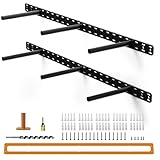
- 2-3 solid wood floating shelves (at least 10 inches deep)
- Heavy-duty hidden steel mounting brackets
- Stud finder and power drill
- Under-shelf mugs + hooks hardware
- Syrup bottles with gold or matte black pumps
- Aesthetic glass storage jars for beans and sugar
Installation Steps
- Locate and mark the wall studs above your countertop coffee nook using a reliable stud finder.
- Mount the heavy-duty steel brackets directly into the studs to safely support the weight of heavy ceramic mugs and full glass jars.
- Slide the wooden shelves onto the hidden brackets and secure them with set screws underneath.
- Attach small screw-in hooks to the bottom of the lowest shelf to hang your favorite daily-use mugs, keeping them instantly accessible.
- Arrange your coffee bar accessories on the shelves, placing the most used items (like the coffee scale and beans) on the lowest shelf and decorative items on the top.
Pro-Tip: When planning coffee bar shelving ideas, hang your first floating shelf approximately 18 to 20 inches above the countertop. This provides optimal workflow layout clearance, ensuring you have enough room to operate the lever of your espresso machine or lift the lid of your grinder without bumping your knuckles.
3. Styling a Compact Countertop Coffee Nook

Tap to save this genius space-saving corner coffee station idea!
Styling a compact countertop coffee nook requires maximizing dead corner space with tiered organizers to create a functional area without doing any construction. By thoughtfully pairing a countertop + tray, you can corral scattered accessories and transform cluttered countertops into an intentional display.
For renters or those unable to alter their cabinetry, a compact countertop coffee organizer for apartments is a game-changer. Rather than spreading your k-cup holder, mugs, and syrups across the entire counter, using vertical bamboo corner shelves and shallow decorative trays visually zones the area. This space-saving strategy keeps everything within arm’s reach while preserving crucial food prep space in a small kitchen coffee bar.
Supplies Needed
- 3-tier bamboo corner countertop shelf
- Shallow decorative corral tray (wood or woven rattan)
- Slim-profile coffee maker (e.g., Nespresso or Keurig)
- Glass syrup bottles with minimalist waterproof labels
- Stackable coffee pod organizer or drawer
- Small airtight sugar and cinnamon shakers
Styling Steps
- Clear a dedicated corner of your kitchen counter, wiping down the surface to prepare your blank canvas.
- Place your shallow decorative tray in the center of the space; this visually zones the caffeine corner so it looks intentional rather than cluttered.
- Set your slim-profile coffee maker on top of the pod organizer drawer to immediately utilize vertical space.
- Assemble the bamboo corner shelf and push it snugly into the 90-degree corner of the wall.
- Arrange your daily essentials—mugs on the bottom tier, syrup bottles on the middle, and decorative elements or tea bags on the top tier.
Pro-Tip: If you are debating between a keurig vs nespresso for a small apartment living setup, opt for the machine with a movable water reservoir. Being able to pivot the water tank to the back or the side makes it infinitely easier to fit the appliance perfectly into a tight countertop coffee bar.
4. Organizing a Rolling Cart Coffee Beverage Center

Need a renter-friendly coffee bar? Pin this rolling cart idea!
Organizing a rolling cart coffee beverage center provides a mobile, freestanding alternative to built-in cabinetry that can seamlessly transition between your kitchen and dining area. A well-styled rolling cart acts as a self-contained hub, providing ample storage for your french press, mugs, and beans.
When navigating budget constraints or strict lease agreements, apartment coffee bar ideas must rely on portable furniture. A 3-tier cart offers an incredibly versatile freestanding coffee bar solution. The top tier safely houses hot appliances, while the lower tiers neatly organize heavy backstock and your moka pot. The key to success here is focusing on stability and clever wire management to ensure the cart remains safe and aesthetically pleasing in high-traffic areas.
Supplies Needed
- 3-tier heavy-duty rolling utility cart with locking wheels
- S-hooks for hanging mugs
- Multi-plug extension cord with surge protection
- Small woven baskets for coffee pods and tea bags
- Drip coffee maker or french press
- Non-slip rubber shelf liners
Styling Steps
- Assemble your rolling cart and immediately lock the casters (wheels) in place to ensure a stable, safe brewing environment.
- Line each tier of the cart with non-slip rubber shelf liners to prevent your barista tools and ceramic mugs from sliding when the cart is moved.
- Position your coffee maker on the very top tier to ensure safe, easy access for pouring hot water without bending over.
- Hook your S-hooks over the side rails of the top tier and hang your everyday coffee mugs for easy grabbing.
- Organize the middle tier with your syrups and trays, and use the bottom tier for heavier items like backstock coffee beans, a moka pot, or woven storage baskets.
Pro-Tip: For the ultimate coffee beverage center, run a heavy-duty, flat-plug extension cord down the back leg of the cart, securing it with zip ties. Mount a power strip to the underside of the top tier. This creates a neat caffeine hub with only one cord running to the wall outlet, completely eliminating ugly cords from your aesthetic setup.

5. Mounting an Under-Cabinet Coffee Station with Smart Lighting

Add smart lighting to your coffee nook! Save this to your DIY Home Improvement board.
Mounting an under-cabinet coffee station with smart lighting immediately brightens dark corners, making early morning brewing easier while transforming the space into a visual focal point. The perfect pairing of lighting + ambiance highlights your beautiful backsplash and essential barista equipment.
While rolling carts offer excellent flexibility, sometimes you need to maximize the fixed counter space you already have. Many kitchens suffer from dark, shadowed areas beneath the upper cabinetry. An under cabinet coffee station with lighting solves this problem beautifully. By integrating modern LED technology, you not only improve visibility for precision tasks on your tamping mat, but you also leverage smart lighting automation to craft an inviting, high-end atmosphere that kicks off your morning routine flawlessly.
Supplies Needed
- Ultra-thin smart LED strip lights or rechargeable puck lights
- Double-sided heavy-duty mounting tape
- Cable raceways to hide wires (if using plugged lights)
- Your espresso machine and conical burr grinder
- Silicone tamping mat and heavy stainless steel tamper
- High-quality knock box
Installation Steps
- Clean the underside of your upper kitchen cabinets thoroughly with a degreaser to ensure the lighting adhesive sticks properly.
- Measure the length of your cabinet and cut your LED light strips to size (only cut on designated copper lines).
- Mount the lights toward the front edge of the cabinet facing downward; this prevents glare on your backsplash and illuminates the espresso machine perfectly.
- Conceal any hanging cords using a white or paintable plastic cable raceway adhered to the back corner of the wall.
- Sync your smart lights to your home hub (like Alexa or Google Home) and set a routine for them to turn on automatically at 6:00 AM for your morning routine.
Pro-Tip: Barista-approved setup guidelines suggest utilizing smart bulbs with adjustable color temperatures. Set your under-cabinet lighting to a crisp daylight white (4000K) during morning brewing for visibility, and switch to a warm amber (2700K) in the evening to create a cozy, ambient latte lounge glow in the kitchen.
6. Upcycling a Shabby Chic Dresser into a Java Station

Love DIY projects? Pin this upcycled dresser coffee bar transformation!
Upcycling a shabby chic dresser into a java station offers an affordable, highly creative furniture solution that doesn’t look like generic kitchen cabinetry. Creating a custom diy + upcycled dresser enhances your home decor while providing massive amounts of hidden storage in deep drawers.
When weighing a repurposed dresser vs console table for your dining room, a dresser usually wins because of its superior storage capacity. A shabby chic upcycled coffee bar dresser perfectly bridges the gap between functional coffee bar furniture and vintage aesthetic appeal. This diy home improvement project is exceptionally satisfying, allowing you to completely customize the paint colors and hardware to match your existing style while navigating strict budget constraints.
Supplies Needed
- Vintage solid wood dresser (waist height is ideal)
- Sandpaper (120 and 220 grit)
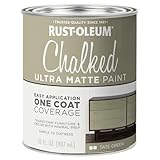
- High-quality matte chalk paint
- Waterproof polyurethane top coat (Critical!)
- New hardware/drawer pulls (e.g., antique brass)
- Drawer organizers for k-cups, filters, and spoons
Refurbishing Steps
- Remove all drawers and old hardware from your thrifted dresser, wiping the entire piece down with a deglosser to remove decades of grime.
- Sand the top surface down to bare wood if you plan to stain it, or lightly scuff the whole piece if you are using chalk paint.
- Paint the body of the dresser with two coats of chalk paint, distressing the edges slightly with fine sandpaper for that perfect vintage look.
- Seal the entire top surface with at least three coats of waterproof polyurethane to create a heat-safe surface that won’t ring or peel when coffee spills happen.
- Organize the deep bottom drawers to hide bulk coffee beans and backstock, and use shallow top drawers with inserts to beautifully organize your pods, sugar packets, and tea bags.
Pro-Tip: If you are placing your diy coffee station against a flat wall, you can easily remove the top drawer of the dresser completely to create an open cubby. Line this new shelf with beadboard and use it to store a small microwave or showcase your collection of french press and pour over stand equipment!
7. Installing a Built-In Coffee and Wine Bar Combo

Day to night perfection! Pin this coffee and wine bar combo for your remodel.
Installing a built-in coffee and wine bar combo creates a luxurious, dual-purpose entertainment zone that maximizes utility for both morning routines and evening hosting. By placing a high-end espresso machine above a sleek under-counter wine fridge, the entire area transitions flawlessly from day to night.
When planning a major renovation, the coffee bar vs beverage center debate often arises. A dedicated coffee and wine bar resolves this by integrating hot and cold beverage stations into one unified architectural footprint. This built-in espresso station setup removes hosting traffic from the main kitchen work triangle. However, successfully executing this concept requires meticulous planning regarding proper ventilation for built-in refrigeration and ensuring adequate electrical supply for multiple high-draw appliances.
Supplies Needed
- Custom base and upper cabinetry (or pre-fab kitchen units)
- Under-counter dual-zone beverage and wine fridge
- High-end espresso machine
- Hanging stemware rack for wine glasses
- Dedicated 20-amp electrical circuit (Consult an electrician!)
- Stone or quartz countertop material
Installation Steps
- Design the layout with your contractor, ensuring the opening for the wine fridge is at least 1/4 inch wider than the appliance to allow for proper airflow.
- Install the base cabinetry on either side of the fridge void, securing them firmly to the wall studs.
- Mount a beautiful, durable quartz countertop across the cabinets. Avoid porous materials like marble if you frequently spill red wine or dark coffee!
- Slide the beverage center into the lower void, making sure the exhaust vent at the bottom front is completely unobstructed.
- Arrange the upper zone: mount a stemware rack under the upper cabinets for wine glasses, and dedicate the countertop space below it to your coffee grinder, tamping station, and espresso machine.
Pro-Tip: If you are installing a high-end coffee and wine bar, do not plug both the refrigerator compressor and the boiler of the espresso machine into the same standard 15-amp outlet. Ask your electrician for a dedicated 20-amp circuit for your refreshment center to maintain safe electrical clearance and prevent tripping the breaker every morning when the fridge kicks on while you steam milk!

Less is more. Pin this gorgeous Scandinavian pour-over setup!
Curating a minimalist Scandinavian pour-over bar shifts the focus toward the slow, artisanal craft of manual coffee brewing, eliminating the need for bulky, space-consuming machines. A sleek gooseneck kettle paired with an accurate coffee scale simplifies the morning and saves substantial counter space.
For purists who value morning routine habits as a moment of zen, a scandinavian style white coffee nook provides the perfect aesthetic escape. This approach relies on negative space and purposeful, high-quality tools that double as decor. Instead of hiding appliances, a beautifully designed glass Chemex or a ceramic pour over stand becomes the visual anchor of the space. The minimalist philosophy ensures that every item on the table serves a distinct, functional purpose without generating clutter.
Supplies Needed
- Light oak or blonde wood console table
- Matte black electric gooseneck kettle (variable temperature)
- Glass Chemex or ceramic V60 pour over stand
- High-precision digital coffee scale with timer
- Minimalist ceramic or stoneware mugs
- Paper or reusable metal coffee filters
Styling Steps
- Clear all unnecessary clutter from your table, as scandinavian style relies heavily on negative space to breathe.
- Place your gooseneck kettle near the outlet, ensuring the cord is pulled tight and hidden behind the table leg.
- Position your digital coffee scale squarely in the center of the station, placing your glass Chemex directly on top of it.
- Store your coffee filters and whole beans inside a simple, opaque matte black or white canister to reduce visual noise.
- Add exactly one piece of organic decor, such as a single stem of dried eucalyptus or a small minimalist art print leaning against the wall.
Pro-Tip: For the true home barista zone, invest in a gooseneck kettle with a built-in PID controller to maintain thermal stability. Pour-over coffee requires water precisely between 195°F and 205°F; boiling water will scorch your grounds and ruin the delicate roast profile display of specialty beans!
9. Arranging a Farmhouse Coffee Station with Tiered Trays

Bring cozy vibes to your kitchen! Pin this Farmhouse Tiered Tray styling guide.
Arranging a farmhouse coffee station with tiered trays is the best method to group many small, disparate items in a way that looks intentionally decorative rather than messy. By pairing your syrups + tiered tray, you instantly organize the area while adding distinct rustic charm to the kitchen.
If you struggle with unorganized syrups, scattered sugar packets, and rogue stirring spoons, a farmhouse coffee station diy is the perfect aesthetic remedy. A rustic wood coffee station organizes the items vertically, utilizing the interior design “rule of three” to create balanced vignettes. Decorating with glass mason jars and a cute chalkboard sign easily enhances home decor, transforming a purely utilitarian corner into a warm, inviting centerpiece.
Supplies Needed
- 2-tier rustic wooden or galvanized metal tray
- Small glass mason jars for sugar and stirrers
- Coffee bean canister set (airtight)
- Classic white drip coffee maker or single-serve brewer
- Small chalkboard sign for decor
- Assorted syrup bottles
Styling Steps
- Place your 2-tier tray right beside your coffee maker. This creates a centralized, highly functional morning coffee nook.
- Anchor the bottom tier of the tray with your heaviest items. Place your coffee bean canisters or stacked ceramic mugs here to ground the display.
- Group your syrups + tiered tray items on the top level. Transfer store-bought syrups into matching glass dispensers with pump tops to eliminate visual brand clutter.
- Fill small mason jars with wooden stir sticks, cinnamon sticks, and raw sugar packets, tucking them into the empty spaces on both tiers.
- Prop a tiny, framed chalkboard sign or a small seasonal faux plant against the back of the top tier to add height and personality to your farmhouse coffee station diy.
Pro-Tip: When styling a countertop coffee nook, utilize the interior designer “Rule of Triangles.” Arrange your items so that the tallest item is in the back center, with medium and small items stepping down to the front sides. This forces the eye to move smoothly over the entire caffeine corner without feeling visually overwhelmed.

10. Optimizing a Kitchen Pantry Slide-Out Coffee Corner

Hide the clutter! Pin this genius pantry coffee bar idea for later.
Optimizing a kitchen pantry slide-out coffee corner completely removes bulky appliances from the main kitchen area while retaining full brewing functionality inside a walk-in closet. Combining a hidden pantry + slide-out shelf allows you to preserve pristine countertops for food preparation.
For homeowners facing extreme limited kitchen space, an integrated coffee station in kitchen pantry solves both visual clutter and difficult cleaning issues. A dedicated coffee pantry completely hides the daily mess of coffee grounds and water spills behind a closed door. This setup typically requires adding appliance roll-outs to existing shelving, transforming standard storage into a highly functional kitchen pantry bar that smoothly glides out when you need it and vanishes when you don’t.
Supplies Needed
- Deep pantry shelf (minimum 16 inches deep)
- Heavy-duty ball-bearing drawer slides (100lb capacity)
- Custom cut wooden shelf base
- In-drawer coffee pod organizer inserts
- Slim coffee maker
- Cable ties and wire raceways
Installation Steps
- Hire an electrician to install a grounded electrical outlet on the back wall of your walk-in pantry, as most closets do not have standard plugs.
- Remove an existing fixed shelf at waist-height in your pantry to serve as the new beverage station zone.
- Mount the heavy-duty drawer slides to the side walls of the pantry cabinet, ensuring they are perfectly level so hot coffee won’t spill when pulled.
- Attach your custom-cut wooden shelf to the slide hardware, creating your pantry + slide-out shelf.
- Drop your bamboo coffee pod organizer inserts into the adjacent shallow drawer to keep your k-cups and tea bags perfectly separated and hidden from view.
Pro-Tip: If you are building an integrated coffee station in kitchen pantry, leave at least 18 inches of vertical headspace above the slide-out shelf. You must be able to comfortably lift the lid of your coffee maker to pour water into the reservoir without hitting the pantry shelf above it!

11. Plumbing a Luxury Plumbed-In Espresso System Hub

Dreaming of a pro setup? Pin this plumbed-in espresso bar to your Luxury Kitchens board.
Plumbing a luxury plumbed-in espresso system hub during a full kitchen remodel eliminates the chore of manually filling water tanks or emptying drip trays forever. By integrating a sink + plumbing directly to your prosumer machine, you establish the ultimate, hassle-free morning workflow.
For the serious coffee enthusiast seeking a professional home barista station layout, standard countertop machines simply aren’t enough. Designing a luxury built-in espresso bar for kitchen use requires careful architectural planning to incorporate dedicated water lines, advanced hydro-filtration for coffee, and seamless knock box drainage. This advanced commercial investigation layer ensures your investment is protected from hard water scaling while providing a cafe-quality experience right in your home.
Supplies Needed
- Rotary pump espresso machine (plumbable model)
- In-line water filtration system (reverse osmosis or specialized hydro-filtration for coffee)
- Braided stainless steel water supply lines
- Counter-flush built-in stainless steel knock box
- High-end flat burr grinder
- Plumber’s tape and drill with diamond hole saw bits
Installation Steps
- Design your luxury built-in espresso bar for kitchen right next to a secondary bar sink to ensure easy access to hot/cold water supply lines and a drain pipe.
- Install an under-counter water filtration system, as hard tap water will quickly calcify and ruin a commercial-grade boiler.
- Drill a clean hole through your stone countertop (using a diamond bit) to drop your water supply line down to the filtration system and your drip tray hose to the drain.
- Cut a rectangular void in the countertop to inset your flush-mount knock box, placing a heavy-duty trash bin directly underneath it inside the cabinet.
- Connect your machine to the filtered water line, turn on the mains, and check meticulously for leaks before firing up the boilers.
Pro-Tip: The secret to a true professional home barista station layout is workflow ergonomics. Position your grinder on the left, your tamping mat in the center, and the espresso machine on the right (or vice versa if left-handed). Integrating a counter-flush knock box drainage system directly under the grinder ensures zero grounds ever hit your pristine marble floors!
Key Takeaways: Your Quick Guide to Home Coffee Bar Ideas
Before you start drilling holes or buying new furniture for your small kitchen coffee bar, it is crucial to review the core rules of spatial planning and moisture protection. These actionable key points synthesize complex architectural and interior design guidelines into simple, easy-to-remember styling principles. Applying these rules will ensure your new home coffee bar is as structurally sound and functional as it is aesthetically pleasing.
Here are the most critical insights to remember before finalizing your coffee station ideas:
- Maximize Vertical Space for Small Kitchens: Maximizing unused wall real estate with heavy-duty floating shelves or tall corner organizers is the most effective way to build a small kitchen coffee bar without losing valuable prep space.
- Protect Cabinetry from Steam Damage: Always apply moisture-resistant finishes or protective mats when placing espresso machines under upper cabinets to prevent warping from daily steam wand usage.
- Group Clutter with Trays: Corral disparate items like syrup bottles, sugar jars, and stirrers onto a single tiered tray to immediately transform messy counters into an intentional, aesthetic caffeine station.
- Leverage Mobile Solutions for Rentals: Using a 3-tier rolling cart creates a functional apartment coffee bar that provides excellent storage for barista tools without requiring any wall drilling or permanent modifications.
- Plan Dedicated Electrical for Built-Ins: When designing a luxury built-in espresso bar for kitchen integration, ensure your espresso machine and wine fridge are on dedicated electrical circuits to maintain safe electrical clearance and prevent tripped breakers.
- Invest in Proper Coffee Filtration: If you are planning a plumbed-in espresso system, utilizing an in-line hydro-filtration for coffee is absolutely critical to protect your boiler’s thermal stability and lifespan.
People Also Ask About Home Coffee Bar Ideas
Even with plenty of aesthetic inspiration, navigating the technical logistics of home coffee bar FAQs requires practical, expert-backed answers. From understanding electrical requirements to budgeting for custom cabinetry, we have compiled the most common questions about home coffee bars directly from real homeowner queries to guide your final planning decisions.
What do you need for a coffee station?
The essential items you need for a coffee station include a primary brewer (espresso machine or drip maker), a quality coffee grinder, airtight bean storage, daily coffee mugs, and organizational accessories like a tiered tray.
To elevate the space, interior designers recommend adding specialized barista tools like a tamping mat, a milk frother, and glass dispensers for your syrups. Ensuring you have dedicated storage for pods or filters will prevent cluttered countertops and keep your morning routine seamless.
Where to put a coffee bar in a small kitchen?
The best places to put a coffee bar in a small kitchen are tucked into an unused corner, inside a walk-in pantry, or on a rolling utility cart.
If you have entirely limited kitchen space, consider adding heavy-duty floating shelves above a tiny sliver of counter space, or removing the doors off an upper cabinet to create an instant built-in espresso station recess without taking up any floor footprint.
How much does a coffee bar cost?
A DIY home coffee bar can cost as little as $50 using upcycled furniture and basic organizers, while custom luxury built-in coffee bars can range from $2,000 to over $10,000.
The budget heavily depends on the espresso machine vs drip coffee choice, as prosumer machines easily cost over $1,500 alone. For budget constraints, transforming a thrifted dresser and adding a $100 pod brewer is highly cost-effective, whereas custom cabinetry and professional plumbing drive up luxury prices.
Can you put a coffee bar in a dining room?
Yes, placing a coffee bar in a dining room is a brilliant way to free up kitchen counter space while creating a beautiful focal point for entertaining.
Using a repurposed buffet table, a dresser vs console table, or a freestanding coffee bar cabinet allows the dining area to double as a refreshment center during dinner parties. Just ensure you have convenient access to a wall outlet to avoid running ugly cords across the floor.
How to hide coffee station cords?
To effectively hide coffee station cords, use adhesive cable management raceways along the back edge of your desk, or bundle wires together using zip ties directly behind the machine.
For a diy coffee station cabinet, use a hole saw to drill a 2-inch grommet hole directly behind the espresso machine, dropping the cords down into the cabinet to plug into a hidden power strip. This completely removes visual clutter from your caffeine corner.
Is a built-in coffee bar worth it?
A built-in coffee bar is absolutely worth the investment for homeowners who entertain frequently or consider high-quality coffee an essential part of their daily lifestyle.
Custom built-ins drastically increase home value and solve cluttered countertops permanently. While it requires a higher upfront cost for cabinetry and potentially professional plumbing, it creates an aesthetic, dedicated beverage hosting zone that keeps guests out of the main kitchen work triangle.
How high should coffee bar shelves be?
The lowest floating shelf above a coffee bar should be mounted exactly 18 to 20 inches above the countertop surface to match standard kitchen cabinet heights.
This specific height is critical because it provides an optimal workflow layout, allowing enough vertical clearance to lift the lid of a tall coffee maker, refill water reservoirs, or operate the lever of a manual espresso machine without hitting the coffee bar shelving.
How to organize coffee syrups?
The most aesthetic way to organize coffee syrups is to transfer them from their original branded plastic bottles into matching glass dispensers with gold or matte black pump tops.
Once decanted, group the bottles tightly together on a small tiered tray or a lazy Susan turntable. This space-saving interior design hack immediately cures the look of unorganized syrups and makes your home cafe setup look like a professional, high-end barista station.
What is a beverage center vs coffee bar?
A coffee bar is dedicated strictly to hot morning beverages and barista tools, while a beverage center is a larger, dual-purpose zone that incorporates cold storage like a wine fridge for day-to-night entertaining.
A true coffee and wine bar combo will feature an espresso setup on the countertop with under-counter cooling appliances below. Beverage centers are typically placed on the outskirts of a kitchen or in a dining room to facilitate broader beverage hosting.
How to vent a built-in coffee machine?
To properly vent a built-in coffee machine inside a closed cabinet, you must install decorative ventilation grilles in the cabinet doors or leave a minimum 2-inch gap at the back of the shelf for airflow.
Espresso machines generate significant heat and steam. Without proper ventilation, moisture becomes trapped, leading to serious steam damage to cabinets and potential electrical overheating. Always use moisture-resistant finishes inside a hidden coffee station cabinet.
Final Thoughts on Home Coffee Bar Ideas
Creating the perfect home coffee bar is about so much more than just following kitchen remodel trends; it is about intentionally designing a space that brings peace and efficiency to your daily morning routine. Whether you are combatting limited kitchen space with a clever rolling cart, or you are investing in a luxury built-in espresso bar for kitchen hosting, the goal remains the same: transforming a chaotic appliance corner into a beautiful, dedicated home barista zone.
By prioritizing optimal workflow layout and utilizing smart organizational tools like tiered trays and floating shelves, you can completely cure cluttered countertops. Remember that the best coffee station ideas are the ones that perfectly fit your specific daily habits—from the casual drip coffee drinker to the prosumer tracking their thermal stability on a plumbed-in machine.
As you move from dreaming to designing your project in August 2026, focus first on your daily pain points. Hide those ugly cords, decant those unorganized syrups, and start carving out your very own caffeine corner today. Which of these 11 styles are you planning to recreate in your home? Save your favorite idea and start gathering your barista tools!
Last update on 2026-08-25 / Affiliate links / Images from Amazon Product Advertising API
