
As an Amazon Associate CoffeeXplore.com earns from qualifying purchases.
Dong Quai Tea Recipe: 7 Proven Steps to Balance Hormones
Are you exhausted by monthly hormonal imbalance and debilitating painful periods? Struggling with menstrual cramps can disrupt your entire life and leave you feeling completely drained. Learning a proper dong quai tea recipe offers a natural, time-tested solution for true relief.
To make traditional dong quai tea, combine 3-5 slices of dried dong quai root with 5 pitted red dates and 1 tablespoon of goji berries in a ceramic pot. Add 3 cups of water, bring to a boil, then simmer for 30 minutes to extract the blood-nourishing medicinal properties. This specific method ensures proper extraction of the root’s beneficial compounds.
Drawing from comprehensive analysis of established Traditional Chinese Medicine methodologies, this guide reveals the exact preparation steps. We will explore the precise pharmacological properties of dang gui while covering essential safety contraindications. Discover how to brew this potent blood builder perfectly today.
Contents
show
Dong Quai Tea Recipe: 7 Proven Steps to Balance Hormones
Brewing a traditional chinese dong quai tea recipe requires more than simply dropping herbs into hot water. This powerful homemade dong quai root decoction utilizes dried root slices, sweet red dates, and fresh ginger in a ceramic herb pot to properly extract the therapeutic compounds. When prepared correctly, this herbal tea decoction actively warms the uterus and relieves painful blood stasis.
Before you begin to simmer your ingredients, it is crucial to understand that this potent blood tonic herb is strictly contraindicated for pregnancy and anyone taking blood-thinning medications. By treating the preparation process as a medicinal ritual, you will maximize the hydration, synergy, and temperature control needed to create the ultimate painless period tea. Let’s dive into the exact decoct methodology to ensure you reap the maximum hormone-balancing benefits.
1. Select Practitioner-Quality Dong Quai Root

Save this crucial sourcing tip to your Natural Remedies board!
Sourcing high-quality sliced dang gui is the foundational step for your hormone balance recipe. You must prioritize medicinal grade, practitioner quality roots to truly tonify qi and avoid harmful chemical contaminants. Authentic raw dong quai possesses a pungent aroma and a distinct yellowish-brown ringed cross-section. When choosing between the whole root and shredded angelica, always opt for whole or thickly sliced pieces, as pre-shredded herbs lose their essential oils rapidly.
Ingredients
- 3 to 5 slices of practitioner quality dried Dong Quai root (approximately 10-15 grams)
- Airtight glass jar for preserving the pungent aroma and essential oils
- Digital kitchen scale for precise standardized dosage measurement
Instructions
- Inspect the dried root slices for quality; they should have a yellowish-white interior and a distinct, strong, earthy fragrance. Avoid bright white slices, which often indicate sulfur bleaching.
- Weigh exactly 10-15 grams of the raw dong quai using your kitchen scale to ensure you don’t over-concentrate the herbal tea decoction.
- Rinse the slices gently under cold, filtered water for 10 seconds to remove any residual dust from the drying process.
- Store any unused sliced dang gui in an airtight glass container in a cool, dark pantry to maintain the integrity of its pharmacological properties.
Pro-Tip: In my experience as a holistic herbalist, sourcing sulfur-free herbs is non-negotiable. Sulfur is commonly used to preserve color and extend shelf life in cheaper herbs, but it destroys the delicate ligustilide compounds responsible for the herb’s circulation improvement benefits.

2. Prepare the Jujube (Red Dates) and Goji Berries

Pin this essential ingredient prep step for your next wellness day!
Integrating jujube fruit and wolfberry alongside your root creates a vital synergistic entity network. The famous combination of dong quai + red dates effectively helps harmonize hormones while softening the intensely bitter taste of the primary herb. In TCM, these red fruits act as secondary blood nourishing agents that specifically support hematopoiesis (the creation of new blood cells) to remedy pale complexion and systemic fatigue.
Ingredients
- 5 to 7 premium dried red dates (jujube fruit)
- 1 tablespoon of organic goji berries (wolfberry)
- 1 cup of warm water for soaking
- Small paring knife
Instructions
- Soak the red dates and goji berries in a bowl of warm filtered water for 5 minutes to hydrate and plump the dried fruits.
- Wash and gently scrub the outer skins of the dates to remove any natural debris, then drain the water completely.
- Slice each red date open using your paring knife and carefully remove the hard inner pit. Leaving the pits in can introduce excess “heat” into the body according to TCM.
- Combine the pitted dates and plumped goji berries in a small prep bowl alongside your previously measured dong quai root slices.
Pro-Tip: Never skip pitting your red dates! In TCM practice, the flesh of the date nourishes the blood and calms the spirit, but boiling the pits can counteract the hormone-balancing effects by creating internal heat and dryness.

3. Add Fresh Ginger for Warming Properties

Don’t forget the ginger! Save this warming tip to your Herbal Tea boards.
Fresh ginger is the necessary catalyst to activate profound cramp reduction in this recipe. The angelica + ginger pairing provides deep warming properties acting as a potent uterine tonic. For women suffering from cold stagnation in the uterus—a common tcm syndrome differentiation diagnosis for excruciating period pain—this precise combination forcefully clears the blockage and restores healthy circulation.
Ingredients
- 3 to 4 thin slices of fresh ginger root (do not peel)
- Sharp chef’s knife or ceramic grater
- 1 cup of cold water (for the boiling process prep)
Instructions
- Scrub the exterior of the fresh ginger root thoroughly. Keep the skin on, as TCM principles state the skin promotes healthy fluid metabolism and prevents water retention.
- Slice the ginger into 3 to 4 thin, coin-sized pieces.
- Smash each slice gently with the flat side of your knife to release the volatile oils and warming properties.
- Combine the crushed angelica + ginger slices in your preparation bowl. This specific pairing acts as a potent uterine tonic targeted at cramp reduction.
Pro-Tip: If your primary goal is menstrual cramp relief, use fresh ginger. If your goal is treating a pale complexion and extreme fatigue without pain, you can reduce the ginger to just 1 slice to focus purely on the blood builder aspects.

4. Execute the Traditional TCM Decoction Method

Pin this traditional brewing technique for the perfect extraction!
Decoction + simmering is the mandatory process for extracting dense botanical medicine. You must use a pot + lid to boil and then reduce the liquid at a precise root + water ratio. Simply steeping these hard roots in hot water like standard green tea will fail to break down the cellular walls, leaving the active polysaccharides and phytoestrogens trapped inside the plant matter.
Tools & Ingredients
- 1 traditional ceramic herb pot or glass simmering pot (Avoid cast iron or aluminum as they can react with the herbs)
- 3 to 4 cups of filtered water (proper root + water ratio)
- All previously prepped ingredients (dong quai, dates, goji, ginger)
- Stirring spoon (wooden or ceramic)
Instructions
- Place all your prepped herbs into the ceramic or glass pot.
- Pour in 3 to 4 cups of room-temperature filtered water, ensuring all the dried root slices are fully submerged. Let them soak off-heat for 10 minutes to soften.
- Boil the mixture over medium-high heat. Leave the lid off initially so you can monitor it and prevent boiling over.
- Reduce the heat to the lowest possible setting once it reaches a rolling boil.
- Cover the pot + lid securely and let the mixture simmer gently for 30 to 45 minutes to fully decoct and extract the medicinal properties. The liquid should reduce by about half, becoming a rich, dark amber color.
Pro-Tip: Never use a metal pot (like cast iron, aluminum, or unlined copper) when boiling TCM herbal tea. The active polysaccharides and plant compounds can cause a chemical reaction with certain metals, altering the earthy flavor and degrading the therapeutic value. Stick to glass, ceramic, or high-grade stainless steel.

5. Incorporate Optional Synergistic Tonic Herbs

Level up your tea with these synergistic herbs! Pin for later.
Expanding your recipe with astragalus root and white peony transforms a simple tea into a comprehensive yin deficiency tonic. This combination actively builds both qi and blood simultaneously. If your primary goal extends beyond period pain into chronic exhaustion or needing a potent postpartum recovery tea, these synergistic herbs provide the advanced level of physiological support your body requires.
Ingredients
- 3 slices of astragalus root (Huang Qi) for profound energy boosting
- 2 slices of white peony root (Bai Shao) to soften the liver
- Tongs or a long wooden spoon for stirring
- Alternative: 1 piece of black chicken if transforming this from a tea into a traditional chinese soup for postpartum recovery.
Instructions
- Identify your primary symptom. If you suffer from extreme fatigue alongside your hormonal imbalances, you need to build both qi and blood.
- Add the 3 slices of astragalus root to the pot alongside the dong quai right before you begin the boiling process.
- Combine the white peony root if you suffer from tight, spasming cramps, as it works synergistically to relax the uterine muscles.
- Infuse these synergistic herbs for the full 30-45 minute simmer cycle to ensure all deep-acting compounds are released.
Pro-Tip: In clinical TCM practice, the famous formula “Dang Gui Bu Xue Tang” uses a strict 5:1 ratio of Astragalus to Female Ginseng. The Astragalus generates the “Qi” (energy) necessary to physically move the new blood that the angelica root is building throughout the body.

6. Sweeten and Strain the Herbal Infusion

Save this straining technique for the clearest, smoothest tea!
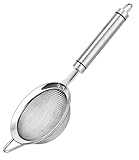
Using a fine mesh sieve to strain the liquid removes the tough woody texture, preparing it for natural sweetening. Enhancing your dong quai + honey or brown sugar mixture creates a deeply sweet aftertaste that balances the notoriously earthy profile of the roots. This step successfully answers the common hesitation regarding what does dong quai tea taste like? by making the medicinal brew highly palatable.
Ingredients & Tools
- 1 tablespoon of traditional dark brown sugar (Hei Tang) or raw honey
- Fine mesh stainless steel strainer
- Serving mug or heat-proof glass
- Wooden stirring spoon
Instructions
- Remove the simmering pot from the heat source once the liquid has reduced to approximately 1.5 to 2 cups of highly concentrated herbal tonic.
- Place your fine mesh strainer directly over your serving mug.
- Strain the hot liquid through the mesh to catch the woody texture of the roots, ginger fibers, and date skins. Note: The goji berries and dates are fully edible if you prefer to leave them in!
- Stir in your brown sugar or dong quai + honey combination while the tea is still piping hot, mixing until fully dissolved to balance the pungent, earthy flavor.
Pro-Tip: Do not throw away the dried angelica slices after your first boil! High-quality, practitioner-grade roots can be boiled a second time. While the second decoction will be slightly milder, it still contains valuable blood nourishing properties.
7. Establish a Hormone-Balancing Drinking Routine

Pin this routine guide to sync your cycle perfectly!
To achieve true cycle + balance, you should drink this tea during the follicular and luteal phases, taking a complete break during active menstruation. By creating a mindful wellness routine, you utilize the healing dong quai drink to support optimal uterus + health. Learning how to cool, store, and refrigerate your batches ensures you always have this remedy ready.
Tools & Supplies
- High-quality glass tea thermos (for sipping throughout the morning)
- Glass mason jar with an airtight lid (for storing leftovers)
- Menstrual cycle tracking app or journal
Instructions
- Cool the tea to a comfortable, warm sipping temperature. TCM strictly advises against drinking medicinal teas ice-cold, as cold constricts blood + flow and exacerbates painful periods.
- Pour your morning serving into your glass thermos to keep it warm. Consume it on an empty stomach for maximum absorption, unless you have a sensitive stomach.
- Refrigerate any leftover tea in a sealed glass mason jar. It will last in the fridge for up to 3 days. Reheat it gently on the stove before drinking.
- Track your cycle. The optimal time to drink this painless period tea is the week after your period ends (the follicular phase) to rebuild lost blood, and the week before your period begins (luteal phase) to prevent cramps.
Pro-Tip: Stop drinking the tea once your period begins. Because Female Ginseng is a potent blood invigorator and mild blood thinner, drinking it during active menstruation can cause unnecessarily heavy bleeding. Resume your routine once your bleeding has completely stopped.

Key Takeaways: Your Quick Guide to Dong Quai Tea Recipe
Before you head to the kitchen to begin brewing your female ginseng tea recipe, it is essential to review the core preparation rules. This dong quai tea recipe summary highlights the non-negotiable safety and main takeaways needed for success.
Key Takeaways:
- Quality Sourcing is Everything: Always purchase practitioner-quality, sulfur-free dried root slices; sulfur bleaching destroys the active compounds needed for a true hormone balance recipe.
- Synergy is Required for Success: Never brew the root alone. Combining dong quai + red dates and goji berries balances the bitter taste and maximizes the blood nourishing properties.
- Ginger Activates Pain Relief: Adding smashed fresh ginger provides essential warming properties that target the uterus directly for profound cramp reduction.
- Decoction vs. Steeping: You must simmer the roots in a covered pot for 30-45 minutes; simply pouring hot water over the hard roots will not extract the medicinal phytoestrogens.
- Protect the Active Compounds: Always brew your herbal tea decoction in glass or ceramic pots; metals like cast iron can react negatively with the herb’s polysaccharides.
- Strategic Cycle Timing: For optimal cycle + balance, drink the tea the week after and the week before your cycle, but never during active menstruation to prevent heavy bleeding.
- Respect the Contraindications: Avoid this women’s health tonic entirely if you are pregnant, nursing, or taking blood-thinning medications, as its natural estrogenic activity and circulation-boosting effects can cause severe drug interactions.
People Also Ask About Dong Quai Tea Recipe
Even with a detailed step-by-step guide, many users have specific questions about dong quai tea recipe variations, safety, and flavor profiles. Below, we address the most common concerns regarding dosage, pregnancy safety, and the exact taste profile of this ancient remedy.
How long do you boil dong quai tea?
You should boil dong quai tea for 30 to 45 minutes on a gentle simmer.
Because Radix Angelica Sinensis is a dense, hard root, a simple 5-minute steep in hot water is insufficient. Extended simmering through a process called decoction breaks down the tough cellular walls, successfully extracting the active ferulic acid and essential oils needed to nourish the blood.
Who should avoid dong quai tea?
Pregnant women, nursing mothers, and individuals on blood thinners must avoid dong quai tea.
Because this blood tonic herb strongly invigorates circulation and stimulates uterine contractions, it poses a severe risk of miscarriage during pregnancy. Furthermore, its natural coumarin content can cause dangerous drug interactions if mixed with prescription blood thinners like warfarin. Always consult a certified herbalist if unsure.
Can I drink dong quai during my period?
No, you should pause drinking dong quai tea during the heavy days of your menstrual period.
Since this herbal tea decoction acts as a mild blood thinner and powerful circulation stimulant, consuming it while actively bleeding can lead to unnecessarily heavy bleeding and prolonged cycles. Resume drinking it once your period has completely finished to rebuild lost blood.
What does dong quai tea taste like?
Dong quai tea has a strong, earthy, and distinctly bitter taste with a pungent aroma.
It often reminds people of celery or damp earth. Because the raw root can be overpowering, a traditional homemade dong quai root decoction is almost always balanced with naturally sweet jujube fruit (red dates) and goji berries to create a more pleasant sweet aftertaste.
Is dong quai tea safe during pregnancy?
Absolutely not; dong quai is strictly contraindicated during pregnancy.
The herb is a known uterine stimulant. Its primary function in TCM is to clear blood stasis and promote downward blood flow, which can inadvertently trigger uterine contractions and potentially lead to miscarriage. It is, however, highly regarded as a postpartum recovery tea after childbirth.
Does dong quai tea interact with blood thinners?
Yes, dong quai tea interacts negatively with prescription blood thinners.
The root naturally contains coumarins, which are compounds that possess mild anticoagulant (blood-thinning) properties. Combining this women’s health tonic with medications like Warfarin, Plavix, or even daily aspirin can drastically reduce blood viscosity, increasing your risk of bruising and severe internal bleeding.
How many slices of dong quai should I use?
A standard daily dose requires 3 to 5 dried slices of dong quai root (roughly 10-15 grams).
This standardized dosage provides enough active ligustilide to effectively regulate menstrual cycle issues without overloading your liver. If you are sensitive to herbs or prone to headaches, start with just 1 or 2 slices to see how your body reacts to its warming properties.
Can you eat the dong quai root after boiling?
While technically edible, most people do not eat the dong quai root after boiling.
After a 45-minute decoction, the vast majority of the pharmacological properties have been successfully transferred into the liquid. The remaining woody texture is tough, highly fibrous, and has given up its flavor. However, the accompanying red dates and goji berries are delicious and highly recommended to eat!
What is the difference between dang gui and dong quai?
There is no difference; “Dang Gui” and “Dong Quai” are simply different phonetic spellings of the exact same herb.
Both refer to Chinese Angelica (Angelica sinensis). “Dang Gui” is the standardized pinyin spelling used in modern TCM syndrome differentiation, while “Dong Quai” is the older Wade-Giles romanization that became popular in Western health food stores. Both terms describe the ultimate Female Ginseng.
How often can I drink dong quai tea?
You can drink 1 to 2 cups of dong quai tea daily during your follicular and luteal phases.
For general hormonal imbalance and pms relief, a consistent wellness routine of one cup a day for the two weeks following your period is ideal. Do not treat it like regular green tea to be sipped constantly; it is a potent medicine that should be used cyclically.
Final Thoughts on Dong Quai Tea Recipe
Mastering this traditional dong quai tea recipe is a profound step toward reclaiming control over your reproductive health and hormonal harmony. By stepping away from quick-fix supplements and embracing the slow, intentional decoction methods of ancient wisdom, you are participating in a holistic wellness practice that has supported women for thousands of years.
Remember that true kitchen medicine requires patience. The magic of Female Ginseng doesn’t happen overnight. It requires consistency, high-quality sourcing of sulfur-free herbs, and a deep respect for your body’s natural cyclical rhythms. By combining the profound blood nourishing power of the root with the synergistic sweetness of jujube fruit and the warming properties of fresh ginger, you are crafting a clinically backed uterine tonic right on your stovetop.
As you integrate this healing dong quai drink into your monthly self-care ritual as part of your natural remedies journey, pay close attention to how your body responds—monitoring your energy levels, the color of your complexion, and the ease of your cycle. Always prioritize the safety warnings, pause during your period, and enjoy the comforting, earthy ritual of this incredible botanical ally.
Have you ever tried cycle-syncing with traditional Chinese herbal teas before, or will this be your first time brewing raw roots? Let me know in the comments below!
Last update on 2026-10-15 / Affiliate links / Images from Amazon Product Advertising API
