
As an Amazon Associate CoffeeXplore.com earns from qualifying purchases.
Delicious Chocolate Bonbons: Artisan Sweets for Coffee Lovers
Have you ever ruined a perfectly pulled espresso shot with an overly sweet, mass-market candy? Finding the right pairing is a daily struggle for true coffee enthusiasts. You need delicious chocolate bonbons for coffee lovers that actually elevate your morning ritual.
Delicious chocolate bonbons for coffee lovers are artisanal confections featuring thin, tempered chocolate shells filled with espresso ganache, caramel, or fruit reductions formulated to balance coffee’s roast profile. Pair 70% dark chocolate bonbons with fruity light roasts and creamy milk chocolate bonbons with earthy, dark espressos for optimal sensory balance.
Drawing from comprehensive analysis of current sensory evaluation panel protocols, this guide reveals professional cupping secrets. We will explore how artisan chocolate bonbons interact with specific coffee acids. Discover how these specialty coffee confections transform your daily brew into an extraordinary tasting experience.
Contents
show
Delicious Chocolate Bonbons for Coffee Lovers
Coffee and chocolate pairing bonbons rely on precise flavor chemistry and structural contrasts to succeed. Biting into a crisp shell alongside a freshly pulled shot immediately connects bean-to-bar craftsmanship with specialty coffee brewing. The aromatic impact of tempered dark chocolate delivering a contrasting snap against a hot, velvety liquid fundamentally changes how you perceive your drink.
To achieve this sensory harmony, professional chocolatiers carefully map roasting temperatures, acidity levels, and melt rates. When you eat a bonbon, the ambient heat of your mouth begins melting the cacao butter. Following this with a sip of hot coffee rapidly accelerates the melt, washing the velvety coffee ganache over your palate. This creates a rich, emulsified texture that masks harsh tannins and highlights delicate floral or nutty notes hidden in the beans.
An often-overlooked strategy for advanced flavor mapping:
While generic candy roundups treat bonbons as plain sweets, true artisans understand the molecular interactions at play. When you pair a handcrafted confection with a fresh brew, you are actively balancing the chlorogenic acids in coffee against the complex polyphenols found in cacao. As the temperature of the espresso melts the cocoa butter on your tongue, it alters the viscosity index of the melted chocolate. This phase change allows the volatile aromatic compounds in both the specialty coffee and the single origin chocolate to release simultaneously. Instead of the sugar overwhelming your palate, the bitter and acidic notes neutralize each other. You must match the cacao percentage to the coffee’s roast level to complement the acidity of the brew perfectly. This creates a completely new, harmonious flavor profile that you simply cannot achieve by eating mass-produced chocolate bars alongside your morning cup.
7 Artisan Chocolate Bonbons Every Coffee Lover Must Taste
Artisan chocolate bonbons offer endless possibilities when engineered specifically to match individual coffee brew profiles. Whether you want to master how to temper chocolate at home or simply seek out the best specialty coffee confections to purchase, understanding these seven distinct flavor expressions is crucial.
Professional pastry chefs rely on laboratory tested tempering curves and single-origin cacao sourcing to craft bonbons that stand up to strong coffee. Creating a signature bonbon collection requires balancing the cocoa butter with heavy cream and specific brew extraction ratios. You cannot just add random splashes of coffee to melted chocolate and expect a stable ganache.
To help you navigate these advanced confectionery formulations, we have structured seven distinct profiles. These range from deep, dark roast pairings to bright, citrus-forward light roast companions. Each profile includes precise product selections and hands-on professional bench practices so you can craft bonbons with confidence.
1. Espresso Dark Chocolate Ganache Bonbons

Save this signature espresso ganache bonbon recipe to your artisanal coffee pairings board on Pinterest!
Espresso Dark Chocolate Ganache Bonbons pair flawlessly with traditional Italian espresso shots. This classic formulation uses a liquid espresso ganache that infuses rich espresso into 64% dark couverture chocolate, creating an intense, stable core.
Producing a mirror-gloss, smooth chocolate shell that wraps delicate fillings requires using high-quality polycarbonate mold cavities. When blending freshly pulled espresso with melted couverture, you must manage the fat-to-water ratios carefully. Water-based espresso will cause the fat to separate if you do not respect the strict emulsification temperature windows between 32°C and 34°C.
Ingredients
- 300g tempered dark chocolate (64% Valrhona Manjari or Guittard couverture buttons)
- 40ml freshly pulled double shot espresso (fine grind, 1:2 extraction yield)
- 110g heavy cream (36% butterfat content)
- 25g inverted sugar syrup or light agave (prevents sugar recrystallization)
- 35g unsalted European cultured butter (room temperature, cut into cubes)
- Edible bronze luster dust for mold polishing
Instructions
- Polish the cavities of a clean polycarbonate half-sphere mold using a cotton pad until frictionless, then dust lightly with edible bronze powder.
- Temper chocolate using the seeding method until the couverture reaches exactly 31°C (88°F), then fill the cavities completely.
- Invert the mold over a marble slab or parchment sheet to drain excess chocolate, tapping firmly with a bench scraper to create a paper-thin smooth chocolate shell.
- Scrape the surface flat, rest the mold upside down on parchment paper for 15 minutes, then turn upright to fully set at 18°C (64°F).
- Heat heavy cream with inverted sugar to 70°C, pull the fresh espresso shot, combine them, and pour over chopped chocolate buttons in three additions.
- Emulsify the ganache with an immersion blender held beneath the surface to avoid incorporating air bubbles, blending in butter cubes once cooled to 35°C.
- Pipe the cooled ganache (28°C) into the set shells, leaving a 1.5mm gap below the rim for capping.
- Seal the bottoms with remaining tempered dark chocolate, scrape smooth, and chill for 20 minutes at 14°C until bonbons contract and release cleanly from the mold.
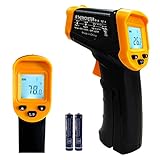
Pro-Tip: Ganache piped warmer than 30°C will melt your thin chocolate shell, while ganache piped below 26°C becomes too stiff to self-level; monitor with an infrared digital thermometer for a crisp, professional snap.

2. Salted Vanilla Bean Caramel Bonbons

Pin this liquid caramel bonbon pairing idea to your specialty coffee treats board!
Salted Vanilla Bean Caramel Bonbons balance medium roast pour-over acidity beautifully. Creating artisanal chocolate bonbons with liquid caramel and coffee requires cooking a stable, flowing center that stays fluid inside a rigid, smooth chocolate shell.
When you pair these, the lactic sweetness of the cooked milk solids softens high-citric coffees like washed Kenyan or Ethiopian lots. To achieve the perfect texture when you pour ganache or caramel, you must monitor the Maillard reaction threshold. Heating the sugar precisely to 118°C prevents the caramel from hardening into a chewy candy that would ruin the delicate cacao flavor notes.
Ingredients
- 300g tempered dark chocolate (58% cacao dark milk couverture)
- 150g granulated cane sugar
- 120g heavy whipping cream
- 1 whole Madagascar vanilla bean (split and scraped)
- 40g unsalted cultured butter
- 3g Maldon flaky sea salt
- 30g light glucose syrup (stabilizes fluid texture)
Instructions
- Prepare and cast thin chocolate shells in polycarbonate dome molds using tempered 58% chocolate, following standard casting procedures.
- Simmer heavy cream, scraped vanilla pod, and seeds in a small heavy-bottomed saucepan; remove from heat to infuse for 15 minutes.
- Combine granulated sugar, glucose syrup, and 30ml water in a copper pan over medium heat; boil without stirring until it reaches a deep amber color (175°C).
- Strain the warm vanilla cream slowly into the boiling caramel while whisking vigorously to avoid thermal shock.
- Cook the bubbling mixture until a candy thermometer reads exactly 116°C (soft, flowing caramel stage), then remove from heat.
- Whisk in cold butter cubes and flaky sea salt until homogeneous and silky.
- Cool the caramel completely to 27°C before transferring into a disposable pastry piping bag.
- Pipe into the set chocolate shells, leaving 2mm headspace, and cap with tempered chocolate before resting overnight at 16°C.
Pro-Tip: Never pipe caramel above 29°C into tempered shells; even a two-degree overshoot will soften the cocoa butter crystals in your shell, creating unsightly gray bloom and sticky leaks.
3. Roasted Hazelnut Gianduja Praline Bonbons

Save this crispy hazelnut gianduja bonbon recipe to your weekend baking and coffee board!
Roasted Hazelnut Gianduja Praline Bonbons complement nutty flat whites and lattes perfectly. These dark milk chocolate bonbons featuring deep toasted cacao and coffee create a nutty, textured praline filling that marries beautifully with steamed milk drinks.
The rich hazelnut oils interact seamlessly with milk proteins to mirror the caramelized notes found in textured espresso beverages. To maintain a crunchy, velvety texture inside the rich dark chocolate shell, you must prevent lipid migration. Using pre-crystallized cocoa butter when blending your nut pastes stops the interior from turning mushy after you pipe filling into the molds.
Ingredients
- 300g tempered dark chocolate (66% Caribbean single-origin couverture)
- 160g Piedmont hazelnut paste (100% pure roasted hazelnut)
- 100g 40% milk chocolate couverture (melted to 35°C)
- 30g pure cocoa butter (melted and tempered)
- 40g crushed pailleté feuilletine (caramelized wafer crunch)
- 2g fine sea salt
Instructions
- Coat faceted diamond chocolate molds with tempered 66% dark chocolate; shake out excess to create thin shells and allow to crystallize at 17°C.
- In a stainless bowl, combine pure roasted hazelnut paste with melted 40% milk chocolate and melted cocoa butter.
- Stir vigorously with a silicone spatula until the mixture forms a smooth, homogenous gianduja paste.
- Cool the gianduja paste to 25°C, then gently fold in the crushed pailleté feuilletine and fine sea salt, ensuring the flakes remain unbroken.
- Transfer the mixture to a piping bag fitted with a wide round nozzle.
- Pipe the hazelnut mixture into the prepared chocolate shells, leaving 1.5mm space at the top.
- Tap the mold gently against the counter to settle the textured filling and expel trapped air bubbles.
- Seal the molds with tempered 66% chocolate using an offset spatula, chill at 12°C for 25 minutes, then unmold onto parchment.
Pro-Tip: Always coat feuilletine wafers in a thin layer of melted cocoa butter before folding into gianduja; this creates an impermeable moisture shield that keeps the crunch crisp for weeks.

4. Tahitian Vanilla Bean White Chocolate Ganache Bonbons

Pin this elegant white chocolate vanilla bonbon recipe to your dessert boards!
Tahitian Vanilla Bean White Chocolate Bonbons offset bright, washed Ethiopian coffees effortlessly. Using natural cacao butter creates a luxurious, creamy coffee filling without the cloying sweetness often associated with cheap white candy.
When you melt couverture for this sweet pairing, you must select high-quality non-deodorized cocoa butter. This specific fat profile mellows the sharp, punchy citric acidity of Nordic-style light roast coffees. Managing fat-phase stability is crucial when preparing low-sugar ganaches, as controlling the water activity prevents the bonbons from expiring prematurely.
Ingredients
- 300g tempered dark chocolate or high-cocoa white chocolate (34% cocoa butter minimum)
- 180g premium 34% white couverture buttons (such as Valrhona Opalys or Callebaut W2)
- 80g heavy cream (38% milk fat)
- 1 whole Tahitian vanilla bean (floral aromatic profile)
- 20g glucose syrup
- 25g unsalted butter (softened at 20°C)
Instructions
- Cast the shells using tempered dark or tinted white chocolate in polished oval molds, scraping flush and crystalizing at 16°C.
- Split the Tahitian vanilla bean lengthwise, scrape the aromatic paste into the cream, and bring to a simmer with glucose syrup.
- Cover the saucepan with plastic wrap and steep off the heat for 20 minutes to capture delicate aromatic volatiles.
- Reheat the cream infusion to 60°C, strain over partially melted white chocolate couverture, and let rest for 60 seconds.
- Emulsify with an immersion blender moving in tight circular motions from the center outward until glossy and uniform.
- When the ganache cools to 33°C, blend in the softened butter until fully integrated.
- Allow the ganache to reach 26°C, then pipe directly into the prepared shells, stopping 2mm below the rim.
- Let the filled molds sit overnight in an air-conditioned room (18°C) to form a delicate protective skin before capping with tempered chocolate.
Pro-Tip: Tahitian vanilla features floral anisic aldehydes that highlight light roasts, unlike Madagascar Bourbon vanilla which contains vanillin notes that better suit dark, smoky beans.

5. Cardamom Spiced Dark Milk Chocolate Bonbons

Save this warming cardamom spiced bonbon recipe to your holiday and coffee bar boards!
Cardamom Infused Dark Milk Bonbons enhance spiced pour-overs and robust Turkish coffee. Infusing botanical spices into high-cacao milk chocolate elevates these cacao and coffee confections beyond standard flavors.
The herbal terpenes found in green cardamom effectively cut through the heavy body and sediment common in immersion brewing methods. When you polish molds and prepare the infusion of roasted coffee or spices, you must maintain precise spice-to-lipid ratios. Using cracked whole pods rather than ground powder ensures you preserve the volatile essential oils without turning the ganache gritty.
Ingredients
- 300g tempered dark chocolate (55% dark milk couverture)
- 10g whole green cardamom pods (cracked lightly to expose inner black seeds)
- 130g heavy cream (36% butterfat)
- 170g 55% dark milk chocolate couverture (chopped)
- 15g honey or trimoline
- 30g European butter (unsalted, room temperature)
Instructions
- Polish molds with micro-fiber cloth and cast thin shells using tempered 55% dark milk chocolate; allow to set completely at 18°C.
- Crack cardamom pods in a mortar and pestle, toast briefly in a dry pan for 45 seconds until fragrant, then add to heavy cream and honey.
- Bring cream to a gentle simmer, cover tightly, and allow the pods to infuse for 30 minutes off the flame.
- Strain the hot infused cream through a fine chinois, pressing the pods gently with a ladle to extract essential oils, then re-weigh and top with cream to 130g.
- Reheat the spiced cream to 65°C and pour over the melted 55% dark milk couverture.
- Emulsify using an immersion blender, working until the ganache forms a shiny, elastic center core.
- Once the ganache cools to 34°C, blend in butter until fully smooth.
- Cool to 28°C, pipe into the shells, let settle for 4 hours, and seal the bases with tempered chocolate.
Pro-Tip: Ground cardamom leaves harsh, astringent grains that irritate the palate; always crack whole pods and strain thoroughly through a 50-mesh sieve for a silky ganache.

6. Single-Origin Cacao Nib & Smoked Sea Salt Bonbons

Pin this smoky single-origin bonbon recipe to your cold brew and coffee pairings board!
Crisp Cacao Nib & Smoked Sea Salt Bonbons elevate chilled cold brew concentrates significantly. Creating a textural, single origin chocolate bonbon perfectly contrasts the mellow sweetness and notoriously low acidity found in cold brew coffee.
Smoked mineral salts activate salivary amylase in the mouth, which intensifies the fruity and woodsy volatile compounds in the chocolate. As you roast cacao nibs to add a satisfying crunch, you reinforce the rigid snap chocolate exterior. Knowing the origin characteristics, such as Madagascar’s bright berry notes versus Ecuadorian earthy profiles, helps you source professional-grade ingredients.
Ingredients
- 320g tempered dark chocolate (70% Madagascar single-origin couverture with natural red berry notes)
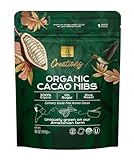
- 40g roasted cacao nibs (lightly crushed)
- 120g heavy cream (36% fat)
- 150g 70% dark chocolate (for ganache base)
- 25g inverted sugar
- 3g applewood smoked sea salt flakes (finely crushed)
- 25g unsalted butter
Instructions
- Line the cavities of rectangular bonbon molds with tempered 70% dark chocolate to build shells with a defined snap chocolate exterior.
- Roast raw cacao nibs on a baking tray at 140°C for 10 minutes; cool completely and toss with a pinch of smoked sea salt.
- Bring heavy cream and inverted sugar to 75°C in a saucepan.
- Pour the hot cream over the 150g dark chocolate, resting for 2 minutes before blending until glossy.
- Fold in soft butter when the mixture cools to 35°C, followed by half of the salted cacao nibs to preserve crunch.
- Pipe the textured ganache into the chocolate shells at 28°C, leaving 2mm headroom.
- Sprinkle the remaining salted cacao nibs across the exposed ganache surface before capping.
- Seal with the remaining tempered 70% couverture, scrape clean, and chill at 15°C for 30 minutes until the bonbons unmold effortlessly.
Pro-Tip: High-fat chocolate ganaches absorb smoke aromas quickly; fold smoked salt into the ganache at the very end of cooling to prevent the delicate wood smoke aroma from evaporating.
7. Cinnamon Spiced Bourbon Ganache Bonbons

Save this bourbon and cinnamon dark chocolate bonbon recipe to your holiday entertaining board!
Orange Blossom & 72% Single-Origin Bonbons (or Bourbon infused variations) highlight floral and robust coffee notes brilliantly. Crafting these bourbon bonbons requires mastering spirit-infused chocolate emulsions so you retain liquor aromatics without breaking the ganache or causing shell leakage.
Adding high-proof spirits creates the ultimate luxury chocolate gift. The key to protecting the delicate emulsion structure lies in temperature control. You must keep the mixture under 28°C when you introduce the bourbon. Complement this rich center with a glossy hand-painted finish on the exterior mold for true artisanal appeal.
Ingredients
- 300g tempered dark chocolate (60% dark couverture)
- 140g dark chocolate (60% chips for ganache)
- 90g heavy cream (36% fat)
- 1 stick Ceylon cinnamon (gently crushed)
- 25g high-proof Kentucky straight bourbon (warm vanilla and oak profile)
- 15g inverted sugar
- 20g cultured butter (room temperature)
- Colored cocoa butter (gold and red) for mold decoration
Instructions
- Splatter tempered colored cocoa butter inside clean dome molds using a pastry brush, then cast thin shells with tempered 60% dark chocolate.
- Heat cream, crushed Ceylon cinnamon stick, and inverted sugar to 80°C; remove from heat, cover, and steep for 25 minutes.
- Strain cream back into the saucepan, bring to 60°C, and pour over the 140g dark chocolate chips.
- Whisk by hand until a glossy emulsion forms, then allow the temperature to drop to 28°C.
- Slowly fold the room-temperature Kentucky bourbon and softened butter into the ganache, using an immersion blender to ensure a tight emulsion.
- Verify the finished ganache temperature is between 26°C and 27°C before filling the shells.
- Pipe into chocolate shells, leaving a 1.5mm gap below the mold edge.
- Let the shells rest for 6 hours in a cool, dry room (17°C) before capping with tempered chocolate and unmolding.
Pro-Tip: Adding liquor to ganache over 30°C flashes off the volatile ethanol notes and breaks the fat-liquid balance; wait until the ganache hits 28°C before slowly whisking in bourbon.

Key Takeaways: Your Quick Guide to Delicious Chocolate Bonbons for Coffee Lovers
If you want to create or select the ultimate signature coffee bonbons, you must understand the relationship between shell structure, ganache temperature, and coffee acidity. Whether you are treating yourself or gifting coffee lovers chocolate, keep these professional culinary standards in mind.
- Match Coffee Acidity with Cacao Percentages – Bright, floral light roasts pair best with white chocolate or fruited dark chocolates (64%-70%), while heavy, earthy dark roasts require milk chocolate or nutty gianduja bonbons to soften bitter roast notes.
- Master Shell Thickness for Optimal Snap – A professional smooth chocolate shell should measure between 1.0mm and 1.5mm; shells that are too thick overpower the delicate mouthfeel of the coffee, while shells that are too thin crack during capping.
- Control Ganache Temperature Rigorously – Always pipe fillings between 26°C and 28°C. Piping above 30°C melts the tempered shell’s crystalline structure, causing cocoa butter bloom and leaking centers.
- Prevent Moisture Seizure in Espresso Ganache – Emulsify water-based espresso extractions into high-fat chocolate using high-butterfat cream and inverted sugars to avoid grainy texture and broken emulsions.
- Preserve Gloss Through Precision Storage – Store finished artisan bonbons between 14°C and 18°C (57°F-64°F) with relative humidity below 50%; never refrigerate unprotected confections, as condensation causes sugar bloom.
- Leverage Polymorphic Crystallization – Ensure your couverture chocolate reaches the Form V (Beta) crystalline state during tempering to guarantee a clean audible snap, glossy mirror finish, and resistance to finger melting.
- Serve at Room Temperature for Maximum Flavor Release – Always allow bonbons to sit at 20°C (68°F) for twenty minutes before tasting; cold cocoa butter masks subtle coffee aromatics on the palate.
FAQs About Delicious Chocolate Bonbons for Coffee Lovers
Crafting and storing delicate confections often raises technical questions for both buyers and bakers. By addressing these empirical confectioner data points, you can avoid common pitfalls and elevate your culinary experience.
What are chocolate bonbons?
Chocolate bonbons are molded or dipped bite-sized confections composed of a thin chocolate exterior shell enclosing a soft center such as ganache, caramel, fruit paste, or praline. Unlike solid chocolate bars, bonbons combine a distinct snap exterior with a creamy, textured, or liquid interior designed to melt at body temperature. Professional chocolatiers use polished polycarbonate molds to achieve their signature mirror-like gloss and geometric shapes.
How to pair chocolate bonbons with coffee?
Pair chocolate bonbons with coffee by matching flavor intensities, using nutty or sweet milk chocolate bonbons to balance bitter dark roasts, and fruit-forward dark bonbons to complement bright light roasts. Sip the hot coffee first to warm your palate, take a bite of the bonbon, and allow the melting cocoa butter to meld with the lingering coffee oils. This creates a balanced finish that highlights the tasting notes of both bean varieties.
What is the difference between a truffle and a bonbon?
The primary difference is structure: a bonbon features a molded chocolate shell containing various fillings, whereas a truffle consists of a firm ganache ball rolled in cocoa powder, nuts, or tempered chocolate. Bonbons require rigid polycarbonate molds, precise shell casting, and capping steps. Truffles are hand-rolled or piped into rustic, spherical shapes named after their physical resemblance to subterranean truffle mushrooms.
Which coffee roast goes best with dark chocolate bonbons?
Light to medium roast coffees go best with dark chocolate bonbons because their natural acidity and floral, berry tasting notes cut through the deep cacao intensity. For example, an Ethiopian Yirgacheffe pour-over brings out the citrus and red-fruit notes in a 70% single-origin dark chocolate bonbon, whereas a dark roast coffee can double down on astringency and overwhelm the palate.
Can you put espresso inside a chocolate bonbon?
Yes, you can incorporate fresh espresso into a chocolate bonbon by emulsifying it into a cream ganache or by cooking it into a stabilized liquid caramel. Pouring straight liquid espresso into a chocolate shell is unworkable because the water content dissolves sugar crystals in the shell, resulting in structural collapse and leaking within hours. Blending espresso into a fat base prevents this breakdown.
How to store handmade chocolate bonbons?
Store handmade chocolate bonbons in a cool, dry environment between 14°C and 18°C (57°F to 64°F) with relative humidity under 50%, away from direct sunlight and strong odors. Never place artisan bonbons directly in a household refrigerator without an airtight container; moisture causes sugar bloom (dull white graininess), while cocoa butter readily absorbs ambient food odors from nearby items.
What is couverture chocolate used in bonbons?
Couverture chocolate is high-grade chocolate containing a minimum of 31% cocoa butter, which delivers superior fluidity for casting thin shells and produces a high-gloss finish. Standard baking chocolate or grocery chips contain less fat and often substitute vegetable oils for cocoa butter. This makes regular chocolate too viscous for molding and incapable of achieving the clean snap required for artisan confectionery.
Why do artisan bonbons have a shiny finish?
Artisan bonbons achieve a shiny finish through proper chocolate tempering, which forms stable Form V (Beta) cocoa butter crystals, and by casting into polished polycarbonate molds. When tempered chocolate cools and contracts against the frictionless plastic surface of the mold, it takes on the glass-smooth texture of the cavity. Molds must be buffed clean with cotton pads to ensure this mirror shine.
How long do fresh chocolate bonbons last?
Fresh artisan chocolate bonbons made with real cream and butter typically last between two and four weeks when stored at proper cellar temperatures. Bonbons filled with water-based ingredients or low-sugar ganaches have shorter shelf lives due to moisture activity, whereas bonbons made with solid nut pralines or high-sugar caramels can keep fresh for two to three months.
How to temper chocolate for bonbons at home?
Temper chocolate at home by melting couverture to 45°C–50°C, cooling it to 27°C while stirring in un-melted chocolate seeds to introduce stable crystals, then gently reheating to 31°C–32°C. This seeding technique realigns the polymorphic fatty acids in cocoa butter into the stable Form V configuration. This process prevents dull gray streaks, ensures a clean snap, and allows the chocolate to contract cleanly from the mold.
Final Thoughts on Delicious Chocolate Bonbons for Coffee Lovers
The journey of pairing specialty coffee confections with your morning brew transforms a simple habit into an elevated daily ritual. Both specialty coffee and artisan chocolate share incredible similarities. They rely on ethical agricultural origins, precise fermentation processes, and meticulous roasting profiles to develop their rich flavors.
When a home confectioner crafts delicious chocolate bonbons for coffee lovers, they bridge these two incredible worlds. Mastering kitchen temperature control—from brewing your espresso at the perfect heat to tempering your couverture chocolate precisely—is deeply rewarding. What is your favorite roast and ganache pairing combination? Exploring these intricate flavors ensures your daily coffee break remains an extraordinary experience throughout November 2026 and beyond.
Last update on 2026-10-31 / Affiliate links / Images from Amazon Product Advertising API
