
As an Amazon Associate CoffeeXplore.com earns from qualifying purchases.
Coffee Station Ideas With Sink: 9 Space-Saving DIY Builds
Tired of bumping elbows by the main kitchen sink every morning? The lack of counter space creates a frustrating daily bottleneck for busy households. Implementing practical coffee station ideas with sink layouts solves this chaotic morning struggle permanently.
A coffee station with a sink, also known as a wet coffee bar, requires dedicated plumbing for water supply and drainage. While it demands an initial investment in routing water lines, it significantly reduces kitchen congestion, frees up primary counter space, and creates a highly functional, self-contained beverage prep area. This setup eliminates messy cross-kitchen travel with dripping portafilters.
Drawing from comprehensive analysis of current building code compliance and proven water damage prevention strategies, we isolated the most effective layouts. As of October 2026, these nine space-saving DIY builds will transform your cramped kitchen into a highly functional barista corner. Discover how to execute these aesthetic upgrades safely while permanently elevating your perfect morning routine.
Building a dedicated home coffee bar is the ultimate upgrade for homeowners seeking the perfect beverage prep environment. Transitioning from a crowded kitchen corner to a dedicated wet coffee bar solves the fundamental problem of competing for the main sink during your morning rush. Whether you are exploring layouts that require custom cabinetry, or you need renter-friendly alternatives, understanding the mechanical requirements is absolutely essential for success.
Adding plumbing involves routing water supply lines and ensuring proper drainage pitch, which requires careful planning and strict adherence to safety standards. By evaluating your available counter space, budget constraints, and DIY experience level, you can select a design that beautifully elevates your daily routine while safely incorporating essential water features. Let’s explore these nine actionable builds to find your ideal match.
Contents
show
1. Install an Espresso Prep Bar With Integrated Cup Rinser

Pin this genius cup rinser hack to your “Dream Kitchen” board!
Adding a cup rinser to a home espresso prep bar involves plumbing a high-pressure stainless steel actuator next to a small bar sink. This professional upgrade instantly cleans milky frothing pitchers and shot glasses, eliminating the need to walk dripping tools across the kitchen.
This upgrade transforms a standard setup into a professional barista workflow. When you add a cup rinser, you drastically reduce the friction of pulling back-to-back shots. Instead of letting stubborn milk residue harden in your expensive pitchers, a quick downward press on the actuator blasts the mess away instantly. It pairs perfectly with any high-end espresso machine and keeps your essential barista tools pristine.
Materials Needed
- Heavy-duty stainless steel glass rinser with actuator plate
- Small bar sink (minimum 15 inches wide)
- Braided stainless steel water supply line adapter (3/8 inch tee fitting)
- Silicone sealant for water-tight installation
- High-quality espresso machine
Step-by-Step Directions
- Measure the counter space next to your espresso machine, leaving at least 6 inches of clearance for the pitcher rinser installation.
- Drill a standard 1.5-inch hole into your countertop if your bar basin doesn’t already have a dedicated accessory hole.
- Connect the provided tee adapter to your hot or cold water supply line directly under the sink.
- Route the braided hose securely from the tee connector up to the rinser shank.
- Install the rinser unit, ensuring the drainage spout angles perfectly over the edge of your sink, and secure it tightly with the mounting nut.
Pro-Tip: When planning a pitcher rinser plumbing setup, always connect it to the hot water line; the elevated temperature is far more effective at dissolving stubborn milk fats from your frothing pitchers than standard cold water.


2. Build a DIY Mobile Sink Coffee Cart For Renters

Save this renter-friendly mobile sink idea for your next weekend project!
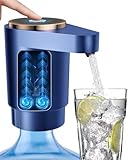
You can successfully build a mobile sink for a coffee bar by installing a drop-in basin, an electric water pump, and hidden fresh and gray water jugs inside a rolling cart. This self-contained setup provides full wet bar functionality without requiring permanent plumbing modifications or risking lease violations.
A DIY mobile sink is a brilliant, cost-effective workaround for apartment dwellers. This standalone water dispenser setup requires absolutely zero wall destruction or pipe cutting. If you have been wondering if you can have a mobile sink for a coffee bar, this battery-operated approach proves it’s entirely possible and highly practical for daily use.
Materials Needed
- Rolling kitchen island or sturdy bar cart
- Small drop-in stainless steel basin
- USB-rechargeable electric water bottle pump (faucet style)
- Two 5-gallon water jugs (one for fresh water, one for gray water)
- Flexible plastic drain tubing
- Hole saw drill bit
Step-by-Step Directions
- Cut a precise hole in the top of your rolling cart corresponding to the dimensions of your drop-in basin using a jigsaw.
- Mount the basin into the cart and seal the edges heavily with clear silicone to prevent water damage to the wood surface.
- Install the USB-rechargeable water pump on the counter, feeding its silicone intake hose directly down into the fresh water 5-gallon jug stored in the lower cabinet.
- Attach the flexible drain tubing securely to the bottom of your sink basin.
- Route the drain tubing straight into the empty gray water jug, ensuring a tight fit to prevent accidental spills during your morning routine.
Pro-Tip: To ensure optimal water damage prevention in a DIY mobile sink setup, always add a generous splash of white vinegar to your gray water catch tank. This neutralizes foul odors and actively inhibits bacterial growth between routine empties.
3. Hide Messy Cords with a Plumbed Appliance Garage

Love a clutter-free kitchen? Pin this appliance garage idea!
A plumbed appliance garage is a specialized kitchen cabinet featuring a rolling tambour door that conceals built-in coffee makers and small prep sinks. This clever design effectively hides messy cords and bulky appliances while keeping them fully plugged in and plumbed for immediate use.
If you want to hide coffee appliances, an appliance garage provides the ultimate minimalist solution. It integrates your favorite equipment behind beautiful custom cabinetry. By keeping the doors closed when not in use, you eliminate visual clutter while maintaining the supreme convenience of built-in coffee makers with hidden plumbing.
Materials Needed
- Pre-made or custom tambour track kit (appliance garage door)
- Small coffee station with sink basin (under-mount preferred)
- Moisture-resistant cabinet liner
- GFCI-rated electrical outlets
- Plumber’s tape and standard drain kit
- Cord organizers and zip ties
Step-by-Step Directions
- Design your custom cabinetry layout, ensuring the appliance garage sits directly over the section of counter where your water supply lines are safely routed.
- Install the tambour door track system smoothly along the inside edges of the upper cabinets above your counter.
- Mount GFCI-rated electrical outlets horizontally along the back wall of the enclosure to power your grinder and espresso machine safely.
- Plumb the small basin into the countertop inside the garage footprint, connecting it firmly to the main kitchen drain line below.
- Organize and bundle all machine cables using high-quality cord organizers, securing them tightly to the back wall so they don’t interfere with the rolling garage door track.
Pro-Tip: According to safety standards for wet areas, any electrical outlet placed inside an appliance garage near a water source must be a GFCI receptacle. Furthermore, you should install a small ventilation vent at the top of the cabinet to release damaging steam from your coffee maker.

4. Transform a Pantry Into a Wet Coffee Nook

Turn that awkward pantry space into a coffee oasis! Save this to your remodel board.
You can easily put a coffee station in a pantry by removing waist-height shelving, installing a butcher block counter, and routing PEX water lines through the adjoining walls. This transforms an overlooked storage closet into a dedicated coffee station with a sink while keeping the main kitchen completely clear.
Transforming unused countertops into a coffee nook often means looking at adjacent rooms for inspiration. A converted walk-in pantry provides the perfect footprint. Because pantries usually share a wall with the kitchen, routing hidden water lines is surprisingly straightforward. Adding custom storage drawers beneath the counter keeps your coffee pods perfectly organized.
Materials Needed
- Narrow trough sink or small bar basin
- Custom butcher block countertop cut to pantry dimensions
- PEX water supply tubing and SharkBite fittings
- PVC drain pipes and traps
- Heavy-duty drawer slides for coffee pod storage
- LED puck lights for under-shelf illumination
Step-by-Step Directions
- Clear the existing pantry shelving entirely at waist height to make adequate room for your new butcher block countertop.
- Route the flexible PEX water lines from the nearest bathroom or kitchen source directly through the drywall into the pantry space.
- Cut the butcher block to seamlessly accommodate your sink, sealing the exposed wood grain heavily with a premium waterproof finish.
- Install the sink and connect the drain; you may need to tap into a basement or crawlspace drain line to ensure a proper gravity pitch.
- Mount bright LED puck lights beneath the remaining top pantry shelves to properly illuminate your new barista corner.
Pro-Tip: If you are tapping into existing plumbing to feed a pantry sink, understanding proper drain line pitch is critical. The horizontal drain pipe must slope downward at a minimum of 1/4 inch per foot to ensure water flows efficiently to the main sewer line without backing up.

5. Mount a Modern Minimalist Floating Shelf Station

Minimalist perfection! Pin this floating shelf setup for aesthetic inspiration.
To build a modern minimalist coffee bar with a sink, safely install floating shelves using heavy-duty steel brackets anchored directly into wall studs. This open-concept design visually opens up the room while keeping essential beans and barista tools beautifully displayed above the prep basin.
When you thoughtfully install floating shelves, you instantly elevate the visual appeal of the room. A beautiful coffee station + floating shelves combination defines the modern minimalist coffee bar with sink aesthetic. By placing heavy glass canisters full of coffee beans directly over the prep zone, you maximize vertical storage without making the kitchen feel cramped or enclosed.
Materials Needed
- Thick, solid wood shelf planks (oak or walnut)
- Heavy-duty hidden floating shelf brackets (steel rods)
- Stud finder and power drill
- Level and measuring tape
- Modern coffee station with sink fixture (matte black)
- Glass canisters for aesthetically pleasing bean storage
Step-by-Step Directions
- Locate and distinctly mark the wall studs directly above your coffee bar counter with sink using a high-quality electronic stud finder.
- Measure and mark a perfectly level horizontal line for your bracket placement, ensuring adequate clearance above your tallest coffee maker.
- Drill deep pilot holes directly into the center of the studs and mount the heavy-duty steel bracket rods securely.
- Slide the routed wood planks firmly onto the steel rods until they sit perfectly flush against the drywall.
- Style the shelves symmetrically with your glass bean canisters, ceramic mugs, and trailing plants, keeping the heaviest items directly over the bracket anchor points.
Pro-Tip: Do not rely on standard drywall anchors for a modern minimalist coffee bar display. A collection of thick ceramic mugs and full bean canisters can easily exceed 40 pounds; missing a stud compromises the structural integrity and risks a dangerous collapse over your expensive espresso gear.

6. Integrate a Coffee and Wine Bar Combo

AM to PM perfection. Pin this dual-purpose beverage station idea!
A dual-purpose coffee and wine bar with a sink maximizes home entertainment value by pairing a front-venting built-in mini fridge with countertop espresso gear. This hybrid beverage center transitions seamlessly from morning caffeine routines to elegant evening hosting in one consolidated space.
To effectively integrate a mini fridge into your wet bar, you must plan your base cabinets carefully. Designing a coffee bar with fridge and sink ensures you always have chilled milk ready for your milk frother. This sophisticated coffee and wine bar with sink approach centralizes all your beverage needs, making it the ultimate entertaining upgrade for dining rooms or finished basements.
Materials Needed
- Dual-zone under-counter beverage cooler/mini fridge
- Base cabinets with a pre-measured 15-inch or 24-inch opening
- Under-mount sink and elegant high-arc faucet
- Jigsaw or circular saw for cabinet modification
- Stemware racks for hanging wine glasses
- Proper electrical outlet layout
Step-by-Step Directions
- Design your base cabinet layout to leave an exact, squared opening for your chosen built-in mini fridge model.
- Install a dedicated 15-amp electrical outlet inside the cavity to safely handle the compressor load of the refrigeration unit.
- Plumb the sink setup directly above the adjacent cabinet, keeping the messy drain lines entirely clear of the fridge enclosure.
- Slide the beverage cooler smoothly into place, ensuring it is explicitly a “front-venting” model designed specifically for built-in applications.
- Mount the stemware racks securely under the upper cabinets to hold wine glasses, leaving the counter completely free for your espresso machine.
Pro-Tip: When planning a coffee bar with fridge and sink, never install a standard freestanding dormitory mini-fridge inside custom cabinetry. You must use a front-venting built-in unit; otherwise, the trapped compressor heat will cause the unit to overheat and fail prematurely.

7. Maximize a Small Corner with a Trough Sink

Got an awkward kitchen corner? Save this space-saving sink solution!
You can easily make a coffee station in a small kitchen by installing an ultra-narrow stainless steel trough sink into a wedge-shaped corner countertop. These space-saving corner sinks leave the front of the counter wide open for compact espresso machines while still providing full washing capabilities.
When exploring how to make a coffee station in a small kitchen, creative geometry is your best friend. A beautifully designed small coffee station with sink easily fits in unused corners. Utilizing a narrow trough sink reclaims dead space and provides a stylish home for your coffee pods without eating into your precious primary kitchen prep zones.
Materials Needed
- Ultra-narrow stainless steel trough sink (typically 7-9 inches wide)
- Custom-cut corner countertop (wedge shape)
- Compact single-handle bar faucet
- Low-profile drain assembly and P-trap
- Silicone caulk and caulk gun
- Compact espresso maker or pod machine
Step-by-Step Directions
- Measure your dead kitchen corner thoroughly, ensuring you have at least 18 inches of depth from the front edge to the back wall intersection.
- Cut the template hole for your narrow trough sink as close to the back corner as structurally possible, leaving the front wide open for your coffee maker.
- Install the compact single-handle faucet, verifying that the handle swing does not hit the adjacent backsplash walls when turned to hot.
- Drop the trough sink carefully into the counter, sealing the perimeter meticulously with premium waterproof silicone.
- Connect the low-profile drain assembly underneath, routing it safely to your main kitchen waste line.
Pro-Tip: Because trough sinks are notoriously shallow, you must carefully manage your flow rate management at the supply valves. Turn the water pressure down slightly beneath the sink to prevent the high-arc faucet from splashing water violently out of the narrow basin when turned on full blast.

8. Create a Farmhouse Style Setup with a Copper Sink

Rustic charm meets modern convenience. Pin this gorgeous copper sink setup!
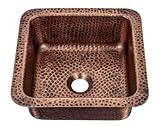
To design a farmhouse style coffee station with a copper sink, pair a hand-hammered drop-in basin with heavily sealed reclaimed wood countertops and an oil-rubbed bronze faucet. This creates a highly durable, rustic aesthetic that safely handles daily water exposure while acting as a visual centerpiece.
When you design a wet bar with a heavily rustic vibe, authentic materials matter immensely. Deciding between custom cabinets vs pre-made for coffee bars will dictate how seamlessly your farmhouse style coffee station with copper sink integrates into the home. Combining a beautifully patinated copper sink with custom millwork creates an undeniably cozy atmosphere.
Materials Needed
- Small hand-hammered copper drop-in bar sink
- Oil-rubbed bronze or matte black bar faucet
- Reclaimed wood countertop slab
- High-grade marine polyurethane or tung oil finish
- White shiplap boards for the backsplash
- Vintage-style coffee accessories
Step-by-Step Directions
- Sand your reclaimed wood slab perfectly smooth and apply at least four coats of marine-grade polyurethane to completely waterproof the porous grain.
- Nail the white shiplap boards horizontally along the back wall to firmly establish the highly sought-after aesthetic vibe.
- Drop the hammered copper sink gently into the sealed wood counter, taking extreme care not to scratch the delicate exterior patina.
- Install the oil-rubbed bronze faucet, pairing it thoughtfully with matching dark cabinet hardware on the drawers below.
- Style the counter beautifully with neutral ceramic mugs, a vintage coffee grinder, and woven storage baskets to complete the rustic look.
Pro-Tip: Authentic copper sinks feature a “living finish” that intentionally changes over time. To protect your high-end farmhouse investment, never use harsh abrasive chemicals or acidic cleaners (like spilled lemon juice or heavy espresso machine descalers) directly in the sink, as it will strip the natural patina.
9. Build a Master Bedroom Built-In Espresso Center

Start your morning without leaving the bedroom! Pin this luxury build.
You can easily put a wet bar in a master bedroom by framing a small alcove and tapping into the adjoining master bathroom’s water lines. A master bedroom coffee station with a small sink provides the ultimate morning luxury, allowing you to pull fresh espresso without walking downstairs.
To securely route plumbing for espresso machine use upstairs, you must employ professional-grade fittings and leak prevention strategies. Integrating built in coffee makers directly into your closet or suite walls creates a high-end master bedroom coffee station with small sink. This indulgent setup pairs perfectly with an advanced water filtration system to protect your expensive equipment.
Materials Needed
- Direct-plumb capable espresso machine (rotary pump preferred)
- 3/8 inch John Guest fittings and braided water lines
- Inline water filtration system (scale inhibiting)
- Custom alcove cabinetry integrated into bedroom walls
- Small prep sink and faucet
- Backflow preventer installation valve
Step-by-Step Directions
- Frame a small, reinforced alcove into your master bedroom wall or closet space, ensuring there is a clear path to run plumbing from the adjacent master bathroom.
- Install the inline water filtration system safely beneath the counter to protect your expensive espresso boiler from destructive mineral scale.
- Route the filtered water line directly to the intake valve of your rotary pump espresso machine using heavy-duty 3/8 inch John Guest fittings.
- Connect the machine’s drip tray drain hose directly to the under-sink PVC drain to completely eliminate the need to empty dirty water trays manually.
- Add soft, dimmable overhead task lighting to the alcove so you can comfortably pull your morning shot without waking your partner.
Pro-Tip: If you are tackling a direct plumb rotary pump machines installation in a bedroom, you absolutely must install a high-quality water pressure regulator and an electronic leak detector with an automatic shut-off valve. A burst line in a kitchen is bad; a burst line over master bedroom carpeting is a disaster.
- Assess Your Plumbing Proximity First: Before starting your coffee station ideas with sink project, critically evaluate how close you are to existing water lines; tapping into adjacent kitchen or bathroom pipes drastically reduces overall installation costs.
- Incorporate Dedicated Cup Rinsers: Upgrading your standard bar sink with a high-pressure stainless steel glass rinser is the ultimate workflow hack for quickly and easily cleaning milky frothing pitchers and favorite mugs.
- Solve the Cord Clutter with Appliance Garages: Utilizing custom cabinetry equipped with tambour doors effectively conceals bulky machines and messy cords, keeping your aesthetic clean while seamlessly retaining full wet-bar functionality.
- Prioritize Front-Venting Mini Fridges: When seamlessly integrating a coffee bar with fridge and sink, you must use specifically designed built-in, front-venting refrigeration units to permanently prevent dangerous compressor overheating inside closed custom cabinets.
- Mandatory GFCI Electrical Safety: Due to the inherent proximity of running water to high-powered electrical appliances, adhering to strict building code compliance by installing GFCI-rated outlets is absolutely non-negotiable for family safety.
- Protect Direct-Plumbed Machines: If you are routing your home’s water directly into an espresso machine, always install a professional inline water filtration system to actively prevent costly mineral scale buildup inside the delicate boiler.
- Consider Mobile Alternatives for Renters: If hard-plumbing simply isn’t an option for your space, constructing a clever DIY mobile sink using a rechargeable water pump and hidden jugs offers the profound convenience of a wet bar without breaking your lease.
Do you really need a sink in a coffee station?
While not strictly mandatory, adding a sink to a coffee station transforms it from a simple storage area into a highly efficient, self-contained prep zone. Having immediate access to water and milk aggressively prevents the constant back-and-forth trips to the main kitchen sink. It dramatically streamlines your perfect morning routine, actively keeps messy coffee grounds out of your main food prep areas, and makes cleaning espresso portafilters and frothing pitchers significantly easier.
How much does a coffee station with sink cost?
A custom coffee station with a sink typically costs between $1,500 and $4,500, depending heavily on complex plumbing requirements and premium cabinet finishes. If you are simply adding a small bar sink near existing water lines during a broader kitchen remodel, construction costs remain surprisingly low. However, running brand new plumbing across a house, buying custom cabinetry, and hiring a licensed professional can easily push the project to the higher end of the budget spectrum.
What size sink is best for a coffee bar?
The ideal size for a coffee bar sink is between 15 and 18 inches in width and at least 7 inches deep. You don’t need a massive basin, but it must be adequately wide enough to comfortably rinse a standard French press or securely rest a heavy espresso portafilter. Choosing an elegant under-mount sink actively helps maximize your usable counter space, while a deeper bowl helps prevent excessive splashing from tall, high-arc bar faucets.
Where is the best place to put a coffee station in a kitchen?
The best location for a coffee station is just outside the primary cooking work triangle, ideally near the pantry or open dining area. This strategic placement successfully allows guests or family members to access the coffee nook with sink and grab beverages without interfering with the person cooking at the main stove or kitchen sink. Ensure the chosen location has incredibly easy access to both necessary plumbing and dedicated electrical circuits.
How do you plumb a coffee bar sink?
Plumbing a coffee bar requires physically tapping into the nearest hot and cold water supply lines using PEX tubing and connecting a PVC drain pipe that safely ties into the home’s main waste stack. You must install dedicated hot and cold shut-off valves directly under the new sink and ensure the drain pipe features a proper P-trap to aggressively block dangerous sewer gases. For complex routing, consulting a licensed plumber recommended to ensure a proper drain slope is highly advised.
Can you put a wet bar in a master bedroom?
Yes, you can absolutely install a wet bar in a master bedroom, provided you can safely route water supply lines and establish a properly pitched gravity drain to the home’s primary plumbing stack. Many modern luxury homes actively feature a master bedroom coffee station with small sink beautifully built into custom closet cabinetry. Because undetected leaks here can quickly destroy flooring, installing a leak detector and an automatic shut-off valve is a critical safety measure.
What is an appliance garage for coffee stations?
An appliance garage is a specialized kitchen cabinet that sits completely flush on the countertop, featuring a rolling tambour door or retractable hinges designed to hide small appliances. They are incredibly popular for a built-in coffee station with sink because they beautifully conceal bulky espresso machines, noisy grinders, and messy cords when not actively in use. They must be safely equipped with internal electrical outlets to power the appliances without constantly moving them.
Wet bar vs dry bar: Which is better for a coffee nook?
A wet bar is vastly superior for avid coffee drinkers because the integrated sink and constant water supply completely eliminate the need to carry heavy water reservoirs or dirty dishes across the house. A dry bar is noticeably cheaper and easier to build since it requires absolutely no plumbing, but it functions merely as a static storage and resting space. If your budget permits, the incredible convenience of a dedicated home coffee bar with running water easily outweighs the initial installation effort.
How do you prevent water damage in a coffee station?
To actively prevent water damage, always properly seal wood countertops with marine-grade polyurethane, use thick waterproof cabinet liners under the sink, and regularly inspect all hidden supply line fittings. Whether you have a hard-plumbed setup or a clever DIY mobile sink, trapped moisture is your biggest enemy. Wipe up surface spills immediately, ensure your espresso machine’s drip tray isn’t constantly overflowing, and caulk the perimeter of your small bar sink meticulously to strictly prevent water from seeping into the wooden cabinetry.
Which mini fridge is best for a coffee bar?
The best mini fridge for a custom coffee bar is an advanced built-in, front-venting beverage cooler. Unlike cheap freestanding dormitory fridges that dissipate extreme heat from the back and sides, front-venting models intelligently push hot compressor air safely out through a bottom grille. This allows you to integrate the mini fridge completely seamlessly into your custom cabinetry without ever risking overheating, ensuring your milk and precious creamers stay safely chilled.
Designing a dedicated space for your morning brew is one of the most highly rewarding interior design upgrades you can make. While strategically exploring coffee station ideas with sink layouts requires a bit more advanced technical planning than a standard dry bar, the profound payoff in daily convenience is unparalleled. By smartly integrating a reliable water supply directly into your dedicated beverage zone, you completely eliminate kitchen congestion, aggressively streamline your morning routine, and create a truly luxurious, perfect coffee bar setup.
Updated for 2026, whether you decide to hire a licensed professional to safely route water lines for a hidden appliance garage, or you opt to build a coffee station using a renter-friendly DIY mobile sink, ultimate success lies in careful, methodical planning. Always measure your usable counter space accurately, prioritize moisture protection on wood surfaces, and strictly adhere to essential electrical safety standards when mixing running water and high-powered heating appliances.
Are you planning to actively hard-plumb a gorgeous new coffee bar sink design, or are you currently leaning toward a clever mobile water setup for your unique space? Let us know which of these nine functional builds inspired your upcoming home project in the comments below!
Last update on 2026-10-27 / Affiliate links / Images from Amazon Product Advertising API
