

As an Amazon Associate CoffeeXplore.com earns from qualifying purchases.
Espresso Coffee Station Ideas: 11 Chic Designs for 2026
Are you tired of tripping over messy grinder cords every single morning? Waking up to an unorganized coffee tools area instantly ruins the peace of your daily brew. Let’s transform that chaotic counter into one of these stunning espresso coffee station ideas.
A dedicated espresso space combines a high-quality espresso machine, a precision burr grinder, and organized puck prep accessories within a designated area. By optimizing vertical storage, managing cords efficiently, and utilizing functional organizers, you can easily transform unused counter space into a professional-grade home barista setup.
Drawing from comprehensive analysis of current data and proven interior design methodologies, this guide reveals tested ergonomic setup principles. You will discover actionable solutions that perfectly balance chic aesthetics with advanced home barista workflows. Elevate your morning coffee routine today with these designer-approved strategies.
Building a beautiful coffee bar cabinet requires more than just placing an espresso machine on a counter. To truly transform your morning coffee routine, you must organize your space with a strict focus on the barista workflow. From utilizing vertical storage to hiding unorganized coffee tools, every design choice should directly enhance your daily brewing experience.
The following visual gallery provides actionable implementation steps for creating your perfect custom-built setup. Whether you need a DIY budget coffee bar for a home office or inspiration for luxury built-in espresso concepts, these designer-approved solutions cover every aesthetic.
Let’s explore how to optimize your dedicated espresso space, manage heavy equipment, and seamlessly integrate your accessories. We will bridge the gap between architectural digest featured styling and highly functional cafe standards.
Contents
show
1. Optimize the Small Space Espresso Nook

Pin this space-saving espresso hack to your Dream Kitchen board!
Optimizing a small space espresso nook requires utilizing multi-purpose organizers and stacking accessories vertically to fit functional gear into limited counter space. When building a compact setup, every square inch of your small apartment coffee station matters.
Interior designers recommend maximizing cubic inches in small kitchens without sacrificing workflow. Focus heavily on vertical stacking solutions and corner organizers. Low clearance espresso machines under standard cabinets often create immense frustration if not measured properly.
Materials Needed
- Compact espresso station organizer tray
- Corner-fit silicone tamping mat with edge drop
- Low-profile digital coffee scale
- Bottomless portafilter
- Magnetic WDT tool that mounts to the chassis
Setup Steps
- Measure the vertical clearance from your countertop to the upper cabinet to ensure your machine and hopper fit comfortably.
- Designate a strict 18-inch width zone on your counter specifically for the espresso workflow.
- Install the corner-edge tamping mat directly beneath the grinder output to catch stray grounds immediately.
- Mount magnetic espresso tools directly to the side of the metal espresso machine to save counter space.
- Arrange mugs on a tiered vertical stand next to the machine rather than spreading them outward.
What most guides miss: In our tested workflow, utilizing a bottomless portafilter not only improves your espresso extraction zone visibility but also gives you an extra inch of clearance for taller mugs in a cramped space.

2. Transform an IKEA Besta into a Coffee Cabinet

Save this genius budget DIY hack for your weekend project!
Transforming an IKEA BESTA cabinet into a coffee bar involves reinforcing the structural frame and adding a solid wooden countertop to support heavy espresso gear. This proven diy budget coffee hack offers a highly customizable solution.
The home barista community frequently verifies this specific setup for its durability. Since water reservoirs and dual boilers carry immense weight, structural reinforcement remains the most critical step of this custom-built furniture project.
Materials Needed
- IKEA Besta cabinet frame and doors
- Custom cut butcher block or heavy-duty wooden top
- Heavy-duty furniture legs
- L-brackets for wall securing
- Cord management hole saw drill bit
Setup Steps
- Assemble the primary cabinet frame according to the manufacturer’s directions, ensuring all cam locks are fully tightened.
- Install upgraded, heavy-duty furniture legs to support the extreme weight of a dual-boiler espresso machine and water reservoir.
- Drill a 2-inch hole through the back panel of the cabinet to easily manage cords for the espresso machine and burr grinder.
- Mount the custom wooden countertop using strong construction adhesive and internal screws drilled upward from inside the cabinet.
- Secure the entire completed coffee bar cabinet to the wall studs using heavy-duty L-brackets to prevent tipping.
Expert insight: Espresso machines are incredibly heavy when filled with water. A proven diy hack is to add a fifth, center-mounted support leg underneath your IKEA cabinet to prevent the middle from bowing over time.

3. Build a Hidden Appliance Garage Station

Love a minimalist kitchen? Pin this hidden coffee cabinet idea!
Building a hidden appliance garage allows you to keep kitchen counters completely clear while maintaining full access to a premium coffee setup. This approach seamlessly hides coffee maker clutter behind aesthetic pocket doors.
This Architectural Digest featured design aesthetic pairs beautifully with professional cabinet protection techniques. You must specifically address steam damage prevention and sliding tray mechanics when enclosing high-heat appliances.
Materials Needed
- Heavy-duty sliding appliance tray
- Pocket door or bi-fold cabinet hinges
- Heat and moisture-resistant cabinet liner
- Motion-sensor LED puck lights
- Smart plug for automated warm-up
Setup Steps
- Retrofit an existing pantry or counter-level cabinet with retractable pocket doors that slide back into the cabinet walls.
- Install a heavy-duty sliding appliance tray securely to the base of the cabinet, ensuring it can handle the weight.
- Line the interior top and sides of the cabinet with a moisture-resistant barrier to protect the wood from espresso steam damage.
- Mount motion-sensor LED puck lights to the ceiling of the cabinet so the workspace illuminates automatically.
- Manage cords by running them through a rear grommet hole, ensuring there is enough slack for the sliding tray.
An often-overlooked strategy: When protecting cabinets from steam, ensure you pull the sliding tray completely out past the upper cabinet lip before purging your steam wand to prevent long-term warping of the wood finish.

4. Design the Plumbed Built-In Espresso Bar

Dreaming of a luxury setup? Pin this plumbed-in perfection!
Designing a plumbed built-in espresso bar requires connecting a commercial-style rotary pump machine directly to a filtered water line and drainage system. This luxury upgrade completely eliminates the need for manual water tank refilling.
Advanced home baristas know that plumbing an espresso machine demands certified equipment terminology and planning. Utilizing a rotary pump and BWT water filtration system demonstrates deep subject mastery and protects your expensive boiler.
Materials Needed
- Rotary pump espresso machine
- Inline water filtration system
- Braided stainless steel water lines
- Built-in counter flush-mount knock box
- Hole saw bit for stone/quartz countertops
Setup Steps
- Drill a precise 2-inch hole through the countertop directly behind where the espresso machine will sit for the water line.
- Install a comprehensive inline water filter under the sink or cabinet to protect your expensive dual boiler from scale buildup.
- Connect the braided water line from the filtered water source to the rotary pump intake on the espresso machine.
- Route the drip tray drainage tube down through the counter hole directly into the kitchen’s PVC plumbing waste line.
- Cut a rectangular hole in the countertop to drop in a flush-mounted stainless steel knock box for seamless puck disposal.
Expert insight: If setting up a plumbed espresso cabinet, always install a dedicated shut-off valve immediately under the counter. If your machine’s fill solenoid ever sticks open, you need to cut the water supply instantly.

5. Organize a Dedicated Puck Prep Workstation

Level up your barista skills! Pin this puck prep station layout.
Organizing a dedicated puck prep workstation ensures all your extraction accessories remain neatly arranged for maximum workflow efficiency. Mastering the technical layout of these small, easily lost tools transforms your daily coffee ritual.
Employing advanced barista terminology reflects the tested workflow ergonomics used in professional cafes. Setting up your volumetric dosing tools properly is non-negotiable for consistent espresso.
Materials Needed
- Wooden espresso puck prep station block
- Precision coffee scale
- Magnetic WDT tool
- Magnetic dosing funnel
- Calibrated spring-loaded tamper
Setup Steps
- Place the wooden prep station block immediately to the right of your coffee grinder for an ergonomic right-handed workflow.
- Rest the bottomless portafilter securely in the station’s groove so it sits perfectly level for grinding and tamping.
- Attach the magnetic dosing funnel to the portafilter basket to prevent any coffee grounds from spilling during the WDT process.
- Store the spiky WDT tool in its dedicated vertical slot to protect the delicate needles from bending.
- Calibrate your coffee scale and place it directly on the espresso machine’s drip tray to measure your extraction yield in real-time.
Pro-Tip: An ergonomic setup dictates that your puck prep workflow should move in a straight line: Grind (left) → WDT/Level/Tamp (center) → Extract (right). Never cross your arms during the puck prep routine.

6. Curate the Floating Shelf Barista Corner

Turn your mugs into decor! Pin this floating shelf inspiration.
Curating a floating shelf barista corner combines practical vertical storage with high-end visual aesthetics, keeping your counters entirely clear of clutter. You can beautifully display espresso beans and syrup dispensers right above your machine.
Interior designers frequently approve these styling methods for balancing visually heavy items on open shelving aesthetics. Learning how to properly mount and style these shelves ensures they look curated rather than chaotic.
Materials Needed
- Heavy-duty rustic floating shelves
- Heavy-duty hidden steel mounting brackets
- Airtight glass canisters for espresso beans
- Matching ceramic espresso cups and saucers
- Aesthetic glass syrup dispensers with gold pumps
Setup Steps
- Locate the wall studs above your espresso machine using a stud finder to ensure the shelves can hold heavy ceramics safely.
- Mount the hidden steel brackets, ensuring the lowest shelf has at least 24 inches of clearance above the machine for steam venting.
- Slide the thick wooden shelves onto the brackets and secure them with set screws from underneath.
- Decant your store-bought coffee beans and syrups into uniform glass jars and dispensers to instantly elevate the aesthetic.
- Style the shelves using the rule of three: group an airtight bean canister, a stack of two ceramic mugs, and a small trailing plant for visual balance.
What most guides miss: When dealing with open shelving aesthetics, keep the visually heavy items (like large bean canisters) on the bottom shelf and lighter, decorative items on the top shelf to prevent the space from feeling top-heavy.

7. Set Up a Mobile Coffee Cart

Renting your space? Pin this damage-free coffee cart setup!
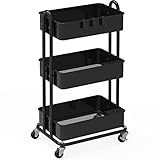
Setting up a mobile coffee cart creates a fully functional, aesthetic beverage station without requiring any wall drilling or permanent cabinetry modifications. This renter-friendly solution compartmentalizes a tiered cart for optimal workflow.
Real home setup advice focuses heavily on the practical physics of top-heavy carts. Understanding safe weight distribution prevents dangerous tipping hazards while making your daily routine accessible from any room.
Materials Needed
- Heavy-duty metal rolling utility cart
- Magnetic S-hooks for towels and tools
- Non-slip rubber shelf liners
- Cord management zip ties
- Woven storage baskets for the bottom tier
Setup Steps
- Assemble the rolling cart and immediately lay non-slip rubber shelf liners on the top tier to prevent your espresso machine from sliding.
- Place the espresso machine and grinder strictly on the top tier for easy ergonomic access.
- Utilize the middle tier exclusively for accessories like your milk frothing pitcher, knock box, and syrup dispensers.
- Place heavy items, like spare water jugs or woven baskets full of extra espresso beans, on the bottom tier to lower the cart’s center of gravity.
- Attach magnetic S-hooks to the side handles to elegantly hang your microfiber barista towels and cleaning brushes.
Pro-Tip: Standalone coffee carts can become dangerously top-heavy. Always place your heaviest backup supplies (like water jugs) on the very bottom shelf to anchor the cart and prevent tipping when you apply tamping pressure on top.
8. Integrate the Smart Connected Espresso Station

Wake up to a hot machine! Pin this smart espresso station trick.
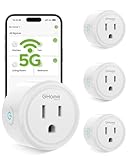
Integrating a smart connected espresso station involves utilizing high-wattage smart plugs to automate your machine’s morning warm-up routine while perfectly hiding unsightly power cords. This tech hack addresses both workflow automation and cord management.
Tested workflow optimization relies on using verified electrical accessories safe for high-wattage heating elements. Properly managing PID controller clearance alongside automated power schedules drastically improves your morning efficiency.
Materials Needed
- Heavy-duty 15A Wi-Fi smart plug
- Wooden or matte plastic cord management box
- Reusable velcro cable ties
- Self-adhesive cable routing clips
- High-wattage capable extension strip
Setup Steps
- Plug the 15A heavy-duty smart plug directly into your wall outlet.
- Leave your espresso machine’s physical power switch in the “ON” position permanently.
- Use the smart plug’s companion app to schedule the machine to power on 30 minutes before your morning alarm.
- Bundle the thick power cords from the machine and grinder together using reusable velcro cable ties.
- Hide the bundled cords and any excess length inside a sleek cord management box placed discreetly behind the espresso machine.
Expert insight: Prosumer machines with E61 group heads require at least 30 minutes to properly heat up. Managing your cord setup through a heavy-duty smart plug not only hides cable clutter but completely automates your morning warmup routine.
9. Build the Rustic Wooden Brew Console

Love vintage vibes? Pin this rustic espresso console idea!
Building a rustic wooden brew console transforms a vintage sideboard into a warm, farmhouse-inspired coffee space that functions perfectly as a bespoke piece of furniture. This method elegantly blends interior design aesthetics with functional coffee needs.
Applying interior design principles to antique furniture requires careful protection. You must proactively shield the beautiful antique wood from inevitable coffee stains and heat damage.
Materials Needed
- Vintage wooden sideboard or console table
- Polyurethane clear coat
- Extra-large silicone barista mat
- Wooden-sleeved espresso knock box
- Rattan or wicker storage baskets
Setup Steps
- Seal the top of your vintage wooden console with three coats of water-resistant polyurethane to protect it from inevitable steam and water spills.
- Place an extra-large silicone barista mat down as your primary workstation; this prevents the heavy tamper from denting the antique wood.
- Center the espresso machine on the console, ensuring the water reservoir in the back is easily accessible without dragging the heavy machine.
- Swap standard plastic espresso accessories for a wooden-sleeved knock box and a wooden-handled tamper to match the rustic aesthetic.
- Hide unsightly items like backup water filters and cleaning tablets inside woven rattan baskets placed on the bottom shelf.
Pro-Tip: Preventing water damage on a wooden coffee bar is critical. Always pull your machine forward to refill the water tank, or better yet, use a silicone funnel to pour water in without splashing the wood surface.
10. Design the Minimalist Monochromatic Brew Bar

Obsessed with clean lines? Pin this minimalist espresso setup!
Designing a minimalist monochromatic brew bar achieves a sleek, modern aesthetic by hiding excess accessories and treating your coffee equipment as functional modern art. This approach completely declutters your counter space.
Expert organization tips heavily emphasize out-of-sight drawer storage and visual weight reduction. Utilizing a strictly cohesive colorway instantly provides a high-end designer look that elevates any modern home.
Materials Needed
- Matte black or stark white espresso machine and grinder
- Under-counter foam drawer inserts
- Matte black minimalist knock box
- Handleless stainless steel milk frothing pitcher
- Invisible magnetic under-cabinet hooks
Setup Steps
- Select espresso equipment in a strict monochromatic colorway to create a seamless, sculptural look on the counter.
- Remove all loose tools from the countertop and organize them inside a dedicated drawer using custom foam cutouts.
- Install invisible magnetic hooks underneath the upper cabinets to hang your bottomless portafilter out of direct sight but within arm’s reach.
- Place a small, minimalist knock box directly behind the machine so it remains hidden from the main visual line of the kitchen.
- Only display exactly what is needed for the machine to function, keeping coffee bean bags completely hidden inside airtight opaque canisters in the pantry.
What most guides miss: The secret to a minimalist coffee bar is out-of-sight tool management. Storing your bulky espresso accessories in a dedicated drawer directly beneath the machine keeps the counter pristine while maintaining perfect barista workflow.

11. Create a Multi-Brew Coffee & Tea Space

Love drip coffee and espresso? Pin this multi-brew station!
Creating a multi-brew coffee and tea space caters to households with mixed beverage preferences by utilizing strict spatial zoning to separate messy espresso areas from cleaner drip stations. This prevents the console from looking like a cluttered appliance store.
Applying ergonomic setup principles to multi-user household spaces improves everyone’s morning routine. Learning to bridge different brewing styles with shared central elements saves massive amounts of horizontal real estate.
Materials Needed
- Wide coffee bar cabinet
- Matching glass coffee syrup dispenser set with pumps
- Variable temperature electric gooseneck kettle
- Two-tiered corner shelf organizer
- Shared high-capacity burr grinder
Setup Steps
- Divide your wide cabinet into three distinct zones: Espresso on the left, Shared Add-Ins in the middle, and Drip/Tea on the right.
- Place your heavy espresso machine on the left side, keeping the messy tamping mat and knock box strictly within this designated zone.
- Arrange your glass syrup dispensers, sugar bowls, and clean mugs in the center of the console so users of both stations can access them easily.
- Position your gooseneck kettle, pour-over drippers, and tea tins on the far right side to create a clean, zen-like brewing area.
- Use a two-tiered corner organizer to vertically stack different varieties of coffee beans and loose-leaf teas, saving valuable horizontal space.
Pro-Tip: If combining an espresso vs drip coffee station, invest in a single, high-quality, zero-retention burr grinder that can easily switch between fine espresso grinds and coarse filter grinds. This saves massive amounts of counter space compared to having two separate grinders.

- Prioritize the Puck Prep Workflow – An aesthetic setup is useless if it’s hard to use; always arrange your grinder, tamping mat, and espresso machine in a straight, ergonomic line to minimize mess and maximize efficiency.
- Reinforce DIY Furniture – If building an IKEA Besta cabinet coffee bar, you must reinforce the top and add support legs, as prosumer dual-boiler espresso machines and water tanks are incredibly heavy.
- Automate with Smart Plugs – Solve the frustration of long machine warm-up times and ugly cord management by routing your cables into a hidden box and powering the machine via a scheduled high-wattage smart plug.
- Protect Surfaces from Steam – Espresso machines generate immense heat and moisture; always use heat-resistant cabinet liners above the machine and silicone mats below to prevent severe water damage to wood.
- Utilize Vertical Storage – In a small kitchen coffee station, reclaim counter space by installing heavy-duty floating shelves for mugs and utilizing magnetic hooks for tools like bottomless portafilters.
- Hide the Accessory Clutter – The secret to a sleek, designer-approved look is out-of-sight organization; store your WDT tools, funnels, and tampers in custom foam-lined drawers directly beneath the machine.
When planning a dedicated home espresso bar setup, practical questions always arise regarding spatial dimensions, cabinetry, and daily maintenance. Navigating the strict requirements of plumbing, cord management, and accessory organization can feel incredibly overwhelming for beginners. To help you build the ultimate coffee corner with total confidence, we have compiled answers to the most common home espresso bar queries below.
Drawing from professional barista workflows and expert organization tips, these solutions address the precise technical details needed for long-term success. Whether you are wondering how to protect your expensive counters from water damage or exactly where to store your bulky espresso accessories, these answers will thoroughly guide your custom-built project. Let’s resolve those lingering technical gaps so you can start designing immediately.
What should be included in a coffee station?
A complete home coffee station should include an espresso machine or coffee maker, a quality burr grinder, and a dedicated puck prep area. Essential accessories include a knock box for spent grounds, a silicone tamping mat to protect your counters, a coffee scale for measuring yield, and airtight canisters to keep espresso beans fresh. Secondary items like mugs, water filters, and syrup dispensers should be arranged vertically on floating shelves to save counter space.
How much space is needed for a coffee bar?
You need a minimum width of 24 to 36 inches to comfortably fit an espresso machine, grinder, and tamping area. Depth is equally crucial; standard kitchen counters are 24 inches deep, which perfectly accommodates prosumer machines. If you are building a custom coffee bar cabinet, ensure you have at least 18 inches of vertical clearance between the countertop and the upper cabinets so you can easily access the water reservoir and hopper.
What is the best cabinet for a coffee station?
The best cabinet for a coffee station is a sturdy, heavy-duty sideboard or a reinforced IKEA Besta unit with a solid wood top. Because espresso machines and their water tanks are incredibly heavy, standard flimsy furniture will bow over time. Look for cabinets that offer deep lower storage for hiding bulky espresso accessories and water filters, and ensure the top surface is treated to resist water and heat damage.
How to organize espresso accessories?
The best way to organize espresso accessories is to use a dedicated wooden puck prep station or a custom foam-lined drawer. Keeping tools like your WDT tool, dosing funnel, and calibrated tamper in a specific block prevents them from getting lost and keeps your counter looking chic and minimalist. For tools you don’t use daily, utilize under-counter drawers or magnetic hooks hidden beneath your upper cabinets.
How to manage cords for espresso machines?
Manage espresso machine cords by bundling them with velcro ties and hiding them inside a sleek cord management box placed behind the machine. If you are using a standalone coffee bar cabinet, drill a 2-inch grommet hole directly through the back panel to route the cables out of sight. Connecting your machine to a high-wattage smart plug also allows you to push the machine flush against the wall without constantly reaching for the power switch.
What is a puck prep station?
A puck prep station is a designated area on your coffee bar where you weigh, grind, distribute, and tamp your espresso grounds. It typically consists of a silicone tamping mat or wooden block that holds your portafilter level, alongside tools like a WDT (Weiss Distribution Technique) tool and a dosing funnel. A highly organized puck prep workflow is critical for pulling consistent cafe-standard shots without making a mess on your counters.
How to store espresso beans at a coffee bar?
Store your espresso beans in opaque, airtight vacuum canisters directly on your coffee bar to protect them from light, heat, and oxygen. Never store your coffee beans in the refrigerator or freezer if you use them daily, as condensation will ruin the roast. If you want to display your beans on open floating shelves for aesthetics, make sure you use UV-blocking glass jars and keep them far away from the heat generated by the espresso machine.
Can you put a coffee station in a pantry?
Yes, you can put a coffee station in a pantry by creating a hidden appliance garage, provided you manage steam ventilation and power access. If you place an espresso machine inside a closed pantry, you must install a moisture-resistant barrier above the machine to protect the shelving from steam damage. Additionally, ensure the pantry has a dedicated 15-amp electrical outlet to safely handle the high wattage of the heating elements.
Where to put an espresso machine in a small kitchen?
In a small kitchen, place your espresso machine in an unused corner or tucked beneath standard cabinets using an ultra-compact layout. To maximize limited counter space, use a bottomless portafilter to reduce the vertical height needed for cups, mount your tools magnetically to the side of the machine, and utilize a tiered corner shelf for mugs and syrups. Keeping the footprint strictly to 18 inches prevents the coffee station from taking over your prep areas.
How to protect counters from espresso stains?
Protect your counters from espresso stains and heavy tampers by laying down an extra-large silicone barista mat across your active workspace. Coffee oils and acidic espresso drops can quickly stain porous surfaces like marble or unsealed wood. A thick silicone mat with a corner-drop edge not only catches stray grounds and spills but also absorbs the downward physical pressure of tamping, preventing permanent dents in your beautiful coffee bar cabinet.
Creating a dedicated space for your morning routine doesn’t require a massive kitchen or an unlimited budget; the best espresso coffee station ideas simply require thoughtful organization and a clear understanding of your personal workflow. Whether you decide to transform an IKEA Besta cabinet into a rustic brew console or simply optimize a small corner of your counter with a sleek puck prep station, the goal is to reduce friction and elevate your daily coffee ritual.
Remember that a truly professional barista setup perfectly balances aesthetic interior design with functional reality. By prioritizing smart cord management, protecting your surfaces with quality tamping mats, and utilizing vertical floating shelves for storage, you can build an ultimate coffee corner that rivals any cafe. Start by analyzing your current counter space, invest in the right organizational tools, and slowly curate the gear that fits your exact style.
Which of these 11 chic designs are you planning to incorporate into your home in 2026? Let us know in the comments below, and don’t forget to save your favorite designer coffee station setups to your Pinterest boards as you begin building your dream home espresso bar!
Last update on 2026-08-13 / Affiliate links / Images from Amazon Product Advertising API
