
As an Amazon Associate CoffeeXplore.com earns from qualifying purchases.
Coffee Corner Ideas: 9 Chic Small Space Designs for 2026
Are you tired of fighting for counter space every single morning? Cluttered appliances ruin the peaceful start you actually deserve. Searching for practical Coffee Corner Ideas solves this frustrating daily struggle.
To create a functional coffee corner in a small space, prioritize vertical storage and compact appliances. Start by clearing a dedicated 24-inch countertop zone, install floating shelves for mugs and beans, and use a tiered tray to organize syrups and accessories, keeping your daily brewing workflow efficient and clutter-free.
Drawing from comprehensive analysis of current interior design data and proven spatial methodologies, this guide delivers. You will discover actionable configurations that transform any awkward layout into a home coffee bar. Implement these design-forward solutions today to reclaim your kitchen and elevate your morning ritual.
Contents
show
How To Create Aesthetic Coffee Corner Ideas That Solve Limited Space
Aesthetic coffee corner ideas solve limited space by utilizing vertical storage, hidden cabinet compartments, and multi-functional furniture. A dedicated small coffee station transforms an inefficient kitchen into a highly streamlined barista zone. When dealing with a cramped galley kitchen or a tiny apartment, strategic spatial planning becomes your most valuable design tool. By simply removing your heavy espresso machine and coffee grinder from the primary cooking area, you immediately eliminate messy counter workflows.
This dedicated java station approach requires careful attention to nearby electrical outlets and proper overhead clearance heights. Creating a centralized spot for your equipment perfectly complements your kitchen decor while streamlining your morning caffeine routine.
What most guides miss: While aesthetic social media photos look incredibly inspiring, true interior design expertise focuses heavily on practical mechanics. Always measure the clearance height needed for your steam wand and water reservoir before finalizing any layout. Ensuring your appliances can be refilled without moving them prevents unnecessary heavy lifting and dangerous electrical hazards near water sources.
9 Chic Coffee Corner Ideas To Optimize Your Small Space For 2026
Optimizing your small space for 2026 requires strategic furniture selection, clever vertical organization, and a clear understanding of your daily brewing habits. Creating a beautiful modern coffee corner begins by evaluating your unique floor plan to find the most efficient configuration. Whether you strongly prefer a sleek minimalist look or a cozy rustic vibe, transforming a dead corner into a functional zone changes everything.
You can easily utilize an empty sideboard, repurpose a vintage bedroom dresser, or install thick floating shelves to house your equipment. Pro barista setup guidelines emphasize durability and practical design logic, such as placing your knock box immediately adjacent to your tamping station. The following coffee station organization designs range from budget-friendly DIY hacks to custom built-in luxury. Each idea provides exact materials and actionable steps to help you confidently craft your ideal space today.
1. Build a Hidden Coffee Bar Inside Kitchen Cabinets

Pin this space-saving hidden cabinet hack to your Dream Kitchen board!
Building a hidden coffee bar inside kitchen cabinets requires heavy-duty sliding drawer slides, internal electrical access, and low-profile appliances. If you absolutely despise cluttered cabinets and messy counters, this space saving internal cabinetry hack is brilliant. An appliance garage with a slide-out tray perfectly conceals your equipment while keeping it easily accessible.
These hidden coffee bar ideas for kitchen cabinets are perfect for minimalist homes. You must hire a certified electrician to safely install an internal outlet before beginning this project. Once powered, you can organize your beans and tools out of sight.
Materials Needed
- Heavy-duty sliding drawer slides (rated for 100+ lbs)
- Custom-cut wood shelf (butcher block or sealed plywood)
- Cabinet-mounted LED puck lights
- Cord organizer clips and zip ties
- Low-profile espresso machine with front-loading water tank
Step-by-Step Directions
- Measure the internal width and depth of your chosen cabinet, allowing a 1-inch clearance on all sides for the sliding hardware.
- Install the heavy-duty drawer slides onto the interior walls of the cabinet, ensuring they are perfectly level.
- Mount the custom wood shelf onto the gliding brackets and test the weight capacity.
- Drill a small 1.5-inch hole in the back panel of the cabinet to route your power cables discreetly to the nearest wall outlet.
- Arrange your coffee maker and grinder on the pull-out tray, using adhesive clips to secure cords along the back edge.
- Install battery-operated or hardwired puck lights to the ceiling of the cabinet to illuminate your brewing workflow.
Pro-Tip: In my experience designing hidden kitchens, always choose a coffee machine with a front-loading water reservoir for this setup. Pulling the machine entirely out just to refill water defeats the purpose of an ergonomic workflow.
2. Design an Under-Stairs Coffee Nook

Save this brilliant under-stairs transformation to inspire your next home project!
Designing an under-stairs coffee nook utilizes awkward architectural alcoves by incorporating custom base cabinets and staggered floating shelving. This approach brilliantly repurposes dead space utilization into a highly aesthetic, functional beverage zone. By installing a dedicated coffee corner shelf along a sloped ceiling, you maximize vertical storage effortlessly.
An under stairs coffee nook design requires working with irregular dimensions. Use built-in cabinetry to anchor the space and safely house your milk frother and syrups. Expertly mitered edges on your countertop ensure a custom, high-end fit.
Materials Needed
- Premade base cabinet or customized credenza
- Butcher block countertop cut to alcove dimensions
- Matte black syrup dispensers with gold pumps
- Stick-on geometric tile backsplash
- Floating shelves (staggered lengths for sloped ceiling)
Step-by-Step Directions
- Measure the footprint of the under-stairs alcove to source a base cabinet that fits snugly against the highest wall.
- Secure the base cabinet to the wall studs to prevent tipping and provide a sturdy base for tamping espresso.
- Install the butcher block countertop, sealing the wood with food-safe mineral oil to protect against steam and spills.
- Apply the peel-and-stick geometric tile backsplash to protect the drywall from coffee splatters.
- Mount floating shelves in a staggered, stair-step pattern that mimics the slope of the ceiling above.
- Decant your flavored syrups into the aesthetic glass dispensers and style them on a small marble tray.
Pro-Tip: Proper ambient task lighting is crucial here since under-stairs spaces lack natural light. Hardwire a sleek wall sconce or use rechargeable magnetic LED bars under the lowest shelf to brighten your tamping station.


3. Install a Space-Saving Floating Shelf Coffee Nook

Don’t have floor space? Pin this floating shelf idea to maximize your walls!
Installing a space-saving floating shelf coffee nook requires heavy-duty blind brackets secured directly into wall studs to safely support heavy ceramics. When you lack floor space for extra furniture, upgrading your kitchen counter coffee setup with vertical wall storage is the smartest solution. Floating shelves beautifully display your mug collection while freeing up critical prep space below.
A rustic farmhouse coffee station with floating shelves combines aesthetic decor with daily functionality. You must properly anchor these shelves, as large glass jars filled with coffee beans become surprisingly heavy over time.
Materials Needed
- Thick solid wood shelves (minimum 2 inches thick)
- Heavy-duty blind shelf brackets (concealed)
- Stud finder and level
- Airtight amber glass coffee canisters
- Under-shelf brass mug hooks (optional)
Step-by-Step Directions
- Use a stud finder to locate and mark the wooden wall studs above your designated kitchen counter coffee zone.
- Determine your shelf height; the bottom shelf should sit at least 18-20 inches above the countertop to clear your tallest coffee machine.
- Drill pilot holes and install the heavy-duty hidden steel brackets directly into the studs to ensure maximum weight capacity.
- Slide the hollowed-out wooden shelves onto the bracket posts and secure them with set screws from underneath.
- Screw brass mug hooks into the underside of the bottom shelf for easy access to your favorite morning cups.
- Curate the top shelves with airtight bean canisters, a small decorative plant, and your pour-over equipment.
Pro-Tip: When styling floating shelves, follow the “Rule of Three.” Group your accessories (like a canister, a folded linen napkin, and a small plant) in odd numbers to create a visually balanced, magazine-worthy aesthetic.

4. Repurpose a Vintage Dresser into a Coffee Station

Love a good upcycle? Save this vintage dresser coffee bar idea!
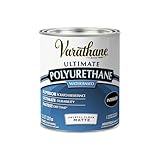
Repurposing a vintage dresser into a coffee station involves sanding, applying aesthetic chalk paint, and sealing the top surface with a waterproof polyurethane clear coat. Creating a diy coffee station using old furniture is highly budget-friendly and adds immense farmhouse character to your home. A converted coffee bar cabinet provides incredible built-in organization for extra linens and bulky coffee pods.
This budget-friendly upcycle protects your investment if you use the correct materials. Styling your new station with a rustic tier tray keeps your daily sweeteners perfectly organized without looking cluttered.
Materials Needed
- Vintage wooden dresser (waist height, approx 34-36 inches)
- Chalk paint (aesthetic color of choice)
- Water-based matte polyurethane topcoat
- New cabinet hardware (brass or matte black cup pulls)
- Wooden tier tray for accessory organization
Step-by-Step Directions
- Clean the vintage dresser thoroughly with a degreaser and lightly scuff sand the entire surface to prep for paint.
- Apply two even coats of chalk paint to the dresser base and drawer fronts, allowing proper drying time between coats.
- Crucial step: Apply three coats of the water-based matte polyurethane strictly to the top surface to protect the wood from coffee spills, steam, and water rings.
- Drill new holes if necessary and install updated, modern aesthetic cabinet hardware to elevate the vintage look.
- Dedicate the top drawers for storing coffee pods, tea bags, and stirrers using small acrylic drawer dividers.
- Place your coffee maker on the newly sealed top and organize your sugars and syrups on a rustic tiered tray.
Pro-Tip: If your espresso machine vibrates heavily, cut a custom-sized piece of black anti-slip silicone mat to place underneath it. This protects the painted finish and prevents the machine from “walking” during extraction.
5. Assemble a Portable Bar Cart Coffee Setup

Renting a tiny apartment? Pin this rolling coffee cart idea!
Assembling a portable bar cart coffee setup requires a sturdy 3-tier rolling cart, a compact pod machine, and bottom-heavy loading to prevent tipping hazards. When comparing a cart vs cabinet, carts provide unbeatable mobility for small spaces. These portable coffee cart ideas for small homes are incredibly renter-friendly and require absolutely zero permanent installation.
An apartment coffee corner styled on caster wheels can be easily rolled into a closet when hosting large gatherings. Adding a spinning nespresso pod holder on the middle shelf keeps your daily options visible but organized.
Materials Needed
- 3-tier rolling bar cart (metal and glass or wood)
- Compact pod-based coffee machine (Nespresso or Keurig)
- Rotating coffee pod carousel
- Woven storage baskets (sized for bottom shelves)
- Retractable cord organizer
Step-by-Step Directions
- Assemble your rolling bar cart, ensuring all caster wheels are locked firmly in place before loading heavy equipment.
- Place your compact coffee machine on the top shelf, positioned toward the back to leave prep room in front for your mug.
- Organize the middle tier with a rotating pod carousel and a small stack of your daily coffee mugs.
- Utilize the bottom tier for heavier items to anchor the cart, storing extra beans, bottled water, or bulky appliances in woven baskets.
- Attach a retractable cord organizer to the back leg of the cart, allowing you to easily unplug and roll the cart out of the way when hosting.
- Style the top tier with a tiny vase of fresh florals to complete the aesthetic cafe vibe.
Pro-Tip: Always place your heaviest items (like large ceramic bean canisters or gallon water jugs) on the absolute bottom shelf. A top-heavy rolling cart with a hot coffee machine is a major spill hazard waiting to happen.

6. Organize a Living Room Coffee and Wine Bar Combo

Morning coffee, evening wine! Pin this genius dual-beverage setup!
Organizing a living room coffee and wine bar combo involves zoning a long credenza into two distinct sections using decorative trays and ambient lighting. Implementing coffee and wine bar combo ideas for dining room spaces flawlessly bridges your morning routine and evening hosting. A well-designed living room coffee bar ensures your appliances look like intentional decor rather than misplaced kitchen tools.
To successfully pull this off, coordinate your barista tools with your stemware rack finishes. Creating strict visual boundaries on a single sideboard prevents the beverage center from appearing cluttered during daily use.
Materials Needed
- Long wooden sideboard or credenza (60+ inches)
- Under-cabinet stemware rack (for wine glasses)
- Espresso machine and accessories
- Leather or marble tray for visually dividing the space
- Small decorative table lamp for ambient task lighting
Step-by-Step Directions
- Position the sideboard along a shared wall in your open-concept living/dining area, ensuring access to a wall outlet.
- Establish visual zones: Dedicate the left side of the credenza entirely to morning coffee, and the right side entirely to evening wine and spirits.
- Install an under-cabinet stemware rack directly above the wine zone to display glassware beautifully while saving surface space.
- Place a heavy marble or leather tray in the center of the sideboard to act as a stylish boundary, using it to hold neutral items like cloth napkins or a vase.
- Setup the coffee zone with your espresso maker, grinder, and a tamping mat, keeping all cords tightly bundled behind the machine.
- Add a small, elegant table lamp on the wine side to provide warm, moody lighting for evening entertaining.
Pro-Tip: To make a living room coffee station look purposeful rather than like misplaced kitchen appliances, match your coffee machine’s finish (e.g., matte black or brushed steel) to the existing hardware and light fixtures in your living room.
$186 offBestseller No. 6

7. Curate a Minimalist Home Office Coffee Station

Fuel your WFH days! Save this home office coffee station idea!
Curating a minimalist home office coffee station requires a small footprint, a silicone spill-proof mat, and completely silent brewing equipment to avoid disrupting video calls. A minimalist coffee bar setup for home office use significantly enhances your daily remote work productivity. By integrating a dedicated home office coffee zone onto a bookshelf or desk corner, you eliminate frustrating trips to a messy kitchen.
Opting for a manual french press and a temperature-controlled gooseneck kettle ensures quiet brewing. Decluttering this micro-station daily is vital for maintaining a clean, professional workspace background.
Materials Needed
- Small side table or dedicated corner of a sturdy desk
- Electric gooseneck kettle with variable temperature
- High-quality French press or sleek pour-over dripper
- Minimalist ceramic coffee canister
- Silicone spill-proof drying mat
Step-by-Step Directions
- Clear a 12×18 inch zone on a low bookshelf or the edge of your desk, strictly dedicating it to beverage prep.
- Lay down a low-profile, aesthetic silicone mat to catch rogue water drips and protect your office furniture and electronics.
- Plug in an electric gooseneck kettle, ensuring it is on a different circuit than your heavy-draw computer equipment if possible.
- Set up a silent manual brewer, like a French press or Chemex, to avoid the loud, disruptive noise of espresso grinders during work hours.
- Store a single bag of premium pre-ground coffee or whole beans (if hand grinding) in a sleek, airtight ceramic canister.
- Keep exactly two mugs at this station to prevent the classic home office problem of accumulating a dozen dirty cups on your desk.
Pro-Tip: Avoid automatic espresso machines with loud vibratory pumps in your home office. A high-quality electric kettle and a pour-over setup provide an aesthetic, silent brewing ritual that won’t disrupt your workflow or your microphone.

8. Mount a Wall-Mounted Mini Coffee Bar

Zero counter space? Pin this wall-mounted organizer hack!
Mounting a wall-mounted mini coffee bar involves securing a pegboard or modular wire rack directly into wall studs to hold heavy ceramic mugs and accessories. If you are working with a small kitchen coffee scenario where floor space is entirely nonexistent, verticality is your only solution. A highly compact mini coffee bar dramatically maximizes vertical space while saving your precious prep counters.
Using a customizable mug rack with S-hooks allows you to shift accessories as your collection grows. These compact storage systems are heavily tested organization techniques perfect for micro-apartments.
Materials Needed
- Modular wall-mounted organizer rack or aesthetic wood pegboard
- Assorted S-hooks and hanging wire baskets
- Heavy-duty drywall anchors and screws
- Space-saving, ultra-slim coffee maker
- Magnetic spice tins (for cinnamon/cocoa powder)
Step-by-Step Directions
- Locate an empty patch of wall space near an outlet, measuring at least 24 inches wide and 36 inches tall.
- Install the pegboard or modular wire rack securely using heavy-duty drywall anchors to support the weight of ceramics.
- Configure the highest tier with a narrow shelf to hold your bags of coffee beans or pod boxes out of the way.
- Attach S-hooks to the middle section to hang your daily coffee mugs by their handles, creating a functional display.
- Clip hanging wire baskets to the lower grid to corral loose items like coffee filters, stir sticks, and a milk frother.
- Place your ultra-slim, single-serve coffee maker directly below the wall installation, utilizing just 6 inches of counter depth.
Pro-Tip: If using a pegboard system, you can stick magnetic tins directly to any metal brackets or add a small magnetic strip to hold your cocoa powder, cinnamon, and nutmeg right at eye level for finishing your lattes.

9. Customize a Modern Built-In Luxury Coffee Nook

Dreaming of a luxury barista setup? Pin this built-in inspiration!
Customizing a modern built-in luxury coffee nook requires custom cabinetry, a dedicated 20-amp electrical circuit, and a direct water line for commercial equipment. Designing a built-in luxury coffee bar for master suite or grand kitchen demands advanced architectural planning. Unlike budget DIYs, a permanent built-in coffee station seamlessly houses your heavy machinery behind luxurious custom mitered edges.
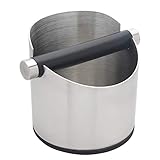
A true high-end setup features a plumbed-in espresso machine combined with flush knock box integration cut directly into the quartz. This eliminates the need to manually refill water tanks, creating the ultimate ergonomic workflow.
Materials Needed
- Custom cabinetry (base and uppers)
- Plumbed-in commercial-style espresso machine
- In-line water filtration system
- Flush-mount stainless steel knock box
- Silicone tamping mat and precision barista tools
Step-by-Step Directions
- Work with a contractor to run a dedicated 15 or 20-amp electrical circuit to this specific alcove to handle dual-boiler espresso machines safely.
- Have a plumber run a water line directly to the station, installing an in-line water filtration system to protect the machine from scale buildup.
- Cut a precise hole in your stone or quartz countertop to seamlessly drop in a flush-mount stainless steel knock box for spent espresso pucks.
- Install the custom cabinetry around the equipment, ensuring at least 22 inches of vertical clearance between the counter and upper cabinets for workflow.
- Direct plumb the espresso machine’s water intake and drip tray drain so you never have to manually empty or refill the machine again.
- Designate a specific 12-inch zone to the right of the machine exclusively for your grinder, tamping mat, and distribution tools.
Pro-Tip: If you are investing in a built-in luxury setup, adding a small integrated pitcher rinser to the countertop (plumbed into the drain line) elevates the space from a nice home kitchen to a true professional barista station.
Key Takeaways: Your Quick Guide to Coffee Corner Ideas
To quickly master coffee station organization, focus heavily on spatial efficiency, practical cord management, and blending daily mechanical workflow with your interior aesthetics. Providing a comprehensive coffee corner ideas overview requires synthesizing everything from basic budget DIY to built-in luxury installations. Whether you are repurposing old furniture or styling a home coffee bar from scratch, specific foundational rules always apply.
These expert recommendations ensure your new morning ritual spot remains functional and visually appealing long after the initial setup. Before you start hammering nails or buying new appliances, review these highly scannable interior design rules to ensure a successful layout.
- Utilize Vertical Space for Small Kitchens: – Maximize your small kitchen coffee setup by utilizing wall space with floating shelves, pegboards, and hanging mug racks rather than consuming valuable counter real estate.
- Protect Furniture from Water Damage: – When building a diy coffee station using old furniture, applying a water-based polyurethane topcoat is mandatory to protect against steam, heat, and inevitable spills.
- Prioritize Cord Management: – A chic aesthetic is instantly ruined by messy wires; solve cord management issues by routing cables behind trays, using adhesive clips, or drilling discreet routing holes in cabinetry.
- Zone Your Multi-Use Spaces: – For a living room coffee bar, use visual dividers like decorative trays and contrasting lighting to separate the morning java station from evening entertainment zones.
- Consider Appliance Weight and Movement: – When using a portable coffee cart, always store heavy items like water jugs and ceramic canisters on the absolute bottom shelf to prevent tipping hazards.
- Plan Electrical Requirements Early: – Advanced built-in luxury coffee bar setups often require a dedicated circuit and proper overhead clearance to safely operate high-draw dual-boiler espresso machines.
- Match Your Home’s Existing Aesthetic: – Ensure your coffee corner decor feels intentional by matching hardware finishes (like brass or matte black) to the rest of your kitchen or living room design.
FAQs About Coffee Corner Ideas
Answering common questions about coffee corner ideas helps resolve specific logistical and design concerns regarding your home barista setup. When planning these functional zones, many people struggle with standard counter heights, electrical safety needs, and tight budget constraints.
By analyzing highly searched queries, we can directly address the practical realities of executing beautiful coffee station designs. Review these expert-level answers to ensure your custom layout avoids common spatial misunderstandings.
How to create a coffee corner at home?
To create a coffee corner at home, select a dedicated surface near an electrical outlet, such as a section of kitchen counter, a repurposed dresser, or a rolling cart.
Start by clearing the space entirely. Anchor the setup with your primary coffee machine, then use vertical storage like floating shelves or a tiered tray to organize mugs, beans, and syrups. Incorporating a designated trash bin or knock box nearby creates a highly functional, cafe-like workflow in your home.
Where to put a coffee station in a small kitchen?
The best place to put a coffee station in a small kitchen is in dead corners, under unused cabinets, or on a slim rolling cart tucked into a pantry.
If you have zero counter space, consider a wall-mounted pegboard organizer or repurposing a slide-out drawer inside an existing cabinet. Keeping the station out of the primary cooking triangle ensures your morning brewing routine doesn’t interfere with daily meal preparation.
What do you need for a home coffee bar?
A basic home coffee bar needs a brewing device, fresh coffee storage, mugs, a water source, and a way to organize accessories like spoons and sweeteners.
Depending on your preferred brew method, a barista station might also require a quality burr grinder, an electric kettle, a tamping mat, and a milk frother. Using aesthetic containers, like amber glass jars for beans and ceramic crocks for tools, keeps these necessities looking purposeful rather than cluttered.
How to organize coffee pods?
Organize coffee pods by utilizing space-saving vertical carousels, under-cabinet mounting racks, or acrylic drawer dividers to keep counters clear.
If you are styling a chic modern coffee corner, consider displaying a week’s worth of pods in a beautiful glass apothecary jar on the counter, while storing the bulky overflow boxes out of sight in a pantry or bottom cabinet drawer.
How to hide coffee station cords?
Hide coffee station cords by bundling them with zip ties, using adhesive cord clips along the back edges of furniture, or placing a decorative tray in front of the outlets.
For built-in cabinetry or repurposed dressers, drill a small grommet hole directly behind the espresso machine to drop cords out of sight. Managing visual clutter is the most critical interior design tip for maintaining an elegant, high-end look.
What height should a coffee bar be?
A coffee bar should ideally be standard kitchen counter height, which is 36 inches from the floor, to provide the most ergonomic leverage for tamping espresso.
However, if you are using a dining room sideboard or repurposing a vintage dresser, heights between 34 and 38 inches are perfectly acceptable. Ensure you leave at least 18 to 22 inches of clearance between the countertop and any upper shelves to accommodate tall coffee machines.
How to make a coffee corner on a budget?
Make a coffee corner on a budget by upcycling existing furniture, utilizing inexpensive IKEA bar carts, and DIY-installing basic wooden floating shelves.
Instead of buying expensive organizational gear, repurpose mason jars for coffee bean storage and use a thrifted wooden tray to corral your syrups and spoons. A budget friendly setup focuses on clever organization and paint rather than high-end custom cabinetry.
Which coffee machine is best for a home bar?
The best coffee machine for a home bar depends entirely on your daily routine: pod machines for speed, drip makers for volume, or manual espresso machines for a true barista hobby.
If you are setting up a living room coffee bar or home office station, consider a quiet pour-over setup or a compact capsule machine to avoid the loud, disruptive noise of motorized burr grinders and vibratory pumps.
What accessories belong in a coffee nook?
Essential accessories for a coffee nook include a tamping mat, a knock box for grounds, airtight bean canisters, stirring spoons, and a small stack of daily mugs.
To elevate the aesthetic, add styling accessories like a small potted plant, a framed piece of vintage art, or a decorative chalkboard sign. Balancing practical barista tools with warm decor items is the key to creating an inviting coffee nook inspiration.
How to integrate a coffee bar into a living room?
Integrate a coffee bar into a living room by using furniture that matches the room’s decor, like a mid-century credenza or a fluted oak sideboard, rather than metal kitchen prep tables.
Hide the practical elements (like coffee filters and cleaning brushes) inside drawers or woven baskets. Match your appliance finishes—such as choosing a matte black espresso machine—to your living room’s hardware and light fixtures to make the station look cohesive and intentional.
Final Thoughts on Coffee Corner Ideas
Creating a personalized coffee corner fundamentally shifts how you experience your daily routines by combining spatial optimization with aesthetic integration. Building a dedicated home barista station is about much more than just finding a convenient place to plug in your espresso machine. It is about actively reclaiming your valuable kitchen counter space and elevating your quiet morning rituals.
Whether you are currently dealing with a cramped apartment galley or a spacious open-concept dining room, these coffee corner ideas prove that incredible design is achievable on any footprint and any budget. The true secret to a successful setup lies in treating this small space with the exact same design intention as the rest of your home. By utilizing smart vertical storage, prioritizing clever cord management, and blending professional-grade appliances with warm, aesthetic decor, you can easily transform an awkward corner into your absolute favorite spot in the house.
A well-designed caffeine corner not only streamlines your daily morning workflow but also effortlessly adds a beautiful layer of curated hospitality to your home. As you look around your space to plan your upcoming refresh, remember that the very best interior designs are the ones tailored specifically to your unique daily habits. Start small, completely clear a surface, and always focus on functional organization first. We would love to know—which of these 9 chic designs are you planning to upgrade your home with first? Drop a comment below and share your vision!
Last update on 2026-10-25 / Affiliate links / Images from Amazon Product Advertising API
