
As an Amazon Associate CoffeeXplore.com earns from qualifying purchases.
Aloe Vera Tea Recipe: How to Make It Safe & Bitter-Free
Are you intimidated by the notorious bitter taste of fresh succulent plants? Many health-conscious DIYers struggle to create a safe aloe vera tea recipe at home. Improper preparation often leads to intense bitterness and severe digestive distress.
To safely make an aloe vera tea recipe, you must first drain the toxic yellow latex from an edible Barbadensis Miller leaf. After peeling the green skin, thoroughly wash the clear inner gel to remove all bitterness. Finally, steep the pure gel in boiling water with honey and ginger. This critical aloin removal process ensures maximum culinary safety.
Drawing from established culinary safety standards, we have perfected this botanical extraction method. You will discover exactly how to prepare a soothing, bitter-free natural remedy. Master these simple steps to safely harness incredible digestive and immune-boosting benefits today.
Contents
show
Aloe Vera Tea Recipe: How to Make It Safe & Bitter-Free to Prevent Flu and Aid Digestion
When properly prepared, a homemade aloe vera tea is a powerful natural remedy that can help prevent flu and relieve bloating. However, the raw succulent contains a dangerous dual nature that you must respect. You must carefully separate the healing clear aloe gel from the toxic yellow latex known as aloin. This yellow sap acts as a potent natural laxative and causes severe stomach cramping if consumed.
Before you even think about brewing this aloe vera drink recipe, you must master proper botanical identification and preparation. You absolutely must use the edible species, Aloe Barbadensis Miller, to ensure safe aloe consumption. Let’s explore the critical anatomy of this plant to understand exactly why these safety steps are non-negotiable for aloe toxicity prevention.
What Most Guides Miss: The Anatomy of an Aloe Leaf
Creating a safe botanical drink requires understanding the exact science of aloe oxidation and leaf structure. An aloe leaf consists of three distinct layers. The outer rind (green skin) is tough and inedible. Just beneath this rind lie the latex vessels, which secrete a bitter, yellow sap containing toxic anthraquinones (aloin). Finally, the inner core contains the translucent gel (the inner fillet). When you cut a fresh aloe vera leaf, the aloin rapidly oxidizes and bleeds into the pure gel if not drained immediately. This is why a simple blending method fails. You must drain the latex vertically and perform a thorough lavage of aloe gel to meet culinary safety standards and extract the soothing mucilage without the dangerous side effects.
7 Step-by-Step Methods to Prepare and Brew Fresh Aloe Vera Tea
Preparing a step-by-step recipe for fresh aloe tea requires a precise, multi-stage approach. We must separate the complex leaf preparation from the actual brewing process. If you want to extract aloe gel for beverages safely, you cannot skip the harvesting, draining, and peeling phases. Once you isolate the pure gel, you unlock endless possibilities for hot and cold infusions.
By applying basic cold-press extraction principles at home, you can achieve proper gel stabilization. The following methods will guide you from a raw, freshly cut plant to a finished, stylized culinary masterpiece. Let’s dive into the foundational preparation techniques before exploring our targeted medicinal pairings.
1. How to Harvest and Drain the Fresh Aloe Vera Leaf Safely

Pin this essential safety step to your Natural Remedies or Healthy Recipes board so you never forget how to properly drain aloe!
Harvesting mature leaves correctly is the first step toward aloe toxicity prevention. You must physically separate the harmful aloin compounds from the usable plant material. This crucial draining phase stops the unwanted laxative effect dead in its tracks.
Supplies Needed
- 1 large, mature organic leaf from an edible species (Aloe Barbadensis Miller)
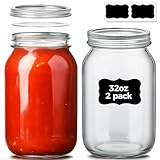
- 1 heavy-bottomed glass mason jar (tall enough to support the leaf)
- Clean, cold filtered water
- 1 sharp paring knife or kitchen shears
- 1 clean kitchen towel
Instructions
- Harvest a thick, outer leaf near the base of the aloe vera plant, cutting it cleanly at an angle close to the stem.
- Wash the exterior of the leaf thoroughly under cool running water to remove any garden dirt or dust.
- Trim roughly 1/4 inch off the very bottom of the cut base to expose fresh channels.
- Soak by placing the leaf vertically (cut side down) into a mason jar filled with 2 inches of cold water.
- Steep the leaf in this resting position for 15 to 20 minutes to allow the toxic yellow latex warning compounds to drain completely into the water.
- Rinse the base one final time after draining, and discard the yellow-tinted water immediately.
Pro-Tip: In my experience studying bioactive compounds, you must wait until the draining water stops turning yellow. This aloin extraction phase is non-negotiable, as skipping it can cause severe stomach cramping and ruin the tea with an intensely bitter flavor.
Amazon Affiliate Product Recommendation:
2. How to Peel the Leaf and Extract Bitter-Free Aloe Vera Gel

Save this peeling technique to your Kitchen Hacks board—it makes working with fresh aloe completely mess-free!
To successfully isolate the pure, edible component, you must remove the green skin completely. The clear aloe gel inside should be plump, firm, and entirely free of any yellow tint. Using precise knife work prevents wasting the valuable translucent gel while leaving the bitter remnants behind.
Supplies Needed
- 1 drained and washed fresh aloe vera leaf
- 1 sharp paring knife or professional filleting knife
- 1 large cutting board (preferably with a juice groove)
- 1 fine mesh strainer
- 1 large bowl of cold water
Instructions
- Trim off the serrated, spiky edges from both sides of the leaf using your sharp paring knife.
- Cut the long leaf into manageable 3-inch horizontal sections.
- Fillet the rounded top layer of the green skin off each section by sliding the knife just beneath the surface, keeping it as close to the rind as possible.
- Scoop or slice the thick block of translucent gel away from the flat bottom skin.
- Dice the clear aloe gel into small, 1/2-inch cubes.
- Wash the cubed gel aggressively in a strainer under cold running water for at least 60 seconds, rubbing the cubes gently to remove the sticky, thick mucilage.
- Rinse until the water runs completely clear and the gel cubes feel less gelatinous and more like firm jelly.
Pro-Tip: Proper lavage of aloe gel (washing away the slippery mucilage) is the secret to a bitter-free tea. The sticky coating on the outside of the inner fillet contains trace amounts of aloin that will ruin your botanical drink if not rinsed away.
Amazon Affiliate Product Recommendation:

3. The Classic Bitter-Free Honey Aloe Vera Tea Recipe

Pin this classic, soothing recipe to your Healthy Hot Drinks board for the next time you need an immune boost!
The honey aloe vera tea is the foundational blueprint for a soothing botanical brew. The thermal breakdown of the gel slightly softens its texture while releasing its potent properties into the boiling water. This simple combination is incredible for digestive health and throat relief.
Ingredients
- 2 tablespoons of freshly prepared, washed clear aloe gel cubes
- 1.5 cups of filtered water
- 1 to 2 tablespoons of wild honey (to taste)
- 1 slice of fresh lemon (optional, for a citrus lift)
Instructions
- Boil the filtered water in a small saucepan or kettle.
- Scoop the thoroughly washed aloe vera gel cubes into a heat-proof glass mug.
- Pour the boiling water directly over the aloe cubes in the mug.
- Steep the mixture for 3 to 5 minutes to allow the heat to slightly soften the gel and release its bioactive compounds.
- Stir in the wild honey while the water is still hot so it dissolves completely.
- Garnish with a slice of fresh lemon if desired.
- Serve warm, using a spoon to eat the soft aloe cubes at the bottom as you drink the tea.
Pro-Tip: Do not actively boil the aloe gel on the stove. Exposing the acemannan content (the beneficial compound in aloe) to prolonged, rolling heat can degrade its nutritional value. Simply steep it in hot water to preserve its integrity.
Amazon Affiliate Product Recommendation:
4. Refreshing Korean Honey Aloe Tea (Yujacha Style)

Love Korean cafe drinks? Save this DIY Korean Honey Aloe Tea marmalade recipe to your Asian Recipes board!
Korean citron tea (often called yujacha) traditionally utilizes a storable marmalade concentrate rather than a single-serving hot brew. Learning how to make Korean honey aloe tea allows you to preserve the freshly harvested gel in a sweet, dense base of citrus fruits and honey.
Ingredients
- 1 cup of very finely diced edible aloe recipe gel (washed and drained)
- 1 cup of high-quality wild honey
- 2 tablespoons of fresh lemon juice or citrus fruits juice (like yuzu)
- 1 tablespoon of finely grated orange peel or lemon zest
- Hot water (for serving)
Instructions
- Blend the finely diced, washed aloe gel, lemon juice, and orange peel together in a clean, sterilized glass jar.
- Pour the honey over the aloe mixture until it is completely submerged.
- Stir vigorously to combine the ingredients into a thick, syrup-like marmalade.
- Soak and let the mixture sit in the refrigerator for at least 3 days to allow the flavors to meld and infuse (similar to traditional yujacha).
- Scoop 2 to 3 tablespoons of the honey-aloe marmalade into a mug when ready to drink.
- Dissolve the mixture by pouring hot (not boiling) water over the syrup and stirring well.
- Store the remaining concentrate in the refrigerator for up to two weeks.
Pro-Tip: This method acts as a fantastic base for a refreshing Korean style aloe vera drink served over ice in the summer, or it can even be used as a healthy topping similar to homemade aloe vera jelly bubble tea.
Amazon Affiliate Product Recommendation:

5. Soothing Aloe Vera Ginger Lemon Detox Tea

Feeling under the weather? Pin this powerful Ginger Lemon Aloe detox brew to your Flu Remedies board!
This aloe vera ginger lemon honey tea recipe is the ultimate functional beverage for sick days. The combination of warming fresh ginger root and cooling aloe vera pulp creates a synergistic effect that helps detoxify body systems and aids in rapid flu prevention.
Ingredients
- 2 tablespoons of prepared, washed aloe vera pulp
- 1 inch of fresh ginger root, peeled and thinly sliced
- 1 tablespoon of freshly squeezed lemon juice
- 1.5 cups of water
- 1 teaspoon of raw honey (optional)
Instructions
- Simmer the sliced fresh ginger root and water in a small saucepan over medium heat for 5 to 7 minutes to create a strong ginger decoction.
- Strain the hot ginger water into a large mug, discarding the physical ginger slices.
- Stir the fresh lemon juice and honey into the hot ginger water until dissolved.
- Add the prepared aloe gel cubes directly into the hot liquid.
- Infuse for 2 minutes before drinking to allow the aloe to absorb the sharp ginger and lemon flavors.
- Serve hot to maximize its flu prevention and diaphoretic (sweat-inducing) properties.
Pro-Tip: In herbalism, aloe is considered a “cooling” plant. By pairing it with “warming” herbs like ginger, you create a balanced phytochemical-rich tea that soothes the digestive tract without causing excessive coldness in the gut.
Amazon Affiliate Product Recommendation:

6. Immune-Boosting Aloe and Green Tea Blend

Upgrade your daily green tea routine! Save this antioxidant-packed Green Tea & Aloe recipe to your Wellness Drinks board.
This aloe vera and green tea blend recipe elevates your morning wellness routine by combining two antioxidant powerhouses. The mild caffeine in premium green tea bags enhances your metabolic rate, while the aloe + green tea combination actively combats free radicals to protect your immune system.
Ingredients
- 2 tablespoons of prepared, washed pure aloe tea gel cubes
- 1 premium green tea teabag or 1 tsp loose leaf green tea
- 1.5 cups of water (heated to 175°F / 80°C)
- 1 teaspoon of agave nectar or stevia (optional)
Instructions
- Heat the water to about 175°F (just short of boiling) to prevent burning the green tea leaves.
- Steep the green tea bags in a mug of the hot water for exactly 3 minutes.
- Remove the tea bag and discard it to prevent the brew from becoming overly astringent.
- Stir in your preferred sweetener like agave nectar while the tea is still warm.
- Drop the prepared, washed aloe cubes into the infused green tea.
- Sip slowly, enjoying the delicate, grassy notes of the tea paired with the smooth, gelatinous texture of the aloe.
Pro-Tip: Green tea contains tannins that can become very bitter if boiled. By steeping the tea first at a lower temperature and then adding the aloe vera concentrate, you ensure a perfectly smooth, bitter-free cup that integrates with green tea flawlessly.
Amazon Affiliate Product Recommendation:
7. Hydrating Cold Aloe Mint Infusion

Beat the heat and hydrate your skin from the inside out! Save this Cold Aloe Mint Infusion to your Summer Drinks board.
Shifting from hot brews to a cold aloe vera water recipe provides the ultimate summer refreshment. Bruised peppermint leaves act as a cooling digestive aid, while the raw aloe delivers deep skin hydration and workout recovery benefits, proving that drink + health can be truly delicious.
Ingredients
- 3 tablespoons of prepared, washed clear aloe gel (diced small or briefly blended)
- 1 handful of fresh peppermint leaves
- 2 cups of cold filtered water or coconut water
- 1 cup of ice cubes
- Optional: slices of cucumber or lime
Instructions
- Muddle or lightly bruise the fresh peppermint leaves in the bottom of a tall glass or pitcher to release their essential oils.
- Blend the diced aloe gel with 1/2 cup of water in a blender for just 3 seconds if you prefer a smoother aloe vera water recipe rather than chunky gel cubes.
- Pour the aloe mixture over the muddled mint.
- Top with the remaining cold filtered water and ice cubes.
- Stir vigorously to combine the cooling mint oils with the hydrating aloe.
- Garnish with a sprig of fresh mint and a slice of lime.
- Serve immediately for maximum refreshment and skin hydration.
Pro-Tip: Leaving the aloe unheated in this cold infusion preserves 100% of the enzymatic activity in aloe. This raw application is highly prized in the clean beauty and food community for maximizing internal hydration.
Amazon Affiliate Product Recommendation:

Key Takeaways: Your Quick Guide to a Safe Aloe Vera Tea Recipe
Mastering an aloe vera drink recipe doesn’t have to be complicated if you follow strict botanical safety guidelines. Here are the most critical key points you need to remember for safe aloe consumption every time you brew.
- Proper Identification is Mandatory: Always ensure you are using the edible species, Aloe Barbadensis Miller, as some ornamental varieties are not safe for human consumption.
- Drain the Toxic Yellow Latex: You must drain the freshly cut leaf vertically in water for 15-20 minutes to execute the aloin removal process, preventing severe digestive distress and laxative effects.
- Wash Away the Mucilage: Vigorously rinsing the cubed, clear aloe gel under cold water removes the sticky outer layer, ensuring your tea is completely bitter-free.
- Aloe Tea vs Aloe Juice: While aloe juice is typically raw, blended, and served cold, an aloe vera tea recipe usually involves steeping cubed gel in hot water with wild honey and herbs, creating a more soothing experience.
- Heat Gently: Never rapid-boil the aloe gel on the stove; simply steep it in hot water to preserve the beneficial acemannan content and bioactive compounds.
- Pair Strategically for Health: Combine your homemade aloe vera tea with fresh ginger root for flu prevention, or with green tea bags to boost your immune system and metabolic rate.
People Also Ask About Homemade Aloe Vera Tea
Even with a detailed guide, navigating the nuances of how to make aloe vera tea at home? naturally raises questions. Here are the most common questions about aloe tea and aloe vera FAQs to ensure you brew with complete confidence.
Is aloe vera tea good for you?
Yes, aloe vera tea is highly beneficial for digestive health, skin hydration, and boosting the immune system when properly prepared.
Rich in antioxidants, vitamins, and a unique compound called acemannan, this botanical drink helps reduce inflammation and balances stomach acid. However, it is only healthy if the toxic yellow latex (aloin) has been completely removed during the preparation phase to avoid unwanted laxative effects.
Can you boil aloe vera gel?
You should avoid actively boiling aloe vera gel on the stove, as prolonged high heat destroys its delicate beneficial enzymes and bioactive compounds.
Instead of boiling, the best aloe vera tea recipe method involves placing the prepared gel cubes into a mug and pouring boiling water over them to steep. This gentle heat transfer softens the gelatinous texture and releases the nutrients without degrading the plant’s natural healing properties.
How do I remove the bitter taste from aloe tea?
To completely remove the bitter taste, you must drain the yellow aloin from the leaf for 20 minutes, peel away all green skin, and vigorously wash the clear gel.
The bitterness in aloe comes entirely from the outer rind and the yellow sap (aloin). By executing a thorough lavage of aloe gel—rinsing the diced cubes in a strainer under cold water until the slippery thick mucilage is gone—you guarantee a bitter-free, neutral-tasting base.
What is the difference between aloe tea and juice?
Aloe tea is typically steeped in hot water with soothing ingredients like honey and ginger, whereas aloe juice is raw gel blended with cold citrus or water.
When comparing aloe tea vs aloe juice, tea is generally utilized as a warming natural remedy to soothe the digestive tract or for flu prevention. Juice is preferred for quick, cold hydration and is often processed commercially with higher concentrations of preservatives.
Is it safe to drink aloe vera tea every day?
Drinking a small cup of properly prepared, aloin-free aloe vera tea daily is generally safe for most healthy adults, but moderation is key.
According to general culinary safety standards, consuming about 2 tablespoons of fresh gel in your tea per day provides the benefits of gut microbiome support without overloading the system. If you experience any gastrointestinal discomfort, reduce your intake and consult a healthcare provider.
Can I use store-bought aloe gel for tea?
No, you should never use store-bought cosmetic aloe vera gel to make tea, as it contains topical preservatives, thickeners, and non-food-grade chemicals.
If you want to bypass the peeling process, you must purchase a certified culinary grade, edible species aloe juice or inner fillet gel from a health food store. However, for a true fresh aloe tea, harvesting and prepping a freshly harvested leaf at home is always the superior choice.
Does aloe vera tea help with digestion?
Yes, aloe vera tea is renowned for its ability to soothe the stomach, balance stomach acid, and relieve bloating.
The natural aloe mucilage acts as a soothing balm for the gastrointestinal lining, making it a popular natural remedy for mild acid reflux and indigestion. Pairing it with fresh ginger root significantly amplifies its ability to improve digestion and settle an upset stomach.
What part of aloe vera is toxic?
The green outer skin and the yellow sap (aloin or latex) found directly beneath the skin are toxic and should never be consumed.
These parts of the plant contain high levels of anthraquinones, which act as a powerful natural laxative and can cause severe cramping, diarrhea, and dehydration. Only the clear aloe gel (the inner fillet) is considered safe for culinary use in an aloe vera drink recipe.
How to make Korean honey aloe tea?
To make Korean honey aloe tea (similar to Yujacha), mix finely diced fresh aloe gel with raw honey and lemon peel, let it macerate, and stir the syrup into hot water.
This traditional preparation creates a thick, sweet marmalade that acts as a preserve. You simply scoop a few spoonfuls of this aloe vera concentrate into a mug, pour hot water over it, and dissolve it for a sweet, refreshing beverage.
Can I put aloe in green tea?
Yes, adding fresh, washed aloe vera cubes to brewed green tea creates a powerful, antioxidant-rich beverage that supports immunity and metabolism.
To make this aloe vera and green tea blend recipe, steep your green tea bags in hot water first, remove the bag to prevent bitterness, and then drop in your diced organic aloe vera tea cubes. This integrates with green tea beautifully, adding a pleasant texture without altering the tea’s flavor.
Final Thoughts on Mastering the Aloe Vera Tea Recipe
Transforming a spiky, raw succulent into a soothing, health-boosting aloe vera tea recipe is a highly rewarding culinary skill. While the aloin removal process and careful peeling might seem intimidating at first, following these strict culinary safety standards ensures that you can safely enjoy this miracle plant beverage right in your own kitchen.
By taking the time to properly drain, fillet, and wash the clear aloe gel, you completely eliminate the risk of toxicity and that dreaded bitter flavor. Whether you choose to brew the classic honey aloe tea to soothe the digestive tract, mix up a batch of Korean citron tea style marmalade, or craft a powerful ginger tea with honey and aloe vera for flu prevention, you are harnessing one of nature’s most potent botanicals.
The key to safe aloe consumption always comes down to patience at the sink—rinse that natural plant-based gel until it’s squeaky clean! Once you master the prep work, the flavor variations for your morning routine in August 2026 are endless. Have you tried making your own botanical drink from fresh aloe yet, or do you have a unique flavor combination you love? Share your favorite aloe vera drink recipe or any questions about the peeling process in the comments below!
Last update on 2026-08-27 / Affiliate links / Images from Amazon Product Advertising API
