
As an Amazon Associate CoffeeXplore.com earns from qualifying purchases.
Why Does Coffee Make You Poop Medical Science Explained
Why does coffee make you poop so predictably? You’re wondering why your morning cup triggers an immediate bathroom emergency. Understanding this biological response empowers you to manage your daily digestive routine effectively.
Coffee makes you poop because it triggers the release of gastrin and cholecystokinin, hormones that rapidly stimulate colon muscle contractions. This process, known as the gastrocolic reflex, is activated by coffee’s chlorogenic acids and caffeine, accelerating gut motility and causing an immediate urge to defecate. Both caffeinated and decaf coffee contain these colon-stimulating compounds.
Based on clinical gastroenterology consensus and gut health studies, the science is clear. The gastrocolic reflex [the body’s signal to empty the colon] is a well-documented metabolic response. This analysis reveals exactly how coffee stimulates your bowel movements and provides actionable methods to manage this daily laxative effect.
Key Facts
- Rapid Colonic Response: Research indicates that coffee acts as a colonic stimulant in approximately 30% to 40% of the population, often within just 4 minutes of consumption.
Decaf Stimulation: Clinical trials demonstrate that decaffeinated coffee produces a rectosigmoid motor response that is only about 23% less intense than fully caffeinated coffee.
Dairy Exacerbation: Medical review literature shows that roughly 68% of the global population has some degree of lactose malabsorption, making dairy a primary co-conspirator in coffee-induced bowel urgency.
Morning Colon Awakening: Circadian rhythm studies reveal that basal colonic motor activity is naturally twice as active in the morning upon waking, compounding the effects of early coffee consumption.
Energy Drink Ineffectiveness: Gastroenterologist explanations confirm that energy drinks lack the chlorogenic acids and melanoidins found in coffee, which is why pure synthetic caffeine rarely triggers the same aggressive laxative effect.
Contents
show
Why Does Coffee Make You Poop?
Coffee makes you poop because it triggers the gastrocolic reflex and stimulates the release of gastrin, a hormone that activates colon muscle contractions. Both caffeinated and decaf coffee contain compounds like chlorogenic acids that accelerate gut motility within minutes of drinking.

The human digestive system is highly reactive to the acidity of coffee. Once the liquid enters your stomach, it initiates a cascade of hormonal and neurological responses. General gastroenterology consensus indicates that coffee acts as a colonic stimulant in approximately 30% of the population within minutes of consumption. When you take that first sip, your body immediately signals your lower digestive tract to clear out waste.
Here are the 3 primary physiological triggers that cause the urge to poop:
- Gastrin Release: The stomach lining rapidly secretes this hormone, increasing stomach acid production and initiating colon contractions.
- Caffeine Stimulation: Caffeine excites the smooth muscle tissues in the digestive tract, further accelerating colonic transit.
- Gastrocolic Reflex Activation: This reflex acts as your body’s signal to empty the colon when food or liquid enters the stomach, making room for new digestion.
How Do Gastrointestinal Hormones Trigger The Gastrocolic Reflex?
Drinking coffee stimulates the stomach to release gastrin, a hormone that regulates stomach acid and activates colon contractions. Simultaneously, coffee triggers cholecystokinin (CCK), accelerating the movement of waste through the rectosigmoid colon.
The communication between your stomach and your gut relies on the enteric nervous system, often called the gut-brain axis. When coffee enters this system, it causes a spike in myoelectric activity. Think of this smooth muscle electromechanical coupling like a wave pushing water through a hose; it forcefully moves waste toward the exit. This rectosigmoid motility index increases significantly post-coffee ingestion.
Here is the sequential biological process:
- Coffee enters the stomach and interacts with the gastric lining.
- The stomach lining rapidly releases gastrin and cholecystokinin (CCK) into the bloodstream.
- The gastrocolic reflex activates, signaling the lower intestines to prepare for incoming digestion.
- Smooth muscle contractions push existing waste into the rectosigmoid colon, creating the sudden urge to defecate.
What Is The Role Of Gastrin In Colonic Motility?
Gastrin is a digestive hormone that stimulates stomach acid production and induces peristalsis, the muscle contractions that move stool through the colon. Gastrin directly causes the stomach’s parietal cells to increase gastric acid secretion.
Clinical studies demonstrate that gastrin levels spike significantly within minutes of coffee consumption. Coffee uniquely triggers this hormone more aggressively than water or a normal meal. This rapid spike in digestive hormone activity acts as the primary biochemical catalyst for your morning bathroom trip. Peristalsis [the wave-like muscle contractions in the digestive tract] immediately accelerates as a result.
How Does Cholecystokinin (CCK) Accelerate Digestion?
Cholecystokinin (CCK) is a gut hormone triggered by coffee that stimulates the gallbladder and pancreas, accelerating the overall digestive transit time. CCK plays a vital role in breaking down fats and signaling the lower intestine to clear out existing waste to make room for new digestion.
Digestive fluids, such as bile and pancreatic enzymes, flood the system when CCK is released. This release often causes the familiar sensation of stomach gurgling right before a bowel movement. Gastrointestinal research confirms CCK’s critical role in the gut-brain axis.
CCK performs 3 main functions during this process:
* Contracts the gallbladder to release stored bile into the digestive tract.
* Triggers exocrine pancreatic secretion, releasing enzymes to digest macronutrients.
* Accelerates bowel motility, moving waste rapidly through the distal colon.
What Is The Difference Between Caffeinated And Decaf Coffee For Bowel Movements?
Decaf coffee makes you poop because it still contains chlorogenic acids and melanoidins, compounds that stimulate gastrin release and colon contractions. While caffeine enhances gut motility, it is not the primary cause of coffee’s laxative effect.
A common misconception suggests that caffeine is the sole reason coffee stimulates bowel movements. However, clinical trial evidence shows that decaffeinated coffee produces a rectosigmoid motor response that is only about 23% less intense than caffeinated coffee. The roasting process creates melanoidins, which undergo colonic fermentation and actively promote an urge to poop regardless of caffeine content.
This comparative analysis highlights the digestive impact of different caffeinated beverages:
| Feature/Aspect | Caffeinated Coffee | Decaffeinated Coffee | Energy Drinks |
|---|---|---|---|
| Primary Stimulant | Caffeine & Chlorogenic Acids | Chlorogenic Acids & Melanoidins | Synthetic Caffeine & Taurine |
| Gastrin Release | High Stimulation | Moderate to High Stimulation | Minimal to No Stimulation |
| Gastrocolic Reflex | Triggers rapidly (within minutes) | Triggers rapidly (within minutes) | Does not trigger significantly |
| Colon Contraction Intensity | Highest | ~23% lower than caffeinated | Low |
| Overall Laxative Effect | Strong | Moderate to Strong | Weak / None |
Why Does Coffee Make You Poop But Energy Drinks Don’t?
Energy drinks don’t make you poop because they rely solely on caffeine for stimulation. Coffee contains unique compounds like chlorogenic acids and melanoidins that actively trigger the release of gastrin and stimulate the gastrocolic reflex. Without these specific plant-based acids, energy drinks cannot replicate coffee’s laxative effect.
In most clinical observations, pure synthetic caffeine does not stimulate the colon as aggressively as the complex chemical profile of a roasted coffee bean. Gastroenterologist explanations differentiate these plant-based coffee compounds from the synthesized ingredients found in commercial energy drinks.
Why Does Coffee Make You Poop Immediately On An Empty Stomach?
Coffee makes you poop immediately on an empty stomach because the lack of food allows the acidic coffee to rapidly trigger gastrin release. Additionally, your colon’s motor activity is naturally highest in the morning, compounding coffee’s laxative effect.
The timing of your morning coffee plays a massive role in how fast it triggers a bowel movement. Your body operates on a circadian rhythm, meaning your basal colonic motor response—your gut’s natural morning alarm clock—is already waking up. Combining this natural awakening with the shock of highly acidic coffee hitting an unbuffered gastric lining sends the digestive system into overdrive.
These 2 main factors drive this immediate empty-stomach reaction:
* Unbuffered Acidity (Empty Stomach): Without food or dietary fiber to slow absorption, the coffee’s acids directly strike the stomach lining, causing a massive, instantaneous spike in gastric release and gastrin.
* Circadian Colon Awakening: The colon is naturally twice as active in the morning upon waking. Coffee acts as a catalyst, throwing this natural morning rhythm into high gear.
Do Coffee Additives Like Dairy And Sweeteners Worsen The Laxative Effect?
Adding milk or creamer to coffee can worsen the laxative effect, especially for individuals with lactose sensitivity. Furthermore, artificial sweeteners in coffee syrups can draw water into the intestines, accelerating bowel movements and potentially causing loose stool.
Often, the coffee bean isn’t the only culprit causing your stomach discomfort. What you put in your coffee can dramatically mimic or exacerbate its natural laxative property. According to medical review literature, roughly 68% of the global population has some degree of lactose malabsorption, making coffee with milk a recipe for intestinal urgency.
These common additives compound with coffee’s baseline gastrin trigger:
* Dairy/Milk (Lactose triggers): If you lack sufficient lactase enzymes, undigested lactose ferments in the gut, causing gas, bloating, and rapid bowel movements.
* Artificial Sweeteners (Osmotic laxative effect): Sugar alcohols (like xylitol or erythritol) draw excess water into the bowels, softening stool rapidly and causing sudden urges to poop.
* High-Fat Creamers (Speeds up digestion): Heavy creams require excess bile to digest, forcing the gallbladder to work harder and speeding up overall colonic transit.
How Can You Manage The Sudden Laxative Effect Of Coffee?
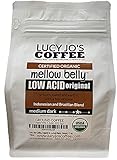
To prevent coffee from making you poop immediately, drink it after eating a meal rich in soluble fiber to buffer stomach acid. Switching to cold brew or low-acid coffee can also reduce the release of gastrin, slowing down colon contractions.
Quitting coffee is not required to avoid emergency bowel movements. Based on practical implementation and expert medical advice, you can manage your gut sensitivity by adjusting how and what you drink. Dietary fiber regulates colonic transit, making it your best defense against an overly aggressive gastrocolic reflex.
Follow these 4 steps to stop coffee from making you poop so fast:
1. Eat food before drinking: Consume soluble fiber (like oatmeal) before your first cup to buffer stomach acid production and slow down the gastrin spike.
2. Switch to dark roast or low-acid coffee: Darker roasts generally contain fewer chlorogenic acids, reducing the chemical triggers that excite smooth muscle tissues.
3. Remove dairy and artificial sweeteners: Drink your coffee black or use lactose-free, unsweetened alternatives to avoid compounding osmotic diarrhea.
4. Sip slowly over an hour: Chugging your coffee floods the stomach instantly. Sipping slowly stretches out the gastric acid secretion, softening the gastrocolic response.
Frequently Asked Questions About Why Does Coffee Make You Poop
Why does coffee make you poop so fast?
Coffee causes an immediate urge to poop because it rapidly triggers the gastrocolic reflex within 4 to 30 minutes of drinking. When acidic coffee hits the stomach lining, it instantly stimulates the release of gastrin and cholecystokinin. These hormones act as a chemical alarm, signaling the colon to contract and expel waste immediately to make room for new digestion.
Does smelling coffee make you want to poop?
Yes, simply smelling coffee can trigger an urge to poop due to the cephalic phase of digestion. During this phase, your brain anticipates the ingestion of food or coffee based on smell and sight. The brain signals the vagus nerve to jump-start stomach acid production and activate the gut, sometimes initiating mild colon contractions before you even take a sip.
Does coffee cause diarrhea or loose stool?
Coffee can cause diarrhea because it dramatically accelerates gut motility, giving the large intestine less time to absorb water from the stool. When stool moves through the colon too quickly due to coffee-induced muscle contractions, it remains watery. Furthermore, adding excess dairy or artificial sweeteners can draw even more water into the bowel, exacerbating loose stools.
Is it healthy that coffee makes you poop?
For most people, it is perfectly healthy and normal for coffee to stimulate a morning bowel movement. In fact, many individuals rely on coffee as a mild, natural laxative to maintain regularity. However, if coffee consistently causes painful cramping, severe diarrhea, or acid reflux, it indicates a potential gastrointestinal sensitivity or an underlying issue like IBS.
Does hot coffee make you poop faster than iced coffee?
Hot coffee generally stimulates bowel movements faster than iced coffee because warm liquids cause vasodilation, increasing blood flow to the digestive tract. Heat relaxes the gastrointestinal muscles and speeds up motility. Cold brew and iced coffee still contain the necessary acids and caffeine to trigger the gastrocolic reflex, but the chilling effect slightly delays the physiological response.
Does coffee make everyone poop?
No, coffee does not act as a laxative for everyone; clinical studies suggest it strongly stimulates bowel movements in roughly 30% to 40% of the population. Individual responses depend heavily on a person’s unique gut microbiome, baseline colon sensitivity, and the density of specific hormone receptors in their digestive tract. For some, coffee has no noticeable effect on bowel habits.
Can coffee help with constipation?
Yes, drinking a cup of warm, caffeinated coffee acts as a highly effective, natural remedy for mild constipation. Because coffee stimulates gastrin release and increases colonic motor activity, it helps push stagnant stool through the digestive tract. However, relying solely on coffee instead of dietary fiber and proper hydration remains unadvisable for chronic constipation.
Why does black coffee make you poop more than coffee with milk?
Black coffee is highly acidic and hits the stomach lining directly, triggering a faster and more intense release of gastrin. When you add milk, the fats and proteins buffer the acidity, slightly slowing down gastric emptying and hormone release. However, if you are lactose intolerant, adding milk actually causes more severe bowel urgency than black coffee.
Does espresso make you poop faster than drip coffee?
Espresso triggers a bowel movement faster than drip coffee because it is a highly concentrated dose of caffeine and chlorogenic acids. Taking a “shot” of espresso introduces these colon-stimulating compounds to the stomach all at once. This creates a rapid, concentrated spike in gastrin release compared to slowly sipping a larger cup of diluted drip coffee.
Why does coffee make you pee and poop?
Coffee acts as both a colonic stimulant and a mild diuretic, causing you to both pee and poop. While chlorogenic acids and gastrin trigger colon contractions for a bowel movement, caffeine increases blood flow to the kidneys. This prompts the kidneys to filter more water out of your bloodstream, filling the bladder and causing the urge to urinate.
Key Takeaways: Why Coffee Makes You Poop
- ✅ The Gastrocolic Reflex Is The Main Trigger: Coffee initiates a rapid chemical signal from the stomach to the colon, known as the gastrocolic reflex, which causes smooth muscle contractions and the urge to poop.
- ✅ Gastrin and CCK Accelerate Digestion: Drinking coffee forces the stomach lining to release gastrin and cholecystokinin (CCK), two essential hormones that spike stomach acid and increase gut motility.
- ✅ Decaf Causes Bowel Movements Too: Caffeine is not the only culprit. Decaf coffee still contains chlorogenic acids and melanoidins, which strongly stimulate the colon regardless of caffeine content.
- ✅ An Empty Stomach Speeds Up The Process: Drinking acidic coffee first thing in the morning on an empty stomach results in a faster, more intense hormone release compared to drinking it after a meal.
- ✅ Dairy And Sweeteners Can Make It Worse: If you are sensitive to lactose or artificial sweeteners, adding creamers or syrups draws excess water into the bowels, causing loose stools or diarrhea.
- ✅ Energy Drinks Lack Coffee’s Unique Acids: Highly caffeinated energy drinks do not cause the same laxative effect because they lack the specific plant-based acids found in roasted coffee beans.
- ✅ You Can Manage The Urgency: To slow down the laxative effect, eat soluble fiber before drinking, switch to a low-acid roast, and avoid chugging your morning cup.
Final Thoughts on Why Coffee Makes You Poop
Ultimately, coffee makes you poop because its unique blend of acids and caffeine acts as a powerful stimulant for your digestive hormones. As of October 2026, gastroenterology consensus continues to support that this rapid bowel movement serves as a harmless and healthy part of a daily routine for most people. The combination of gastrin release, chlorogenic acids, and the natural awakening of your circadian rhythm creates the perfect environment for morning colonic motility.
By understanding how your digestive system reacts to acidity, caffeine, and common additives like dairy, you gain control over your gut health. Implementing small changes—like eating dietary fiber beforehand or switching to a low-acid roast—allows you to enjoy your daily coffee consumption without the stress of an emergency bathroom visit. While coffee acts as an excellent natural digestive aid, always consult a gastroenterologist if you experience severe, chronic digestive distress.
Last update on 2026-10-12 / Affiliate links / Images from Amazon Product Advertising API
