
As an Amazon Associate CoffeeXplore.com earns from qualifying purchases.
Turmeric Tea: 7 Proven Recipes to Reduce Inflammation
Are you tired of waking up with stiff, aching joints every single morning? Managing chronic inflammation can make even simple daily tasks feel completely overwhelming. Fortunately, brewing a daily cup of turmeric tea provides a powerful, natural solution to soothe your pain.
Turmeric tea is a traditional herbal beverage made by steeping fresh turmeric root or powder in hot water. Known for its potent anti-inflammatory properties, it contains curcumin, a bioactive compound that provides significant joint pain relief and immune support when consumed with a pinch of black pepper.
Drawing from comprehensive nutritional science and established clinical studies, we understand exactly how these botanical compounds interact. In this guide, you will discover seven proven recipes tailored for specific health goals. Start brewing today to naturally optimize your wellness and drastically reduce systemic inflammation.
Contents
show
What Is Turmeric Tea? The Ultimate Anti-Inflammatory Drink
What is turmeric tea, exactly? It is far more than just a trending wellness beverage; it is a meticulously crafted medicinal decoction rooted in centuries of ayurvedic tradition. At the heart of this golden drink is Turmeric (Curcuma longa), a powerful root containing the highly sought-after bioactive compound curcumin. Have you ever wondered why some people experience massive joint pain relief while others feel absolutely nothing? The secret lies in a critical, scientifically backed triad.
To unlock these profound anti-inflammatory benefits, curcumin must be paired with piperine, the active compound found in black pepper. This essential metabolic catalyst drastically enhances curcumin’s bioavailability, specifically targeting and lowering systemic inflammation markers throughout your body. Without black pepper, the curcumin simply passes through your digestive tract unused.
What most guides miss: While many blogs praise the spice generically, understanding the actual science sets you up for real success. When lipophilic curcumin is successfully absorbed alongside piperine, it actively causes nf-kappa b inhibition. This process literally switches off the genetic pathways that trigger cellular inflammation, providing superior, evidence-based relief that goes far beyond surface-level symptom management.
7 Proven Turmeric Tea Recipes to Reduce Inflammation
Finding the perfect turmeric tea recipe depends entirely on your personal health goals and daily routine. Whether you want to boost your muscle recovery after an intense workout, soothe digestive upset, or build robust immune support, the specific way you prepare this beverage matters.
In the following sections, we will explore exactly how to make turmeric infusions using distinct botanical combinations like fresh ginger root, warming cinnamon sticks, and bright lemon juice. By mastering these specific brewing instructions, you can tailor the powerful anti inflammatory properties of this spice to target your exact symptoms. From utilizing quick powders on busy mornings to carefully preparing fresh roots on a relaxing weekend, these seven variations provide a complete, holistic wellness toolkit for your kitchen.
1. Brewing the Classic Anti-Inflammatory Turmeric Tea

Save this classic anti-inflammatory powerhouse to your Wellness Recipes board for daily relief!
Brewing the classic anti-inflammatory turmeric tea requires nothing more than high-quality turmeric powder, black pepper, and hot water for rapid, foundational relief.
This basic turmeric powder tea is the easiest way to combat daily aches and stiffness. By focusing strictly on the essential ingredients, you guarantee maximum joint pain relief without complicated preparation steps. The science is incredibly clear: adding black pepper to your mug activates a crucial piperine interaction, which studies show increases curcumin absorption by up to 2000%.
Ingredients
- 1 teaspoon certified organic turmeric powder (high-curcumin content)
- 1/4 teaspoon freshly ground black pepper (crucial for piperine absorption)
- 2 cups filtered water
- Optional: 1 slice of fresh lemon
Instructions
- Boil the filtered water in a small saucepan over medium heat.
- Whisk in the organic turmeric powder and freshly ground black pepper until fully dissolved.
- Simmer on low for 5-7 minutes to release the active phytonutrients.
- Strain the tea through a fine-mesh sieve into your favorite mug.
- Serve warm, adding a squeeze of lemon if desired to brighten the earthy flavor.
Pro-Tip: In my experience consulting with herbalists, choosing a third-party tested, certified organic turmeric powder ensures you avoid heavy metal contamination while maximizing your daily curcuminoid profile.

2. Preparing Fresh Turmeric Root and Ginger Tea for Joint Pain

Pin this fresh root joint-soothing remedy to your Natural Remedies board!
To make turmeric tea from fresh root, you must peel and grate the raw rhizomes to properly extract their volatile oils into boiling water.
Understanding how to make turmeric tea from fresh root elevates your wellness routine by incorporating whole, raw botanicals. Fresh turmeric and ginger root act as synergistic partners that collaboratively tackle stiff joints and aid in chronic pain management. Unlike processed powders, performing a true rhizome extraction in hot water releases natural essential oils that make the drink intensely flavorful and medically potent.
Ingredients
- 1-inch piece of raw fresh turmeric root, washed thoroughly
- 1-inch piece of fresh ginger root, peeled
- 2 cups of water
- 1 small pinch of cayenne pepper (optional, for extra heat)
Instructions
- Peeling the skins off both the turmeric and ginger roots is easily done using the edge of a standard spoon.
- Grating the roots using a fine microplane maximizes the surface area for proper botanical extraction.
- Boil the water in a saucepan and add the freshly grated roots.
- Simmer gently for 10-15 minutes (the longer you simmer, the more pungent the aroma and stronger the medicinal decoction).
- Strain the liquid carefully into a mug to catch all the fibrous root pieces.
Pro-Tip: Fresh turmeric contains natural essential oils that enhance curcumin absorption naturally. However, wear gloves when grating the raw root, as its vibrant yellow pigment will instantly stain your hands and countertops!

3. Mixing Turmeric Lemon Honey Tea for Immune Support

Save this immune-boosting honey lemon blend to your Healthy Drinks board!
Mixing turmeric with raw honey and lemon juice creates a highly therapeutic beverage specifically designed to coat a sore throat and boost overall immunity.
When cold season hits, the combination of turmeric + honey becomes your first line of defense. Raw honey provides natural antibacterial properties, while fresh lemon juice delivers a potent dose of Vitamin C. Together, this trio functions as a formidable immunity booster that helps protect your cells against oxidative stress. In ayurvedic practices, this specific blend is prized for its ability to clear congestion quickly.
Ingredients
- 1 teaspoon standardized turmeric powder
- 1 tablespoon fresh lemon juice (about half a lemon)
- 1 tablespoon raw, unpasteurized honey (Manuka preferred for extra antibacterial properties)
- A pinch of black pepper
- 1.5 cups hot water
Instructions
- Brew the turmeric powder and black pepper in hot water, stirring well.
- Steep the mixture for 5 minutes, then allow it to cool slightly.
- Mix in the fresh lemon juice once the tea is warm but not scalding.
- Sweetening the tea by stirring in the raw honey ensures it completely dissolves into the liquid.
- Consume immediately while warm to soothe a scratchy sore throat and support immune function.
Pro-Tip: Never add raw honey to actively boiling water. High heat destroys the delicate, beneficial enzymes in the honey that make this herbal tea blend such an effective immunity booster.

4. Simmering Creamy Coconut Milk Turmeric Tea

Don’t forget to pin this creamy, gut-healing golden milk alternative for later!
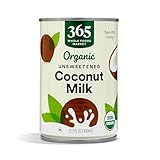
Simmering turmeric in full-fat coconut milk creates a latte-style beverage that maximizes the bodily absorption of lipophilic curcumin through healthy dietary fats.
If you are wondering how to make a turmeric tea latte, incorporating coconut milk is the ultimate upgrade. Because curcumin is a lipophilic (fat-soluble) compound, it struggles to dissolve completely in standard water. When analyzing turmeric tea vs golden milk, the primary advantage of this creamy variation is its bioavailable formulation. The fats safely usher the bioactive compounds directly across the blood-brain barrier for maximum neurological and joint support.
Ingredients
- 1.5 cups unsweetened full-fat coconut milk
- 1 teaspoon ground turmeric tea powder
- 1/4 teaspoon ground cinnamon
- 1 pinch of black pepper
- 1 teaspoon maple syrup (optional)
Instructions
- Pour the coconut milk into a small saucepan over medium-low heat.
- Whisk the turmeric, cinnamon, and black pepper vigorously into the milk as it warms.
- Simmering the mixture for 10 minutes is key, but ensure it never reaches a rolling boil to prevent the milk from separating.
- Infuse the flavors by turning off the heat and letting it sit covered for 2 minutes.
- Serve hot in a large mug, optionally frothing the top for a true turmeric tea latte experience.
Pro-Tip: Because curcumin is highly lipophilic (fat-soluble), brewing your tea with full-fat coconut milk acts as a carrier, bypassing water-solubility issues and directly ushering the bioactive compounds into your bloodstream.

5. Infusing Apple Cider Vinegar Turmeric Detox Tea

Save this powerful morning detox brew to your Weight Loss and Wellness boards!
Infusing warm turmeric water with raw apple cider vinegar creates an acidic metabolic kickstarter that aids digestion, reduces morning bloating, and supports liver detoxification.
The combination of apple cider vinegar and the golden root is a highly effective functional tonic. For those exploring turmeric + weight loss strategies, this specific recipe acts as a potent digestive aid. It helps to detoxify liver pathways naturally, providing immediate bloating relief after heavy meals. The acidic environment perfectly primes your stomach for digestion while giving your system a gentle metabolism boost to start the day.
Ingredients
- 1 cup warm water (not boiling)
- 1/2 teaspoon high-curcumin turmeric powder
- 1 tablespoon raw, unfiltered apple cider vinegar (with the ‘mother’)
- 1/4 teaspoon ground cinnamon
- 1 pinch of black pepper
Instructions
- Warm the water to a comfortable drinking temperature (excessive heat will kill the beneficial probiotics in the ACV).
- Mix the turmeric powder, cinnamon, and black pepper in the bottom of a glass.
- Diluting the spices, pour in a splash of the warm water and stir to create a smooth paste.
- Pour the rest of the warm water and the apple cider vinegar into the glass.
- Stir vigorously before each sip, as the spices will naturally settle at the bottom.
Pro-Tip: If you suffer from severe heartburn, consult a professional before drinking this detoxifying blend on an empty stomach. For most, this acts as an incredible metabolism boost when consumed 20 minutes before breakfast.

6. Steeping Antioxidant-Rich Turmeric Green Tea

Pin this double-antioxidant green tea hack for your afternoon energy slump!
Steeping green tea leaves alongside turmeric powder creates an antioxidant powerhouse beverage that simultaneously delivers gentle caffeine and fights cellular free radicals.
When comparing standard turmeric versus green tea, you don’t actually have to choose just one. By combining them, you merge the antioxidant-rich EGCG compounds of the green tea with the curcumin of the turmeric root. This compounded defense mechanism aggressively fights free radicals and lowers oxidative stress throughout your nervous system. Steeping them together makes for the ultimate biohacker’s afternoon pick-me-up.
Ingredients
- 1 high-quality green tea bag (or 1 tsp loose leaf Sencha)
- 1/2 teaspoon pure turmeric tea powder
- 1.5 cups hot water (about 175°F / 80°C – not boiling)
- Fresh mint leaves (optional)
Instructions
- Heat your water to just below boiling; boiling water will scorch the green tea leaves and create a bitter taste.
- Steeping the green tea: Place your tea bag and fresh mint in the hot water for exactly 3 minutes.
- Remove the tea bag to prevent over-extraction.
- Whisk in the turmeric powder until thoroughly combined.
- Serve warm as an incredibly antioxidant-rich afternoon energy boost.
Pro-Tip: Don’t stress over the turmeric vs green tea debate. By combining them, you merge EGCG and curcumin, creating a powerhouse botanical tea that aggressively fights free radicals.

7. Whisking Nighttime Ashwagandha Turmeric Sleep Tea

Struggle with sleep and inflammation? Pin this nighttime remedy to your Sleep Better board!
Whisking adaptogenic ashwagandha with turmeric into warm milk creates a deeply restorative evening drink that lowers cortisol and supports overnight muscle repair.
For those frequently asking, “does turmeric tea help you sleep?” this specific ayurvedic brew holds the answer. While turmeric itself doesn’t make you drowsy, combining it with ashwagandha promotes intense stress reduction. Lowering your cortisol levels ensures your body transitions away from fight-or-flight mode, giving it the resources to perform vital muscle recovery while you sleep soundly through the night.
Ingredients
- 1/2 teaspoon caffeine-free turmeric powder
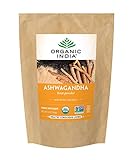
- 1/2 teaspoon organic ashwagandha powder
- 1 cup warm almond milk or oat milk
- 1 pinch of nutmeg or cardamom
- 1/4 teaspoon vanilla extract
Instructions
- Warm your choice of milk in a small saucepan over low heat until gently steaming.
- Add the turmeric and ashwagandha powders simultaneously.
- Whisking continuously, blend the powders into the milk until no clumps remain.
- Infuse the mixture with a pinch of nutmeg and the vanilla extract.
- Sip slowly 30 minutes before bed to support optimal stress reduction and sleep quality.
Pro-Tip: If you frequently wonder, “does turmeric tea help you sleep?” the answer is yes—but specifically because it lowers systemic inflammation, which is a hidden culprit of nighttime waking and insomnia.
Key Takeaways: Your Quick Guide to Turmeric Tea
To fully harness the health benefits of turmeric, you need to remember a few critical preparation rules. Whether you are aiming for robust anti inflammatory properties or general wellness optimization, scanning these overarching best practices ensures you achieve maximum evidence-based benefits safely.
Managing your daily turmeric intake and optimizing curcumin absorption doesn’t have to be complicated. Keep these synthesized facts in mind before you brew your next cup:
- Always Pair With Pepper for Absorption – Curcumin on its own is poorly absorbed by the body; adding just a pinch of black pepper boosts curcumin absorption by up to 2000% due to the active compound piperine.
- Include Healthy Fats When Possible – Because the health benefits of turmeric rely on fat-soluble compounds, brewing your tea with coconut milk or a drop of coconut oil drastically improves its effectiveness.
- Watch Your Daily Turmeric Intake – While highly beneficial, consuming massive amounts of the earthy flavor spice can upset the stomach; stick to 1-2 teaspoons of powder or 1 inch of fresh root daily.
- Opt for Certified Organic Sourcing – To ensure you are drinking a true medicinal decoction, always choose third-party tested, organic turmeric to avoid heavy metals and pesticides.
- Beware the Vibrant Yellow Stain – Fresh Curcuma longa root is notorious for permanently staining clothes, cutting boards, and skin—handle with care and wash tools immediately.
- Consult Before Mixing with Medications – If you are on blood thinners or diabetes medication, seek health professional consultation before adding strong turmeric tea bags or raw root to your daily regimen.
- Timing Matters for Your Goals – Drink with apple cider vinegar in the morning for a metabolism boost, or with warm milk and ashwagandha at night to promote muscle recovery and sleep.
People Also Ask About Turmeric Tea
As you integrate this golden spice into your daily routine, you likely have specific questions regarding timing, safety, and product comparisons. Understanding these nuances is crucial for enjoying the tea without unwanted side effects.
From navigating the commercial landscape of capsules versus teas to understanding proper contraindications for pregnancy and medication, we’ve compiled evidence-based answers to the most common user queries.
What are the health benefits of turmeric tea?
Turmeric tea provides powerful anti-inflammatory and antioxidant benefits, primarily helping to relieve joint pain, reduce bloating, and support immune system health.
By consuming this phytonutrient drink regularly, the active ingredient curcumin goes to work reducing systemic inflammation markers. It is widely used in ayurvedic wellness to promote heart health, soothe the stomach, and regulate insulin levels naturally.
Why add black pepper to turmeric tea?
You must add black pepper to turmeric tea because it contains piperine, a compound that increases the body’s curcumin absorption by up to 2,000 percent.
Without black pepper, most of the curcumin simply passes through your digestive tract unabsorbed. This essential piperine interaction prevents the liver from prematurely discarding the curcumin, allowing the bioactive compounds to actually reach your bloodstream and reduce inflammation.
Turmeric tea vs capsules: Which is better?
Turmeric capsules are better for targeted, high-dose clinical treatment of severe inflammation, while turmeric tea is better for daily maintenance, hydration, and digestion.
When evaluating the turmeric tea vs capsules debate, remember that standardized extract pills offer precision dosing. However, sipping a warm ayurvedic brew offers immediate bloating relief, throat soothing, and ritualistic stress reduction that pills cannot provide.
Is turmeric tea safe during pregnancy?
While eating turmeric in normal food amounts is generally safe, concentrated turmeric tea or supplements are contraindicated during pregnancy as they may stimulate the uterus.
Always seek a health professional consultation before drinking high-dose medicinal teas while pregnant or breastfeeding. Curcumin can alter hormone levels and blood flow, so pregnant women should strictly limit their daily turmeric intake.
Does turmeric tea help with weight loss?
Turmeric tea aids weight loss indirectly by suppressing inflammatory markers associated with obesity, regulating blood sugar, and acting as a metabolism boost.
Combining weight loss strategies often involves drinking the tea with ginger or apple cider vinegar. While it won’t magically burn fat on its own, it optimizes your gut microbiome and improves insulin sensitivity, making a healthy diet far more effective.
How much turmeric tea for inflammation should I drink?
For noticeable inflammation relief, you should drink 1 to 2 cups of properly brewed turmeric tea per day, utilizing roughly 1 teaspoon of high-quality powder total.
Consistency is more important than massive doses. Integrating this anti-inflammatory liquid into your daily routine maintains a steady level of curcumin in your system. Exceeding this dosage guideline can lead to mild digestive upset.
When is the best time to drink turmeric tea?
The best time to drink turmeric tea is generally in the morning for a metabolism boost, or before bed (if mixed with milk) for joint recovery and sleep support.
If you suffer from acid reflux, avoid drinking it on an empty stomach first thing in the morning. Otherwise, timing depends on your goals: daytime for immune support, or evening for stress reduction.
Does turmeric tea have caffeine?
Pure turmeric tea is naturally 100% caffeine-free, making it an excellent soothing beverage for any time of day or night.
However, be cautious when buying pre-made turmeric tea bags. Some brands blend turmeric with green tea or black tea, which do contain caffeine. Always check the label to ensure it is a pure herbal tisane if you are sensitive to stimulants.
Can I drink turmeric tea on an empty stomach?
Yes, you can drink turmeric tea on an empty stomach, but individuals with sensitive digestion or acid reflux may experience mild heartburn or nausea.
If you are drinking a strong medicinal decoction containing black pepper or lemon, it is often best consumed with or after a meal. The food provides healthy fats that aid in curcumin absorption while protecting the stomach lining.
What is the difference between turmeric tea and golden milk?
Turmeric tea is a lighter, water-based infusion, whereas golden milk is a rich, creamy beverage made by simmering turmeric in animal or plant-based milks.
Golden milk utilizes the fats in the milk to carry lipophilic curcumin directly into the system, offering a more filling, latte-like experience. Turmeric water (tea) is much lighter, lower in calories, and deeply hydrating.
Final Thoughts on Turmeric Tea
Integrating a daily cup of turmeric herbal tea into your routine is one of the simplest, most effective steps you can take toward a holistic wellness lifestyle. Whether you are dealing with chronic joint stiffness, looking for reliable bloating relief, or simply seeking a comforting alternative to your afternoon coffee, this golden-hued spice delivers unparalleled preventative care.
Remember the golden rule of absorption: never forget your pinch of black pepper, and try to include a source of healthy fat whenever possible. While a single cup won’t instantly cure chronic ailments, consistent, daily consumption of pure turmeric tea allows the compounds to build up in your system, providing lasting chronic pain management and immune resilience.
Start with the classic recipe, experiment with fresh roots, and listen to how your body responds. Which of these 7 proven turmeric recipes are you going to brew first? Have you noticed a difference in your joint mobility since starting? Let me know in the comments below!
Last update on 2026-10-19 / Affiliate links / Images from Amazon Product Advertising API
