
As an Amazon Associate CoffeeXplore.com earns from qualifying purchases.
Tea Latte Recipe: 7 Easy Steps for a Creamy Barista Brew
Have you ever craved a cozy café beverage, only to brew a disappointing, weak cup at home? Figuring out how to make a tea latte often results in a frustratingly watery drink that ruins your morning. You desperately need a reliable watery tea latte fix to enjoy that perfect sip.
To make a perfect tea latte, brew a highly concentrated tea base using a 1-to-1 ratio of double-strength tea to hot frothed milk. Steep 2 tablespoons of loose leaf tea in 4 ounces of hot water, then combine it with 4 ounces of steamed milk and sweeten to taste. This simple tea and milk latte formula guarantees a rich, creamy texture every single time.
Drawing from established tea-to-water ratio standards and proven barista approved ratios, this methodology transforms your home kitchen into a specialty café. Updated for 2026, you will discover the exact temperature controls and steeping techniques required for a flawless tea latte recipe. Master this golden ratio formula to elevate your daily routine today.
Contents
show
How to Make a Tea Latte Recipe That Isn’t Watery
Making a tea latte that isn’t watery requires brewing a double-strength tea concentrate before adding steamed milk. Most competitor recipes simply tell you to mix hot tea and milk, which completely dilutes the final beverage. Unlike standard brewing, our approach highlights the culinary science of balancing a robust strong tea brew with perfectly textured steamed milk.
When you try to combine standard steeped tea with dairy, the water content overpowers the milk fats. This results in a thin, disappointing cup that lacks that signature coffee-shop richness. By understanding the underlying mechanics of a true tea latte base, you can bypass this common pitfall. A professional homemade tea latte demands precise measurements and specific liquid proportions. We will guide you through this highly effective watery tea latte fix so you can stop guessing and start pouring. This foundational knowledge sets the stage for our definitive 7-step process.
Tea Latte Recipe: 7 Easy Steps for a Creamy Barista Brew
The perfect tea latte requires seven precise steps: measuring tea, heating water, brewing concentrate, selecting milk, frothing for microfoam, combining liquids, and sweetening to taste. Following this exact sequence ensures a perfectly balanced, creamy beverage from scratch.
Creating an exceptional tea latte is a straightforward process when you break it down into manageable, actionable phases. Whether you prefer loose leaf tea or convenient tea bags, the journey from dry leaves to a luscious frothed oat milk or whole milk masterpiece relies on technique. You will learn the optimal steeping temperature guidelines and the science behind milk fat percentage microfoam. By respecting the tannin extraction rate, you prevent bitterness and achieve a velvety texture. Let’s dive into the detailed, step-by-step instructions for crafting your ultimate perfect tea latte at home.
1. Measure Your Loose Leaf Tea or Tea Bags

Save this critical tea-to-water ratio to your recipe boards so you never brew a weak latte again!
Measuring your ingredients precisely is the first step to creating a robust tea latte. You must use double the amount of tea required for a standard cup. Using ceremonial grade matcha or premium loose leaf tea ensures a bold flavor profile that won’t get lost in the dairy.
Ingredients
- 2 tablespoons of premium loose leaf tea (like Earl Grey tea or Chai tea) OR 2-3 high-quality tea bags.
- 4 ounces of fresh, cold filtered water (ready for heating).
- Optional: 1 teaspoon of ceremonial grade matcha powder if making a matcha green tea latte.
Instructions
- Measure ingredients precisely using a kitchen scale or specialized tea spoon. You need double the amount of tea you would normally use for a standard cup.
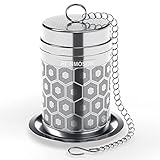
- Place the loose leaf tea into a fine-mesh steeper or prepare your tea bags in a heat-safe 16 oz mug.
- If using matcha, whisk powder through a fine sieve to remove any clumps before brewing.
Pro-Tip: In my experience as a barista, the biggest mistake home brewers make is using a standard 1-bag-to-8-ounces ratio. To achieve optimal soluble tea solids ratio and prevent a watery drink, you must double the tea-to-water ratio to create a robust tea latte base.
2. Heat Water to the Optimal Temperature

Pin this temperature guide to your coffee bar inspiration board!
Heating water to the exact temperature required for your specific tea type prevents bitter, burnt flavors. Proper hot temperature water extracts the best natural aromatics from your tea infusion without ruining the delicate leaves.
Ingredients
- 4 ounces of cold, filtered water (poor quality water flattens the tea infusion).
- A digital thermometer or variable temperature kettle.
Instructions
- Heat water based on your specific tea type to ensure proper tannin extraction rate.
- For black teas (like English Breakfast or Earl Grey) and herbal teas, heat to 208°F – 212°F (just off a rolling boil).
- For green teas and matcha, stop heating at 175°F to prevent scorching the delicate leaves, which causes severe bitterness.
Pro-Tip: Using boiling water on green tea accelerates the tannin extraction rate, instantly pulling out astringent compounds. Investing in a variable temperature kettle provides the exact temperature control needed to prevent a bitter homemade tea latte.


3. Brew the Strong Tea Concentrate

Save this brewing step to remember the perfect 5-minute steep time!
Brewing a strong tea concentrate creates the flavorful foundation needed to stand up against frothed milk. The proper tea concentrate ratio dictates the final quality and richness of your tea and milk latte.
Ingredients
- Your pre-measured loose leaf tea or tea bags.
- 4 ounces of water heated to the correct temperature.
- A timer (crucial for calibrated steep times).
Instructions
- Pour the 4 ounces of hot water directly over your tea leaves to brew concentrate.
- Steep tea for exactly 4 to 5 minutes for black and herbal teas, or 2 to 3 minutes for green teas.
- Strain leaves immediately or remove the tea bags to halt the brewing process and prevent over-steeped tea bitterness.
Pro-Tip: Do not squeeze the tea bags when removing them! Squeezing forces trapped tannins into your tea base liquid, resulting in a bitter cup. Let gravity do the work to maintain optimal viscosity of tea concentrate.

4. Select and Measure Your Milk

Pin this guide to choosing the perfect dairy-free milk for lattes!
Selecting a high-fat milk ensures you can create the stable microfoam required for a true latte texture. Choosing between oat milk vs almond milk for tea lattes significantly impacts your drink’s final creaminess and mouthfeel.
Ingredients
- 4 to 6 ounces of your preferred milk (Whole milk, or a barista-edition oat milk / almond milk).
- A liquid measuring cup.
Instructions
- Choose a milk with adequate fat and protein content; whole milk or barista-edition plant milk latte alternatives yield the most stable microfoam bubble stability.
- Measure 4 to 6 ounces of milk, maintaining the golden 1:1 or 1:1.5 tea concentrate ratio to milk.
- Pour the milk into a stainless steel frothing pitcher or microwave-safe mug for heating.
Pro-Tip: If you’re aiming for a healthy dairy free matcha tea latte recipe, always opt for a “barista edition” oat milk. Standard almond or coconut milks lack the necessary emulsifiers, leading to a separating almond milk fix scenario when mixed with acidic teas.

5. Steam and Froth for Microfoam

Save this frothing hack to get coffee-shop microfoam at home!
Steaming and frothing your milk introduces tiny air bubbles that create a velvety, sweet microfoam. You can easily froth milk using an electric whisk or a simple French press if you lack specialized gear.
Ingredients
- 4 to 6 ounces of measured milk.
- An electric whisk, hot milk frother, or clean french press.
Instructions
- Steam milk by heating it to exactly 140°F – 150°F on the stove or in the microwave. Do not exceed 155°F, or you risk scalding the dairy.
- Froth milk using a handheld hot milk frother by submerging the wand just below the surface to introduce air, creating microfoam milk.
- If you lack a frother, pour the hot milk into a french press and vigorously pump the plunger up and down for 20 seconds to achieve velvety frothed milk.
Pro-Tip: To achieve perfect microfoam bubble stability, tap your frothing pitcher on the counter firmly a few times after frothing. This pops any large, unsightly soap-like bubbles, leaving only the creamy, velvety tea foam essential for a perfect tea latte.

6. Combine the Concentrate and Steamed Dairy

Pin this satisfying pouring shot—the moment your latte comes to life!
Combining the liquids properly ensures the flavors blend seamlessly without curdling the milk. Marrying the tea concentrate + steamed milk requires a slow, controlled pour to preserve the foam structure.
Ingredients
- Your 4 oz brewed tea concentrate.
- Your 4-6 oz frothed milk.
- A 12 to 16-ounce mug (like a clear double-wall glass mug to see the layers).
Instructions
- Pour the hot tea base liquid into your favorite mug first.
- Slowly combine liquids by pouring the steamed milk directly into the center of the tea concentrate, holding back the foam with a spoon if necessary.
- Top the beverage by scooping the remaining dense tea foam onto the surface.
Pro-Tip: If you are struggling with a dairy curdling in citrus tea fix (common with highly acidic fruit teas or Earl Grey), always pour the milk into the mug first, then slowly add the tea concentrate. This tempers the milk and prevents the proteins from shocking and separating!

7. Sweeten to Taste and Garnish

Save these pro-garnishing tips to make your homemade lattes look like a $6 cafe drink!
Sweetening to taste and adding garnishes elevates your drink into a true coffee-shop experience. Deciding between a honey vs simple syrup sweetener changes the entire flavor profile of your finished cup.
Ingredients
- 1-2 teaspoons of sweetener (simple syrup, raw honey, maple syrup, or agave).
- 1/4 teaspoon of vanilla extract (optional, essential for a london fog tea latte).
- Garnish: Cinnamon, nutmeg, or culinary lavender buds.
Instructions
- Add your chosen sweetener to the hot liquid to sweeten to taste. (For iced variations, always use a liquid simple syrup to ensure you easily dissolve sugar).
- Stir gently to incorporate the flavors without destroying the delicate microfoam milk on top.
- Garnish the foam with a sprinkle of cinnamon, matcha powder, or dried florals for a coffee-shop aesthetic.
Pro-Tip: Granulated sugar struggles to dissolve in a tea and milk latte once the milk is added, often sinking to the bottom. To ensure an even flavor balance guidelines, stir your sweetener directly into the hot tea concentrate before you add the steamed milk!

Key Takeaways: Your Quick Guide to the Perfect Tea Latte Recipe
The most crucial elements of a perfect tea latte recipe involve maintaining the golden concentrate ratio and controlling temperature. When you are rushing in the morning, keeping these fundamental rules in mind ensures you never end up with a watery disaster. Reviewing these barista tested recipe highlights helps reinforce your mastery over the brewing process. Use this quick reference guide to rapidly double-check your steeping times and dairy choices before you begin making your drink.
Key Takeaways:
- The Golden 1:1 Tea Concentrate Ratio: To fix a watery drink, you must brew a double-strength tea concentrate (2 tablespoons of tea per 4 oz water) and mix it with an equal part of steamed milk.
- Temperature Calibration Matters: Never use boiling water on green tea or matcha; stop at 175°F to preserve the l-theanine content preservation and prevent astringent bitterness. Black and herbal teas need 212°F.
- Halt the Steeping Process: Remove your loose leaf tea or tea bags after exactly 4-5 minutes. Squeezing the bags or over-steeping causes a severe over-steeped tea bitterness.
- Choose the Right Dairy: Whole milk or “barista edition” oat milk contains the precise protein and fat content required for optimal microfoam bubble stability and creamy texture.
- Solve Milk Curdling Instantly: If your dairy curdling in citrus tea fix isn’t working with Earl Grey, reverse the pour: add the hot milk to your mug first, then slowly pour in the tea concentrate to temper the proteins.
- Sweeten the Base, Not the Milk: Always dissolve sugar or simple syrup into the hot tea concentrate before adding the frothed milk to maintain perfect flavor balance guidelines throughout the drink.
FAQs About Tea Latte Recipe
Understanding the nuances of brewing helps answer common questions about creating the ideal tea latte. Whether you are wondering about iced variations or trying to solve a bitter aftertaste, these expert insights cover all your bases. Let’s explore the most frequent queries home baristas have when perfecting their daily brew.
What is the water to milk ratio for a tea latte?
The ideal water to milk ratio for a tea latte is 1:1, meaning one part double-strength tea concentrate to one part frothed milk.
Using 4 ounces of highly concentrated tea mixed with 4 to 6 ounces of steamed milk ensures the bold tea flavor pushes through the dairy, effectively solving the common watery tea latte fix. If you use a standard cup of brewed tea (8 oz) and add milk, the drink will taste incredibly weak and diluted.
How do you froth milk for tea without a frother?
You can easily froth milk without a frother by pouring warm milk into a French press and vigorously pumping the plunger up and down for 20-30 seconds.
This mechanical aeration technique creates beautifully thick microfoam milk that rivals an electric hot milk frother. Alternatively, you can vigorously shake warm milk in a tightly sealed mason jar, though the resulting foam will be slightly less velvety and stable.
What is a tea latte called at Starbucks?
At Starbucks, a tea latte is generally named after the specific tea used, with the most famous being the “London Fog Tea Latte” (Earl Grey) and the “Chai Tea Latte.”
If you order a copycat starbucks london fog earl grey tea latte, you are getting strong Earl Grey tea, steamed milk, and vanilla syrup. They also offer Royal English Breakfast Tea Lattes and Matcha Green Tea Lattes using the same concentrated base methods.
Can you make an iced tea latte?
Yes, you can make an iced tea latte by brewing your tea concentrate, sweetening it while hot, pouring it directly over a full cup of ice, and topping it with cold milk.
To create a homemade iced black tea latte recipe, ensure you use a liquid simple syrup so it dissolves completely. Using a cold foam aeration technique on your milk before pouring it over the ice elevates the texture of the iced refresh drink significantly.
How to keep tea lattes from curdling milk?
To prevent milk from curdling in a tea latte, pour the warm milk into your mug first, then slowly pour the hot tea concentrate into the milk.
Curdling happens when milk proteins suffer an acidic shock, usually when mixed with highly acidic fruit teas or strong Earl Grey. Reversing the pour tempers the milk. Additionally, ensure you aren’t using a scalding milk temperature solution; keep milk below 155°F to prevent milk protein denaturation during steaming.
Why is my tea latte bitter?
Your tea latte is bitter either because you steeped the tea leaves for too long (over 5 minutes) or you used boiling water on delicate green or white teas.
When tea is over-extracted, the tannin extraction rate spikes, releasing highly astringent compounds. Always set a timer for your calibrated steep times and remove the tea bags promptly. Never squeeze the bags when removing them, as this forces trapped, bitter tannins into your tea base liquid.
What milk is best for tea lattes?
Whole dairy milk or “barista edition” oat milk are the best choices for tea lattes due to their optimal fat and protein content.
These milks provide the best microfoam bubble stability and creamy mouthfeel. When comparing oat milk vs almond milk for tea lattes, standard almond milk often lacks the emulsifiers needed to hold foam and is highly prone to separating or curdling when mixed with hot, acidic tea.
Does a tea latte have espresso?
A standard tea latte does not contain espresso; it uses a highly concentrated tea brew as the base instead of coffee.
However, if you order a “Dirty Chai” (a dirty chai vs regular chai tea latte), this specific variation includes one or two shots of espresso poured into the spiced tea and steamed milk. Otherwise, the caffeine in a simple tea latte comes entirely from the tea leaves.
Is a London Fog a tea latte?
Yes, a London Fog is a specific type of tea latte made using Earl Grey tea, steamed milk, and vanilla syrup.
The bergamot citrus notes of the Earl Grey tea pair beautifully with the sweet vanilla extract and frothed milk. It is one of the most popular sweetened tea latte variations ordered in coffee shops worldwide.
How many calories in a homemade tea latte?
A homemade 12-ounce tea latte made with whole milk and no added sweetener contains approximately 75 to 90 calories.
The tea concentrate itself has zero calories. If you choose to sweeten to taste with a tablespoon of honey or simple syrup, add roughly 50 to 60 calories. Opting for a low calorie tea latte using unsweetened almond milk can drop the total calorie count to under 40 calories per drink.
Final Thoughts on Your Homemade Tea Latte Recipe
Mastering the perfect tea latte recipe all comes down to respecting the culinary science behind the brew. By ditching the standard cup-of-tea method and embracing the double-strength tea concentrate ratio, you’ve completely eliminated the risk of a sad, watery drink. Once you control the water temperature calibration and perfect your barista milk frothing technique, your kitchen effectively becomes your favorite neighborhood café.
The true beauty of learning how to make a tea latte at home using these seven foundational steps is the infinite versatility it offers. This single tea latte base methodology works flawlessly whether you are craving a comforting, vanilla-laced London Fog on a rainy morning, an iced matcha tea latte for a summer afternoon boost, or a soothing decaf tea latte with chamomile and lavender before bed. You are no longer bound by coffee shop menus or premium upcharges.
Now that you have the barista tested recipe techniques and the exact ratios to prevent bitterness and milk curdling, it’s time to raid your tea cabinet. What kind of homemade tea latte are you going to brew first? Let me know in the comments if you’re starting with a classic Earl Grey, a spicy Masala Chai, or experimenting with your own custom herbal blend!
Last update on 2026-10-27 / Affiliate links / Images from Amazon Product Advertising API
