
As an Amazon Associate CoffeeXplore.com earns from qualifying purchases.
Specialty Coffee Identity: 7 Premium Brand Trends For 2026
Are you struggling to make your roastery stand out on crowded retail shelves? Fighting brand dilution and generic design in a saturated Third Wave market is a massive hurdle for modern coffee-preneurs. A compelling specialty coffee identity is your strongest weapon against blending in.
A specialty coffee identity is a comprehensive visual and narrative system that communicates the high quality, ethical sourcing, and unique flavor profile of 80+ point graded coffee beans. It utilizes targeted typography, sustainable packaging, and transparent origin stories to differentiate artisanal roasters in a saturated Third Wave market. This powerful visual brand language bridges the gap between complex agricultural science and consumer lifestyle.
Drawing from a comprehensive analysis of SCA standards and proven design methodologies, this guide reveals exactly how to elevate your brand. You will discover seven actionable, premium design trends for 2026 that transform your packaging and physical spaces. Master these strategic frameworks to build unbreakable customer loyalty today.
Contents
show
What Is A Specialty Coffee Identity? Overcoming Generic Design
A specialty coffee identity successfully reflects the quality of the bean, embodies the values of the roaster, and communicates the origin to the consumer. Overcoming generic design requires moving far beyond standard kraft bags and predictable typography to build a comprehensive, sensory-focused brand ecosystem.
The modern coffee brand identity must operate at the intersection of agricultural science and high-end aesthetic design. According to Specialty Coffee Association (SCA) standards, true specialty coffee must achieve an 80+ point cupping score, often sourced as micro-lots from specific farms. However, if your specialty coffee branding looks identical to a commercial commodity coffee on the grocery shelf, consumers will not pay a premium price. Market saturation is currently the biggest threat to independent roasters.
To break through this noise, professional roasters and designers are developing highly targeted visual brand language. This involves creating a ‘Positioning Checklist’ to clarify your unique selling proposition before a single logo is drawn. By anchoring your modern coffee brand in authentic traceability data and strict grading criteria, you naturally elevate the perceived value. Unlike standard branding guides that focus purely on colors and shapes, true what is specialty coffee branding mastery directly connects the farmer’s agricultural quality to the final design assets you present to the world.
7 Premium Brand Trends For 2026 To Elevate Your Coffee Packaging Design & Identity
Premium coffee brand identity trends for 2026 focus on maximizing sensory experiences, sustainable materials, and radical data transparency to justify luxury price points. Implementing these advanced design strategies elevates the customer journey and effectively separates artisanal roasteries from commercial competitors.
To succeed in the current competitive landscape, you must transition seamlessly from conceptual strategy to actionable design implementation. A modern specialty roastery branding project cannot rely on a logo alone; it requires omni-channel cohesion. The following seven trends highlight how leveraging a dynamic visual brand language solves poor shelf presence and establishes deep emotional resonance with your target audience.
1. Crafting A Terroir-Driven Origin Story Narrative

Pin this storytelling aesthetic to your ‘Dream Coffee Brand’ board!
An effective origin story narrative connects the producer directly to the consumer, utilizing detailed agricultural data to build a highly authentic brand voice. Moving beyond generic “we love coffee” statements to specific terroir storytelling builds fierce brand loyalty.
When dealing with single-origin beans, the story of the soil, the altitude, and the farmer is your greatest asset. If you are wondering how to communicate coffee origin through design, the answer lies in translating complex agricultural facts into emotional touchpoints. By showcasing genuine traceability data, you align with SCA certified flavor profiles and prove your expertise.
Brand Resources Needed
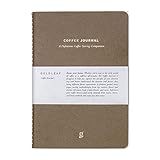
- Professional coffee cupping journal for tracking specific roasting profiles and tasting notes.
- Detailed traceability data sheets from your green coffee importer.
- Topographical maps or terroir-driven design motifs from your sourcing region.
- High-quality photography of the farm, processing station, and producers.
Implementation Workflow
- Interview your green coffee sourcing partners to gather specific farm altitude, soil type, and fermentation process details.
- Outline an origin story narrative that focuses on the farmer’s craftsmanship rather than just the roaster’s journey.
- Distill complex agricultural data into accessible, emotional brand touchpoints for your packaging.
- Integrate the narrative across all channels, ensuring visual appearance and message consistency.
- Train your barista team to communicate these origin stories conversationally to cafe customers.
Pro-Tip: In modern specialty coffee, incorporating regenerative agriculture storytelling into your origin narrative is a massive differentiator. Consumers are moving past standard sustainability and looking for brands that actively restore the land.
2. Designing Sustainable Coffee Packaging Identities

Save these sustainable packaging ideas for your roastery launch!
Sustainable coffee packaging identity design embodies the ethical values of the roaster while significantly reducing the environmental impact of the product cycle. Today’s consumer expects an ethical sourcing narrative to be physically represented in the materials they hold.
The debate of plastic-free vs traditional packaging is largely settled in the high-end specialty sector. Glossy, unrecyclable foil bags are being rapidly replaced by sustainable packaging that feels earthy yet undeniably premium. Eco-friendly design directly supports the community and aligns physical marketing collateral with your underlying sustainable business models.
Brand Resources Needed
- Premium compostable or bioplastic coffee pouches equipped with one-way degassing valves.
- Water-based or soy-based inks for printing sustainable packaging elements.
- Recycled paper stock for retail boxes and label design.
- A clear ethical sourcing narrative documented for the back-of-bag copy.
Implementation Workflow
- Audit your current packaging lineup to identify single-use plastics and foil linings.
- Source textured packaging suppliers who specialize in certified compostable materials for the coffee industry.
- Design a label system that uses minimal ink coverage to maintain the artisanal aesthetic and reduce environmental impact.
- Test the new bags with freshly roasted beans to ensure the degassing valves perform perfectly over a 30-day period.
- Launch the new packaging with a marketing campaign highlighting your sustainable transition.
Pro-Tip: Consider utilizing modular packaging systems where a universal sustainable bag is used across all roasts, differentiated only by a small, highly-designed, recyclable sleeve or sticker. This significantly reduces waste and printing costs.

3. Implementing Maximalist Coffee Branding Aesthetics

Pin this bold maximalist design inspiration to stand out on the shelf!
Maximalist coffee branding leverages vibrant color palettes and bold visuals to aggressively differentiate the product in a sea of sterile, minimalist competitors. This rich graphic language defines your specific niche and creates an immediate visual hook.
When weighing minimalist vs maximalist branding, expert analysis shows that modern design ethos is shifting heavily toward maximalism to attract younger, highly visual Gen Z consumers. By integrating loud, complex illustrations, your brand creates a shelf presence that is impossible to ignore.
Brand Resources Needed
- A professional Pantone Color Bridge Guide to ensure your vibrant color palettes translate perfectly from screen to print.
- Custom hand-drawn elements or illustrations commissioned from a professional artist.
- High-quality, thick-stock packaging materials that can hold heavy ink saturation.
- A comprehensive brand style guide to manage complex visual assets.
Implementation Workflow
- Analyze the competitive landscape on your local grocery or cafe shelves to identify dominant color schemes (usually kraft, white, or black).
- Select 2-3 highly contrasting, unexpected brand colors that reflect your brand character.
- Integrate intricate illustrations or bold visuals that tell a story about the coffee’s origin or flavor profile.
- Balance the loud graphics with heavy, modernist typography to maintain a sophisticated design feel.
- Create a series of physical mockups to test the visual communication and shelf impact before a full print run.
Pro-Tip: When dealing with maximalist design, utilizing brand archetypes in F&B (like the ‘Creator’ or the ‘Jester’ archetype) helps ground chaotic visuals into a cohesive, understandable personality that consumers can connect with emotionally.

4. Visualizing Cupping Score Transparency On Labels

Add this sleek, data-driven aesthetic to your branding boards!
Visualizing cupping score transparency seamlessly integrates highly technical quality assurance data into consumer packaging to establish immediate trust. Treating raw agricultural data as a hero design element perfectly validates the specialty nature of your product.
The Third Wave coffee identity consumer actively seeks out transparent sourcing. By bringing coffee cupping scores, altitude metrics, and processing methods to the forefront of your labels, you rely on SCA certified metrics to prove that your beautiful design is backed by tangible agricultural excellence.
Brand Resources Needed
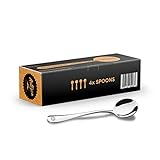
- Professional coffee cupping spoons for your team to accurately assess and verify roast quality.
- Precision digital scales for accurate dosing during flavor profile development.
- A standardized label template designed with a grid or chart specifically for traceability data.
- High-quality, custom-stamped dates or stickers for roast-date transparency.
Implementation Workflow
- Establish a rigorous internal cupping protocol to verify the coffee cupping scores provided by your importer.
- Design your coffee labels with dedicated “data zones” that present altitude, varietal, and processing methods cleanly.
- Use a distinct, highly readable modernist typography for the technical data to contrast with your stylized brand logo.
- Visualize the flavor profile using abstract geometric shapes or color wheels rather than standard text lists.
- Publish detailed cupping score transparency reports on your website to back up the claims made on your packaging.
Pro-Tip: Advanced roasters are utilizing varietal-specific branding—where the visual language subtly shifts depending on whether the bean is a delicate Geisha or a robust Bourbon varietal, visually signaling the expected sensory experience to the buyer.
5. Establishing An Omnichannel Sensorial Cafe Experience

Pin this beautiful cafe aesthetic to plan your retail space!
Establishing an omnichannel sensorial cafe experience perfectly aligns a brand’s 2D digital visual persona with the 3D physical environment of their brick-and-mortar locations. This cohesive approach effectively integrates the narrative across every single customer touchpoint.
Your coffee house visual identity cannot stop at graphic design. It must include sensory branding—the weight of the cup, the acoustics of the room, and the espresso bar design. A consistent omni-channel coffee identity solves the common problem of inconsistent visuals and rapidly builds long-term customer loyalty through habit formation.
Brand Resources Needed
- High-quality, custom matte ceramic coffee cups that match your specific brand style guide color palette.
- Premium barista aprons made from canvas or leather that reflect the artisanal aesthetic.
- A curated cafe playlist that matches the energy and visual signature of your brand.
- Ambient scent management tools (if roasting off-site) to ensure the space always smells like fresh coffee.
Implementation Workflow
- Conduct a brand audit of your physical space, ensuring signage, menus, and furniture match your digital identity.
- Select serveware (cups, saucers, spoons) that provides a heavy, premium tactile feel, reinforcing quality + craftsmanship.
- Align your espresso bar design so that the machinery (powder-coated to match brand colors) acts as a visual centerpiece.
- Train baristas not just in extraction, but in the brand core values so their hospitality matches the brand’s tone.
- Create highly photogenic “Instagrammable” corners in the cafe that naturally feature your visual communication cues.
Pro-Tip: True omni-channel coffee identity means mastering tactile brand identity. The weight of your ceramic cup, the texture of your menu paper, and the ergonomics of your seating should all communicate the same premium value as your coffee’s flavor profile.

6. Prototyping A Tactile Unboxing Experience For E-Commerce

Save this luxurious unboxing inspiration for your coffee subscription box!
Prototyping a highly tactile unboxing experience transforms a standard mail delivery into a memorable sensory event that massively drives customer retention. For D2C businesses, the moment the shipping box opens is where you establish a profound emotional resonance with the buyer.
Without physical retail shelves, coffee identity design for ecommerce brands relies heavily on unboxing experience design. Utilizing a tactile brand identity—like embossed tasting cards or custom tissue paper—overcomes the problem of poor digital shelf presence and transforms a simple transaction into an engaging sensory experience.
Brand Resources Needed
- A custom logo embosser stamp or brass branding iron for applying tactile logos to boxes and inserts.
- Custom printed, eco-friendly tissue paper for internal wrapping.
- Premium, heavy-stock tasting cards that guide the customer through the sensory branding experience.
- Customized corrugated mailer boxes that protect the beans while looking luxurious.
Implementation Workflow
- Map out the exact step-by-step journey the customer takes when opening your shipping box.
- Incorporate a tactile brand identity element, such as using a custom embosser to press your logo into the tasting cards or invoices.
- Wrap the coffee bags securely in branded tissue paper to create a moment of anticipation.
- Include an unexpected educational insert—like a brew guide or farmer interview—to deepen the emotional resonance.
- Encourage user-generated content by designing the interior of the box to be highly photogenic for social media sharing.
Pro-Tip: The most successful subscription model branding relies on consistency with slight variations. Keep the unboxing format identical each month, but change the interior color palette or the included artist postcard to match the specific terroir-driven design of that month’s coffee.

7. Integrating Authentic Direct Trade Relationship Marketing

Pin this sourcing aesthetic to inspire your brand’s direct trade journey!
Integrating authentic direct trade marketing shifts a coffee brand from a product-driven approach to a narrative-driven platform that supports the global farming community. Implementing Direct Trade relationship marketing manifests the ethical vision of the brand into a tangible consumer promise.
Navigating the nuances of transparent sourcing and the direct trade model versus standard Fair Trade certification requires profound expertise. An honest ethical sourcing narrative establishes an impenetrable brand moat that resolves consumer skepticism and rapidly builds trust within the high-end specialty market.
Brand Resources Needed
- Authoritative educational resources (like coffee atlases) to train your team on global coffee origins.
- Direct communication channels (WhatsApp/Email) with your partnered farmers or transparent importers.
- A dedicated page on your website strictly for traceability data and price transparency reports.
- High-quality, respectful photo and video assets of the origin farms (always acquired with explicit farmer permission and compensation).
Implementation Workflow
- Educate yourself and your team deeply on coffee producing regions to speak with genuine authority.
- Partner with importers who provide completely transparent sourcing and allow direct communication with the producers.
- Build your ethical sourcing narrative around the concept of partnership, avoiding “savior complex” marketing language.
- Publish annual transparency reports showing exactly what you paid for the green coffee versus the commodity C-market price.
- Host community events or tasting nights at your cafe dedicated to highlighting a single producing partner.
Pro-Tip: The vanguard of the Fourth Wave coffee movement is total financial transparency. Brands that publish their FOB (Free on Board) prices and demonstrate exactly how their direct trade model impacts the farmer are achieving unmatched levels of customer loyalty.


Key Takeaways: Your Quick Guide to Specialty Coffee Identity
A successful specialty coffee identity synthesizes complex agricultural data with exceptional visual brand language to differentiate roasters in a saturated market. If you are short on time, this highly scannable summary serves as an immediate Positioning Checklist to evaluate your brand’s current strength. Review these proven strategies to ensure your unique selling proposition is being communicated effectively to your audience.
Key Takeaways (Your Positioning Checklist):
- Define Your Core Narrative – A successful specialty coffee identity must move beyond generic aesthetics and root itself in a specific origin story narrative that highlights terroir and craftsmanship.
- Prioritize Sustainable Packaging – Modern consumers expect sustainable packaging; integrating compostable materials with high-end design is non-negotiable for premium positioning.
- Embrace Bold Differentiation – To combat market saturation, consider implementing maximalist coffee branding with vibrant color palettes to command shelf presence.
- Visualize Your Quality Data – Turn traceability data and coffee cupping scores into sleek design elements to validate your price point and build immense trust.
- Build an Omnichannel Sensorial Experience – Your physical espresso bar design and tactile assets must perfectly mirror your digital visual brand language.
- Elevate the D2C Unboxing Moment – For e-commerce brands, investing in a tactile brand identity through custom stamps and premium materials drives massive customer retention.
- Practice Authentic Direct Trade Marketing – Use genuine Direct Trade relationship marketing and financial transparency to build a fiercely loyal community around your craft coffee identity.
FAQs About Specialty coffee identity
Understanding the nuances of specialty coffee identity requires resolving specific questions regarding design execution, consumer psychology, and market trends. This dedicated FAQ section addresses common industry knowledge gaps to help you build a robust and emotionally resonant brand.
How to build a specialty coffee brand?
To build a specialty coffee brand, you must first source SCA-graded 80+ point coffee, define your unique origin narrative, and create a visual identity that clearly communicates that premium quality to your target audience.
Start by identifying your niche—whether it’s sustainable micro-lots or high-energy espresso blends. Then, develop a cohesive brand style guide that dictates your logo, typography, and packaging sustainability to ensure consistency across all touchpoints.
What makes a coffee brand identity successful?
A successful coffee brand identity achieves total alignment between the quality of the coffee in the cup and the visual, tactile, and emotional experience of the packaging and cafe space.
It stands out through brand differentiation—avoiding generic coffee cliches—and successfully translates complex agricultural traceability data into an accessible, beautiful visual brand language that builds long-term customer loyalty.
How to design coffee packaging that stands out?
To design coffee packaging that stands out, move away from standard kraft bags and minimal black-and-white labels by incorporating vibrant maximalist elements, tactile materials, or unique modular systems.
Analyze the competitive landscape of your local shelves. If everyone is using clean lines, disrupt the space with vibrant color palettes and custom hand-drawn elements. Always ensure the packaging is highly functional, utilizing one-way degassing valves to preserve freshness.
What are current coffee branding trends for 2026?
Current coffee branding trends for 2026 include terroir-driven origin storytelling, maximalist and vibrant color palettes, complete cupping score transparency on labels, and hyper-sustainable compostable packaging.
The industry is moving from sterile minimalism toward a warmer, more expressive artisanal aesthetic. Additionally, omni-channel coffee identity is trending, where the physical unboxing or cafe experience perfectly mirrors the digital brand.
How to communicate coffee origin through design?
You can communicate coffee origin through design by incorporating topographical maps of the sourcing region, utilizing color palettes native to the farm’s environment, and dedicating label space to the farmer’s story.
Effective terroir storytelling avoids generic jungle motifs. Instead, it uses varietal-specific branding and factual traceability data (altitude, processing method) presented through beautiful modernist typography to educate and engage the consumer.
What is the difference between commercial and specialty branding?
Commercial coffee branding focuses on mass appeal, price, and convenience, while specialty coffee branding prioritizes transparency, agricultural origin, specific flavor profiles, and artisanal craftsmanship.
In a specialty vs commercial coffee comparison, commercial brands rarely mention farm altitude or roast dates. A premium coffee brand identity uses design to justify a higher price point by making the supply chain visible and celebrating the direct trade model.
What should be included in a coffee brand style guide?
A comprehensive coffee brand style guide must include primary and secondary logos, a defined color palette (with Pantone, HEX, and CMYK codes), typography hierarchy, packaging templates, and a clear brand voice.
It should also dictate your visual signature for social media photography, the interior design aesthetic for physical retail spaces, and guidelines for how to visually display coffee cupping scores to ensure absolute visual appearance and message consistency.
How to use sustainability in coffee branding?
Use sustainability in coffee branding by making eco-friendly choices integral to your physical products—like compostable bags and water-based inks—and transparently communicating these efforts without greenwashing.
Your sustainable transition should be a core pillar of your brand core values. Feature your certifications (like B-Corp) prominently, and use the tactile feel of textured packaging to subconsciously communicate your ethical stance to the buyer.
How to reflect coffee quality in visual design?
Reflect coffee quality in visual design by utilizing high-end tactile materials, precise and elegant typography, and minimalist layouts that allow the technical coffee data to shine as the hero element.
Heavy-stock paper, embossed logos, and clean graphic language subconsciously signal luxury. When a brand takes immense care in its visual communication, consumers naturally assume the same level of quality + craftsmanship was applied to the roasting process.
How to create an emotional connection with coffee customers?
Create an emotional connection with coffee customers by shifting from product-centric marketing to narrative-driven storytelling that highlights the human element of your supply chain and roastery.
Use an authentic brand voice to share the struggles and triumphs of your farming partners. By focusing on community-centric branding and exceptional sensory branding in your cafe or unboxing experience, you transform a daily caffeine habit into a meaningful ritual.
Final Thoughts on Specialty Coffee Identity
Building a compelling specialty coffee identity is no longer just about having a sleek logo and a clever name. In a crowded Third Wave market, standing out requires a deep, authentic integration of agricultural reality and high-end visual communication. Whether you are launching a new micro-roastery or auditing a legacy cafe for a rebrand, the trends shaping the future of this industry all point toward radical transparency, bold differentiation, and deeply tactile experiences.
Remember that your coffee brand identity strategy is the bridge between the farmer’s hard work and the consumer’s morning ritual. By implementing sustainable packaging, investing in terroir storytelling, and crafting an omni-channel experience that delights the senses, you do more than just sell beans—you build a resilient, premium lifestyle brand. The most successful coffee-preneurs understand that world-class design is simply the vessel that allows world-class coffee to be truly appreciated.
Are you currently leaning toward a clean, minimalist aesthetic for your roastery, or are you ready to disrupt the shelf with a bold, maximalist specialty coffee identity? Let me know which design trend you plan on scaling first in the comments below!
Last update on 2026-10-12 / Affiliate links / Images from Amazon Product Advertising API
