
As an Amazon Associate CoffeeXplore.com earns from qualifying purchases.
Smoothie Cafe Aesthetic: Essential Juice Bar Setup Ideas for Beginners
Are you struggling to balance commercial functionality with an inviting smoothie cafe aesthetic? Designing a modern juice bar often feels overwhelming for beginners. You need a space that attracts health-conscious customers without feeling sterile.
A smoothie cafe aesthetic is a modern interior design style prioritizing coastal themes and biophilic greenery. It blends warm minimalist elements to create a highly relaxing environment. It uses natural materials and earthy color palettes to visually communicate true wellness. This strategic functional layout dictates customer flow perfectly.
Drawing from comprehensive analysis of current data, we reveal proven fast casual branding strategies. You will discover expert-led spatial planning principles defining the primary aesthetic. See how a brand refresh and new look transforms commercial spaces today. Learn to elevate your shop design effortlessly.
Contents
show
9 Essential Smoothie Cafe Aesthetic Ideas for Your Juice Bar Setup
Transitioning away from kitschy neon into a subdued beach house vibe requires precise interior architecture and styling. When you design a smoothie cafe, every material choice directly impacts how customers perceive your healthy lifestyle cafe concept. Implementing these aesthetic juice bar design elements goes beyond simply choosing light colors. It requires balancing commercial architecture with interior styling to solve real-world problems like fixing cramped cafe layouts. By pairing natural materials with warm lighting, you can curate a Pinterest mood board that translates beautifully into high-traffic durability. To achieve the perfect smoothie cafe aesthetic, implement these essential design ideas. Apply coastal, muted warm color palettes, install biophilic vertical gardens, anchor with worn wood and metal accents, layer ambient pendant lighting, build open-concept preparation counters, arrange boho chic rattan seating, apply textured botanical wallpaper, create neon photo backdrops, and display minimalist retail packaging. Let us explore how to execute each aesthetic smoothie cafe idea.
1. Implement a Coastal Theme with Muted Warm Colors

Save this coastal color palette to your cafe mood board!
Implementing a coastal theme cafe interior requires replacing industrial grays with muted warm colors for cafe walls to create a subdued tropical aesthetic. A carefully selected pastel color palette for a smoothie shop defines the atmosphere and increases customer dwell time. Drawing on data-driven color psychology in retail, sage greens and warm terracottas drive beverage sales much more effectively than sterile whites.
What most guides miss about the subdued beach house vibe is the exact psychological impact of specific material textures and architectural psychology. Haptic feedback in interior material selection combined with earthy tones and natural light creates a refreshing tropical retreat style that visually communicates organic health.
Materials Needed
- Commercial-grade, scrubbable matte interior paint (sage green, warm terracotta, or sand)
- Quality paint primer for high-traffic food environments
- Professional painting rollers and edging tape
- Drop cloths and reusable eco friendly cups and painter’s supplies
Setup Steps
- Prepare the cafe walls by patching holes and applying a high-adhesion primer to ensure the paint withstands commercial humidity.
- Apply two coats of your chosen coastal theme cafe interior paint, using a “W” motion with the roller for even, streak-free coverage.
- Cut in the edges along the ceiling and baseboards using a high-quality angled brush to maintain clean architectural lines.
- Allow 48 hours for the paint to fully cure before moving commercial equipment back against the walls to prevent scuffing.
Pro-Tip: In my experience consulting on spatial ergonomics in high-throughput smoothie bars, selecting a paint with an LRV (Light Reflectance Value) between 55-65 hits the sweet spot. It bounces enough natural light to make the space feel airy without causing the harsh glare typical of pure white walls.

2. Install Biophilic Design Elements and Lush Vertical Gardens

Pin this vertical garden inspiration for your future space!
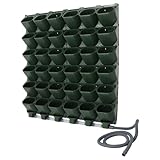
Integrating biophilic elements like lush vertical gardens in cafes bridges the gap between indoor and outdoor environments. This approach elevates the biophilic vs minimalist cafe aesthetic by improving customer mood and visually reinforcing wellness. Combining food safety transparency with aesthetic design requires placing indoor plants strategically away from active food prep zones. Using certified sustainable building materials ensures your biophilic design trends with vertical gardens for modern beverage shops meet commercial health code compliance.
Materials Needed
- Modular self-watering vertical wall planter system
- Biophilic design elements like stabilized moss or live pothos/philodendrons
- Moisture-resistant backing board to protect cafe drywall
- LED grow lights (if natural window light is insufficient)
Setup Steps
- Select a feature wall that is safely away from the active food preparation and blending zones to comply with local health department regulations.
- Mount the moisture-resistant backing board securely to the wall studs using heavy-duty anchors.
- Install the modular vertical planter grids onto the backing board, ensuring the self-watering irrigation tubes are correctly connected.
- Arrange the greenery, placing trailing plants like pothos near the top to cascade down, instantly elevating the smoothie café vibe.
Pro-Tip: If maintaining live plants proves too difficult due to cafe humidity, applying tactile sustainability in commercial millwork alongside preserved reindeer moss provides the exact same acoustic dampening and visual biophilic benefits with zero daily maintenance.
3. Anchor the Space with Warm Wood and Metal Finishes

Save these counter finish ideas to your design mood board!
Anchoring a space with warm wood and metal finishes adds critical depth to interiors, transforming basic architecture into an authentic reflection of brand values. Incorporating worn wood and metal accents alongside sustainable natural materials creates a welcoming environment. Selecting natural materials requires balancing commercial durability with aesthetic appeal, ensuring high-traffic countertops withstand daily wear. Applying eco-conscious materiality life-cycle analysis helps identify food-safe epoxy coatings for wood in commercial food service, keeping surfaces sanitary.
Materials Needed
- Solid butcher block or reclaimed wood countertops
- Commercial-grade, FDA-compliant clear epoxy resin or hard-wax oil
- Worn wood and metal accents (corbels or heavy-duty brackets)
- Sandpaper (various grits) and tack cloths
Setup Steps
- Sand the raw wooden countertops smoothly, progressing from 80-grit to 220-grit paper to remove any splinters or factory imperfections.
- Wipe the surface completely clean of dust using a tack cloth to ensure the finish adheres perfectly.
- Seal the wood using a food-safe commercial epoxy or hard-wax oil, pouring evenly and spreading with a squeegee to create a waterproof barrier essential for juice bars.
- Mount the finished countertops using your worn wood and metal accents and heavy-duty brackets, ensuring they are leveled for commercial POS systems for juice bars.
Pro-Tip: Unsealed wood around commercial blender stations will quickly harbor bacteria and warp from moisture. Using a self-leveling, high-build commercial epoxy maintains the visual warmth of the wood while providing a restaurant-grade, wipeable sanitary surface.

4. Layer Ambient Lighting with Pendant Fixtures

Pin this lighting setup for your juice bar inspiration!
Layering soft ambient lighting fixtures transforms small spaces and is essential for eliminating harsh fluorescent lighting. You must install ambient lighting using a combination of pendant lighting and led strips to balance aesthetics with staff safety. Natural materials paired with warm lighting create a relaxed beach house atmosphere that makes aesthetic smoothie photos pop. Circadian lighting design for food establishments proves that the right Kelvin temperature dramatically improves customer comfort and engagement.
Materials Needed
- Woven rattan or bamboo pendant light fixtures
- LED bulbs (2700K – 3000K color temperature for warmth)
- Commercial-grade LED strip lights for under-counter task lighting
- Dimmer switches to adjust the soft ambient lighting fixtures
Setup Steps
- Map out your lighting zones, designating bright task lighting behind the counter for staff safety, and warm ambient lighting over the customer seating areas.
- Install hidden LED strip lights under the front lip of the ordering counter and beneath the menu boards to provide crisp, indirect illumination.
- Hang the woven pendant fixtures directly above the customer interaction points (like the register or pickup counter) dropping them to about 30-36 inches above the surface.
- Equip all customer-facing lights with dimmer switches to easily transition the smoothie bar aesthetic from a bright morning vibe to a relaxed afternoon lounge.
Pro-Tip: Never use bulbs cooler than 3500K in the customer dining area. Bulbs in the 4000K-5000K range mimic office fluorescent lighting, which subtly increases customer anxiety and decreases dwell time, ruining the healthy lifestyle cafe concept.

5. Design an Open Concept Preparation Counter

Save this open-kitchen counter layout to your planning board!
Setting up an open concept counter design promotes operational transparency, allowing customers to watch their fresh made to order smoothies being crafted. An effective acai bowl and smoothie station relies on modern counters and clean lines to dictate optimal customer flow. Hiding functional equipment behind clean counters while combining food safety transparency with aesthetic design builds immense consumer trust. Expert-led spatial planning principles recommend recessing commercial blenders to mitigate noise pollution while maintaining visual openness.
Materials Needed
- Low-profile countertops (34-36 inches standard height)
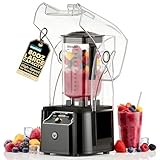
- Universal acoustic sound enclosures for commercial blender stations
- Dropped-in, flush-mount ingredient prep rails (refrigerated)
- Under-counter storage shelving and hidden trash receptacles
Setup Steps
- Design the front counter at a welcoming 36-inch height, eliminating the tall, imposing barriers that block the customer’s view of the fresh made to order smoothies being crafted.
- Sink the refrigerated ingredient rails flush into the countertop to maintain clean lines and organic shapes while keeping fruit at food-safe temperatures.
- Position all high-noise equipment, like ice machines and espresso grinders, on a lowered back bar to keep the front communication channel open.
- Cover all heavy-duty blending equipment with universal acoustic sound enclosures to manage the noise pollution in the aesthetic smoothie bar interior.
Pro-Tip: In commercial acoustic mitigation strategies, the primary complaint in fast-casual cafes is blender noise. Recessing the blenders two inches into the counter and adding heavy acrylic sound shields drops ambient noise by up to 40%, drastically improving customer comfort.

6. Arrange Boho Chic Rattan and Bamboo Seating

Pin these beautiful rattan seating ideas for your shop!
Arranging modular seating with rattan furniture and bamboo supports ergonomic comfort while establishing a boho chic cafe atmosphere. Choosing rattan furniture over sleek metal seating prevents a small space from feeling cold, improving customer dwell time through comfortable seating. Pairing rattan furniture with botanical wallpaper instantly elevates the visual warmth of the room. Following ergonomic and health compliance guidelines ensures your commercial seating provides necessary weight ratings and cleanability for daily use.
Materials Needed
- Commercial-grade rattan or bamboo bistro chairs (metal-reinforced)
- Small footprint, modular pedestal tables
- High-performance, wipeable linen-look fabrics for cushions
- Felt floor protectors for chair legs
Setup Steps
- Source rattan furniture that is explicitly rated for commercial use; residential bamboo will quickly splinter and break under heavy daily cafe traffic.
- Arrange the seating using modular pedestal tables (rather than tables with four legs) to allow customers to easily slide in and out of tight spaces without tripping.
- Upholster any cushions in commercial-grade, stain-resistant crypton or vinyl fabric that mimics natural linen to maintain the healthy dessert cafe concept aesthetic without the staining risks.
- Attach heavy-duty felt pads to the bottom of all chair legs to eliminate the screeching sound of furniture dragging across the floor, which ruins the relaxed and welcoming atmosphere.
Pro-Tip: True urban refuge design typologies rely heavily on varied seating heights. Mix standard rattan dining chairs with elevated window-bar seating and low lounge chairs to create micro-zones that appeal to different customer types (laptop workers vs. casual socializers).

7. Apply Textured Plaster Walls and Botanical Wallpaper

Save these wall texture and wallpaper ideas to your aesthetic board!
Decorating accent walls with botanical wallpaper patterns and textured plaster walls adds incredible depth to flat interiors. These alternative wall treatments to plain paint prevent visual fatigue with cohesive color schemes. The visual identity of a modern cafe and smoothie shop drives social engagement when textures are layered thoughtfully. Mastering visual pacing and spatial rhythm in interiors ensures that accent walls guide the customer’s eye smoothly through the commercial space.
Materials Needed
- Commercial-grade Roman clay or Venetian plaster finish
- Heavy-duty, wipeable botanical or tropical wallpaper
- Stainless steel trowels and plaster putty knives
- Professional wallpaper smoothing tools
Setup Steps
- Designate one specific wall as the focal point (usually behind the seating area or the main entrance) to feature the botanical wallpaper patterns, leaving the other walls for texture.
- Trowel the Roman clay or plaster onto the non-accent walls in wide, sweeping arcs, building up a slightly imperfect, organic texture that gives the juice bar aesthetic an earthy, handmade feel.
- Seal the plaster with a matte commercial topcoat to protect it from stray smoothie splashes and high-traffic scuff marks.
- Hang the botanical wallpaper on the accent wall, ensuring the seams are perfectly aligned and smoothed down to prevent peeling in the humid cafe environment.
Pro-Tip: Utilizing gestalt principles in cafe menu and wall graphics, always place your most profitable menu items or strongest branding messages against the textured plaster walls, using the busy botanical wallpaper strictly as an atmospheric backdrop, never a reading surface.
8. Create an Instagrammable Photo Wall with Neon Signage

Pin this brilliant photo wall setup to your business inspiration board!
Creating instagrammable spots using neon signs and letter boards actively builds customer engagement and drives free social media marketing. Instagrammable photo walls blend lifestyle branding with emotional connection, turning visitors into brand ambassadors. Pairing a pastel palette with neon signage establishes the perfect aesthetic smoothie cafe background picture in real life. Understanding the role of social media in modern brick and mortar confirms that user-generated content directly impacts fast-casual restaurant revenue.
Materials Needed
- Custom LED neon sign (warm white or pastel colors)
- Backdrop material (faux boxwood panels, painted arch, or textured tile)
- Heavy-duty mounting hardware and discreet wire covers
- Dedicated ring light or directional track lighting facing the wall
Setup Steps
- Locate a wall in your cafe that has excellent natural light but is completely out of the way of the main traffic flow and the line for the register.
- Mount your backdrop material—a painted color-blocked arch or faux greenery—to create a distinct visual frame for the photos.
- Install the custom LED neon signs and letter boards at roughly chest height (around 5 feet off the ground) so it perfectly frames the upper bodies of customers taking selfies.
- Conceal all electrical wires behind the backdrop or inside paint-matched wire covers so the aesthetic smoothie photos remain perfectly clean and professional.
Pro-Tip: In multisensory brand experience frameworks, the biggest mistake cafe owners make is placing their photo wall near a window where backlighting turns customer photos into dark silhouettes. Always place photo walls opposite windows so natural light illuminates the customer’s face.

9. Stage Minimalist Retail and Packaging Displays

Save these minimalist retail display ideas to your Pinterest boards!
Sourcing sustainable packaging and staging it with a visually clean packaging design solves visual clutter in small spaces. Offering reusable eco friendly cups featuring custom cup and logo design complements the overall store aesthetic beautifully. A brand refresh that pairs sustainable packaging with minimalist displays reinforces your wellness and lifestyle branding. Applying the foundations of visual merchandising in hospitality proves that negative space around retail products significantly increases their perceived value.
Materials Needed
- Floating wooden shelves or clear acrylic retail risers
- Reusable eco friendly cups and branded merchandise
- Minimalist metal bookends or shelf dividers
- Spotlighting or small LED puck lights for the shelves
Setup Steps
- Install floating shelves in a highly visible but low-traffic area, such as the wall customers face while waiting for their fresh made to order smoothies.
- Curate the items being displayed, strictly limiting inventory to visually cohesive products like branded tumblers, matcha tins, or neutral-toned apparel.
- Elevate key items using clear acrylic risers to create dynamic height variations, ensuring products aren’t just sitting flat and lifeless on the wood.
- Illuminate the merchandise using discreet, battery-operated LED puck lights stuck to the underside of the shelves to make the visually clean packaging design pop.
Pro-Tip: Applying gestalt principles in cafe menu and wall graphics, remember the rule of three in visual merchandising. Grouping retail items in odd numbers (1, 3, or 5) is subconsciously more appealing and easier for the human brain to process than even-numbered groupings.

Key Takeaways: Your Quick Guide to the Smoothie Cafe Aesthetic
Synthesizing these foundational architectural concepts ensures you capture the essence of a modern tropical smoothie cafe vibe. The intersection of coastal themes and biophilic design establishes a powerful visual narrative for your business. Mastering these elements allows owners to execute a cohesive brand refresh and new look. Review these crucial healthy cafe aesthetic key points to guide your material selection, lighting, and layout decisions effectively.
- Embrace a subdued coastal theme palette: Transition away from harsh neon and industrial grays by utilizing warm terracottas, sand, and sage greens to create a relaxed beach house atmosphere.
- Integrate biophilic design safely: Use vertical gardens or preserved moss walls to bridge the indoor-outdoor gap, complying with health codes while boosting the smoothie café vibe.
- Prioritize commercial-grade natural materials: Seal raw butcher block with food-safe commercial epoxy and use metal-reinforced rattan to balance aesthetics with heavy-duty durability.
- Layer lighting for mood and safety: Install 2700K-3000K soft ambient lighting fixtures in customer seating areas, while keeping bright, functional task lighting restricted to the prep counter.
- Build an open-concept layout for transparency: Lower the front counter height to 36 inches and use acoustic enclosures on blenders to showcase food prep without overwhelming customers with noise.
- Engineer dedicated social media zones: Strategically place a neon-lit, well-lit photo backdrop away from the register line to actively drive user-generated marketing and build customer engagement.
- Unify packaging and retail displays: Ensure your to-go cups, merchandise, and retail shelving reflect the minimalist wellness and lifestyle branding, as packaging is a mobile extension of your interior aesthetic.
People Also Ask About the Smoothie Cafe Aesthetic
Addressing common design troubleshooting questions clarifies the execution of a commercial juice bar concept. These frequently asked questions resolve misunderstandings about materials versus durability while reinforcing core concepts regarding color, lighting, and layout. Relying on industry standards for food service design ensures your space is both beautiful and compliant. Explore these detailed answers to perfect your aesthetic juice bar design.
What is a smoothie cafe aesthetic?
A smoothie cafe aesthetic is a modern, wellness-focused interior design style utilizing natural materials, biophilic greenery, and warm, muted color palettes.
It moves away from traditional, brightly colored fast-food layouts in favor of a relaxed, coastal, or boho-chic atmosphere. By pairing elements like rattan seating, open-concept prep counters, and soft ambient lighting, this aesthetic visually communicates transparency, health, and clean eating to the modern consumer.
How to design an aesthetic smoothie shop?
To design an aesthetic smoothie shop, prioritize a cohesive color palette of warm neutrals, integrate natural wood and metal finishes, and maximize natural lighting.
Start by mapping the customer journey, ensuring the layout flows logically from the entrance to the register. Use commercial-grade materials that mimic residential comfort, such as metal-reinforced rattan chairs and epoxy-sealed butcher block. Finally, curate Instagrammable moments, like a textured accent wall or neon signage, to drive social engagement.
Why are coastal themes popular in cafe design?
Coastal themes are popular in cafe design because they subconsciously evoke feelings of relaxation, vacation, and health—aligning perfectly with the wellness branding of smoothie shops.
The subdued beach house vibe uses light woods, airy spaces, and muted greens or blues to create a calming refuge in busy urban environments. This psychological comfort increases customer dwell time and encourages repeat visits, making it a highly profitable design strategy.
What colors work best for a juice bar aesthetic?
The best colors for a juice bar aesthetic are warm, muted earth tones such as sage green, terracotta, sand, and soft peach.
These colors provide a clean, organic backdrop that makes the bright, natural colors of the fresh fruit and smoothies stand out visually. Avoid stark, sterile whites or aggressive primary colors, as they can induce visual fatigue and contradict the relaxed, holistic vibe customers expect from health food establishments.
How do you create an instagrammable smoothie cafe?
Create an instagrammable smoothie cafe by designating a specific photo zone featuring a textured backdrop, custom neon signage, and flattering front-facing lighting.
Ensure this area is situated away from the main ordering line so customers feel comfortable posing without blocking traffic. Additionally, focus on visually clean packaging design—if your cups and bowls look aesthetic, customers will naturally photograph their food on your tables, generating free social media marketing.
What lighting is best for a small smoothie shop?
The best lighting for a small smoothie shop layers bright task lighting in the prep area with warm, ambient pendant lighting in the seating zones.
Use bulbs with a color temperature between 2700K and 3000K for customer areas to create a cozy, inviting glow. Avoid harsh fluorescent lighting or cool white bulbs (4000K+), which can make a small space feel like a sterile clinic rather than a relaxing retreat.
How can I make my smoothie cafe look cozy and modern?
Make a smoothie cafe look cozy and modern by mixing textured surfaces—like plaster walls or botanical wallpaper—with sleek, clean-lined counters.
Introduce warmth through tactile materials like woven bamboo, rattan seating, and abundant indoor plants. By keeping the architectural lines minimalist but the materials highly textured and organic, you strike the perfect balance between modern efficiency and cozy hospitality.
What materials should be used in a tropical cafe interior?
A tropical cafe interior should utilize commercial-grade natural materials like sealed butcher block, rattan, bamboo, and matte plaster.
To ensure these materials survive a high-traffic restaurant environment, use heavy-duty commercial variants: reinforce rattan chairs with metal frames, seal wood counters with food-safe epoxy, and opt for preserved moss or high-quality faux greenery if live plants are too difficult to maintain near food prep zones.
How did Tropical Smoothie Cafe refresh their brand aesthetic?
Tropical Smoothie Cafe refreshed their brand by moving away from kitschy, bright neon aesthetics to a sophisticated, subdued coastal beach house vibe.
This redesign focused on emotional connection, incorporating muted warm colors, worn wood, and metal accents to create a more relaxing, premium atmosphere. The rebrand successfully modernized their visual identity while aligning with contemporary consumer preferences for authentic, clean-living environments.
Is a minimalist layout better for small cafe spaces?
Yes, a minimalist layout is better for small cafe spaces because it reduces visual clutter, making the square footage feel significantly larger and more breathable.
In a cramped cafe, removing bulky furniture in favor of modular pedestal tables and keeping countertops free of excess equipment drastically improves customer flow. A minimalist approach also directs the customer’s focus exactly where you want it: onto the fresh ingredients and the menu.
Final Thoughts on the Smoothie Cafe Aesthetic
Mastering the smoothie cafe aesthetic is about far more than just picking a pretty color palette—it is a strategic exercise in spatial psychology and brand storytelling. As the fast-casual industry shifts away from loud, chaotic environments as of October 2026, consumers are actively seeking out spaces that offer an urban refuge. By implementing a coastal theme cafe interior, utilizing warm natural materials, and designing open-concept layouts, you are not just decorating a room; you are engineering an environment that reduces stress, promotes transparency, and ultimately drives loyalty.
The most successful juice bars understand that every touchpoint matters. From the texture of the plaster walls and the Kelvin temperature of the pendant lights, down to the visually clean packaging design of the eco-friendly cups, consistency is what separates amateur setups from premium brands. When you align your physical architecture with a healthy lifestyle cafe concept, the aesthetic does the heavy lifting for your marketing, encouraging customers to capture, share, and return to the space.
Whether you are executing a complete franchise brand refresh and new look or just curating your first Pinterest mood board for a boutique corner shop, the principles remain identical. Prioritize commercial durability without sacrificing tactile warmth, and let the freshness of your product take center stage against a calm, minimalist backdrop. Which design element—the biophilic green wall or the warm wood counter accents—are you most excited to implement in your space first?
Last update on 2026-10-30 / Affiliate links / Images from Amazon Product Advertising API
