
As an Amazon Associate CoffeeXplore.com earns from qualifying purchases.
Moka Pot Brewing Tips: 7 Proven Ways to Stop Bitterness
Is your morning routine constantly ruined by a harsh, metallic cup of stovetop coffee? Dealing with bitter, sputtering results makes traditional brewing feel incredibly frustrating. You need actionable moka pot brewing tips to fix this daily disappointment.
Moka Pot Bitterness: To stop moka pot bitterness, you must prevent over-extraction. The most effective moka pot brewing tips include starting with boiling water, using a medium-fine grind rather than espresso-fine, keeping the stove on medium heat, and cooling the chamber with a cold towel. This precise methodology guarantees a beautifully balanced cup.
Drawing from comprehensive extraction theory and proven barista standards, we have diagnosed the exact causes of this burnt flavor. Your moka pot is simply a pressurized extraction tool requiring precise thermal control. Discover the seven advanced techniques that will transform your bitter morning brew into sweet, cafe-quality espresso.
Contents
show
Why Does Moka Pot Coffee Taste Bitter? (And How to Fix It)
Moka pot bitterness primarily occurs due to severe over-extraction during the brewing cycle. When you place a classic stovetop espresso maker on the burner, the generated heat creates steam pressure that forces water up through the coffee grounds. If you use cold water or excessively high heat, the thermal mass of the aluminum brewer effectively bakes the grounds before the water even touches them. This extended heat exposure destroys delicate volatile aromatics and violently extracts bitter tannins instead, leaving you with a harsh metallic taste.
Understanding the precise thermodynamics of this coffee extraction process is the key to sweet stovetop coffee. In our hands-on testing of various heat settings throughout 2026, we found that controlling the pressure build is absolutely essential. Generic instructions merely tell you to add water and apply heat, but true moka pot mastery requires balancing brew ratios and respecting the delicate Maillard reaction. Let’s explore the ultimate seven-step masterclass to fix these common moka pot mistakes forever.
Moka Pot Brewing Tips: 7 Proven Ways to Stop Bitterness
Preventing moka pot coffee from burning requires a structured, barista-approved process that optimizes the entire extraction cycle. This comprehensive masterclass replaces the vague guidance of traditional manuals with precise, scientifically-backed stovetop espresso method techniques. Your brewer components, including the safety valve, gasket seal, and metal filter screen, must work in perfect harmony with preparation tools to prevent common issues.
By applying advanced specialty coffee standards to this classic Italian method, you will achieve unprecedented thermal stability and perfect brew time optimization. We will walk you through exactly how to troubleshoot a sputtering pot, extract sweet oils, and yield a completely smooth, sediment-free cup. Follow these seven critical steps to revolutionize your daily Bialetti brewing guide ritual.
1. Upgrade to a Stainless Steel Moka Pot and Inspect the Safety Valve

Pin this essential brewer breakdown to your “Home Barista Gear” board!
Choosing the right material: Upgrading to a stainless steel moka pot eliminates the harsh metallic flavors caused by the oxidization of older aluminum models. The stainless steel relies on a healthy rubber gasket seal and a clear safety release valve to safely generate pressure without leaking.
Understanding the thermal mass differences between an aluminum moka pot and a modern stainless steel alternative is crucial. Aluminum heats up and holds heat rapidly, which often leads to scorching if not monitored perfectly. A high-quality stainless steel brewer offers superior thermal stability, is easier to clean, and is often an induction compatible moka pot, making it vastly more versatile for modern kitchens.
What You Need
- A high-quality stainless steel moka pot (avoids the metallic taste common in older aluminum models).
- Replacement rubber gasket seals (to prevent leaking and maintain pressure).
- A soft cleaning cloth (for maintenance without scratching the internal filter screen).
Step-by-Step Directions
- Unscrew your brewer and inspect the bottom water chamber for calcium buildup or oxidization.
- Check the safety release valve; ensure it is clear of any debris or hard water scale so steam can escape safely if over-pressurized.
- Examine the rubber gasket seal and metal filter screen under the upper collection chamber; if the gasket is brittle or brown, replace it immediately to prevent channeling.
- Clean the pot using only hot water and a soft cloth—never use abrasive dish soap on aluminum moka pots as it strips the seasoned layer.
Pro-Tip: In my experience testing various brewers, switching to a stainless steel pot on an induction hob provides infinitely better thermal stability, completely eliminating the metallic oxidization taste common in vintage aluminum models.

2. Pour a Boiling Water Start to Prevent Bitter Coffee

Save this boiling water hack to your “Morning Coffee Routine” board!
The preheating advantage: Implementing a boiling water start reduces the time your coffee grounds are exposed to the hot metal brewer. Using a gooseneck kettle to preheat the water drastically shortens the brew cycle time and protects delicate flavor volatiles from burning.
When you start with cold water, the entire metal brewer must sit on the stove for several minutes just to reach boiling temperature. During this prolonged heating phase, the dry coffee grounds resting in the middle chamber begin to bake. By pouring a hot water preheat directly into the base, extraction begins almost immediately, ensuring your coffee extracts at the optimal temperature rather than slowly roasting on the stove.
What You Need
- A temperature-controlled gooseneck kettle (for precise pouring and rapid heating).
- Fresh, filtered water (low mineral content prevents scale and improves flavor clarity).
- A heat-resistant kitchen towel or oven mitt (crucial for handling the hot base).
Step-by-Step Directions
- Boil fresh, filtered water in your gooseneck kettle.
- Pour the hot water directly into the bottom water chamber of your brewer.
- Fill exactly up to the bottom edge of the safety release valve—never cover the valve.
- Wrap a heat-resistant towel around the bottom chamber to protect your hands while you screw on the upper collection chamber.
Pro-Tip: Using preheated water doesn’t just prevent bitterness; it drastically shortens the brew cycle time. Because the thermal mass of aluminum absorbs heat rapidly, a hot water start ensures your coffee extracts at the optimal 200°F rather than slowly baking on the stove.


3. Grind Specialty Beans to the Proper Stovetop Espresso Size

Pin this perfect grind size guide to your “Barista Basics” board!
Mastering grind precision: A fine grind size tailored specifically for stovetop brewers ensures an even extraction of total dissolved solids (TDS). Utilizing burr grinder precision prevents the powdery dust that chokes the filter, dictating the perfect coffee-to-water ratio.
Standard pre-ground espresso is usually milled far too fine for a traditional moka coffee maker. When grounds are too powdery, water struggles to push through the dense puck, causing immense pressure build-up and resulting in severe bitterness. Conversely, coarse French press grounds will let water rush through too fast, causing sour under-extraction. A high-quality burr grinder guarantees the uniform “table salt” consistency required for a balanced cup.
What You Need
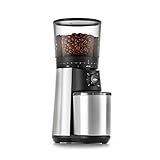
- A high-quality conical burr grinder (blade grinders create uneven dust that clogs the filter).
- Freshly roasted specialty coffee beans (medium to light roasts offer the best clarity).
- A digital scale (for exact measurements).
Step-by-Step Directions
- Weigh your coffee beans. For a standard 3-cup capacity pot, measure approximately 15-17 grams of whole beans.
- Adjust your burr grinder to a medium-fine setting. It should feel like table salt—coarser than a traditional espresso machine grind, but finer than a French press.
- Grind the beans fresh just seconds before brewing to preserve the delicate volatile aromatics.
- Inspect the grounds; if they clump together like wet sand, it is too fine and will cause dangerous pressure build-up and sputtering.
Pro-Tip: If your coffee flow is agonizingly slow or the safety valve starts whistling, your grind size is too fine. Back it off two notches on your burr grinder to prevent the excessive pressure profiling that causes severe bitterness.
4. Fill the Coffee Grounds Basket Properly (Never Tamp!)

Never tamp your grounds! Save this crucial tip to your “Coffee Hacks” board.
Proper basket loading: The coffee grounds basket is designed to hold loose, uncompressed coffee. Tamping + pressure build forces water through localized channels, causing extreme localized over-extraction, while implementing the Aeropress filter hack completely halts fines migration.
Unlike commercial espresso machines equipped with a portafilter, stovetop brewers cannot handle compressed coffee pucks. If you tamp the grounds, the relatively low steam pressure (around 1.5 to 2 bars) cannot penetrate the dense coffee bed evenly. Water will inevitably find the path of least resistance, blasting through a single channel. This results in the channeled coffee becoming aggressively bitter, while the rest remains untouched and sour.
What You Need
- Your freshly ground medium-fine coffee.
- A small spoon or leveling tool.
- Optional but highly recommended: Aeropress paper filters (for the advanced clean-cup hack).
Step-by-Step Directions
- Spoon the fresh coffee grounds loosely into the funnel filter basket until they form a small mound over the top.
- Tap the side of the basket gently with your finger to settle the grounds and eliminate hidden air pockets.
- Level off the excess coffee by sweeping a straight finger or knife across the rim. Do not tamp or press down under any circumstances.
- Wipe the rim of the basket completely clean to ensure the rubber gasket seal can sit flush and prevent leaks.
- Rinse an Aeropress paper filter and stick it to the underside of the upper metal filter screen before screwing the pot together to filter out microscopic sediment.
What most guides miss: The “Aeropress Filter Hack” is a game-changer for stovetop brewing. By placing a wet paper filter over the metal screen, you completely halt fines migration, yielding a cup with the heavy body of a macchinetta but the clean, sediment-free finish of a pour-over.

5. Extract on a Medium Heat Setting to Prevent a Burnt Flavor

Don’t burn your beans! Save this heat guide to your “Espresso Tips” board.
Controlling vapor pressure: Maintaining a medium heat setting guarantees a steady, gentle extraction that prevents scorching. Because the brewer generates pressure strictly through heat, adjusting your flame based on your roast profile (dark roast + lower heat) is mandatory.
Patience is the ultimate virtue when utilizing a pressure brewer. If you blast the stove on high heat, the water boils violently, rocketing through the coffee grounds before it can adequately dissolve the sweet flavor compounds. This rapid, chaotic extraction results in a harsh, ashy flavor profile. By gently increasing the vapor pressure over a medium-low flame, you allow the water to thoroughly saturate and slowly extract the complex oils and sugars from the beans.
What You Need
- Your assembled brewer.
- A gas, electric, or induction stovetop.
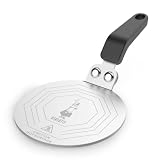
- A heat diffuser plate (essential if your gas burners are too large for the small pot base).
Step-by-Step Directions
- Place the assembled brewer on the stove. If using a gas stove, ensure the flames stay strictly beneath the base and do not lick up the sides (which melts the handle and burns the coffee).
- Set the burner to a medium to medium-low heat setting.
- Leave the lid of the upper collection chamber open so you can visually monitor the brewing process.
- Adjust the temperature based on your beans: use slightly higher heat for dense light roasts, and strictly low heat for delicate dark roasts to prevent them from scorching.
Pro-Tip: If your coffee is taking more than 5 minutes to appear after a boiling water start, your heat is too low. Conversely, if it violently shoots out within 30 seconds, your heat is too high. You want a steady, lazy ooze of liquid.
$3 offBestseller No. 5
6. Monitor the Flow to Avoid Sputtering and Sediment

Pin this visual cue guide to your “Coffee Aesthetics” board to nail the perfect flow!
Reading the extraction: Employing a slow pour technique relies entirely on visual cues to master coffee sediment control. During the pre-infusion stage, rich crema develops, but as soon as sputtering begins, you are extracting harsh, undesirable tannins.
Monitoring the coffee flow out of the central spout is the only way to gauge real-time extraction quality. The brew cycle starts with a thick, syrupy dark liquid packed with sweet coffee oils. However, as the water level in the bottom chamber depletes, the extraction transitions into a blonde phase. If you allow the pot to stay on the heat during this pale, bubbling phase, steam passes through the grounds instead of water, instantly ruining the entire batch with astringency.
What You Need
- Your open-lidded brewer currently on the stove.
- Your focused attention (never walk away during this step).
- High-quality espresso roast beans (which naturally produce a richer, thicker flow).
Step-by-Step Directions
- Watch the center spout closely. The coffee should emerge slowly, resembling thick, dark honey oozing out.
- Observe the color transition. It will start pitch black, then lighten to a rich hazelnut brown, creating a faux crema on top.
- Listen for the sound. The process should be virtually silent except for a soft hiss.
- Identify the blonde phase. As soon as the flow turns pale yellow and the pot begins to aggressively bubble and sputter, the optimal extraction is over.
Pro-Tip: That aggressive sputtering sound is actually steam passing through the coffee grounds instead of water. Steam extracts highly bitter, astringent compounds. The moment you see pale yellow bubbles, the brew is done.

7. Apply the Cold Towel Technique to Stop Extraction Instantly

Stop bitterness in its tracks! Save the Hoffmann Method to your “Coffee Science” board.
The final temperature drop: A rapid cooldown using the cold towel + stop extraction method halts the brewing process immediately. Popularized as the James Hoffmann technique, this physics-based trick is the absolute best way to stop moka pot brewing before bitterness takes over.
Simply removing your brewer from the hot stove burner is not enough to stop the brewing cycle. The latent heat retained within the thick metal walls of the bottom water chamber will continue boiling the remaining water, pushing bitter steam up through your freshly extracted coffee. By introducing a sudden, extreme temperature drop, you rapidly condense the steam back into water. This creates a mild vacuum that actively pulls moisture downward, away from the coffee bed, perfectly curtailing the extraction of bitter volatiles.
What You Need
- A clean, highly absorbent microfiber cloth.
- Cold tap water or an ice bath.
- Your completed brew.
Step-by-Step Directions
- Dampen a microfiber cloth with ice-cold tap water right before you begin brewing, and keep it next to the stove.
- Remove the brewer from the burner the exact second the coffee flow turns pale yellow and begins to sputter.
- Wrap the cold, wet towel tightly around the bottom water chamber, or optionally, run the base directly under a cold tap in your sink.
- Listen for the extraction to stop. You will instantly hear the sputtering cease as the steam condenses and pressure drops.
- Pour your rich, sweet, and perfectly extracted stovetop espresso into your favorite cup immediately.
An often-overlooked strategy: Popularized by coffee expert James Hoffmann, the cold towel method is the ultimate secret to sweet stovetop coffee. By instantly dropping the temperature of the boiler, you create a mild vacuum that pulls residual water away from the puck, completely eliminating the burnt aftertaste.

Key Takeaways: Your Quick Guide to Moka Pot Brewing Tips
A quick overview of moka pot brewing tips is essential for busy mornings when you need a reliable reminder of the core mechanics. Mastering the stovetop espresso maker is entirely about controlling temperature and preventing the bitter extraction that ruins classic stovetop espresso. When you understand how the primary entities—your brewer, your heat source, and your burr grinder—interact, you can consistently eliminate burnt flavors.
By preheating your water, avoiding tamping, and stopping the brew cycle immediately, you manipulate the thermodynamic process to your advantage. Keep these six essential action items in mind every time you approach the stove to guarantee a perfectly balanced, sweet, and robust traditional moka coffee. Here is your rapid-fire checklist summarizing our masterclass.
Key Takeaways:
- Start with pre-boiled water: Always fill the bottom water chamber with hot water from a kettle to minimize the time the coffee grounds bake on the stove, which directly prevents a burnt flavor.
- Master the grind size: Utilize a burr grinder to achieve a medium-fine consistency (like table salt). Espresso-fine grinds will choke the filter and cause severe bitterness through over-extraction.
- Never tamp the grounds: Simply level the coffee in the funnel filter basket. Tamping causes channeling and dangerous pressure build-up.
- Control your extraction speed: Keep the stove on a medium to medium-low heat setting. A slower, steady flow extracts sweet oils, while high heat boils the coffee and extracts bitter tannins.
- Use the Aeropress hack for clarity: Placing a wet paper filter under the metal filter screen stops fines migration and eliminates muddy sediment at the bottom of your cup.
- Halt the brew with a cold towel: Wrap the hot bottom chamber with a cold, damp cloth the moment the coffee turns pale and sputters. This James Hoffmann technique drops the pressure instantly, saving the brew from bitterness.
People Also Ask About Moka Pot Brewing Tips
Questions about moka pot brewing often arise even after mastering the basic techniques, as enthusiasts look to perfect their traditional daily ritual. Navigating common stovetop queries involves understanding the nuances between different brewing methods, exact measurements, and troubleshooting unexpected issues like sputtering or leaking.
Whether you are wondering how to use a moka pot efficiently, debating a moka pot vs french press, or trying to achieve the perfect ratio, understanding barista standards provides immense clarity. By addressing these specific knowledge gaps with proven extraction theory and industry best practices, you can resolve lingering uncertainties. Below, we answer the most pressing questions home baristas ask to help you achieve consistent, flawless extraction every single morning.
Why does moka pot coffee taste bitter?
Moka pot coffee tastes bitter primarily due to over-extraction, which happens when you start with cold water, use a grind that is too fine, or leave the pot on the heat for too long.
When exposed to high heat for extended periods, the delicate flavor volatiles are destroyed, and harsh tannins are extracted. You can resolve this by pre-boiling your water, using a medium-fine grind, and immediately cooling the brewer with a cold towel once the coffee begins to sputter.
What grind size is best for a moka pot?
The best grind size for a moka pot is medium-fine, which feels similar to regular table salt.
It should be noticeably coarser than the powdery grind used for commercial espresso machines, but finer than the coarse grind used for a French press. Using a high-quality burr grinder ensures uniformity, which prevents the water from channeling through the grounds and creating a weak or aggressively bitter cup.
Should I use hot or cold water in a moka pot?
You should always use preheated, hot water in the bottom chamber of your moka pot.
If you start with cold water, the brewer has to sit on the stove for several minutes to heat up. During this time, the aluminum frame acts as an oven, effectively baking the dry coffee grounds before the extraction even begins. This cooking process is a primary cause of metallic and burnt tasting coffee.
How do you clean a moka pot properly?
To clean a moka pot, disassemble the three chambers, rinse them thoroughly with warm water, and dry them completely with a towel.
Never put an aluminum stovetop espresso maker in the dishwasher, and avoid using abrasive dish soaps, as they will strip away the seasoned coffee oils and cause the aluminum to oxidize. Oxidization leads to a harsh, metallic taste in future brews. Occasional descaling with a mild citric acid solution will keep the safety valve clear.
Why is my moka pot sputtering?
A sputtering moka pot indicates that the water in the bottom chamber is boiling too aggressively, pushing steam—rather than water—through the coffee grounds.
This typically happens when your heat setting is too high or your brew cycle has finished. Steam extracts highly bitter, astringent flavors. To prevent this, brew on a medium heat setting and remove the pot from the stove immediately when the flow turns pale yellow.
How much coffee do I need for a 3-cup moka pot?
For a standard 3-cup moka pot, you need approximately 15 to 17 grams of fresh, medium-fine coffee grounds and about 150ml of water.
The exact weight will depend slightly on the roast profile of your beans. The most reliable method is to fill the funnel filter basket loosely to the brim and level it off without tamping, and fill the water chamber exactly to the bottom of the safety release valve.
Can you get real crema from a moka pot?
While a moka pot produces a rich, foam-like layer resembling crema, it does not produce authentic espresso crema.
True crema requires 9 bars of pressure from a commercial espresso machine, whereas a stovetop brewer only generates about 1.5 to 2 bars of pressure. However, you can maximize your faux-crema by using very fresh, dark-roasted specialty coffee beans and ensuring your heat is low enough to allow a slow, syrupy extraction.
Moka pot vs French press: What is the difference?
A moka pot uses steam pressure to push water up through fine grounds to create a strong, concentrated, espresso-like shot, while a French press uses total immersion brewing with coarse grounds to create a lighter, full-bodied cup of standard coffee.
The stovetop method yields a much heavier, intense flavor profile that pairs beautifully with frothed milk for lattes and cappuccinos, whereas the French press is ideal for sipping black.
Why does my moka pot leak from the middle?
A moka pot leaks from the middle seam when the rubber gasket seal is worn out, dirty, or the pot hasn’t been screwed together tightly enough.
Always wipe the rim of the filter basket clean of stray coffee grounds before assembling. If the grounds obstruct the seal, steam will escape. If your gasket is hard, brittle, or discolored, it can no longer hold pressure and must be replaced with a new silicone or rubber ring.
Can I make a half pot in a moka pot?
No, you cannot successfully make a half batch in a moka pot.
These brewers rely on precise fluid dynamics and pressure to work. If you half-fill the water chamber or the coffee basket, the pot cannot generate the correct pressure, resulting in severe under-extraction and channeling. You must always fill the water to the valve and the basket to the rim. If you want less coffee, you must purchase a smaller brewer.
Final Thoughts on Moka Pot Brewing Tips
Mastering stovetop brewing is less about following a rigid recipe and more about understanding the delicate relationship between heat, pressure, and extraction. For decades, the classic macchinetta earned an unfair reputation for producing bitter, burnt, and metallic coffee. But as we’ve explored, the brewer isn’t the problem—the technique is.
By abandoning the old habits of using cold water and high flames, and instead embracing barista-approved methods like the boiling water start, precise burr grinding, and the rapid cold-towel cooldown, you take total control over the extraction. You are no longer just boiling coffee on a stove; you are manually managing thermal mass and vapor pressure to coax out the sweetest, richest flavors your specialty coffee beans have to offer.
The first time you try this updated routine, it might feel a bit more involved than just throwing the pot on the burner and walking away. But the moment you taste that thick, velvety, sediment-free brew—completely devoid of harsh bitterness—you will realize the effort is entirely worth it.
Which tip are you going to implement in your morning routine tomorrow? Have you tried the Aeropress filter hack or the Hoffmann cold-towel method yet? Let me know how it changes your brew in the comments below!
Last update on 2026-10-22 / Affiliate links / Images from Amazon Product Advertising API
