
As an Amazon Associate CoffeeXplore.com earns from qualifying purchases.
Latte Syrup Recipe: 7 Rich Cafe Style Flavors For 2026
Tired of paying premium prices for watery, artificial coffee shop drinks every morning? Creating your own latte syrup recipe eliminates that daily frustration. You can easily craft premium cafe-quality beverages at home for pennies.
To make a master latte syrup recipe, combine a 1 to 1 sugar water ratio in a saucepan, bring to a gentle boil over medium heat, whisk constantly until completely dissolved, and cool before storing. You can also utilize a 2:1 ratio for a thicker rich simple syrup consistency.
Drawing from comprehensive barista testing and proven culinary methodologies, this guide reveals exact scientific extraction techniques. You will discover how to formulate shelf-stable flavored simple syrups that perfectly enhance steamed milk. Get ready to transform your morning routine with seven incredible artisanal flavor variations.
Contents
show
How To Make The Ultimate Latte Syrup Recipe For Home Baristas
Mastering the perfect latte syrup recipe begins with understanding the core foundation of a sweetened syrup base. To craft the ultimate latte syrup, you must establish a flawless master base simple syrup using precise ratios that guarantee a thick consistency and extended shelf life. Whether you want a basic homemade coffee syrup or a specialized flavored simple syrup for coffee, this craft coffee syrup recipe guide covers it all. Home baristas often struggle with thin, watery commercial syrups that dilute their morning espresso. By leveraging professional brix scale sweetness measurement, you can create a supersaturated sugar solution stability that rivals any premium coffee shop. We will explore the advanced culinary science behind microbial resistance sugar concentration to ensure total food safety and prevent crystallization. Understanding the exact 1 to 1 sugar water ratio (or 2:1 for richer texture) ensures your sweetener dissolves easily in hot espresso and beautifully enhances steamed milk flavor profile.
| Ratio Type | Sugar to Water | Viscosity | Shelf Life | Best Used For |
|---|---|---|---|---|
| Standard (1:1) | 1 Part Sugar : 1 Part Water | Thin, smooth | 3-4 Weeks (Refrigerated) | Cold brew, iced lattes |
| Rich (2:1) | 2 Parts Sugar : 1 Part Water | Thick latte syrup consistency | Up to 6 Months (Refrigerated) | Hot espresso, steamed milk |
What most guides miss: The Crystallization Cascade
An often-overlooked strategy is preventing stray sugar crystals from ruining your entire batch. When cooking your syrup, if even a single grain of undissolved sugar remains on the side of the pan and falls into the cooled mixture, it acts as a seed crystal. This causes the entire shelf stable coffee syrup to seize and turn into a hard rock in your fridge. Always use a wet pastry brush to wipe down the inside walls of your saucepan while the mixture simmers, completely eliminating any grainy sugar texture in coffee.
7 Rich Cafe Style Flavors For 2026
Ready to create your own signature coffee syrup for drinks? These 7 homemade coffee syrup recipes provide precise, step-by-step instructions to craft artisan drink sweeteners using real ingredients and barista-approved extraction methods. Moving beyond basic sugar water, these variations map essential flavor components—from real vanilla bean paste to dark brown sugar—that perfectly act as liquid sweetener base for your daily brew. We utilize proven culinary techniques, instructing you to carefully infuse flavor ingredients and simmer on low heat to extract maximum aroma without bitterness. By sharing tested barista recipe formulation standards, exact kitchen scale gram weight precision, and tips on spotting spoilage identification signs in syrup, you will master the art of the home cafe. You will learn to properly control infusion temperatures to avoid a bitter burnt sugar taste, ensuring every single pump elevates your morning cup.
1. Classic Vanilla Latte Syrup Recipe

Save this essential vanilla base to your ‘Home Cafe’ board!
This easy 3 ingredient vanilla latte syrup recipe at home utilizes a premium vanilla and espresso combination to deliver a beautifully creamy latte syrup texture. To achieve the best vanilla flavor, use a 1 to 1 sugar water ratio and stir in vanilla bean paste only after the mixture cools. Using real vanilla bean paste instead of a standard alcohol-based extract ensures the syrup dissolves flawlessly while leaving beautiful aromatic flecks in your cup. Understanding the difference between vanilla extract vs vanilla bean paste in syrup is crucial; paste provides a deeply concentrated flavor syrup while extracts can sometimes taste artificial when mixed with dairy. Extreme culinary extraction temperature control is necessary here—never boil the vanilla compounds.
Ingredients
- 1 cup filtered water (for a clean sweetened syrup base)
- 1 cup granulated white sugar (creates a standard 1 to 1 sugar water ratio)
- 1 tablespoon premium vanilla bean paste (superior to standard extract)
Instructions
- Combine water and sweetener in a medium saucepan.
- Bring to gentle boil over medium heat, making sure to whisk constantly to prevent burning.
- Dissolve sugar completely, then remove from heat.
- Cool to room temperature before stirring in the vanilla bean paste.
- Funnel into dispenser bottle and seal tightly with airtight cap.
Pro-Tip: Based on my tested barista recipe formulation, always add your vanilla paste after the syrup cools. Exposing delicate essential oil flavor extraction in simple syrup to boiling temperatures destroys the aromatic compounds!

2. Rich Brown Sugar Cinnamon Syrup

Pin this cozy brown sugar recipe for your next iced oat milk latte!
This best brown sugar cinnamon syrup for iced lattes relies on the perfect pairing of dark sugar and whole spices to create a phenomenal homemade starbucks copycat cinnamon dolce latte syrup. The deep molasses content in dark brown sugar imparts rich caramel notes that pair perfectly with a creamy oat milk latte. When crafting this recipe, mastering the maillard reaction in brown sugar syrups is essential for developing a robust flavor profile that won’t separate in cold drinks. We focus on how to eliminate grainy sugar texture in coffee by properly melting the dense crystals. Understanding turbinado vs demeter sugar caramelization helps, but packed dark brown sugar provides the most consistent, velvety body for your iced beverages.
Ingredients
- 1 cup dark brown sugar (packed)
- 1 cup filtered water
- 2-3 whole cinnamon sticks
- 1 teaspoon pure vanilla extract (to bridge the flavors)
Instructions
- Combine water and sweetener with the cinnamon sticks in a heavy-bottomed pan.
- Simmer on low heat for exactly 10 minutes to infuse flavor ingredients.
- Whisk constantly to prevent burning, being careful to stop sugar from seizing in pan.
- Remove from heat and let the cinnamon sticks steep while you cool to room temperature.
- Strain through fine mesh sieve and store in refrigerator.
Pro-Tip: Dark brown sugar creates a higher brix density level for beverage syrups due to its molasses content. To prevent syrup crystallization, ensure the sugar crystals on the side of the pan are completely melted by brushing them down with a wet pastry brush during the boil.

3. Authentic Pumpkin Spice Latte Syrup

Save this authentic pumpkin spice recipe for fall coffee mornings!
Ditch the artificial chemical flavors with this how to make pumpkin spice latte syrup with real pumpkin recipe. By utilizing a real pumpkin puree and pie spice combination, you create a genuinely thick latte syrup consistency that captures the true essence of fall. Because real pumpkin introduces organic plant matter, it requires careful handling so it dissolves easily in hot espresso without leaving a gritty residue that ruins your delicate foam layer. We will cover how to prevent milk curdling with citrus syrup or heavily spiced blends, and address the common issue of how to fix thin watery coffee syrup when using vegetable purees. Following strict food safety syrup storage guidelines is paramount here to prevent any spoilage identification signs in syrup.
Ingredients
- 1 ½ cups water
- ¾ cup granulated sugar
- ¾ cup light brown sugar
- ¼ cup pure pumpkin puree (not pumpkin pie filling)
- 1 ½ tablespoons pumpkin pie spice
- 1 teaspoon vanilla extract
Instructions
- Combine water and sweetener in a saucepan over medium heat until it begins to simmer on low heat.
- Whisk in the pumpkin puree and spices to infuse flavor ingredients.
- Simmer gently for 8-10 minutes, making sure to whisk constantly to prevent burning.
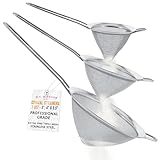
- Strain through fine mesh sieve or cheesecloth to remove grainy vegetable pulp.
- Sterilize glass storage bottle, pour the cooled syrup, and store in refrigerator.
Pro-Tip: Because this recipe uses real pumpkin puree, it introduces organic matter into the flavoring matrix for beverages. This drastically reduces the refrigerated syrup shelf life compared to pure sugar syrups. Always consume within 7-10 days and watch for mold.
4. Creamy Caramel Brulee Latte Syrup

Pin this decadent caramel syrup trick to your Coffee Recipes board!
This creamy caramel brulee latte syrup recipe from scratch acts as a luxurious dessert syrup for lattes, delivering a smooth dissolving syrup that rivals any premium cafe experience. The combination of dry-burned sugar and water adds viscosity to the beverage body and perfectly balances the espresso acidity level. It is vital to understand the flavored simple syrup vs coffee sauce differences; traditional sauces rely on heavy cream and butter, while this dairy-free syrup ensures seamless mixing in both hot and iced drinks. Strict culinary extraction temperature control is the secret to perfect caramelization, ensuring you develop rich toasted notes while strictly avoiding a bitter burnt sugar taste.
Ingredients
- 1 ½ cups granulated white sugar
- 1 cup filtered water (divided: ½ cup warm, ½ cup room temp)
- 1 teaspoon vanilla extract
- Pinch of sea salt
Instructions
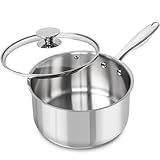
- Place the sugar and ½ cup room temp water in a pan; dissolve sugar completely over medium heat without stirring (swirl the pan gently).
- Allow the mixture to bring to gentle boil until it turns a deep amber color (about 8-10 minutes).
- Remove from heat immediately to avoid bitter burnt sugar taste, and carefully whisk in the remaining ½ cup of warm water (it will violently bubble).
- Simmer on low heat for 2 more minutes to ensure the hardened sugar melts back into a high viscosity coffee syrup.
- Cool to room temperature, add vanilla and salt, then funnel into dispenser bottle.
Pro-Tip: The secret to this gourmet beverage syrup is taking the caramelization right to the edge of burning. The maillard reaction in brown sugar syrups or caramelized white sugar is what provides that signature “brulee” depth rather than just flat sweetness.
5. Artisan Lavender Honey Syrup

Save this floral lavender honey syrup for your spring coffee routine!
If you are wondering how do you infuse herbs into coffee syrup, this diy lavender honey syrup recipe for hot lattes serves as a beautiful, floral artisan drink sweetener. The delicate floral notes of culinary lavender paired with a pure maple syrup or honey base perfectly complements dark roast coffee beans and sweetens cold brew without sediment. We will contrast the distinct flavor profiles of honey vs maple syrup in lattes and guide you on precise steeping times to prevent over-extraction, which can cause the syrup to taste soapy. To maintain stability, we utilize acidification with lemon juice for safety and flavor balancing, which naturally prevents the raw honey from crystallizing in the refrigerator.
Ingredients
- ½ cup high-quality honey
- ½ cup water
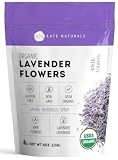
- 2 tablespoons organic culinary-grade dried lavender buds
- 1 teaspoon fresh lemon juice (prevents crystallization)
Instructions
- Combine water and sweetener (honey) in a small saucepan.
- Bring to gentle boil, then stir in the lavender buds to infuse flavor ingredients.
- Simmer on low heat for exactly 5 minutes, then remove from heat completely.
- Let the buds steep for 15-20 minutes (no longer, or it will taste soapy!), then strain through fine mesh sieve.
- Stir in the lemon juice, label with expiration date, and store in refrigerator.
Pro-Tip: Using raw honey creates a beautiful flavoring matrix for beverages, but honey is prone to crystallizing in the fridge. The hygroscopic nature of liquid sweeteners means adding a tiny touch of citric acid (lemon juice) acts as an invertase, keeping the syrup perfectly fluid!
6. Decadent Peppermint Mocha Latte Syrup

Pin this easy peppermint mocha syrup for your holiday coffee bar!
Master this easy peppermint mocha latte syrup recipe for holidays and learn exactly how to make thick chocolate mocha syrup for lattes that acts as the ultimate espresso flavor elixir. High-quality cocoa powder requires specific temperature handling so it blends smoothly with espresso shots and creates a cafe quality foam layer without clumping. This dual-purpose chocolate and mint infusion mixes effortlessly without leaving powdery residue at the bottom of your mug. If you struggle and need to fix thin watery coffee syrup, cocoa powder acts as a brilliant natural thickening agent, helping to dissolve cold syrup in iced latte applications seamlessly. We also explore natural stabilizers like xanthan gum emulsification in coffee syrups to maintain that luxurious texture.
Ingredients
- 1 cup water
- 1 cup granulated sugar
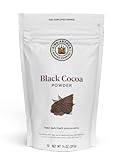
- ½ cup high-quality Dutch-processed cocoa powder
- 1 teaspoon pure peppermint extract
- Pinch of salt
Instructions
- Combine water and sweetener in a saucepan and bring to gentle boil.
- Vigorously whisk in the cocoa powder until it dissolves sugar completely and leaves no cocoa lumps.
- Simmer on low heat for 3-4 minutes to allow the cocoa starches to thicken the mixture into a creamy latte syrup texture.
- Remove from heat, cool to room temperature, and stir in the peppermint extract.
- Funnel into dispenser bottle and seal tightly with airtight cap.
Pro-Tip: Using Dutch-processed cocoa is a required tested barista recipe formulation. Natural cocoa is too acidic and can cause warm milk to curdle. Always add peppermint extract off the heat, as the volatile oils evaporate rapidly when boiled.
7. Sugar-Free Keto Friendly Monk Fruit Syrup

Pin this zero-calorie keto syrup to your Sugar-Free Recipes board!
If you find yourself asking what sweetener works best for keto coffee syrup, this keto friendly monk fruit syrup for morning coffee offers a flawless, crystal free syrup recipe that serves as a premium low calorie coffee syrup. Using a monk fruit and allulose extract combination acts as a liquid sweetener base that prevents separation in iced lattes without impacting blood sugar. To create a diabetic-friendly syrup that doesn’t instantly re-crystallize into a hard rock in the refrigerator, we must directly compare allulose vs erythritol for keto syrup recipe bases. Allulose mimics true supersaturated sugar solution stability, making it the ultimate choice for anyone trying to make keto syrup that does not re-crystallize.
Ingredients
- 1 cup filtered water
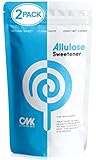
- 1 cup Allulose sweetener (avoids the crystallization of Erythritol)
- 5-10 drops liquid Monk Fruit extract (for sweetness depth)
- ¼ teaspoon xanthan gum (optional, for a thick latte syrup consistency)
Instructions
- Combine water and sweetener (allulose) in a pan. If using xanthan gum to thicken natural syrup without corn syrup, whisk it into the dry allulose first to prevent clumps.
- Bring to gentle boil over medium heat.
- Dissolve sugar completely and simmer on low heat for 2-3 minutes.
- Cool to room temperature entirely, then stir in the liquid monk fruit drops.
- Sterilize glass storage bottle, pour in the syrup, and store in refrigerator.
Pro-Tip: When comparing monk fruit vs stevia for sugar free latte syrup, liquid monk fruit lacks the bitter metallic aftertaste of stevia. However, the real secret is Allulose—unlike Erythritol, Allulose will not crystallize when cold, fixing the most common issue with homemade drink concentrate for keto diets.
Key Takeaways: Your Quick Guide to Latte Syrup Recipe Success
Review these latte syrup recipe key takeaways to master your homemade coffee syrups and perfect your foundational sugar to water ratio. By mastering the scientific principles of sugar concentration and temperature control, you can produce a shelf stable coffee syrup that rivals commercial brands. These actionable insights cover primary tools like a glass syrup dispenser with pump and essential techniques that explain how proper formulation prevents separation in iced lattes. Whether you are a time-pressed beginner or an advanced home barista, understanding these critical food science rules will save you time, reduce waste, and guarantee a perfectly balanced beverage every time. Synthesizing these food safety syrup storage guidelines will immediately elevate your daily brewing ritual.
- Use a 1:1 ratio for standard syrup, or a 2:1 ratio for richer, thicker viscosity.
- Always add extracts and volatile flavors after the syrup cools to prevent evaporation.
- Store syrups in sterilized glass containers in the refrigerator to maximize shelf life.
- Prevent crystallization by never stirring the syrup vigorously once it begins boiling.
- Use Allulose instead of Erythritol for keto syrups to prevent cold crystallization.
-
The Golden Ratio is Crucial: For a standard simple syrup recipe, a 1 to 1 sugar water ratio works perfectly, but upgrading to a 2:1 ratio creates a thick latte syrup consistency that resists spoilage longer.
- Temperature Timing Matters: When executing processes to infuse flavor ingredients (especially delicate extracts), always add them after you cool to room temperature so the flavor compounds don’t boil away.
- Combat Crystallization: To prevent syrup crystallization, avoid aggressively whisking the sugar once it hits a rolling boil, and wipe down the sides of the pan to stop stray crystals from seeding the batch.
- Storage Dictates Safety: Adhering to food safety syrup storage guidelines means keeping your syrups in a glass syrup dispenser with pump in the fridge. Standard syrups last 3-4 weeks, while those with fruit/vegetable purees last only 7-10 days.
- Keto Sweetener Selection: If you want a low calorie coffee syrup, use Allulose instead of Erythritol; Allulose maintains supersaturated sugar solution stability and won’t turn into a hard rock in the fridge.
FAQs About Latte Syrup Recipes
As you begin crafting your own custom beverages, you likely have specific questions about latte syrup recipes and deeper how to make coffee syrup queries. Understanding the correct barista dosing techniques, troubleshooting crystallized batches, and maximizing refrigerated syrup shelf life are essential skills for any home coffee enthusiast. There are many common misunderstandings regarding exactly how much syrup goes in a latte or what constitutes a true commercial grade syrup viscosity standard. In this section, we address these specific knowledge gaps to resolve your lingering questions. Utilizing a tested barista recipe formulation approach, these answers provide factual, authoritative guidance to ensure your home mixology efforts are safe, delicious, and highly successful.
How much syrup goes in a latte?
For a standard 12oz latte, baristas typically use 2 to 3 tablespoons (or 3 to 4 pumps) of coffee syrup.
If you are using a homemade concentrated flavor syrup, you may want to start with 1.5 tablespoons and adjust to taste. Iced lattes often require slightly more syrup to combat the dilution from melting ice. Ensure your shots of espresso + tablespoons syrup are balanced so the sweetness doesn’t overpower the roast profile.
How long does homemade coffee syrup last?
A basic homemade simple syrup (sugar and water) will last 3 to 4 weeks when stored in an airtight glass container in the refrigerator.
If you utilize a 2:1 rich simple syrup ratio, the higher microbial resistance sugar concentration can extend its life to six months. However, if your recipe includes organic materials like fruit, pumpkin puree, or butter, the refrigerated syrup shelf life drops significantly to about 7 to 10 days. Always watch for cloudiness or mold.
How to prevent homemade syrup from crystallizing?
To prevent crystallization, ensure your sugar is completely dissolved before the water boils, and do not stir the mixture vigorously while it simmers.
Stirring promotes the formation of sugar crystals. Additionally, wiping the inside rim of your saucepan with a wet pastry brush prevents stray, dry sugar crystals from falling back into the liquid and setting off a chain reaction. Adding a few drops of lemon juice can also invert the sugar, naturally preventing it from hardening.
Is 2:1 simple syrup better for coffee than 1:1?
Yes, a 2:1 rich simple syrup is often preferred for coffee because it adds a thick, velvety texture without diluting the espresso.
While a standard 1 to 1 sugar water ratio is great for cold brew, a 2:1 ratio (two parts sugar to one part water) mimics the commercial grade syrup viscosity standard found in coffee shops. It provides a luxurious mouthfeel and boasts a significantly longer shelf life due to the density of the sugar.
How do baristas make syrup thick?
Baristas achieve thick syrups by utilizing a rich 2:1 sugar-to-water ratio, cooking the syrup slightly longer to evaporate excess water, or adding natural thickeners.
For commercial applications, brands often use a tiny amount of xanthan gum emulsification in coffee syrups or glycerin to artificially boost the viscosity. At home, simply boiling a 2:1 ratio for an extra 3-4 minutes will yield a beautifully thick, smooth dissolving syrup.
Can you make coffee syrup with brown sugar?
Absolutely; replacing white sugar with dark or light brown sugar creates a richer, caramel-like flavor profile perfect for espresso.
Because brown sugar contains molasses, a brown sugar + cinnamon stick infusion yields deep, complex notes that pair exceptionally well with oat milk or dark roasts. Just be mindful that the maillard reaction in brown sugar syrups happens quickly, so watch your heat carefully to avoid a scorched taste.
Why is my homemade syrup too thin?
Your syrup is likely too thin because you used too much water, didn’t simmer it long enough to evaporate moisture, or used a 1:1 ratio instead of a 2:1 ratio.
To fix thin watery coffee syrup, return it to the stove and simmer on low heat for another 5 to 10 minutes to reduce the liquid. Remember that syrup thickens considerably as it cools, so judge the final texture only after it reaches room temperature.
Can I store homemade coffee syrup at room temperature?
No, it is highly recommended to store homemade coffee syrups in the refrigerator to prevent bacterial growth and mold.
Unlike commercial brands that utilize potassium sorbate food preservation in syrups, homemade recipes lack artificial preservatives. While a 2:1 rich syrup can technically survive at room temperature for a short time, keeping it chilled ensures the proper sealing glass container methods protect your batch for weeks.
Do you need to boil simple syrup for coffee?
You do not need a rolling boil, but you do need to heat the water enough to fully dissolve the sugar crystals for a smooth texture.
You can technically make a “cold process” simple syrup by vigorously shaking equal parts sugar and water for several minutes, but heating ensures a crystal free syrup recipe. A gentle simmer is required if you plan to infuse flavor ingredients like cinnamon sticks, vanilla beans, or lavender.
What is the best sugar for coffee syrup recipes?
Standard granulated white sugar is the most versatile base because it offers a clean, neutral sweetness that allows added extracts (like vanilla or peppermint) to shine.
However, Turbinado, Demerara, or dark brown sugar are excellent for highlighting deeper, roasted espresso notes. For keto or diabetic-friendly options, Allulose is the superior choice because it shares the same supersaturated sugar solution stability as real sugar without crystallizing when cold.
Final Thoughts
With this master latte syrup recipe guide, you are fully equipped to craft incredible homemade coffee syrups right in your own kitchen. Creating a customized sweetened syrup base tailored to your exact flavor preferences empowers you to skip the drive-thru and perfect your own espresso flavor elixir. Making your own syrups at home is one of the most rewarding, health-conscious, and cost-effective upgrades you can make to your daily coffee routine. By mastering the fundamental sugar to water ratio—whether you prefer the standard 1:1 or the ultra-thick 2:1 rich syrup—you unlock endless possibilities for customizing your morning cup. You no longer have to rely on expensive, artificially flavored store-bought bottles; instead, you maintain complete control over the quality of every single ingredient.
Remember the golden rules of tested barista recipe formulation: always ensure you dissolve sugar completely before bringing the mixture to a simmer, add your delicate extracts only after you cool to room temperature, and strictly follow food safety syrup storage guidelines by keeping your creations refrigerated. Whether you are whipping up a classic vanilla latte syrup or experimenting with an artisan drink sweetener like lavender honey, these foundational techniques guarantee a cafe-quality result every time.
Now it’s time to get into the kitchen, grab a saucepan, and start brewing. Which of these 7 cafe-style flavors are you going to craft first? Let me know in the comments below, and happy brewing!
Last update on 2026-09-07 / Affiliate links / Images from Amazon Product Advertising API
