
As an Amazon Associate CoffeeXplore.com earns from qualifying purchases.
Iced Tea Flavors: 11 Unique Homemade Recipes for 2026
Sick of brewing iced tea flavors that end up muddy and bitter? Nothing ruins a hot afternoon faster than an astringent, cloudy glass of homemade tea. You deserve a perfectly smooth beverage that truly refreshes your palate.
To make perfect iced tea flavors at home, use the simple cold brew method. Combine one tablespoon of loose leaf tea per cup of filtered water. Steep in the refrigerator for 8 to 12 hours. This prevents bitter tannins from releasing, yielding a naturally sweet, smooth iced tea.
Drawing from scientific tea flavor analysis and proven brewing techniques, we perfected these extractions. We will guide you through crafting eleven artisan beverage recipes today. Discover how to transform simple ingredients into gourmet refreshments without using any artificial syrups.
Contents
show
Discovering Perfect Iced Tea Flavors: How to Cold Brew Homemade Recipes That Won’t Turn Bitter
Perfecting homemade iced tea flavors requires mastering the cold brew method to prevent the over-extraction of bitter tannins. Most home beverage enthusiasts mistakenly use boiling water, which rapidly breaks down delicate tea leaves and causes enzymatic browning. When you steep tea in cold water, you gently coax out the sweet, aromatic compounds while leaving the harsh, astringent chemicals behind. Before diving into our expert iced tea recipes, it is crucial to understand that water quality drastically impacts your final cup. Using filtered water ensures your delicate tea flavor combinations shine without interference from chlorine or heavy minerals.
Let’s do a quick “Troubleshooting Your Tea” self-assessment to identify past preparation mistakes. Does your tea often taste watery? You likely aren’t using enough tea leaves for proper cold maceration. Is it consistently cloudy? Hot-brewed tea shocked with ice creates a muddy, opaque appearance due to binding caffeine and tannins. Does it taste unpleasantly bitter? You are likely over-steeping or burning the leaves with boiling water. By switching to optimal steeping for iced tea via the cold brew method, these common problems instantly disappear, leaving you with a flawless botanical foundation.
11 Unique Homemade Iced Tea Flavors to Refresh Your Summer
Creating your own iced tea recipes allows you to completely control the sweetness and quality of every ingredient in your glass. When comparing these homemade iced tea flavors vs store-bought alternatives like Starbucks or Arizona, the difference in nutritional value and taste is staggering. Commercial brands often rely heavily on high-fructose corn syrup and artificial iced tea flavors to mask low-quality tea dust. By stepping into the role of a home mixologist, you unlock the ability to craft healthy, vibrant beverages without the empty calories.
According to master tea blenders, utilizing proven iced tea brewing techniques transforms basic ingredients into sophisticated, artisan refreshments. The following guide provides precise measurements, expert flavor pairings, and advanced cold maceration techniques rather than just telling you to arbitrarily “add fruit to tea.” From rich black teas to delicate herbal infusions, these carefully formulated recipes will elevate your summer hydration and impress your guests.
1. Brew a Classic Peach Black Tea

Save this refreshing summer classic to your favorite drink recipes board!
Crafting an easy homemade peach iced tea recipe for summer requires fresh fruit and high-quality black tea to achieve a rich, sweetened cold tea base. By avoiding commercial peach syrups, you extract authentic, vibrant iced tea notes that taste like biting into a ripe orchard peach. This bold iced tea is the ultimate crowd-pleaser for warm-weather gatherings.
Ingredients
- 4 high-quality black tea bags (or 4 tablespoons loose leaf Assam)
- 2 fresh, ripe peaches (pitted and sliced)
- 3 tablespoons raw honey (adjust to taste)
- 6 cups cold filtered water
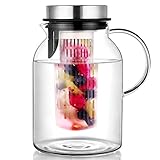
- 1 heavy-duty glass cold brew pitcher with a fine-mesh stainless steel infuser
Instructions
- Muddle the fresh peach slices and raw honey at the bottom of your glass pitcher to release the natural juices.
- Add the black tea bags or loose-leaf tea into the pitcher’s infuser core.
- Pour the cold filtered water directly over the tea and peaches.
- Chill and steep in the refrigerator for 8 to 12 hours for maximum iced tea flavor.
- Strain the tea leaves, give the liquid a vigorous stir, and serve iced tea over fresh cubes with extra peach slices for garnish.
What most guides miss: Based on sensory evaluation of iced tea, relying on the maillard reaction of roasted black teas pairs perfectly with the high sugar content of peaches. Avoid boiling the peaches, which can cause enzymatic browning and a cooked, jam-like flavor. Cold maceration keeps the fruit tasting crisp and vibrant, ensuring a superior flavor extraction cold tea profile.

2. Infuse a Refreshing Mint and Lime Green Tea

Pin this low-calorie refresher for your next afternoon energy boost!
Learning how to make refreshing mint and lime iced tea at home starts with understanding strict temperature control to prevent your iced green tea from turning bitter. This inherently zesty iced tea provides an invigorating iced tea experience that offers high antioxidants without the sugary crash associated with energy drinks.
Ingredients
- 4 tablespoons organic Japanese Sencha loose leaf green tea
- 1 large handful of fresh spearmint leaves (washed)
- 2 fresh limes (1 juiced, 1 sliced into thin wheels)
- 6 cups cold filtered water
- 2 tablespoons agave nectar (optional)
Instructions
- Steep tea for cold brew by placing the loose leaf green tea and fresh mint leaves into a large pitcher.
- Pour cold water over the leaves; never use hot water, which makes green tea instantly bitter.
- Refrigerate iced tea for 4 to 6 hours (green tea requires less time than black tea).
- Strain the liquid thoroughly to remove all leaves and mint.
- Mix in the fresh lime juice and agave nectar until dissolved.
- Garnish with lime wheels and serve in chilled glasses.
Expert insight: Master tea blenders know that green tea releases its bitter polyphenol content rapidly in hot water. Cold brewing preserves the sweet, umami notes of the Sencha while gently extracting the cooling terpenes in tea from the mint leaves. This method guarantees one of the healthiest iced tea flavors you can possibly brew, serving as a masterclass in the expert guide to iced tea preparation.

3. Mix a Tart Hibiscus Berry Infusion

Save this caffeine-free, antioxidant-packed berry tea for your healthy drinks board!
Following the simple steps to cold brew hibiscus iced tea concentrate yields a vibrant, visually stunning tart iced tea that looks as good as it tastes. This caffeine-free option is a top-tier choice for botanical iced teas lovers who want a zero-calorie alternative iced tea before sweetening, packed with research-backed tea benefits.
Ingredients
- 1/2 cup dried organic hibiscus flowers (food-grade)
- 1 cup mixed fresh berries (raspberries, blackberries, strawberries)
- 6 cups cold filtered water
- 1/4 cup liquid sweetener (simple syrup or stevia)
- Fresh mint for garnish
Instructions
- Formulate iced tea blends by combining the dried hibiscus flowers and lightly mashed mixed berries in a large glass vessel.
- Pour the cold water over the mixture, ensuring all dried flowers are submerged.
- Chill in the refrigerator overnight (12-14 hours) to achieve a deep ruby-red color and fully extract flavor from tea botanicals.
- Strain the iced tea concentrate carefully through a fine-mesh sieve, pressing the berries gently to release their juices.
- Dilute iced tea slightly with ice, sweeten to taste, and serve garnished with a few whole berries.
An often-overlooked strategy: According to professional tea tasting notes, hibiscus has a highly acidic pH balance for tea infusion, which can sometimes taste overly sour or sharp. Adding a tiny pinch of baking soda (just 1/8 teaspoon) to the pitcher neutralizes the acid slightly, creating a smoother, mellow iced tea profile without requiring additional sugar. This simple chemistry trick elevates the natural health benefits of iced tea while improving palatability.

4. Create a Classic Lemon Ginger Sweet Tea

Pin this Southern classic with a spicy twist to your favorite summer drinks board!
Discovering what does a good sweet tea flavor taste like involves balancing the robust bite of black tea with the warming heat of fresh root spices. This elevated lemonade tea captures the nostalgic essence of classic iced tea flavors while teaching you the traditional iced tea methods used to properly sweeten cold brew tea without leaving grainy sugar at the bottom of your glass.
Ingredients
- 5 traditional black tea bags (Orange Pekoe blend preferred)
- 1 large lemon (juiced) + 1 lemon sliced for garnish
- 2 inches fresh ginger root, peeled and thinly sliced
- 1/2 cup liquid pure cane sugar syrup
- 6 cups water (4 cold, 2 boiling for the ginger)
Instructions
- Prepare a ginger concentrate by pouring 2 cups of boiling water over the sliced ginger. Let it steep for 15 minutes, then remove the ginger.
- Blend iced tea flavors by adding the black tea bags to the warm ginger water. Let steep for just 5 minutes to prevent bitterness, then remove tea bags.
- Mix in the liquid cane sugar syrup while the liquid is still warm to ensure it fully dissolves.
- Chill iced tea by adding the remaining 4 cups of cold water and refrigerating until completely cold.
- Add fresh lemon juice right before you serve iced tea, pouring over ice and garnishing with lemon wedges.
Pro-Tip: When exploring the gastronomy of tea flavors, adding lemon juice after the tea has completely cooled prevents the tea from turning cloudy. Acid added to hot black tea can cause a rapid breakdown of tannins, resulting in a murky, muddy iced tea appearance. This solves the great iced tea vs sweet tea debate by ensuring perfect clarity every time.

5. Blend a Watermelon Basil Cooler

Save this ultra-hydrating, aesthetic summer drink recipe to your Pinterest boards!
Creating definitive summer iced tea flavors with fresh melon and herbs results in highly refreshing tea drinks perfect for poolside lounging. Knowing how to expertly add fruit to iced tea alongside robust herbs for drinks transforms basic water into an artisan iced tea blend, showcasing incredible flavor pairing principles.
Ingredients
- 3 cups fresh, seedless watermelon chunks
- 1 handful fresh sweet basil leaves
- 4 cups cold brewed white tea (very mild)
- 1 tablespoon lime juice
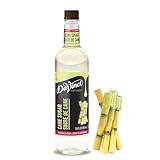
- 1 ultra-fine stainless steel mesh strainer
Instructions
- Extract flavor from the fruit by blending the fresh watermelon chunks in a blender until completely liquefied.
- Strain the watermelon juice through a fine-mesh strainer into a large pitcher to remove all pulp, ensuring a smooth, crisp beverage.
- Muddle the basil leaves lightly in your hands (clap them together to release the oils) and drop them into the pitcher.
- Mix in the cold-brewed white tea and lime juice, stirring gently to combine.
- Chill the mixture for 1-2 hours to allow the basil to infuse, then pour iced tea over fresh ice.
Expert insight: Culinary institute tea courses teach that watermelon juice separates rapidly. To preserve iced tea flavors and texture for a party, blend the watermelon right before serving, or add a tiny pinch of xanthan gum to stabilize the juice suspension. Understanding synergistic flavor compounds tea science proves that the sweetness of watermelon perfectly balances the peppery notes of basil without added sugar.

6. Cold Brew a Crisp Cucumber Melon White Tea

Pin this spa-quality tea to your wellness and hydration board!
This delicate, light iced tea uses cucumber to create a uniquely crisp iced tea experience focused entirely on flavor perception in cold beverages. When exploring healthy iced tea flavors, white tea spritzers provide unparalleled hydration without overpowering the palate, creating a luxurious spa-water aesthetic.
Ingredients
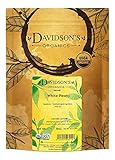
- 3 tablespoons loose leaf White Peony (Bai Mudan) tea
- 1/2 English cucumber, shaved into long, thin ribbons
- 1 cup honeydew melon, scooped into balls or cubed
- 6 cups cold filtered water
- 1 tablespoon light agave syrup (optional)
Instructions
- Prepare your ingredients by thoroughly washing the cucumber and shaving it into ribbons using a vegetable peeler.
- Combine the loose leaf white tea, cucumber ribbons, and honeydew melon in a large glass carafe.
- Pour the cold filtered water over the ingredients.
- Steep in the refrigerator for 6 to 8 hours. White tea has a very delicate tea tannin profile, so cold maceration keeps it sweet.
- Strain iced tea through a fine sieve into a serving pitcher, pressing lightly on the melon to extract a touch of juice, and serve chilled.
Pro-Tip: If your iced tea tastes bad or gets a “fishy” note, you likely used hot water on low-quality green or white tea. As tea varietals explained in sommelier courses show, always use the cold-brew method for delicate teas like White Peony. It extracts the aromatic volatile compounds in tea without pulling out the bitter, astringent elements.
7. Steep an Aromatic Lavender Earl Grey

Save this elegant, floral iced tea recipe for your next brunch or afternoon tea!
This stunning floral iced tea elevates traditional afternoon gatherings with its deeply aromatic iced tea notes. By combining the aroma chemistry of bergamot and lavender, you unlock premium iced tea flavors that showcase the complexity of sophisticated tea flavor profiles, rivaling any gourmet iced tea selection.
Ingredients
- 4 Earl Grey tea bags (ensure it contains real bergamot oil)
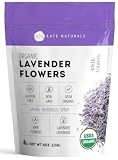
- 1 teaspoon organic, culinary-grade dried lavender buds
- 1/4 cup vanilla simple syrup
- 4 cups cold filtered water
- Splash of oat milk or heavy cream (optional)
Instructions
- Develop iced tea flavors by placing the Earl Grey tea bags and culinary lavender buds into a pitcher.
- Pour cold water over the tea and flowers.
- Chill for 10 hours in the refrigerator. The cold brew method prevents the lavender from releasing bitter essential oils.
- Strain the liquid meticulously to ensure no lavender buds remain.
- Sweeten with the vanilla simple syrup and serve iced tea over ice, adding a beautiful swirl of oat milk right before serving.
Pro-Tip: Wondering why does my iced tea taste like soap? You either over-steeped the lavender or used ornamental lavender meant for potpourri. Following specialty tea industry standards, always buy certified culinary-grade lavender, and use it sparingly—the flavor perception thresholds for florals in cold liquids are incredibly low!
8. Shake up a Mango Pineapple Green Tea

Pin this tropical copycat recipe to enjoy vacation vibes right at home!
Recreating a tropical aloha punch at home provides an exotic iced tea experience that operates as a healthy comparison alternative to sugary commercial chain drinks. Discovering the best fruit iced tea combinations transforms green tea into a beach-ready refresher, completely bypassing the heavy processing of mass-market iced tea brands.
Ingredients
- 4 cups cold brewed green tea
- 1/2 cup 100% pure pineapple juice (no added sugar)
- 1 fresh ripe mango (peeled and pureed)
- 1 tablespoon agave nectar (if needed)
- Fresh mango chunks for garnish
Instructions
- Extract flavor by blending the fresh mango chunks in a food processor until it forms a completely smooth puree.
- Mix the mango puree and the pure pineapple juice into a large shaker or pitcher.
- Blend iced tea flavors by pouring the cold brewed green tea over the fruit mixture.
- Shake vigorously (if using a cocktail shaker) or stir briskly to fully integrate the thick mango puree into the liquid.
- Serve immediately over crushed ice, garnishing with extra pineapple wedges and mango chunks.
Expert insight: For the best natural iced tea flavors, rely entirely on the natural fructose found in ripe mango and pineapple juice. This nutritionist-approved iced tea approach eliminates the need for heavy syrups, offering a healthy iced tea flavor profile that prevents the dreaded afternoon sugar crash.
9. Brew a Smooth Vanilla Rooibos

Save this caffeine-free, dessert-like iced tea to your favorite recipes board!
For a remarkably smooth iced tea, Rooibos offers an earthy iced tea base that naturally mimics dessert flavors. This rich iced tea highlights the distinct characteristics of unique tea origin regions, delivering a naturally sweet, robust profile from South Africa that inherently solves the iced tea tastes bitter problem.
Ingredients
- 4 tablespoons organic loose leaf Rooibos tea
- 1 whole vanilla bean pod (split down the middle)
- 6 cups boiling water (Rooibos needs heat)
- 2 tablespoons maple syrup or brown sugar
- Splash of almond or whole milk
Instructions
- Steep the loose leaf Rooibos tea and the split vanilla bean pod in boiling water for 10-15 minutes (heat is required to extract the thick vanilla oils).
- Sweeten the hot liquid with maple syrup so it dissolves perfectly into the earthy tea.
- Strain the tea leaves out, but leave the vanilla pod in the pitcher.
- Chill iced tea in the refrigerator until completely cold (about 3-4 hours).
- Serve over large ice cubes with a generous splash of milk for a creamy, dessert-like finish.
What most guides miss: Understanding the chemical composition of tea flavors reveals that Rooibos lacks the tannins found in traditional Camellia sinensis. Because of its unique tea cultivar flavor variations, it literally cannot turn bitter no matter how long it steeps. By pairing it with real vanilla bean, you create a robust, gourmet iced tea flavor that mimics a rich iced latte.

10. Muddle a Blackberry Sage Iced Tea

Pin this artisan craft-cocktail inspired iced tea for your next dinner party!
Crafting true artisan iced tea flavors requires muddling fresh ingredients like a mixologist. These iced tea recipes using fresh berries and herbs stand out as the best non-alcoholic iced tea flavors for mocktails, guaranteed to impress guests at sophisticated dinner parties with their complex layering.
Ingredients
- 1 cup fresh blackberries (plus extra for garnish)
- 4-5 fresh sage leaves
- 4 cups cold brewed black tea (unflavored)
- 2 tablespoons simple syrup
- 1 wooden drink muddler
Instructions
- Muddle the fresh blackberries and sage leaves vigorously in the bottom of a sturdy glass pitcher using your wooden muddler to release the juices and herbaceous oils.
- Mix the simple syrup into the muddled berry and sage paste.
- Pour the cold-brewed black tea over the mixture and stir thoroughly.
- Steep in the refrigerator for 1 hour to let the sage permeate the liquid.
- Strain the tea twice (once through a mesh strainer, once through a fine cloth) if you want a clear liquid, or leave the fruit pulp in for a rustic texture before serving.
Pro-Tip: Sage is a highly resinous herb. To prevent getting rid of off-flavors in iced tea, do not let the sage steep for more than an hour. The gastronomy of tea flavors dictates that the terpenes in hardy herbs will quickly overpower the delicate blackberry, leaving a medicinal taste if left unchecked.

11. Spice it Up with Orange Cinnamon Iced Tea

Save this spiced, late-summer transition tea to your favorite drink boards!
Transitioning into autumn means making spiced iced tea flavors for fall using warming aromatics. This spicy iced tea proves that seasonal iced tea flavors are just as delicious poured over ice, offering a masterclass in flavoring homemade iced tea naturally while solving the issue of powdered spices clumping in cold water.
Ingredients
- 4 black tea bags
- 2 whole organic Ceylon cinnamon sticks
- 3 whole cloves
- Peels from 1 large orange (avoid the bitter white pith)
- 4 cups water (2 boiling, 2 cold)
- 2 tablespoons honey
Instructions
- Prepare a spice concentrate by placing the cinnamon sticks, cloves, orange peels, and tea bags into a heat-proof pitcher.
- Pour 2 cups of boiling water over the ingredients and steep for 10 minutes. (Hot water is required to break down the bark and extract the spicy oils).
- Sweeten by stirring the honey into the hot liquid until dissolved.
- Remove the tea bags (to prevent bitterness) but leave the spices and orange peels in the pitcher.
- Chill rapidly by adding the 2 cups of cold water, then refrigerate. Garnish iced tea drinks with fresh orange slices before serving.
Expert insight: Never use powdered cinnamon to flavor homemade iced tea. It will not dissolve, leaving a slimy, gritty texture at the top of your glass. The cold brew kinetics tea flavor extraction process requires hot water for hard barks. Always use whole spices to infuse the flavor cleanly into a hot syrup base before chilling.

Key Takeaways: Your Quick Guide to Iced Tea Flavors
Navigating the world of iced tea flavors is much simpler once you understand the foundational rules of flavor extraction and temperature control. Whether you are crafting a basic homemade iced tea or experimenting with the best iced tea flavors for a summer party, these fundamental principles guarantee success. By synthesizing the complex flavor science discussed in the recipes above, you unlock all the iced tea benefits without the common pitfalls of bitterness or cloudiness.
- Cold brew for smooth flavor: – Cold brewing your iced tea flavors summary (steeping in the fridge for 8-12 hours) prevents the release of bitter tannins, resulting in a naturally sweeter, smoother beverage without the need for excess sugar.
- Sweeten hot, drink cold: – If using granulated sugar or honey to sweeten iced tea naturally, always dissolve it in a small amount of hot water first to create a simple syrup; otherwise, it will sink to the bottom of your cold tea.
- Respect the delicate greens and whites: – Never use boiling water on green or white teas. If you must hot-brew, use water around 175°F (80°C) to prevent the tea from turning fishy, bitter, or astringent.
- Muddle fresh herbs gently: – When you add fruit to iced tea alongside herbs like mint or basil, clap the herbs in your hands or press them lightly. Over-muddling releases bitter chlorophyll into your drink.
- Add citrus last: – When making classic iced tea flavors like lemon sweet tea, add the citrus juice only after the tea has completely cooled to prevent the acid from clouding the beverage.
People Also Ask About Iced Tea Flavors
Understanding the science and best practices behind iced tea preparation helps you confidently troubleshoot any brewing issues. From extending shelf life to fixing a cloudy pitcher, mastering these common questions ensures your beverages always taste perfectly balanced and remain safe to consume.
What iced tea flavors are most popular?
The most popular iced tea flavors in the United States are Lemon, Peach, Raspberry, and Sweet Tea. Major brands like Lipton iced tea and Arizona have popularized these staple combinations for decades. However, modern flavor trends are shifting toward botanical and tropical blends, making flavors like Mango Green Tea, Hibiscus Berry, and Mint among the top popular cold tea flavors requested in cafes today.
How to make flavored iced tea at home?
To make flavored iced tea at home, combine your preferred tea leaves, fresh fruit, and cold filtered water in a pitcher, then steep in the refrigerator for 8 to 12 hours. This cold brew method is the easiest way to infuse tea flavors without bitterness. Alternatively, you can brew a strong hot tea concentrate, dissolve your sugar and fruit syrups into it, and dilute it with cold water and ice.
Why does my homemade iced tea taste bitter?
Your homemade iced tea tastes bitter because it was steeped in water that was too hot, or it was steeped for too long. Boiling water burns delicate tea leaves (especially green and white teas) and rapidly extracts tannins, which are astringent, bitter chemical compounds. To reduce bitterness in iced tea, switch to the cold brew method or strictly monitor your hot water temperature and steeping time.
How to prevent iced tea from getting cloudy?
You can prevent iced tea from getting cloudy by letting hot-brewed tea come to room temperature completely before putting it in the refrigerator. Cloudiness (often called tea cream) happens when hot tea is shocked by cold temperatures, causing the caffeine and tannins to bind together and turn opaque. Cloudy iced tea solutions also include adding a tiny pinch of baking soda to the brew or waiting to add lemon juice until the tea is cold.
What are the best fruit iced tea combinations?
The best fruit iced tea combinations pair the robust flavor of the tea base with complementary sweet and acidic fruits. Excellent pairings include Black Tea with Peach and Honey, Green Tea with Mango and Pineapple, and White Tea with Cucumber and Melon. Exploring these flavor pairing principles allows you to balance the earthy notes of the tea with the bright, natural sweetness of the fruit.
What natural ingredients can I add to iced tea?
You can add fresh fruit slices, muddled berries, culinary herbs, whole spices, and natural sweeteners to iced tea. To customize iced tea naturally without artificial syrups, try adding fresh mint, basil, sliced ginger, cinnamon sticks, or crushed raspberries. For natural sweetness, opt for raw honey, agave nectar, or pure maple syrup rather than refined white sugar.
What is the shelf life of homemade flavored iced tea?
Homemade flavored iced tea typically lasts 3 to 4 days when stored in an airtight pitcher in the refrigerator. Because homemade recipes use fresh fruits and lack the chemical preservatives found in store-bought iced tea, they are susceptible to fermentation and bacterial growth. If your tea becomes cloudy (and wasn’t previously), smells sour, or tastes fizzy, discard it immediately.
Can you use any tea for iced tea?
Yes, you can use almost any type of tea for iced tea, including black, green, white, oolong, and herbal varieties. However, different teas require different brewing methods. Robust black teas hold up well to heavy sweetening and strong fruits like lemon, while delicate white and green teas are best paired with subtle flavors like melon or mint. Herbal cold teas (like hibiscus or chamomile) are excellent caffeine-free options.
What are good iced tea flavors for summer?
Good iced tea flavors for summer focus on hydration and cooling ingredients, such as Watermelon Basil, Cucumber Mint, and classic Lemonade Tea (Arnold Palmer). These summer iced tea flavors utilize high-water-content fruits and cooling herbs to lower body temperature and refresh the palate. Citrus and berry infusions are also incredibly popular during the hot months due to their crisp, tart finish.
How to fix muddy iced tea?
To fix muddy or cloudy iced tea, stir in a quarter-cup of boiling water to help dissolve the bound tannins, or add a squeeze of fresh lemon juice. The acidity in the lemon can help break down the suspended particles. However, the best way to handle tea sediment in iced tea is prevention: always let hot tea cool slowly, use filtered water, and avoid over-steeping the tea leaves.
Final Thoughts on Exploring Iced Tea Flavors
Mastering your own iced tea flavors at home is one of the easiest and most rewarding culinary skills you can learn. By stepping away from the artificial syrups and chemical preservatives found in many commercial brands, you open the door to endless, healthy, and incredibly refreshing tea drinks tailored exactly to your palate.
Whether you are cold brewing a delicate Cucumber Melon White Tea for a spa day at home, or muddling a complex Blackberry Sage mocktail for a summer dinner party, the secret always lies in treating your ingredients with care. Remember to respect water temperatures, utilize the cold-brew method to banish bitterness, and let fresh, seasonal produce do the heavy lifting for sweetness.
Which of these 11 make iced tea flavors recipes are you going to brew first? Do you have a secret family recipe or a wild tea flavor combinations experiment we missed? Drop your favorite tea recipes and experiments in the comments below—we’d love to see what you’re brewing this summer!
Last update on 2026-10-23 / Affiliate links / Images from Amazon Product Advertising API
