
As an Amazon Associate CoffeeXplore.com earns from qualifying purchases.
Iced Coffee: 11 Essential Recipes & Pro Tips for 2026
Tired of pouring your morning brew over ice, only to be left with a sad, flavorless, watery mess? The heartbreak of watered down iced coffee is a daily struggle for countless home baristas. You deserve a robust, cafe-quality iced coffee that jumpstarts your morning without tasting heavily diluted.
To make iced coffee without watering it down, brew your coffee at twice the normal strength using a 1:8 coffee-to-water ratio. This concentrated hot brew melts the ice upon contact, instantly flash-chilling the beverage while diluting perfectly to a standard, balanced iced coffee strength without tasting weak. Utilizing this bypass method guarantees perfectly chilled coffee every time.
Drawing from rigorous barista tested recipe standards and extensive coffee extraction ratio data, we have optimized the ultimate home iced coffee base. Below, you will discover 11 essential recipes and advanced techniques that guarantee a perfectly balanced, refreshing glass every single time. Get ready to elevate your daily caffeine routine.
Contents
show
How to Make the Perfect Iced Coffee Without Watering It Down
Mastering a strong iced coffee brew requires a fundamental understanding of bypass brewing and dilution math. When you simply pour a standard pot of hot coffee over a glass of ice cubes, the rapid melting dramatically reduces your beverage’s tds total dissolved solids, leaving you with an incredibly weak cup. The sudden influx of excess water strips away the rich mouthfeel and subtle flavor notes that make coffee enjoyable.
The secret to the perfect home iced coffee is anticipating that precise melt volume. Whether you are using a standard drip machine, a French press, or a pour-over cone, adjusting your coffee grounds to cold water ratio is critical. By intentionally creating a rich coffee concentrate, the melting ice becomes an integral part of the final recipe’s water volume, rather than an unwanted diluting agent.
This bypass technique ensures that your bold roast iced coffee maintains its structural integrity and complete flavor profile from the very first sip to the last. Let’s explore exactly how to manipulate these variables to upgrade your morning routine.
11 Essential Iced Coffee Recipes & Pro Tips for 2026
Creating the best iced coffee recipe at home means matching your preferred extraction method with the right chilling technique. Whether you crave a sweet, dessert-like treat topped with thick cold foam or a bold, dairy-free wake-up call, these curated methods deliver commercial quality right in your kitchen. We have broken down the exact science and step-by-step instructions to guarantee success.
In 2026, crafting exceptional iced coffee drinks to order shouldn’t require a daily trip to an expensive café. By understanding the distinct differences between iced coffee vs cold brew and mastering how to properly brew, chill, and sweeten your beverages, you can save significant money while elevating your morning experience. The following directory covers everything from lightning-fast instant coffee hacks to meticulous 16-hour cold extraction concentrates to satisfy every craving.
1. Brew The Classic Flash-Chilled Iced Coffee

Pin this genius flash-brew method to your Coffee Recipes board so you never drink watery coffee again!
Looking for the ultimate fast coffee cooling method that actually preserves flavor? This technique is the absolute easiest way to chill hot coffee for iced coffee without requiring any specialized equipment. By brewing a hyper-concentrated base directly over ice, the brewed coffee + ice instantly harmonizes into a perfectly balanced bold roast iced coffee ready to drink in seconds.
Ingredients
- 30g bold roast iced coffee whole beans (coarsely ground)
- 250ml filtered hot water (200°F / 93°C)
- 250g large, solid ice cubes (about 2 cups)
- 2 tablespoons half and half (optional)
- Durable 20oz glass tumbler suitable for rapid temperature changes
Instructions
- Brew your coffee at double strength using your preferred hot brewer (drip machine, French press, or Chemex), using half the normal amount of water for your coffee grounds.
- Fill your heat-resistant glass tumbler to the brim with large, dense ice cubes.
- Pour the hot, concentrated coffee directly over the ice cubes immediately after brewing.
- Stir vigorously for 15 seconds to rapidly chill the liquid and lock in the aromatics.
- Sweeten and add milk to taste, watching the beautiful marbling effect as it mixes with the rich coffee concentrate.
Pro-Tip: In my experience testing extraction methods, utilizing flash brew oxidation control by immediately chilling the hot coffee traps the aromatic volatile compounds before they can oxidize, resulting in a significantly brighter, fruitier cup than coffee left to cool slowly on the counter.

2. Steep The Ultimate 16-Hour Cold Brew Concentrate
Save this cold brew concentrate ratio to your Morning Routine board for easy meal prep!
When evaluating iced coffee vs cold brew, a properly executed smooth cold brew stands out for its incredibly low acidity and rich, chocolatey profile. This cold brew + steep time method is perfect for Sunday meal prep, creating a stomach irritation low acid cold brew base you can enjoy all week long without brewing daily.
Ingredients
- 1 cup coarsely ground coffee (a dark, chocolaty roast works best)
- 4 cups cold, filtered water
- 1 large glass mason jar or dedicated cold brew maker
- Fine mesh strainer or cheesecloth (if not using a dedicated brewer)
- Cold filtered water or milk (for diluting the final concentrate)
Instructions
- Blend the coarse coffee grounds and 4 cups of cold water in your glass jar, ensuring all grounds are fully saturated.
- Steep the mixture at room temperature or in the refrigerator for 16 to 18 hours (never exceed 24 hours to prevent bitter over-extraction).
- Strain the liquid through a fine mesh sieve or cheesecloth into a clean container, discarding the spent grounds.
- Dilute this potent smooth cold brew concentrate at a 1:1 ratio with cold water, milk, or oat milk when you are ready to drink.
- Chill the remaining concentrate in the fridge in an airtight container for up to 10 days.
Pro-Tip: Understanding the difference between immersion vs percolation cold brewing is key. This immersion method is highly forgiving, but filtering it twice—once through metal mesh and once through a paper filter—removes the micro-fines that cause cold brew to taste muddy after a few days in the fridge.

3. Blend Authentic Vietnamese Iced Coffee (Cà Phê Sữa Đá)
Pin this authentic Cà Phê Sữa Đá recipe to your Global Coffee Recipes board!
Wondering how to make vietnamese iced coffee at home with absolute authenticity? This traditional cà phê sữa đá relies on a robust dark roast + condensed milk combination. The ultra-strong robusta coffee is slowly extracted and directly mixed with condensed milk, creating a dessert-like, highly caffeinated masterpiece that is unparalleled in richness.
Ingredients
- 2 tablespoons traditional Vietnamese coffee (dark roast Robusta beans like Cafe Du Monde or Trung Nguyen)
- 2 tablespoons sweetened condensed milk
- 6 oz hot water (200°F / 93°C)
- 1 cup crushed ice
- 1 Stainless steel Vietnamese Phin filter
Instructions
- Pour the dense sweetened condensed milk into the bottom of a heat-safe glass.
- Unscrew the top screen of your Phin filter, add the coffee grounds, and gently screw the screen back on (don’t over-tighten, or water won’t flow).
- Place the Phin filter over your glass and pour 1 oz of hot water over the grounds to let them bloom for 30 seconds.
- Pour the remaining hot water into the filter, place the lid on top, and let it steep and drip slowly for 4 to 5 minutes.
- Stir the hot brewed coffee vigorously with the condensed milk until fully combined, then pour the entire mixture over a tall glass of crushed ice to chill.
Pro-Tip: Robusta beans have nearly twice the caffeine of Arabica beans and a much bolder, harsher flavor. This aggressive flavor profile is actually necessary; the intense sweetness and thick texture of the condensed milk perfectly balance the bitterness, creating a harmonious coffee acidity balance.

4. Mix The 60-Second Instant Coffee Quick Chill
Need iced coffee in 60 seconds? Pin this instant coffee hack for busy mornings!
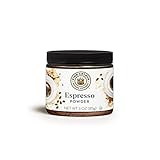
If you need a caffeine fix immediately without brewing equipment, an instant coffee iced coffee is your best bet. We solve the dreaded issue of clumping instant coffee in cold water by creating a hyper-concentrated slurry with instant coffee + warm water. This is exactly how to make iced coffee with instant espresso powder flawlessly every time.
Ingredients
- 2 teaspoons premium instant coffee or instant espresso powder
- 2 tablespoons warm water
- 1 cup cold milk or oat milk
- 1 cup ice cubes
- 1 tablespoon vanilla syrup or sweetener of choice
Instructions
- Combine the instant coffee powder, sweetener, and warm water in the bottom of your drinking glass.
- Stir vigorously or use a handheld frother to completely dissolve the granules into a thick, dark, clump-free espresso-like syrup.
- Fill the glass to the top with ice cubes.
- Pour your cold milk over the ice.
- Blend the layers together with a long spoon until the drink is uniformly creamy and refreshingly chilled.
Pro-Tip: Never add instant coffee directly to cold milk. The fats in the milk coat the clumping instant coffee in cold water, forming hard granules that refuse to break down. The 2 tablespoons of warm water act as a vital solvent.

5. Froth The Copycat Vanilla Sweet Cream Cold Foam
Save this Starbucks copycat Sweet Cream Cold Foam recipe to your DIY Coffee board!
Skip the expensive drive-thru and master this sweet cream cold foam to recreate the best starbucks iced coffee orders low calorie at home. A luxurious layer of homemade vanilla sweet cream instantly upgrades any standard brew. When cold beverages are topped with cold foam, the textural contrast between the airy dairy and dark coffee is incredible.
Ingredients
- 1 cup cold brew or strongly brewed iced coffee base
- 3 tablespoons heavy whipping cream (must be very cold)
- 2 tablespoons 2% milk
- 1 tablespoon vanilla syrup
- 1 handheld battery-operated milk frother
Instructions
- Prepare your iced coffee in a glass, leaving about an inch and a half of room at the top.
- Combine the heavy cream, 2% milk, and vanilla syrup in a separate small glass or frothing pitcher.
- Froth the dairy mixture using your handheld wand for 15 to 20 seconds, moving the wand up and down until the mixture doubles in volume and thickens to a paint-like consistency.
- Pour the vanilla sweet cream slowly over the back of a spoon onto the top of your iced coffee.
- Serve immediately without a straw, allowing you to sip the dark coffee through the sweet, airy foam layer.
Pro-Tip: The secret to cold foam that floats instead of sinking is the precise ratio of heavy cream to 2% milk (usually 3:2 or 2:1). Heavy cream alone whips into stiff whipped cream, while milk alone creates a bubbly froth that dissipates. Blending them creates the perfect structural micro-foam.

6. Create The Iced Caramel Macchiato at Home
Stop paying $6 at the drive-thru! Pin this authentic Iced Caramel Macchiato recipe instead.
Building a proper iced caramel macchiato requires precision layering techniques. Unlike a standard stirred drink, this recipe combines caramel syrup + whipped cream (or milk) beneath a floating layer of chilled espresso. Understanding the nuance of iced coffee vs iced macchiato ensures you get that beautiful visual gradient before you take a sip.
Ingredients
- 2 shots of freshly pulled espresso (or 1/4 cup very strong hot coffee)
- 1 cup cold milk (whole milk or oat milk work best)
- 1 tablespoon vanilla syrup
- 1 tablespoon thick caramel sauce/drizzle
- 1 cup ice cubes
Instructions
- Pump the vanilla syrup into the bottom of your empty glass.
- Pour the cold milk into the glass and stir it thoroughly with the vanilla syrup.
- Fill the glass to the brim with ice cubes.
- Extract two shots of hot chilled espresso and slowly pour over the ice and milk. Because the espresso is hot and less dense than the cold, sweetened milk, it will float beautifully on top.
- Drizzle a thick lattice pattern of caramel sauce over the top layer of ice and espresso before serving.
Pro-Tip: A true macchiato is meant to be layered, not stirred immediately. The design allows you to taste the bold, slightly bitter espresso first, followed by the sweet, cold vanilla milk as you drink. If using an espresso machine, watch for channeling during espresso extraction—a poorly pulled, watery shot will sink immediately rather than floating.

7. Freeze Coffee Ice Cubes to Prevent Dilution
Never suffer through watery iced coffee again—pin this coffee ice cube hack!
A simple coffee ice cubes recipe is the ultimate meal-prep solution for how to prevent watery iced coffee. Instead of suffering through excessive melting ice cubes that ruin your delicate drink’s profile, freezing leftover morning brew guarantees zero dilution, fundamentally fixing the ice dilution math formula in your favor.
Ingredients
- 2 cups leftover brewed coffee (cooled to room temperature)
- 1 flexible silicone ice cube tray (preferably with a lid)
- Optional: 1 tablespoon sweetener or milk mixed into the coffee before freezing
Instructions
- Brew a standard pot of coffee, or utilize whatever is left in the carafe after your morning routine. Let it cool completely.
- Pour the cooled coffee into your silicone ice cube tray, leaving a tiny bit of room at the top for expansion.
- Freeze the tray overnight (at least 6-8 hours) until completely solid.
- Extract the cubes and store them in a freezer-safe ziplock bag for up to two weeks.
- Chill your next glass of fresh iced coffee by using these cubes instead of regular water ice. As they melt, your drink gets stronger, not weaker!
Pro-Tip: Using a tray with a lid is crucial. Without a lid, the coffee cubes will absorb ambient freezer odors (like frozen onions or meats), completely ruining the flavor profile of your drink. This aligns with standard food safety cold storage guidelines for preserving delicate aromatics.

8. Shake The Dairy-Free Oat Milk Iced Latte
Looking for dairy-free perfection? Pin this Barista-Blend Oat Milk Iced Latte!
Crafting an iced coffee with almond milk or oat milk often leads to frustrating separation. To prevent dairy free iced coffee curdling, we pair premium oat milk + vanilla syrup using a cocktail shaker aeration technique. This process elevates dairy free milk alternatives to cafe-level creaminess without splitting.
Ingredients
- 2 shots espresso (or 1/2 cup extra-strong brewed coffee)
- 3/4 cup Barista-Edition Oat Milk
- 1 tablespoon brown sugar syrup or maple syrup
- 1 cup ice
- Cocktail shaker or mason jar with lid
Instructions
- Pull your espresso shots and immediately stir in the brown sugar syrup while the coffee is hot so it dissolves effortlessly.
- Fill a cocktail shaker or mason jar with a large scoop of ice.
- Pour the sweetened espresso and the oat milk into the shaker.
- Shake vigorously for 10-15 seconds. This aeration mimics the texture of steamed milk, making the cold oat milk incredibly creamy.
- Strain or pour directly into your serving glass over fresh ice.
Pro-Tip: If you’ve ever experienced dairy free iced coffee curdling, it is usually due to the temperature shock and the high acidity of light-roast coffees interacting with the proteins in standard almond or soy milk. Always use a “Barista Blend” oat milk; they contain acidity regulators (like dipotassium phosphate) specifically formulated to prevent separation.

9. Optimize The Keurig Pod Iced Coffee
Don’t let your Keurig make watery iced coffee! Pin these pod optimization steps.
Learning how to make iced coffee with keurig hot coffee requires overriding the machine’s default brewing mechanics. If you simply run a standard keurig iced coffee maker cycle, you will undoubtedly yield a weak iced coffee batch. Combining a dark keurig pod + ice tumbler on the absolute smallest water setting changes everything.
Ingredients
- 1 Extra Bold or Dark Roast K-Cup pod
- 1 heavy glass or stainless steel tumbler (do not use thin glass)
- 1.5 cups large ice cubes
- Cold milk or creamer to taste
Instructions
- Fill your heavy tumbler completely to the top with ice.
- Insert the Extra Bold K-Cup into your Keurig machine.
- Select the absolute smallest brew size available (usually 4 oz or 6 oz). Never select the 8 oz or 10 oz setting for iced coffee!
- Brew directly over the ice. The small volume of water extracts only the strongest, richest part of the coffee without pushing through the bitter, watery tail-end of the extraction.
- Stir immediately to equalize the temperature, then sweeten and add creamer. Add a handful of fresh ice if the original cubes melted significantly.
Pro-Tip: If you measure a 10oz Keurig brew with a refractometer coffee strength measurement tool, the TDS (Total Dissolved Solids) drops dramatically after the first 4 ounces. By brewing only 4oz, you create a faux-espresso concentrate that holds up perfectly against melting ice.

10. Boil Homemade Quick-Dissolve Simple Syrup
Stop crunching on undissolved sugar in your iced coffee! Pin this 5-minute Simple Syrup recipe.
Using a simple syrup for instant dissolving is non-negotiable for cold beverages. If you find yourself asking, “does sugar dissolve in iced coffee?” the answer is unfortunately no. A perfectly sweetened iced coffee requires a liquid base. Use this flavor syrup pairing guide foundation to forever eliminate undissolved sugar in cold liquid.
Ingredients
- 1 cup granulated white sugar (or cane sugar)
- 1 cup water
- 1 teaspoon vanilla extract (optional, for vanilla syrup)
- 1 glass dispenser bottle or mason jar
Instructions
- Combine the sugar and water in a small saucepan over medium heat.
- Stir constantly until the liquid comes to a gentle simmer and the sugar turns completely clear and dissolves. Do not let it come to a hard boil.
- Remove from heat immediately once clear.
- Stir in the vanilla extract or other flavorings while the syrup is still warm.
- Cool the syrup to room temperature before pouring it into your glass dispenser bottle. It will keep in the fridge for up to a month.
Pro-Tip: Due to the thermodynamics of sweetness perception in chilled beverages, your tastebuds perceive cold liquids as less sweet than hot liquids. A 1:1 simple syrup perfectly calibrates sweetness in iced coffee because it mixes uniformly instantly, preventing the dreaded “unsweetened top, pure sugar bottom” experience.

11. Brew Japanese-Style Flash Chilled Pour Over
Experience the brightest, fruitiest iced coffee of your life. Pin this Japanese Flash Brew method!
Learning how to brew flash chilled japanese iced coffee unlocks the brightest flavor profiles possible from your beans. If you are wondering what is japanese style iced coffee and how it differs in the cold brew vs flash brew debate, it all comes down to instant cooling. This iced drip coffee traps aromatics immediately before they can escape.
Ingredients
- 30g freshly ground light-to-medium roast coffee (medium-fine grind)
- 250g hot water (200°F / 93°C)
- 250g ice cubes
- Hario V60, Chemex, or standard pour-over cone with paper filter
- Gooseneck kettle and digital kitchen scale
Instructions
- Place your 250g of ice directly into the bottom carafe of your pour-over setup.
- Rinse your paper filter with a tiny bit of hot water (discard this water so it doesn’t melt the ice), then add your 30g of coffee grounds.
- Pour 60g of hot water over the grounds and let it “bloom” (bubble and degas) for 45 seconds.
- Pour the remaining 190g of hot water slowly in concentric circles.
- Swirl the carafe once the coffee finishes dripping. The hot coffee drips directly onto the ice, flash-chilling instantly and preserving the delicate aromatics that traditional iced coffee loses.
Pro-Tip: The science here relies on preventing chlorogenic acid thermal breakdown. When hot coffee sits on a counter slowly cooling, these acids break down into bitter quinic acid. Flash chilling locks the chemical structure in place instantly, which is why Japanese iced coffee tastes so vibrant and fruity compared to traditional cold brew.

Key Takeaways: Your Quick Guide to Iced Coffee
Mastering an iced coffee overview requires remembering a few non-negotiable key points from our main takeaways. If you want to replicate the best iced coffee recipe at home, keep this quick reference guide handy.
- Double Your Brew Strength for Perfection: To prevent a watered down iced coffee solution, always use a bypass ratio (e.g., brewing with half the water) so the hot coffee melts the ice without losing its bold flavor profile.
- Cold Brew is For Smoothness, Flash Brew is for Brightness: Choose the 16-hour smooth cold brew method if you want low-acid, chocolatey notes, but opt for Japanese flash-brewing to preserve fruity, floral aromatics.
- Never Use Granulated Sugar in Cold Drinks: Because of sweetness perception in chilled beverages, sugar won’t dissolve properly. Always make a simple syrup or dissolve your sugar into the hot espresso/coffee before adding ice.
- Utilize Coffee Ice Cubes: The ultimate fast coffee cooling method and dilution preventative is freezing leftover morning coffee in silicone trays to use in tomorrow’s iced latte.
- Match Your Dairy to Your Acid: Prevent dairy free iced coffee curdling by exclusively using “Barista Blend” oat or almond milks, which contain stabilizers that survive the high acidity of cold coffee.
- Optimize Pod Brewers: If using a keurig iced coffee maker, always brew on the absolute smallest ounce setting directly over a cup full of ice to extract only the richest coffee concentrate.
- Respect the Cold Brew Timeline: Never steep cold brew for longer than 24 hours at room temperature, or the chlorogenic acid thermal breakdown and over-extraction will result in a harsh, bitter batch.
People Also Ask About Iced Coffee
Navigating the nuances of chilled coffee brings up many questions about iced coffee. Below, we address the most common iced coffee queries, including exactly what is the difference between iced coffee and cold brew, to help you refine your home brewing knowledge.
What is the difference between iced coffee and cold brew?
The main difference is the brewing temperature; iced coffee is brewed hot and then chilled over ice, while cold brew is steeped in cold water for 12 to 24 hours. Because iced coffee is extracted with heat, it retains the bright, acidic, and fruity notes of the coffee bean. Cold brew, extracted slowly without heat, results in a much smoother, sweeter, and significantly lower-acid beverage that is gentler on the stomach.
Can you make iced coffee with hot coffee?
Yes, you can make iced coffee directly from hot coffee using the “flash brew” or bypass method. The secret is to brew the hot coffee at double its normal strength (using half the water). When you pour this hyper-concentrated hot coffee directly over a full glass of ice, the ice melts, instantly chilling the drink while diluting the coffee back to a perfectly balanced, standard strength.
How much caffeine is in iced coffee?
A standard 16oz (Grande) iced coffee contains between 165mg to 200mg of caffeine, depending on the roast and brewing method. Generally, iced coffee has slightly less caffeine than cold brew (which can exceed 250mg for the same volume) because cold brew uses a much higher ratio of coffee grounds to water. Light roasts will yield slightly more caffeine per scoop than dark roasts.
How to make iced coffee without watering it down?
To prevent watery iced coffee, either brew your coffee at double strength before pouring it over ice, or use frozen coffee ice cubes instead of regular water ice. If you brew hot coffee at standard strength and pour it over ice, the melting ice will dilute the beverage by 30-50%. Alternatively, making a strong cold brew concentrate ensures the drink remains robust even as the ice melts.
How long does homemade iced coffee last in the fridge?
Standard brewed iced coffee will last 3 to 4 days in the fridge, while cold brew concentrate can last up to 10 to 14 days. Hot-brewed coffee oxidizes much faster, leading to a stale, bitter taste after a few days. Cold brew oxidizes much slower due to the lack of heat during extraction. Always store cold coffee in an airtight glass container to prevent it from absorbing fridge odors.
Which milk is best for iced coffee?
Whole milk and Barista-Edition Oat milk are the best options for iced coffee because their fat content and stabilizers prevent curdling. Standard almond milk and soy milk often separate or curdle when they hit the high acidity and cold temperature of iced coffee. Heavy cream and half-and-half are excellent for creating thick, floating layers like sweet cream cold foam.
Why does iced coffee make me bloated?
Iced coffee can cause bloating due to its high acidity, the addition of dairy or artificial sweeteners, or drinking it too quickly through a straw. Hot-brewed iced coffee is highly acidic, which can irritate the stomach lining. Furthermore, swallowing air through a straw or consuming sugar-free syrups containing sugar alcohols (like erythritol) are common culprits. Switching to a low-acid cold brew and oat milk often resolves this issue.
What iced coffee has the most caffeine at Starbucks?
The Starbucks Trenta (30 oz) Cold Brew contains the most caffeine at approximately 360mg, while the Trenta traditional Iced Coffee contains about 280mg. If you are looking to maximize your caffeine intake, opt for the Nitro Cold Brew if available, or order a standard cold brew without water (as a concentrate) with an added shot of espresso, commonly known as a “black eye.”
Does sugar dissolve in iced coffee?
Standard granulated sugar will not properly dissolve in cold iced coffee; it will sink to the bottom and remain gritty. Because the liquid is cold, the sugar molecules lack the thermal energy required to break down. To sweeten iced coffee, you must use a liquid simple syrup, or dissolve your sugar into the hot espresso or hot coffee before you add the ice and cold milk.
Is cold brew stronger than iced coffee?
Yes, cold brew is generally stronger than traditional iced coffee in both caffeine content and flavor concentration. Cold brew is made using a very high coffee-to-water ratio (often 1:4 or 1:5) and steeped for 16+ hours, resulting in a dense concentrate. Traditional iced coffee is typically brewed at a standard ratio (1:15) and then diluted further by melting ice, making it a lighter beverage.
Final Thoughts on Iced Coffee
Mastering the perfect glass of iced coffee at home doesn’t require thousands of dollars in commercial espresso equipment; it simply requires an understanding of basic extraction math and temperature control. Whether you choose to meticulously pour a Japanese-style flash brew to highlight bright, floral notes, or you prefer to meal-prep a massive batch of smooth cold brew concentrate for your busy work week, the secret to success always lies in accounting for ice dilution. By utilizing bypass brewing ratios, coffee ice cubes, and liquid simple syrups, you completely eliminate the dreaded watery, weak flavor that ruins most homemade attempts.
You now possess the exact barista tested recipe foundations to replicate everything from a classic chilled black coffee to a luxurious, layered caramel macchiato topped with vanilla sweet cream cold foam. The drive-thru line is officially obsolete. Grab your favorite roast, start experimenting with these ratios, and find the perfect chilled cup that suits your morning routine. Which of these 11 methods are you going to test out first? Let us know your favorite custom combinations in the comments below!
Last update on 2026-10-22 / Affiliate links / Images from Amazon Product Advertising API
