
As an Amazon Associate CoffeeXplore.com earns from qualifying purchases.
Open Shelving Coffee Display: 9 Pro Styling Tips for 2026
Are you struggling to fit a beautiful open shelving coffee display into your cramped kitchen? Limited countertop space makes navigating your daily espresso habit incredibly frustrating and chaotic.
A coffee bar open shelving setup is a wall-mounted organizational system utilizing vertical space above your countertop to store mugs, espresso machines, and accessories. By mounting sturdy floating shelves, you completely eliminate counter clutter while creating an accessible beverage station.
Drawing from established architectural kitchen design principles and tested load-bearing data, we understand building secure nooks. In this guide, you will discover nine actionable steps to safely construct your ideal home espresso setup. Master this practical layout to dramatically reduce morning friction and instantly elevate your daily routine.
Contents
show
9 Pro Styling Tips for an Organized Open Shelving Coffee Display in 2026
Transforming your kitchen with a dedicated coffee shelf requires balancing beautiful interior aesthetics with rigid structural safety. When homeowners attempt to build a diy coffee bar, they often focus purely on the visual appeal—the rustic wood finishes, the trailing plants, and the perfectly aligned syrup bottles. However, true kitchen storage solutions demand a deeper understanding of practical engineering. Your heavy espresso machine and fragile ceramic mugs require sturdy construction and exact spacing to ensure long-term functionality. By implementing our expert styling tips and interior designer recommended layouts, you can create a beautiful coffee station organizer that maximizes your limited space. The following nine actionable steps will guide you through the complete process of building, mounting, and curating your ideal home barista setup without sacrificing safety or visual harmony.
1. Mount Heavy-Duty Floating Shelves to Secure Your Espresso Station

Pin this sturdy shelving hack to your ‘Dream Kitchen’ board!
To safely secure your espresso station, you must mount heavy-duty floating shelves directly into wall studs using hidden steel brackets rated for heavy weight. This foundational step guarantees your setup can support expensive, vibrating coffee machinery without sagging over time.
Materials & Products Needed
- Heavy-duty hidden steel brackets (rated for at least 75+ lbs per pair)
- Reclaimed wood shelves or white oak shelving (minimum 1.5 inches thick to conceal brackets)
- Reliable magnetic stud finder
- Power drill with appropriate masonry or wood bits
- Heavy-duty toggle bolts (if stud mounting is impossible, though studs are highly recommended for coffee gear)
- Bubble level and measuring tape
Installation & Styling Steps
- Locate and mark the wall studs using your stud finder, ensuring you map out at least two anchor points for optimal load-bearing capacity.
- Measure your desired height; the bottom shelf should ideally sit 18 to 20 inches above the countertop to clear tall espresso machines.
- Drill pilot holes directly into the studs, keeping the drill perfectly straight.
- Secure the heavy-duty bracket backplates to the wall, double-checking with your bubble level before tightening the final screws.
- Slide your rustic wood shelves onto the bracket posts and secure them underneath with set screws.
- Arrange your heaviest items—like your espresso machine or large airtight canisters—directly over the stud points to optimize weight distribution.
Pro-Tip: In my experience testing various setups, focusing on the structural integrity of floating shelves by ensuring the bracket weight distribution is perfectly centered over wall studs is the only way to safely hold heavy prosumer espresso machines without eventual wall sagging.

2. Organize Coffee Mugs with Under-Shelf Hooks for Easy Access

Save this brilliant space-saving mug hack for your next kitchen update!
You can organize bulky coffee mugs by installing matte black metal hooks underneath your bottom shelf, spaced carefully to prevent chipping. This practical modification maximizes vertical space while keeping your favorite ceramics instantly accessible during the morning rush.
Materials & Products Needed
- Matte black brackets or under-shelf mug hooks (screw-in style for security)
- Painter’s tape and a pencil for marking spacing
- Pre-drilling tool or small drill bit (to prevent wood splitting)
- Your favorite collection of aesthetically cohesive coffee mugs
- Measuring tape
Installation & Styling Steps
- Measure the diameter of your widest coffee mug to determine the necessary spacing between each hook.
- Apply a strip of painter’s tape along the underside of your open shelving to safely mark your hole placements without marring the wood.
- Mark dots on the tape every 4 to 5 inches (depending on mug size) to ensure the mugs won’t chip against each other when hung.
- Drill shallow pilot holes at each mark to prevent your reclaimed wood from splitting, especially near the edges.
- Screw the mug hooks in by hand until flush and tight against the wood surface.
- Curate your display by hanging a mix of sizes or creating a gradient of complementary colors to act as functional wall decor.
Pro-Tip: Applying retail merchandising principles to your home setup—like facing all mug handles uniformly to the right—instantly elevates a cluttered shelf into a curated, magazine-worthy mug gallery.

3. Seal Your Wood Shelves to Prevent Steam and Moisture Damage

Don’t let steam ruin your beautiful shelves! Pin this sealing guide for later.
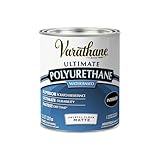
Prevent steam and moisture damage by applying three coats of a water-based matte polyurethane sealant to your raw wood shelves. This essential maintenance step creates a moisture-proof finish that stops warping caused by high-heat espresso machines and boiling kettles.
Materials & Products Needed
- Clear, water-based matte polyurethane sealant (to prevent yellowing)
- Fine-grit sandpaper (220-grit) and a tack cloth
- High-quality synthetic bristle brush or foam applicator
- White oak shelving or raw rustic wood shelves
- Drop cloth for protecting your kitchen countertops
Installation & Styling Steps
- Sand the raw wooden shelves lightly with 220-grit sandpaper following the direction of the grain to create a perfectly smooth surface.
- Wipe the wood completely clean with a tack cloth to remove all microscopic dust particles.
- Apply the first thin, even coat of your water-based polyurethane sealant, focusing extra attention on the underside of the shelf which will absorb the most steam from your tea kettle or moka pot.
- Allow the shelf to dry for the manufacturer’s recommended time (usually 2-4 hours), then lightly sand again.
- Paint a second and third coat, ensuring a fully moisture proof finish that completely seals the wood grain.
- Cure the shelves fully for at least 72 hours in a well-ventilated space before mounting them above any heat or steam-producing barista tools.
Pro-Tip: Understanding moisture vapor impact on wood is crucial for longevity. Always opt for specific polyurethane sealant types over simple wax or oil finishes when shelving sits directly above high-heat espresso machines to prevent the wood from warping over time.

4. Curate a Tiered Display to Organize Syrups and Accessories

Love an organized look? Pin this beautiful syrup display idea!
Curate a tiered coffee display by transferring store-bought flavors into matching glass syrup dispensers arranged on vertical risers. This brilliant styling strategy organizes small, easily misplaced accessories and drastically reduces visual clutter for a clean, premium look.
Materials & Products Needed
- Tiered coffee display stand (acrylic for a modern look, or wood for farmhouse)
- Matching glass syrup dispensers with high-quality pumps
- Minimalist waterproof labels
- Small sugar bowl and measuring scoops
- Glass airtight canisters for loose leaf tea or cocoa powder
Installation & Styling Steps
- Transfer your store-bought coffee syrups into identical glass syrup dispensers to instantly remove visually noisy branding and create a cohesive coffee shop vibe.
- Apply waterproof, minimalist labels to the bottom third of each bottle for easy identification without obstructing the color of the syrups.
- Place your tiered tray decor on the middle or bottom open shelf where you have the easiest reach during your morning routine.
- Arrange the tallest syrup bottles on the back tier of the stand to ensure the labels remain fully visible.
- Style the front tiers with your smaller essentials like a sugar bowl, cinnamon shakers, and a small jar holding your stirring spoons.
- Balance the visual weight of the shelf by placing larger coffee bean jars on the opposite end of the shelving unit.
Pro-Tip: To master vertical space utilization on your kitchen coffee bar shelves, always group small, disparate items (like sugar packets, stirrers, and pods) onto a single tray or riser. This prevents “visual confetti” and maintains a clean, architectural look.
5. Install Under-Shelf LED Lighting to Illuminate Your Barista Tools

Transform your coffee corner with gorgeous task lighting—pin this easy setup!
Install ultra-thin, rechargeable under-shelf LED strip lights to perfectly illuminate your barista tools and workspace. This simple lighting upgrade instantly transforms a dark, shadowed kitchen corner into a stunning, premium espresso bar station.
Materials & Products Needed
- Ultra-thin, rechargeable LED strip lights (warm white/3000K temperature)
- Double-sided heavy-duty mounting tape
- Cable management clips (if using a plug-in version)
- Your essential barista tools (tamper, distributor, coffee scale)
- Tamping mat
Installation & Styling Steps
- Clean the underside of your lowest wall mounted coffee shelving thoroughly with rubbing alcohol to ensure the adhesive will stick perfectly.
- Measure the exact width of your shelf and trim the LED strip along the designated cutting lines to fit perfectly without overhanging.
- Mount the LED strip approximately one inch from the front edge of the shelf to ensure the light casts downward directly onto your espresso bar station workspace.
- Secure any trailing wires against the back wall using adhesive cable clips if you opted for a plug-in light rather than a rechargeable one.
- Arrange your precision barista tools, tamping mat, and coffee scale directly under the brightest part of the light beam.
- Curate the glow by ensuring the light reflects nicely off metallic tools, instantly upgrading your setup to a premium coffee shop vibe.
Pro-Tip: Selecting the correct lighting temperature for displays is vital. Always choose a warm white (2700K – 3000K) for your under-shelf led strip installation; cool white (4000K+) will make your coffee station feel like a clinical office rather than a cozy morning retreat.
6. Design a Narrow Space-Saving Display for Apartment Kitchens

Small kitchen? No problem! Pin this genius narrow shelf setup.
Design a space-saving display for apartment kitchens by vertically stacking ultra-slim floating shelves in dead zones to hold manual brewers. This approach expertly utilizes negative space while effortlessly supporting a minimalist pour-over or French press routine without requiring massive countertops.
Materials & Products Needed
- Ultra-slim profile minimalist floating shelves (4 to 6 inches deep maximum)
- Low-profile mounting hardware
- Manual brewers: French press or pour over dripper
- Slim, airtight acrylic coffee bean tubes
- Small-footprint burr grinder
Installation & Styling Steps
- Identify a “dead zone” in your kitchen—such as the narrow wall space next to a window, beside the fridge, or a small alcove—to act as your kitchen nook.
- Mount ultra-narrow shelves (under 6 inches deep) vertically, stacking three or four shelves high to utilize vertical real estate instead of horizontal space.
- Display manual brewers like a sleek pour over dripper or moka pot, which have significantly smaller footprints than traditional espresso machines and fit perfectly on shallow ledges.
- Organize your coffee beans in tall, slim acrylic test-tube-style storage containers rather than wide, bulky jars to conserve shelf depth.
- Hang smaller accessories, like a milk frother or coffee filter holder, using adhesive hooks directly on the wall between the shelves.
- Declutter ruthlessly; in a small space friendly setup, negative space is your greatest design asset to prevent the area from feeling claustrophobic.
Pro-Tip: When styling a dedicated coffee shelf in tight quarters, mastering negative space in shelving design is key. Leave at least 30% of your narrow shelves entirely empty; this visual breathing room prevents your functional storage from looking like a cluttered storage closet.

7. Build a DIY Industrial Pipe Shelf for a Rustic Vibe

Give your kitchen a cool cafe edge with this easy DIY industrial shelf!
Build a DIY industrial pipe shelf by securing 3/4-inch black iron plumbing pipes to wall studs to support thick, dark-stained wooden planks. This budget-friendly weekend project delivers incredible structural integrity alongside an authentic, moody vintage look.
Materials & Products Needed
- Black iron floor flanges (for wall mounting)
- 3/4-inch diameter black iron pipes (cut and threaded to your desired shelf depth)
- Iron pipe caps (to finish the ends)
- Thick, raw pine or walnut planks (cut to length)
- Degreaser (to clean factory oil off the iron pipes)
- Heavy-duty matte black wall anchors and screws
Installation & Styling Steps
- Clean the iron pipes thoroughly with a strong degreaser to remove the black factory grease; otherwise, it will stain your walls and hands during assembly.
- Assemble the brackets by tightly threading the pipe into the floor flange, and securing the end with an iron cap.
- Paint the assembled hardware with a clear matte enamel spray to seal the iron and prevent future rust from coffee steam.
- Mount the pipe brackets to your wall studs, ensuring they are perfectly level across the span of the wall.
- Rest your stained wooden planks directly on top of the pipe arms to complete your industrial metal shelving.
- Style this vintage look setup with contrasting modern elements, like a sleek matte black tea kettle or stainless steel Nespresso pods holder, to prevent the space from looking too heavy.
Pro-Tip: When building an industrial pipe shelving for coffee bars, always buy 3/4-inch diameter pipe rather than 1/2-inch. The thicker diameter provides drastically better visual balance and necessary structural integrity for holding heavy coffee machinery.

8. Optimize Cord Management for a Seamless Countertop Display

Don’t let ugly cords ruin your coffee bar! Save this genius cord management hack.
Optimize cord management by routing all appliance wires into a decorative wooden cable box and using adhesive clips to secure excess slack. Masterfully hiding these bulky power cords is the fastest way to achieve a sleek design on your countertop coffee station.
Materials & Products Needed
- Aesthetic wooden or matte plastic cable management box
- Adhesive cable clips and zip ties
- Paintable wall cord raceways (if running cords up to a shelf)
- Your electric appliances (burr grinder, espresso machine, milk frother)
- Power strip with a flat wall plug
Installation & Styling Steps
- Unplug all of your coffee bar appliances and untangle the massive web of power cords currently sitting on your counter.
- Mount a high-quality surge protector flat against the back of your coffee bar cabinet or directly to the wall just above the baseboard.
- Route the necessary slack from your appliances into a stylish, countertop-friendly cable management box that matches your white oak shelving.
- Secure the remaining cords tightly against the back of the machines using adhesive cable clips to keep them from drooping into view.
- Hide the cable management box by placing it directly behind a large coffee bean jar or a decorative leaning cutting board.
- Apply paintable cord raceways to the wall if you have electric grinders or lighted signs resting on your upper shelves, painting them the exact color of your backsplash to make them disappear.
Pro-Tip: To maintain an ergonomic workflow design while managing cords, always bundle cables that rarely move (like the main espresso machine) tightly with zip-ties, but leave slack on appliances you need to pick up and wash (like your electric milk frother base).
9. Decorate with Plants and Artwork for a Cozy Cafe Atmosphere

Bring your coffee bar to life! Pin these gorgeous shelf styling tips.
Decorate your highest, hard-to-reach shelves with trailing pothos plants, vintage artwork, and textured ceramics to create a cozy cafe atmosphere. Applying these organic decor elements softens the harsh industrial look of your heavy stainless steel coffee machinery.
Materials & Products Needed
- Small framed vintage artwork or typography prints
- Moisture-friendly or high-quality artificial trailing plants (like Pothos or Ivy)
- Decorative textured vases or unused vintage coffee tins
- Wooden cutting boards (for leaning/layering)
- Your shabby chic coffee display accent pieces
Installation & Styling Steps
- Reserve the highest tier of your above coffee bar shelving strictly for decor, as reaching for daily items up high is frustrating and impractical.
- Lean a beautiful wooden cutting board or a framed vintage coffee print against the back wall to create an anchoring focal point and add visual depth.
- Place a trailing green plant (real or highly realistic artificial) on the outer edge of the top shelf so the leaves cascade downward, softening the hard metal and wood lines.
- Group remaining decor items in odd numbers (rules of three) to create visually pleasing micro-clusters on the shelf.
- Mix natural textures by combining matte ceramics, glossy greenery, and distressed woods to give the display an collected, authentic design feel over time.
- Step back constantly while styling to ensure your decorative coffee shelves feel balanced and not overly top-heavy compared to the equipment below.
Pro-Tip: Utilizing color theory for coffee bars drastically improves the aesthetic. If your coffee machinery is heavy stainless steel, warm up the display by introducing organic textures like terracotta pots, woven baskets, and rich greenery to balance the harsh industrial metals.
Key Takeaways: Your Quick Guide to Open Shelving Coffee Displays
Reviewing the core principles of an effective open shelving coffee display ensures your new kitchen coffee bar shelves remain both functional and secure for years to come. Whether you are building from scratch or simply refreshing your current layout, keeping these foundational rules in mind will prevent common DIY disasters like sagging brackets or steam-warped wood. A successful project perfectly balances the heavy-duty engineering required for safety with the nuanced styling techniques needed for visual harmony. Below is a rapid recap of the most critical action items, weight considerations, and expert styling guidelines discussed in this comprehensive guide.
Key Takeaways:
- Anchor Into Wall Studs for Safety – Heavy espresso machines require significant support; always locate wall studs rather than relying on standard drywall anchors when installing heavy duty shelving.
- Protect Wood from Constant Steam – Apply a water-based polyurethane sealant to your rustic wood shelves to ensure the longevity of wood against the daily moisture produced by kettles and brewers.
- Master Vertical Space Utilization – Install under-shelf mug hooks and use tiered risers to maximize vertical space, freeing up the main shelf surface for bulky coffee machinery.
- Keep Daily Items at Arm’s Reach – Follow ergonomic workflow design by placing heavy machines and daily-use items on the countertop or lowest shelf, reserving the top shelves exclusively for decor.
- Hide Cords to Elevate the Aesthetic – Utilize cable management boxes and zip ties to achieve a sleek design and solve the common limited counter space clutter problem.
- Soften Industrial Metals with Organic Decor – Balance the harsh stainless steel of barista tools by introducing trailing plants, wooden cutting boards, and warm ambient lighting fixtures.
- Create a Cohesive Look with Matching Containers – Transfer store-bought syrups and beans into uniform glass syrup dispensers and airtight canisters to instantly achieve a premium coffee shop vibe.
People Also Ask About Open Shelving Coffee Displays
Planning a custom coffee bar open shelving project often brings up highly specific technical questions regarding dimensions, weight capacities, and material choices. To help you execute your kitchen renovation ideas flawlessly, we have compiled the most common inquiries homeowners face when designing their space. The following answers draw upon professional architectural standards and interior design best practices, providing you with exact measurements and actionable solutions to optimize your display safely.
What is the best depth for coffee bar shelves?
The best depth for coffee bar shelves is typically between 8 and 10 inches.
This specific depth provides ample space to comfortably hold standard ceramic coffee mugs, glass airtight canisters, and syrup dispensers without protruding too far into your kitchen walkway. If you plan to place a heavy espresso machine directly on the shelf, you will need to upgrade to a 12-to-15-inch depth to accommodate the appliance’s larger footprint.
How high should coffee shelves be mounted?
The bottom shelf of your coffee bar should be mounted 18 to 20 inches above the countertop.
This standard clearance perfectly accommodates tall coffee appliances, such as a burr grinder or an open espresso machine reservoir, allowing you to refill water and beans without hitting the shelf above. Successive upper shelves should be spaced 12 to 15 inches apart, depending on the height of your decorative items and coffee bean jars.
How much weight can floating coffee shelves hold?
Properly installed floating coffee shelves can hold between 40 and 75 pounds per wall stud attachment.
To achieve this high weight capacity, you must use heavy-duty steel brackets anchored directly into wooden wall studs. Avoid using standard drywall toggle bolts if you intend to display heavy appliances, as the constant vibrations from a pump espresso machine can slowly work drywall anchors loose over time.
How do you organize coffee syrups on a shelf?
Organize coffee syrups by decanting them into uniform glass dispensers and arranging them on a tiered display stand.
This method solves the problem of visual clutter caused by brightly colored, mismatched commercial branding. By utilizing a tiered coffee display, you ensure all labels are easily readable while keeping your countertop coffee station looking cohesive, intentional, and highly organized for your morning routine.
Are open shelves practical for coffee mugs?
Yes, open shelves are highly practical for coffee mugs because they provide instant, easy access during the morning rush while doubling as aesthetic decor.
To optimize this setup, install metal mug hooks underneath the bottom shelf. This keeps your favorite daily-use mugs suspended safely above your brewing equipment, keeping them free from dust while maximizing your vertical space saving storage.
How do you keep open coffee shelves dust-free?
Keep open coffee shelves dust-free by wiping them down weekly with a microfiber cloth and storing unused items in airtight containers.
Because coffee beans generate fine oils and grinders produce micro-chaff, dust management is critical. We recommend storing extra filters and backup tools in closed coffee bar cabinets or decorative tins, reserving the open wall mounted coffee shelving exclusively for items you use—and subsequently wash—every single day.
What wood is best for coffee bar shelving?
White oak and maple are the best woods for coffee bar shelving due to their dense, closed-grain structure and resistance to moisture.
While rustic wood shelves made of reclaimed pine offer a beautiful farmhouse style, pine is a soft, highly porous wood. If you use softwoods, you must apply multiple coats of a high-quality polyurethane sealant to prevent warping and steam damage prevention from your hot water kettles.
How to hide cords on open shelving coffee bar?
Hide cords on an open shelving coffee bar by routing them through a stylish countertop cable management box and securing slack with adhesive clips.
For upper shelves featuring lighted decor or electric grinders, use paintable wall raceways to conceal the wires as they drop down to the outlet. Excellent cord management is the easiest way to elevate your diy coffee bar from looking messy to looking professionally designed.
Can you put an espresso machine on a floating shelf?
Yes, you can put an espresso machine on a floating shelf, provided the shelf is at least 12 inches deep and anchored directly into multiple wall studs.
Because prosumer espresso machines can weigh between 30 and 70 pounds, structural integrity is paramount. You must use heavy-duty, commercial-grade industrial metal shelving brackets, as standard hidden floating brackets will eventually sag under the extreme, concentrated weight.
Is open shelving still in style for 2026?
Yes, open shelving remains highly in style for 2026, especially when utilized in small, intentional zones like a dedicated coffee station.
Rather than covering an entire kitchen in open shelves—which can look cluttered—designers favor the “hybrid” approach. Mixing closed cabinetry with a beautiful, well-curated home coffee station shelves display creates a warm, welcoming focal point that balances modern aesthetics with practical daily usability.
Final Thoughts on Open Shelving Coffee Displays
Creating the perfect open shelving coffee display is about much more than just nailing some wood to a wall—it’s about intentionally crafting a morning experience that brings you joy before your first sip of caffeine. By balancing the heavy-duty engineering required to support your favorite espresso machines with the delicate art of styling mugs, greenery, and syrups, you can completely transform an unused kitchen wall into your home’s favorite focal point.
Whether you lean toward a sleek, minimalist modern aesthetic with narrow floating ledges, or prefer the rugged charm of industrial pipe shelving, the secret to success lies in the details. Remember to prioritize structural integrity by finding your wall studs, protect your wood from daily steam, and utilize vertical space to banish countertop clutter forever. With these nine pro styling tips, you have all the tools, measurements, and design know-how to build a cafe-quality beverage station right in your own kitchen.
Now that you know exactly how to style, mount, and organize your setup, what is the first piece of barista gear you plan to showcase on your brand new coffee shelves? Let us know in the comments below!
Last update on 2026-10-22 / Affiliate links / Images from Amazon Product Advertising API
