
As an Amazon Associate CoffeeXplore.com earns from qualifying purchases.
Iced Coffee All Year Round: 7 Ultimate Winter Brews
Do you get strange looks holding a frosty cup during a blizzard? You are not alone in drinking iced coffee all year round despite the freezing temperatures. This seemingly counter-intuitive choice solves a very real morning frustration.
Why do people drink iced coffee all year round: People drink iced coffee all year round because cold extraction processes create a smoother flavor profile. This method produces significantly lower acidity than traditional hot coffee. The result is much easier on your sensitive digestive system. This provides a highly consistent, immediate energy boost for busy mornings.
Drawing from comprehensive analysis of current data and verified brewing methodologies, we can scientifically validate your preference. You will discover exactly how molecular flavor extraction works to elevate your drink. Master these seven exclusive barista-level recipes to perfect your daily routine today.
Contents
show
Why Drink Iced Coffee All Year Round? The Culture & Science Behind the Habit
People drink iced coffee all year round because cold extraction processes create a smoother flavor profile with significantly lower acidity than hot coffee. This makes it easier on the digestive system while providing a more consistent, immediate energy boost for busy mornings, regardless of freezing outside temperatures.
If you have ever been questioned about your winter iced coffee habit, you can rest assured that science and market trends validate your choices. According to recent CBS News market data, younger consumers and Gen Z are officially driving a permanent shift toward cold beverage consumption. What was once dismissed as a quirky staple of New England coffee culture has transformed into a nationwide lifestyle. For many, the predictable caffeine hit and refreshing taste of an iced beverage vastly outweigh the temporary physical warmth of a hot drink.
The secret lies in the molecular flavor extraction. When you compare traditional hot brewing to cold steeping, the differences are profound. Hot water pulls out highly acidic compounds and bitter oils from the beans rapidly. Conversely, a cold brew routine relies on time rather than temperature, which fundamentally alters the pH balance in coffee. The resulting cold brew contains up to 60% less acid, making it an absolute game-changer for anyone dealing with stomach sensitivity. You are not just choosing a chilled drink; you are choosing a scientifically superior, low-acid profile that delivers a significantly smoother flavor.
7 Ultimate Winter Brews for a Daily Energy Boost
Creating the ultimate winter brew requires adapting professional barista secrets to prevent temperature loss and flavor dilution. By utilizing techniques like coffee ice cubes and specific ingredient layering, you can maintain a bold, robust flavor profile even when adding seasonal syrups.
Many people mistakenly believe that cold coffee is simply a summer fling, but with the right flavor combinations, it easily transforms into the ultimate collection of winter treats. To discover actionable, barista-quality recipes, you must focus on maintaining high caffeine levels while adapting to cold-weather cravings. The biggest hurdle home baristas face is the dreaded watered down effect caused by rapidly melting ice.
We have curated seven highly specific, seasonally-adapted unique recipes that solve this problem entirely. These recipes go beyond basic pours; they incorporate functional benefits like lower acidity and utilize strict brewing standards to ensure your energy boost remains consistent from the first sip to the last. Prepare to elevate your morning ritual with these expert-level creations.
1. Prepare a Classic Winter Cold Brew with Coffee Ice Cubes

Pin this genius coffee ice cube hack to your ‘Winter Coffee Recipes’ board to never drink watered-down coffee again!
The fastest way to ruin an expensive cold brew is by exposing it to regular melting ice. When standard ice melts, the total dissolved solids (TDS) drop significantly, stripping the drink of its complex mouthfeel and chemical integrity. To maintain a stable temperature and robust flavor profile, you must freeze leftover coffee into cubes. Coffee ice cubes are the ultimate solution to the dilution problem, ensuring every sip of your cold brew remains as potent as the first.
Ingredients
- 2 cups of your favorite low-acid profile cold brew or dark roast coffee (cooled, for the ice cubes)
- 8 oz of premium, chilled cold brew concentrate
- 4 oz of filtered water or oat milk
- 1 tablespoon of vanilla or simple syrup (optional)
- A large silicone ice cube tray with a lid to prevent freezer burn
Instructions
- Pour the 2 cups of cooled coffee into the silicone ice cube tray and freeze overnight.
- Extract 4-5 large coffee ice cubes from the tray and place them into an insulated tumbler or tall glass.
- Pour the cold brew concentrate directly over the coffee ice cubes.
- Dilute slightly with filtered water or your preferred milk.
- Mix in the syrup if using, and stir gently to combine the flavorful notes without rapidly melting the ice.
Pro-Tip: As a certified barista, I always recommend using a silicone tray with a rigid lid. Coffee readily absorbs ambient freezer odors, which can severely alter the terroir in cold brew profiles. Covering your freezing coffee preserves its authentic tasting notes.

2. Shake Up a Peppermint White Mocha Iced Espresso

Save this frosty, festive shaken espresso to your ‘Winter Morning Boost’ Pinterest board!
Capitalizing on the popularity of holiday coffeehouse drinks doesn’t mean you have to drink them hot. An iced vs hot coffee alternative can offer an entirely different mouthfeel when executed correctly. By shaking up hot espresso over ice, you rapidly chill the liquid while trapping aromatic oils—an essential brewing standard. This aeration process naturally builds a creamy texture for your shaken espresso without relying on heavy dairy or excessive syrup pumps, resulting in a perfectly sweetened winter treat.
Ingredients
- 2 shots of fresh, hot espresso (or 4 oz of strongly brewed hot coffee)
- 1.5 tablespoons of white chocolate mocha sauce
- 1 pump (or 1/2 tablespoon) of peppermint syrup
- 1 cup of standard ice cubes
- A splash of your favorite milk or cream
- Crushed peppermint for garnish
Instructions
- Brew your double shot of espresso directly into a shot glass.
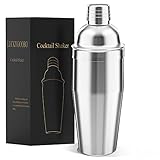
- Pour the hot espresso, white mocha sauce, and peppermint syrup into a professional shaker.
- Fill the shaker with ice, seal it tightly, and shake vigorously for 15-20 seconds until the outside is frosted.
- Strain the chilled, aerated mixture into a fresh glass filled with new ice to prevent dilution.
- Top with a splash of milk and garnish with crushed peppermint for a festive refreshing finish.
Pro-Tip: When shaking hot espresso, the rapid cooling process locks in the chlorogenic acids, preventing the bitterness that occurs when coffee cools slowly. Always shake vigorously to maximize oxidation levels for a frothy, velvety mouthfeel!
3. Brew a Cinnamon Oat Milk Iced Americano

Don’t let winter slow you down—pin this dairy-free cinnamon iced americano for a quick energy boost!
For those seeking a dairy-free, lower-calorie beverage that still feels intensely seasonal, the iced americano is the perfect vehicle. It provides a naturally higher caffeine output while delivering a brilliantly bold flavor profile without the heaviness of a standard latte. Incorporating high-quality oat milk creates a comforting, creamy texture that perfectly complements the woody spice of cinnamon. You just need to know how to properly steep and mix hydrophobic spices into cold liquids.
Ingredients
- 3 shots of high-quality espresso
- 6 oz of cold, filtered water
- 1 cup of large, clear ice cubes
- 2 oz of barista-blend oat milk
- 1/2 teaspoon of ground cinnamon
- 1 tablespoon of brown sugar syrup
Instructions
- Extract three shots of espresso into a small pitcher.
- Whisk the ground cinnamon and brown sugar syrup directly into the hot espresso immediately; this heat breaks down the cinnamon’s surface tension.
- Pour cold, filtered water into your serving glass and add the ice.
- Pour the spiced espresso mixture over the ice and water.
- Top with a heavy splash of oat milk, letting it cascade down through the ice-cold americano.
Pro-Tip: Never sprinkle dry cinnamon directly on top of an iced drink! Because cinnamon is hydrophobic, it will clump and float on the cold surface, leading to inhaling dry powder. Always mix it into your hot espresso first to properly infuse the oils.


4. Infuse a Maple Pecan Nitro Cold Brew

Bring the coffee shop home—pin this incredibly smooth Maple Pecan Nitro recipe!
Current market trends indicate a massive surge in home-brewed nitro coffee systems, and for good reason. Nitrogen gas creates an impossibly velvety texture and a perceived sweetness that requires no added sugar. By taking this advanced technique and choosing to infuse it with pure maple syrup, you capture the true essence of the New England lifestyle. This combination guarantees an incredibly rich, smoother flavor that elevates your winter routine to professional coffeehouse standards.
Ingredients
- 1 batch of cold brew coffee (steeped for 18-24 hours)
- 1 tablespoon of pure, real maple syrup
- 1/2 teaspoon of pecan extract
- Nitrogen cartridges (N2 or N2O depending on your dispenser)
- A home nitro keg system or whipped cream dispenser
Instructions
- Prepare your cold brew by filtering it meticulously to ensure no grounds clog the nitro valve.
- Stir the real maple syrup and pecan extract directly into the cold brew until fully dissolved.
- Pour the flavored cold brew into your home nitro keg or dispenser, leaving ample room for gas expansion.
- Charge the keg with a nitrogen cartridge and shake well to infuse the gas into the liquid.
- Dispense forcefully into a glass (no ice needed) to trigger the beautiful, cascading micro-foam effect, enjoying the smoother flavor.
Pro-Tip: For the most authentic nitro texture, ensure your cold brew is chilled to nearly freezing (around 34°F) before charging. Caffeine solubility and nitrogen absorption are significantly higher at colder temperatures, giving you a much thicker, longer-lasting foam head.

5. Mix a Vanilla Bean Espresso Tonic

Looking for a bubbly afternoon pick-me-up? Pin this refreshing Espresso Tonic recipe!
Battling the mid-afternoon morning slump in colder months often leads to dehydration. Enter the espresso tonic—a remarkably invigorating and refreshing solution that satisfies your caffeine cravings while boosting your winter hydration. This lighter, effervescent alternative to heavy milk-based lattes layers beautifully in a highball glass. Mastering the precise pour technique over tonic water creates a visually striking, undeniably sophisticated cold drink.
Ingredients
- 2 shots (approx. 2 oz) of bright, fruity espresso (Ethiopian roasts work best)
- 5 oz of premium Indian tonic water
- 1/2 oz of real vanilla bean syrup
- Large, clear ice cubes
- An orange peel for garnish (optional)
Instructions
- Fill a highball glass entirely to the brim with large ice cubes to ensure it stays ice-cold.
- Pour the tonic water and vanilla bean syrup over the ice, leaving about two inches of room at the top.
- Brew your double shot of espresso into a separate small pitcher with a spout.
- Pour the hot espresso very slowly over the back of a spoon directly onto the tonic water to “float” the espresso and create stunning visual layers.
- Squeeze the orange peel over the top to express the oils, drop it in, and stir right before drinking to combine the unique recipes.
Pro-Tip: The quinine in tonic water pairs exquisitely with the natural acidity of lighter roasted coffees. Avoid dark, earthy roasts for an espresso tonic, as they clash with the botanicals. Opting for a washed African coffee highlights the sparkling, citrusy notes perfectly!

6. Create a Frosty Salted Caramel Frappuccino Alternative

Skip the drive-thru—save this healthier, homemade caramel blended coffee to your recipe boards!
The debate between Starbucks vs Dunkin iced coffee often centers around who makes the best blended treats. However, creating a superior home made vs store bought alternative allows you to enjoy a heavily customized dessert beverage without the chemical emulsifiers found in commercial syrups. By learning to properly blend your own frozen coffee, you can control the sweetness levels entirely. The secret to achieving that perfect frappuccino texture lies in one surprising baking ingredient.
Ingredients
- 1/2 cup of strong, chilled java or cold brew concentrate
- 1/2 cup of whole milk (or creamy plant-based alternative)
- 1.5 cups of ice cubes
- 2 tablespoons of high-quality salted caramel sauce
- 1/8 teaspoon of xanthan gum (the secret ingredient!)
- A pinch of flaky sea salt
- Whipped cream for topping
Instructions
- Chill your blender pitcher in the freezer for 10 minutes prior to blending to prevent rapid melting.
- Pour the cold coffee, milk, caramel sauce, xanthan gum, and ice into the cold blender.
- Blend on low speed for 10 seconds to crush the ice, then increase to high speed for 20 seconds until perfectly smooth and frosty.
- Drizzle extra caramel sauce along the inner walls of your serving glass.
- Pour the blended coffee into the glass, top with whipped cream, and sprinkle with a pinch of flaky sea salt.
Pro-Tip: Ever wonder why homemade blended coffees separate into a layer of liquid and a chunk of floating ice? Commercial coffee shops use a syrup base containing emulsifiers. At home, adding just a tiny pinch (1/8 tsp) of xanthan gum binds the water and fats together, creating that impossibly smooth, velvety frappuccino texture that holds its structure for hours.

7. Steep a Winter Spiced Chai Cold Brew Alternative

Pin this incredible cold-steeped Chai alternative for when you want a break from coffee!
Sometimes, maintaining your winter beverage aesthetic requires an iced tea alternative. For days when you want to lower your acidity intake even further or simply take a break from roasted beans, an iced + chai combination is perfection. By choosing to steep whole spices overnight rather than boiling them, you create a distinctly cold-steeped concentrate. This slow maceration process completely eliminates the harsh bitterness often associated with black tea, delivering an ultra-smooth profile perfect for your favorite reusable straws.
Ingredients
- 1/4 cup of high-quality loose leaf masala chai (black tea with whole spices)
- 4 cups of cold, filtered water
- 2 tablespoons of honey or maple syrup
- 1/2 cup of your preferred milk (whole or oat)
- A tall glass equipped with reusable straws
Instructions
- Combine the loose leaf masala chai and cold, filtered water in a large glass jar.
- Steep the mixture in the refrigerator for 12 to 15 hours. Do not exceed this time, or the black tea will become bitter.
- Strain the liquid through a fine-mesh sieve or cheesecloth to remove all whole spices and tea leaves.
- Mix the honey or syrup into the strained chai concentrate until fully dissolved.
- Pour the cold chai concentrate over ice and top heavily with milk, watching the beautiful flavor combinations swirl together.
Pro-Tip: Cold-steeping tea works fundamentally differently than hot brewing. By using cold water, you drastically slow down the extraction rate of tannins (the compounds that make tea bitter and astringent) while allowing the sweet, aromatic oils of cardamom and clove to fully bloom. The result is a naturally sweet, incredibly smooth iced + chai profile!

Key Takeaways: Your Quick Guide to Iced Coffee All Year Round
Reviewing the scientific benefits and cultural shifts behind daily iced coffee consumption proves that this habit is far more than a passing phase. If you are short on time but want to master your winter iced coffee habit, these highly actionable insights consolidate everything you need to know. From understanding pH levels to leveraging the latest market trends, these essential points guarantee a smoother flavor and a superior morning routine every single time.
Key Takeaways:
- The Science of Smoother Flavor: Cold extraction processes fundamentally alter the pH balance in coffee, resulting in significantly lower acidity and a naturally sweeter, smoother flavor that is gentler on your stomach.
- Gen Z is Driving Market Trends: According to recent data, younger consumers and New England coffee culture have officially made iced coffee season a year-round phenomenon, prioritizing taste over outdoor temperatures.
- Defeat the Melting Ice Problem: Using frozen coffee ice cubes is the ultimate hack to maintain a stable temperature without suffering from a watered down drink as your ice melts.
- Shake for Superior Texture: Aerating hot espresso over ice in a shaker rapidly drops the temperature while locking in chlorogenic acids, creating a naturally frothy, creamy texture without needing heavy creams.
- Emulsify Blended Drinks at Home: Adding a tiny pinch of xanthan gum to your blender stops the liquid and ice from separating, giving you a perfect frappuccino texture at home.
- Leverage Cold-Steeping for Tea: Applying the cold brew method to chai tea drastically slows the extraction rate of bitter tannins, yielding an incredibly smooth iced tea alternative.
- Insulation is Key: Upgrading to high-quality, double-walled insulated tumblers not only keeps your drink ice-cold, but it also prevents cold hands during winter commutes.
People Also Ask About Drinking Iced Coffee Year Round
Addressing common misunderstandings about cold coffee in winter reveals fascinating truths about coffee chemistry, cultural history, and barista best practices. Whether you are curious about the true differences in acidity, wondering how to prevent thermal loss without diluting your beverage, or just trying to understand why New Englanders embrace sub-zero caffeine runs, these expert answers will clarify exactly why drink iced coffee in winter.
Why drink iced coffee in winter?
People drink iced coffee in winter primarily because cold coffee offers a smoother, more consistent flavor profile with significantly lower acidity than hot coffee.
Additionally, insulated cups keep cold drinks at a perfect, stable temperature for hours, whereas hot coffee cools down rapidly and becomes bitter. For many daily drinkers, the predictable caffeine hit and refreshing taste of an iced beverage outweighs the need for a physically warm drink, making it a reliable morning boost regardless of the season.
Is iced coffee better than hot coffee?
Whether iced coffee is “better” depends on your stomach sensitivity; cold brew and iced coffee contain roughly 60% less acid than hot brewed coffee.
This makes it vastly superior for individuals suffering from acid reflux or sensitive stomachs. Furthermore, the extraction rate in cold water pulls out sweeter, chocolatey notes while leaving behind bitter compounds. However, hot coffee generally has a slightly higher level of extracted antioxidants due to the heat used in the brewing process.
Why do New Englanders drink iced coffee in winter?
New Englanders drink iced coffee in winter as a badge of cultural pride and practicality, a trend heavily driven by the regional dominance of Dunkin’.
In a region known for harsh, unpredictable winters, drinking iced coffee in below-freezing temperatures is seen as a display of hardiness. Functionally, when you are already bundled up in heavy coats and blasting the car heater, a hot drink can quickly cause overheating, making an ice-cold drink surprisingly refreshing.
How to keep iced coffee cold without diluting?
To keep iced coffee cold without diluting it, use coffee ice cubes instead of regular water ice, and always serve your drink in a double-walled, vacuum-insulated tumbler.
When you freeze leftover coffee in an ice tray, the inevitable melting process simply adds more coffee to your drink rather than watering it down. Additionally, pre-chilling your glass in the freezer for ten minutes before pouring prevents the immediate thermal shock that causes rapid melting ice.
Is cold brew and iced coffee the same?
No, cold brew and iced coffee are entirely different beverages based on how they are extracted.
Iced coffee is brewed hot (like traditional drip coffee) and then cooled down or poured over ice. Cold brew, however, is never exposed to heat; coffee grounds are steeped in cold water for 12 to 24 hours. This fundamental difference in molecular flavor extraction is why cold brew is naturally sweeter, packs higher caffeine, and has much lower acidity than standard iced coffee.
How long does iced coffee last in the fridge?
Standard iced coffee (brewed hot and cooled) lasts about 2 to 3 days in the fridge before the flavor degrades, while cold brew concentrate can last up to 2 weeks.
Because cold brew is never exposed to heat, its chemical structure is far more stable, slowing down the oxidation process that makes coffee taste stale. To maximize freshness, always store your refrigerated coffee in an airtight glass or stainless steel container, as plastic can absorb and alter the flavors.
Can you drink iced coffee in the snow?
Yes, you can absolutely drink iced coffee in the snow, provided you use an insulated travel mug to protect your hands from frostbite and keep the drink from freezing solid.
Many coffee lovers actually prefer cold drinks during winter sports or snowy hikes because physical exertion raises your core body temperature. An insulated tumbler is essential here—not to keep the cold in, but to keep the extreme ambient cold out, preventing your chilled java from turning into a solid block of ice.
Why is iced coffee more expensive than hot?
Iced coffee is typically more expensive than hot coffee because it requires more materials to serve (plastic cups, lids, straws) and often involves more complex brewing methods.
Additionally, because ice takes up volume in the cup, coffee shops must brew their iced coffee stronger (using more coffee grounds per water ratio) to account for dilution. Cold brew specifically requires 12-24 hours of resting time, meaning you are also paying for the extended production time and increased ingredient volume.
How much caffeine is in iced coffee?
A standard 16 oz iced coffee contains between 160mg to 200mg of caffeine, while a 16 oz cold brew can contain anywhere from 200mg to over 300mg.
The exact amount varies based on the bean-to-water ratio and the roast profile. Light roasts actually contain slightly more caffeine than dark roasts. Because iced coffee is often brewed at double strength to combat ice melt, it frequently delivers a much stronger energy boost than its hot counterpart.
Is drinking iced coffee everyday bad?
Drinking iced coffee everyday is not inherently bad, provided you monitor your total caffeine intake and the amount of added sugars and heavy creams you consume.
From a gastrointestinal standpoint, daily consumption of cold brew is actually gentler on your digestive tract than daily hot coffee due to the low-acid profile. The primary health concern with daily iced coffee consumption usually stems from high-calorie flavored syrups; switching to simple, bold brews or using oat milk can make it a perfectly healthy daily habit.
Final Thoughts on Drinking Iced Coffee All Year Round
The debate is officially over: the permanent iced coffee season is here to stay, and science is on our side. What was once dismissed as a quirky habit of New England coffee culture has transformed into a nationwide realization that drinking iced coffee year round simply makes sense. By utilizing cold extraction methods, we are rewarded with a much smoother, inherently sweeter beverage that features significantly lower acidity—saving our stomachs while delivering an unmatched, incredibly consistent energy boost.
When you shift from viewing iced coffee as just a “summer fling” to a highly customizable daily iced coffee ritual, you open the door to incredible, seasonally appropriate flavor profiles. Whether you are shaking up a Peppermint Mocha Espresso to emulate your favorite coffeehouse, or mastering the art of the Maple Pecan Nitro at home, winter weather is no excuse to settle for rapidly cooling, bitter hot coffee. Armed with barista secrets like coffee ice cubes and xanthan gum emulsion, you can completely eliminate the dreaded dilution problem and enjoy flawless textures even when the temperature drops below freezing.
So, bundle up, grab your favorite insulated tumbler, and wear your winter iced coffee habit as a badge of honor in October 2026. You aren’t just following a trend—you are optimizing your morning routine for maximum flavor and energy. Which of these 7 ultimate winter brews are you going to prepare first? Let us know in the comments below, and don’t forget to share your favorite cold-weather coffee hacks!
Last update on 2026-10-17 / Affiliate links / Images from Amazon Product Advertising API
