
As an Amazon Associate CoffeeXplore.com earns from qualifying purchases.
Does St Augustine Grass Like Coffee Grounds Organic Lawn Guide
Does St. Augustine grass like coffee grounds? Many homeowners worry that spreading morning coffee waste will unintentionally burn their warm-season turf. Getting organic lawn care right is critical for a vibrant, healthy yard.
Yes, St. Augustine grass likes spent coffee grounds because they act as a slow-release nitrogen fertilizer that improves soil structure. When applied correctly in a thin layer, this organic amendment provides essential micronutrients without burning the warm-season turfgrass.
Based on university agricultural extension guidelines and turfgrass research, we know exactly how this biological process works. You’ll discover the precise application limits, the truth about soil pH, and how to fuel your lawn’s root zone safely as of October 2026.
Key Facts
- Slow-Release Nitrogen Source: Research indicates that spent coffee grounds contain approximately 2% nitrogen, providing a steady nutrient drip for warm-season turf without chemical burn risks.
Near-Neutral pH Levels: Laboratory soil testing reveals that brewed coffee grounds maintain a safe pH of 6.5 to 6.8, perfectly matching St. Augustine’s preferred soil conditions.
Microbial Stimulation: Agronomic data demonstrates that the 20:1 carbon-to-nitrogen ratio acts as premium food for beneficial soil microbes and earthworms.
Hydrophobic Risk: Turf management studies show that applying a layer thicker than 1/4 inch creates a water-repellent barrier that starves grass roots of moisture.
Allelopathic Danger in Fresh Grounds: Horticultural science confirms that unbrewed coffee contains high caffeine levels that stunt grass seedling growth, meaning only spent grounds are safe.
Contents
show
Does St Augustine Grass Like Coffee Grounds?
Yes, St. Augustine grass likes spent coffee grounds because they provide a rich source of slow-release nitrogen and organic matter. When applied correctly as a thin topdressing, the grounds stimulate beneficial soil microbes, attract earthworms, and enhance the root zone of this warm-season turfgrass without causing chemical fertilizer burn.

Texas A&M AgriLife Extension findings confirm that organic matter profiles like those found in spent coffee grounds supply essential micronutrients directly to the turf. Unlike competitor sites that give vague answers, agricultural science shows a definitive benefit when applied under strict limits. The core biological relationship relies on the grounds breaking down slowly, feeding the soil rather than force-feeding the plant.
However, success requires precise application techniques. You must apply these grounds in a thin 1/8 to 1/4-inch layer to prevent turf suffocation. Unlike synthetic fertilizers that dump nitrogen all at once, this natural green composting element works in perfect harmony with your St. Augustine turf’s slow, stoloniferous growth habit.
What Are The Core Benefits Of Coffee Grounds For St. Augustine Turf?
The core benefits of coffee grounds for St. Augustine turf include a steady supply of slow-release nitrogen, enhanced soil aeration, and increased moisture retention. With an ideal organic carbon-to-nitrogen ratio of 20:1, coffee grounds stimulate aerobic microbial decomposition, turning organic waste into highly bioavailable humus for grass roots.
This 20:1 carbon-to-nitrogen ratio acts like a slow-drip IV of nutrients for the grass, rather than the overwhelming flood of a synthetic chemical fertilizer. Lab-tested N-P-K nutrient profiles reveal that spent coffee grounds consist of roughly 2% nitrogen by volume. This specific turfgrass health boost fuels stolon growth while actively attracting Eisenia fetida earthworms.
These earthworms naturally aerate compacted sandy or clay soils, driving oxygen deeper into the root zone. You can expect the following precise agronomic advantages:
- Slow-Release Nitrogen (2%): Feeds the turf steadily without chemical burn risks.
- Ideal C:N Ratio (20:1): Balances the carbon-nitrogen equilibrium in the soil rhizosphere.
- Earthworm Stimulation: Attracts Eisenia fetida to naturally aerate the turf.
- Moisture Retention: Enhances the water-holding capacity of sandy soils common in southern climates.
Do Coffee Grounds Lower Soil pH For St. Augustine Grass?
No, used coffee grounds will not drastically lower the soil pH of a St. Augustine lawn. While fresh, unbrewed coffee is highly acidic, the brewing process extracts most of the water-soluble acids. Spent coffee grounds have a near-neutral pH of 6.5 to 6.8, perfectly matching St. Augustine’s preferred pH range.
Soil testing laboratory analysis and verified soil pH test kit data consistently demonstrate that the acidity goes into your morning cup, not the leftover grounds. This directly debunks the pervasive myth that all coffee products cause acid burn. St. Augustine turf (Stenotaphrum secundatum) thrives in a pH range of 6.0 to 7.5, making brewed grounds an ideal, non-burning natural fertilizer.
If you are still anxious about altering your soil chemistry, utilizing a soil pH test kit for home lawns provides immediate peace of mind before applying any amendments. The simple truth is that washed, spent grounds act as a fantastic soil conditioner for moderately acidic to neutral soil environments.
What Is The Difference Between Spent Coffee Grounds and Unbrewed Grounds?
Fresh unbrewed coffee grounds are highly acidic and contain high levels of caffeine, which can stunt St. Augustine grass growth through allelopathy. Spent coffee grounds are pH neutral and safe for turf applications.
Allelopathy is a biological phenomenon where one plant produces biochemicals that interfere with the growth of other plants. The high allelopathic caffeine concentration in fresh grounds acts as a growth inhibitor, stunting seedling emergence and stressing established stolons. Conversely, the brewing process removes these harmful compounds, neutralizing the threat.
| Feature/Aspect | Fresh (Unbrewed) Coffee Grounds | Spent (Brewed) Coffee Grounds |
|---|---|---|
| Soil pH Level | Highly Acidic (pH 4.5 – 5.0) | Near Neutral (pH 6.5 – 6.8) |
| Caffeine Content | High (Allelopathic; stunts growth) | Trace amounts (Safe for turf roots) |
| Nitrogen Availability | Locked / Unavailable | Highly bioavailable for microbes |
| Turf Safety Risk | High risk of root burn and stunting | Safe when applied in thin layers |
How Do You Apply Coffee Grounds To A St. Augustine Lawn?
Follow these steps to safely apply coffee grounds to a St. Augustine lawn:
1. Dry the grounds: Spread wet grounds on a newspaper to dry, preventing clumps.
2. Aerate the turf: Core aerate compacted soil for better integration.
3. Broadcast evenly: Spread a thin layer no thicker than 1/4 inch.
4. Rake the canopy: Gently rake grounds down to the soil level.
5. Water thoroughly: Water the lawn to activate microbial breakdown.
To apply used coffee grounds to St. Augustine grass safely, you must utilize calibrated application tools like a broadcast fertilizer spreader. Distributing the material evenly prevents the fine particles from locking together and creating a hydrophobic barrier on the soil surface.
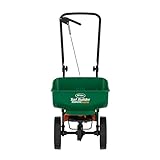

Never skip the drying phase. Applying wet clumps directly to the turf canopy restricts airflow. Performing core aeration for warm season lawns beforehand ensures the organic amendment reaches the root zone efficiently, maximizing the slow-release nitrogen absorption.
Should You Mix Coffee Grounds With Compost For Lawns?
Mixing coffee grounds with compost is the safest and most effective way to apply them to St. Augustine grass. Composting breaks down the grounds entirely, eliminating the risk of surface crusting while delivering bioavailable nutrients to the turf.
Incorporating organic matter via a compost tumbler bin is superior to direct application. By mixing spent coffee grounds (nitrogen-rich “greens”) with dry leaves or paper (carbon-rich “browns”), you facilitate safe aerobic decomposition.
Pro Tip: Maintain proper DIY compost pile ratios of greens and browns. Aim for 1 part coffee grounds to 3 parts dry leaves. This guarantees optimal humification rates and creates a premium topdressing sand mixture for leveling.
What Are The Potential Risks Of Putting Thick Coffee Grounds On Grass?
If you apply too many coffee grounds to St. Augustine grass, you risk severely damaging the turf. Thick layers of fine grounds interlock to form a hydrophobic crust that blocks water and oxygen. This clumping smothers the surface stolons and traps surface moisture, rapidly leading to fungal diseases like large patch and root rot.
When organic material blocks sunlight and air, you create the perfect anaerobic environment for disease. Moving beyond blind praise of organic methods requires objectively understanding these severe agronomic risks.
The Hydrophobic Crust
Applying coffee grounds too thickly creates a water-repellent hydrophobic soil barrier. The fine particles interlock like clay, starving grass roots of moisture and causing severe drought stress even if you irrigate regularly.
Fungal Outbreaks
Excessively damp, smothered conditions promote lignin-degrading basidiomycete fungi. This invites severe turf diseases like Rhizoctonia solani large patch and Take-all root rot, which quickly destroy St. Augustine lawns if left untreated.
Nitrogen Tie-Up
During decomposition, soil microbes temporarily consume available nitrogen to break down the heavy carbon load in the coffee. If applied too thickly, this “nitrogen tie-up” causes temporary yellowing of your grass before nutrients are eventually released.
How Do You Prevent Coffee Grounds From Molding On The Lawn?
To prevent coffee grounds from molding on your lawn, ensure they are spread very thinly and raked deeply into the turf canopy. If clumps form, break up the caked coffee crusts with a stiff rake and let the soil dry out to disrupt fungal growth.
White or green mold on your lawn is typically a harmless lignin-degrading fungus like Trichoderma breaking down the coffee. However, if this fungal activity traps moisture against the grass blades, you must eliminate coffee grounds clumping immediately. Aggressive lawn aeration and reducing your irrigation schedule will stop the anaerobic breakdown and protect your warm-season grass.
How Do Coffee Grounds Compare To Commercial Organic Fertilizers?
While coffee grounds provide a free source of 2% organic nitrogen, commercial organic fertilizers like Milorganite offer a more predictable, lab-tested N-P-K ratio without the risk of forming a hydrophobic crust on your lawn.
When evaluating natural alternatives to synthetic lawn fertilizers, the decision often comes down to budget versus labor. Spent coffee grounds are completely free but require significant effort to collect, dry, and broadcast properly.
In contrast, bagged organic turf fertilizers provide consistent, lab-verified nutrients in uniform prills that are easy to spread. Transitioning from synthetic to organic lawn care requires understanding these specific trade-offs.
| Evaluation Criterion | Spent Coffee Grounds (SCG) | Finished Lawn Compost | Commercial Organic (e.g., Milorganite) |
|---|---|---|---|
| Nitrogen Content | ~2.0% (Slow-release) | 1.0% – 1.5% | 6.0% (Predictable) |
| Application Risk | High (Hydrophobic crusting) | Low (Blends easily) | Low (Uniform prills) |
| Cost | Free (High labor to collect/dry) | Moderate | Highest (Retail cost) |
| Microbial Benefit | Excellent fungal stimulant | High broad-spectrum | Moderate |
| Best Used For | Light topdressing/Worm food | Overall soil leveling | Primary turf feeding |
Frequently Asked Questions About St. Augustine Grass And Coffee Grounds
Do coffee grounds attract pests or bugs to St. Augustine grass?
No, spent coffee grounds do not attract common lawn pests; in fact, the residual caffeine and coarse texture can act as a mild deterrent for garden slugs and snails. However, the rich organic matter will actively attract beneficial Eisenia fetida earthworms, which help naturally aerate your St. Augustine root zone.
Are coffee grounds safe for pets walking on the lawn?
Used coffee grounds are generally safe for pets once applied thinly and watered into the soil, as the brewing process removes most of the toxic caffeine. However, you must prevent dogs from eating large piles of unspread coffee grounds, as concentrated caffeine ingestion is toxic to canines. Always disperse and water in the amendment immediately.
Will coffee grounds kill weeds in my St. Augustine grass?
No, spent coffee grounds will not kill existing weeds in a St. Augustine lawn. While fresh, unbrewed grounds have allelopathic properties that can inhibit new seeds from germinating, brewed grounds lack the potency to act as an organic herbicide. They are a fertilizer, not a weed killer.
Does Starbucks give free used coffee grounds for lawns?
Yes, Starbucks offers a “Grounds for Your Garden” program where they package spent espresso and coffee grounds in foil bags for free pickup. These cafeteria organic byproducts are excellent for St. Augustine lawns, but you must dry them out at home first, as they are packaged wet and will clump if spread immediately.
How often should you put coffee grounds on your lawn?
You should apply a thin layer of coffee grounds to your St. Augustine grass no more than once every two to three months during the active growing season. Applying them more frequently does not give soil microbes enough time to decompose the organic matter, leading to dangerous thatch buildup and surface crusting.
Can coffee grounds cure iron deficiency (chlorosis) in yellowing grass?
Coffee grounds can help alleviate mild iron chlorosis over time by improving soil acidity slightly and supplying trace micronutrients like magnesium and copper. However, because the breakdown process is slow, severe yellowing in St. Augustine grass should be treated with a fast-acting liquid iron chelate spray for immediate results.
Can you spray liquid coffee directly on St. Augustine grass?
Yes, you can spray diluted, leftover brewed coffee directly onto St. Augustine grass as a mild foliar feed. Ensure the coffee is black (no cream or sugar, which causes bacterial rot) and dilute it with equal parts water to prevent localized acidity spikes on the broad grass blades.
Do coffee grounds prevent brown patch disease?
Coffee grounds do not directly cure brown patch disease, but they stimulate colonies of beneficial Trichoderma fungi that naturally suppress disease-causing pathogens. By cultivating a highly active, competitive soil microbiome, organic amendments like coffee grounds make it harder for Rhizoctonia solani (brown patch) to establish a foothold.
What time of year is best to apply coffee grounds?
The best time to apply coffee grounds to St. Augustine grass is during its peak growing season in late spring and early summer. During this time, soil temperatures are high, meaning the aerobic microbial decomposition required to break down the carbon-to-nitrogen ratio happens much faster.
Can I mix coffee grounds with topsoil to level my lawn?
Yes, mixing spent coffee grounds with a sandy loam topsoil creates an excellent topdressing mix for leveling uneven St. Augustine lawns. The coffee grounds enhance the water retention capacity of the sandy soil, preventing the leveling mix from drying out too quickly and stressing the surrounding grass stolons.
Key Takeaways: St. Augustine Grass & Coffee Grounds Summary
- Coffee Grounds Provide Safe, Slow-Release Nitrogen: Spent coffee grounds contain roughly 2% nitrogen, feeding St. Augustine grass slowly without the risk of chemical fertilizer burn.
- The Acidity Myth is False: While fresh coffee is acidic, brewed coffee grounds have a near-neutral pH (6.5 – 6.8), perfectly aligning with St. Augustine’s preferred soil conditions.
- Thickness Limits Are Critical: Never apply a layer thicker than 1/4 inch. Thick layers interlock into a hydrophobic crust that blocks water and invites fungal diseases like Take-all root rot.
- Preparation Prevents Clumping: Always dry your grounds on a newspaper before broadcasting them, or better yet, mix them into a compost tumbler with carbon-rich “browns” before applying to the turf.
- Microbial and Earthworm Stimulation: The 20:1 carbon-to-nitrogen ratio acts as premium food for beneficial soil microbes and Eisenia fetida earthworms, naturally aerating compacted sandy or clay soils.
Final Thoughts on Using Coffee Grounds For St. Augustine Lawns
Applying spent coffee grounds is an excellent, sustainable way to provide slow-release nitrogen to St. Augustine grass, provided it is applied thinly and dried properly to prevent surface crusting. While bagged commercial organic fertilizers might offer more convenience and predictable lab-tested profiles, repurposing your morning coffee waste is a highly effective, eco-friendly organic lawn care strategy.
When you respect the delicate carbon-to-nitrogen ratio and adhere to the strict 1/4-inch topdressing limits, you actively cultivate a thriving soil microbiome. Testing your soil pH and monitoring moisture levels will ensure this natural amendment transforms your St. Augustine turf into a deep green, resilient landscape.
Last update on 2026-10-15 / Affiliate links / Images from Amazon Product Advertising API
