
As an Amazon Associate CoffeeXplore.com earns from qualifying purchases.
Difference of Brewed Coffee and Americano: 5 Barista Facts
Have you ever stared at a cafe menu feeling utterly confused? Ordering standard black coffee shouldn’t cause this much frustration. Understanding the difference of brewed coffee and americano solves this daily ordering dilemma.
The exact difference of brewed coffee and americano lies in the brewing method. Brewed coffee uses gravity to slowly pull hot water through coarse grounds. An Americano forces highly pressurized hot water rapidly through fine espresso grounds before dilution. This fundamental change alters everything about the final flavor.
Drawing from comprehensive barista experience and verified extraction methodologies, this guide completely demystifies both popular beverages. Modern cafe standards in 2026 highlight these distinct chemical contrasts clearly. You will discover the practical techniques needed to master these essential morning staples today.
Contents
show
What Is the Exact Difference of Brewed Coffee and Americano?
The exact difference between these beverages fundamentally comes down to how hot water interacts with the roasted coffee beans. When analyzing these two popular black coffees, the primary distinction is the mechanical extraction method. Brewed coffee relies purely on gravity, gently pulling hot water through a bed of coarse grounds and a paper filter. This traditional drip method creates a clean, delicate cup with a lighter body. Conversely, an Americano is built upon an intensely concentrated espresso foundation. High-pressure water rapidly blasts through finely compacted espresso grounds, emulsifying heavy oils and producing a dense crema. A barista then dilutes this concentrated shot with hot water to mimic the volume of a standard cup. This distinct application of pressure creates entirely different chemical compositions, resulting in vastly different flavor profiles, mouthfeel textures, and caffeine levels.
Difference of Brewed Coffee and Americano: 5 Barista Facts
Brewing pressure and water contact time actively dictate the final flavor of your morning cup. To truly grasp the nuanced characteristics separating these drinks, you must examine the specific variables at play during extraction. Both beverages may look identical when served in a standard mug, but their chemical makeup is remarkably distinct. By understanding how grind size, brewing time, and filtration impact the final yield, you can easily identify which method perfectly suits your palate. The following five concrete facts break down these differences, providing actionable insights you can immediately apply to your home brewing routine or your next cafe visit. Let’s explore exactly how these extraction principles alter your daily cup.
1. Pressure vs. Gravity Dictates the Base (How to Extract the Difference)

Pin this brewing technique comparison to your ‘Home Coffee Bar’ board!
Gravity drip brewing uses a slow, gentle flow, whereas espresso extraction requires 9 bars of intense pressure. This mechanical distinction forms the absolute baseline separating these two popular drinks. When crafting an Americano, a barista forces roughly 195°F to 205°F water through a densely packed portafilter using immense pressure. This rapid 25-30 second extraction vigorously pulls emulsified lipids and oils from the dark roasted beans. Conversely, traditional drip coffee relies entirely on gravity pulling water through a paper filter over a steady 3-5 minute period.
What You Need
- A high-quality entry-level espresso machine capable of hitting true 9 bars of pressure
- A standard drip coffee maker or manual glass pour-over carafe
- Freshly roasted, high-quality whole bean coffee
- Precision gooseneck kettle (if using the manual pour-over method)
- Digital coffee scale with a built-in timer for accurate water measurement
Instructions
- Grind your coffee beans finely for the espresso portafilter and medium-coarse for the drip filter.
- Tamp the fine espresso grounds evenly with 30 pounds of pressure to create a puck.
- Extract the espresso by engaging the pump, aiming for a 25-30 second pull yielding 2 ounces of liquid.
- Brew the drip coffee by pouring 200°F water over the coarse grounds, allowing gravity to pull the liquid through the paper over 3 to 4 minutes.
- Dilute the 2-ounce espresso shot with 6 to 8 ounces of hot water to finalize the Americano and compare the two side-by-side.
What most guides miss: In my years working behind the bar, the most common mistake home brewers make when crafting an Americano is pulling the espresso shot directly over the hot water, which fractures the crema. Always pull the shot first, then gently pour it over the hot water to maintain the structural integrity of those aromatic oils.
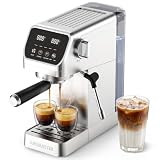

2. The Crema Factor Influences the Flavor Profile (How to Taste the Difference)

Save this crema comparison guide to help you choose your morning brew!
The presence of crema gives an Americano a richer, heavier flavor profile compared to filtered drip coffee. This golden layer of microfoam consists of carbon dioxide bubbles and emulsified coffee oils, which are only produced under the high pressure of an espresso machine. Because standard drip coffee uses a paper filter, those heavy lipids are trapped and removed before they ever reach your cup. This filtration results in a cleaner, brighter taste that highlights floral and fruity notes, while the Americano remains earthy and robust.
What You Need
- Two identical white ceramic coffee tasting mugs
- One freshly brewed 8oz cup of drip coffee
- One freshly crafted 8oz Americano (double shot of espresso + 6oz hot water)
- A specialized silver cupping spoon or clean soup spoon
- A glass of room-temperature sparkling water to cleanse the palate
Instructions
- Observe the surface of both drinks immediately after preparation; note the golden-brown foam (crema) on the Americano versus the flat, dark surface of the drip.
- Cleanse your palate with a sip of sparkling water before beginning the tasting.
- Inhale the aroma of the drip coffee first, noting any bright, floral, or acidic notes that the paper filter allowed to shine through.
- Smell the Americano, paying attention to the heavier, roasted, and nutty aromatics trapped within the crema layer.
- Slurp a spoonful of the drip coffee, followed by the Americano, to notice how the emulsified oils in the Americano coat the tongue and provide a more lingering, robust finish.
Expert insight: If you want the robust flavor of an Americano but only have a standard drip brewer, try switching from paper filters to a reusable gold-tone mesh filter. It allows those vital coffee oils to pass through into your cup, simulating a heavier body.
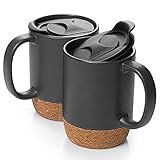
3. Caffeine Content Varies by Cup Size (How to Measure Your Intake)

Pin this guide to perfectly tracking your daily caffeine intake!
Contrary to popular belief, a standard cup of drip coffee typically contains more caffeine than an Americano. This reality often surprises coffee drinkers who assume espresso’s bold flavor equals higher caffeine. Caffeine is highly water-soluble, meaning the longer the water stays in contact with the coffee grounds, the more caffeine is extracted. A quick 30-second double espresso shot yields roughly 120-150mg of caffeine. In contrast, the prolonged 3-5 minute steeping time of a 12-ounce drip coffee extracts significantly more.
What You Need
- A high-precision digital coffee scale capable of measuring to 0.1 grams
- 18 grams of whole bean coffee (for the Americano double shot)
- 22 grams of whole bean coffee (for a standard 12oz drip brew)
- Coffee grinder and your preferred brewing equipment
- Coffee dosing cup for clean measurements
Instructions
- Power on your digital scale and place your empty dosing cup on the platform.
- Tare the scale to zero to ensure you are only measuring the weight of the beans.
- Weigh out exactly 18 grams of coffee for your Americano’s double espresso shot (this yields approximately 120mg of caffeine).
- Measure out exactly 22 grams of coffee for a standard 12-ounce drip coffee brew (the longer 4-minute water contact time extracts more caffeine, yielding roughly 160mg).
- Brew your beverages according to weight rather than volume to ensure perfectly consistent strength and caffeine dosage every single morning.
An often-overlooked strategy: Because drip coffee sits in contact with hot water for several minutes, it extracts significantly more caffeine from the grounds than the rapid 30-second espresso extraction, despite espresso tasting much “stronger.”

4. Mouthfeel and Body Distinctly Contrast (How to Evaluate Texture)

Save this texture evaluation guide for your next coffee tasting!
An Americano delivers a velvety, syrupy mouthfeel, whereas drip coffee provides a light, tea-like consistency. This textural variance is directly tied to the presence or absence of micro-particulates and insoluble fibers. The metal portafilter basket of an espresso machine allows microscopic fines and heavy oils to pass directly into the Americano. These suspended solids dramatically increase the liquid’s overall viscosity. Conversely, a high-quality paper filter acts as a fine sieve, stripping out these particulates to create a highly clarified, clean-drinking drip coffee.
What You Need
- Double-walled transparent glass coffee mugs (to see the liquid clarity)
- Freshly brewed drip coffee made with a high-quality paper filter
- A freshly prepared Americano
- Clean, filtered water for brewing
- A well-lit tasting environment
Instructions
- Pour your freshly prepared drip coffee into the first transparent glass mug and your Americano into the second.
- Hold both glasses up to a light source; observe how the drip coffee is translucent with a reddish-brown hue at the edges, while the Americano is opaque and muddy due to suspended coffee fines.
- Swirl the liquid gently in the glasses, watching how the Americano leaves a slight oily residue or “legs” on the glass wall, indicating higher viscosity.
- Take a medium-sized sip of the drip coffee, allowing it to coat your tongue to feel its clean, light, and almost tea-like consistency.
- Sip the Americano immediately after, noticing the heavier weight, velvety texture, and lingering mouth-coating sensation caused by the unfiltered espresso base.
Expert insight: The “clean” mouthfeel of drip coffee is why coffee professionals prefer this method for evaluating single-origin beans. The lack of heavy oils allows the delicate, nuanced fruit and floral notes of the coffee cherry to shine without being masked by heavy body.
$0 offBestseller No. 4
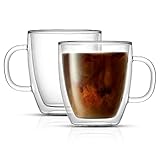
5. Grind Size and Roast Profile Dictate the Tool (How to Prep Your Beans)

Pin this visual grind size guide to ensure perfect extraction every time!
Americanos demand a powdery fine grind, while drip coffee requires a coarse, sea-salt texture. You cannot effectively use the exact same pre-ground coffee for both brewing methods. Espresso extraction requires maximum surface area to resist the pressurized water, necessitating exceptionally fine grinds. If you use coarse grinds in an espresso machine, the water blasts through too quickly, creating a sour shot. Conversely, fine grinds will completely clog a paper drip filter, stalling the brew.
What You Need
- A high-quality adjustable conical burr coffee grinder (never a blade grinder)
- Freshly roasted espresso blend beans (typically a darker, richer roast)
- Freshly roasted single-origin beans (typically a lighter filter roast)
- Two small bowls for observing grind consistency
- A cleaning brush to clear the grinder chute between settings
Instructions
- Select a medium-dark roast bean for your Americano to ensure the rich chocolate and caramel notes hold up beautifully when diluted with water.
- Adjust your burr grinder to its finest setting, grinding the espresso beans until they resemble the texture of fine table salt or powdered sugar.
- Purge the grinder chute by running a small handful of your lighter, single-origin beans through the burrs to clear out the fine espresso dust.
- Reset the grinder collar to a medium-coarse setting, aiming for a texture that closely resembles rough sea salt or coarse sand.
- Grind the lighter roast beans for your drip coffee, ensuring the larger particle size allows water to flow smoothly through the paper filter without stalling the brew.
What most guides miss: Pre-ground grocery store coffee is almost universally ground to a “medium” size optimized for auto-drip machines. If you attempt to pack this into an espresso machine for an Americano, the pressurized water will blast right through it (channeling), resulting in a sour, watery shot with zero crema.
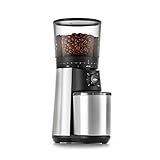
Key Takeaways: Your Quick Guide to the Difference of Brewed Coffee and Americano
Reviewing these core principles ensures you consistently brew or order the exact cup of coffee you desire. Navigating the nuances between these two brewing styles doesn’t have to be complicated. By remembering a few key rules regarding pressure, filtration, and caffeine density, you can confidently manipulate your morning routine. The following bullet points distill the most critical barista facts from this guide into a highly scannable summary. Keep these core insights in mind the next time you fire up your home espresso machine or drip brewer.
- The Core Difference is the Brewing Method: Brewed coffee relies on gravity pulling water slowly through coarse grounds, while an Americano is crafted by forcing high-pressure water rapidly through fine espresso grounds before dilution.
- Americanos Retain the Espresso Crema: Unlike paper-filtered drip coffee, Americanos feature a layer of microfoam and emulsified oils that dramatically alter the aroma and texture of the drink.
- Drip Coffee Contains More Caffeine: Due to the extended 3-5 minute water contact time, a standard cup of drip coffee extracts more caffeine than the rapid 30-second espresso pull used in an Americano.
- Paper Filters Create a Cleaner Cup: The paper filter used in drip brewing traps heavy lipids and micro-fines, resulting in a tea-like mouthfeel, whereas Americanos offer a heavier, syrupy body.
- You Need Different Grind Sizes: You cannot use the same ground coffee for both; Americanos demand a powdery fine grind for the espresso machine, while drip requires a coarse, sea-salt texture.
- Flavor Profiles Serve Different Purposes: Choose drip coffee when you want to highlight bright, delicate, fruit-forward notes of single-origin beans, and choose an Americano for a bold, roasted, chocolatey profile.
FAQs About difference of brewed coffee and americano
Resolving common misconceptions about taste, strength, and preparation ensures a significantly better coffee experience. Even armed with technical brewing knowledge, many coffee enthusiasts still have lingering questions about specific café orders and flavor comparisons. The intricate world of specialty coffee is filled with nuanced terminology that can occasionally be misleading. To provide complete clarity, we have compiled detailed answers to the most frequently asked questions regarding these two staple black coffees. Let’s address these common uncertainties directly.
Does an Americano taste exactly like regular black coffee?
No, an Americano does not taste exactly like regular black coffee. Because it is built on an espresso foundation, an Americano has a much bolder, richer, and earthier flavor profile. The lack of a paper filter means it retains heavy coffee oils and micro-fines, giving it a slightly bitter, more robust taste compared to the clean, mild, and often fruity flavor of standard drip coffee.
Is an Americano stronger than brewed coffee?
In terms of bold flavor, an Americano tastes stronger, but in terms of caffeine, brewed coffee is actually stronger. A standard 12-ounce cup of drip coffee contains approximately 150-200mg of caffeine because the water steeps in the grounds for several minutes. A double-shot Americano yields a heavier, more intense flavor, but only contains about 120-150mg of caffeine.
Why do they call it an Americano?
The drink was named during World War II when American soldiers stationed in Italy found traditional Italian espresso too strong and bitter. To replicate the milder drip coffee they were used to drinking back home, they began diluting the local espresso shots with hot water. The local Italian baristas dubbed this diluted drink the “Caffè Americano.”
Can you make an Americano with a regular coffee maker?
No, you cannot make a true Americano with a standard drip coffee maker. An Americano requires a concentrated shot of espresso, which can only be produced using an espresso machine capable of generating 9 bars of pressure. A regular coffee maker only uses gravity, which cannot extract the intense oils and crema necessary for an authentic Americano base.
What is the correct ratio of espresso to water for an Americano?
The standard barista ratio for a traditional Americano is one part espresso to two parts hot water (1:2). For example, a standard 2-ounce double shot of espresso would be mixed with 4 ounces of hot water. However, many modern cafes adjust this to a 1:3 or 1:4 ratio for a milder, 12-ounce beverage that more closely mimics the volume of a standard drip coffee.
Do you put milk or sugar in an Americano?
Traditionally, an Americano is served black, but you can absolutely add milk, cream, or sugar to taste. Because the espresso base is so robust and heavy-bodied, an Americano holds up incredibly well to dairy and sweeteners without losing its coffee flavor, much better than a delicate, lightly-roasted drip coffee would.
Is an iced Americano different from iced coffee?
Yes, an iced Americano is made by pouring a hot espresso shot over cold water and ice, while iced coffee is just hot drip coffee chilled over ice. The iced Americano retains the intense, roasted notes of the espresso and often features a slight foam layer on top, whereas standard iced coffee is generally milder and more watered-down as the ice melts.
Which is healthier: black coffee or an Americano?
Both black drip coffee and an Americano are incredibly healthy, zero-calorie beverages when consumed without added sugar or dairy. However, because drip coffee uses a paper filter, it removes a specific compound called cafestol (which has been linked to raising LDL cholesterol). Because an Americano is unfiltered, it retains these natural oils, making paper-filtered drip coffee slightly better for those monitoring cholesterol.
Why is my Americano watery and lacking crema?
A watery Americano usually occurs if the espresso shot was pulled incorrectly or if the barista poured the water over the espresso, breaking the crema. For the best texture, the espresso must be pulled perfectly with fresh beans, and the hot water should be placed in the mug first, with the espresso gently poured over the top to preserve the golden crema layer.
Is a Long Black the same thing as an Americano?
While very similar, a Long Black and an Americano are prepared in reverse order with different water ratios. An Americano is typically espresso diluted with a larger volume of hot water. A Long Black (popular in Australia and New Zealand) is made by extracting a double shot of ristretto (a shorter, more concentrated espresso) directly over a smaller amount of hot water, intentionally preserving a thicker layer of crema.
Final Thoughts on the Difference of Brewed Coffee and Americano
Understanding the exact difference between these two brewing styles comes down to appreciating the profound impact of mechanical extraction. While both beverages arrive at your table as a dark, steaming cup of black coffee, the journey the water took to get there changes everything. By recognizing that high-pressure espresso extraction produces a heavy, oil-rich base, and gravity-fed drip brewing creates a clean, highly-caffeinated, and nuanced cup, you are no longer just guessing at the cafe menu.
Whether you prefer the robust, crema-topped intensity of an Americano or the bright, tea-like clarity of a perfectly poured paper-filtered drip coffee, neither method is inherently superior. It simply depends on what flavor profile you are chasing that morning, what roast of beans you are working with, and the specific brewing equipment you have on hand in your home coffee bar.
Now that you understand the chemistry, the caffeine content, and the required grind sizes, you have the exact barista facts needed to dial in your perfect morning routine. Which brewing method are you going to experiment with tomorrow morning—the high-pressure intensity of an Americano, or the slow, clean extraction of a classic drip? Let me know in the comments below!
Last update on 2026-10-23 / Affiliate links / Images from Amazon Product Advertising API
