
As an Amazon Associate CoffeeXplore.com earns from qualifying purchases.
Cold Coffee: 7 Proven Ways to Make Thick, Creamy Brews
Does melting ice constantly ruin your morning brew? You are not alone in this frustrating daily struggle. Pouring hot coffee over ice creates a watery, bland disaster. You need a better way to make cold coffee at home.
Cold coffee is a chilled coffee beverage made by steeping coarse coffee grounds in cold water for 12-24 hours (cold brew), chilling hot-brewed coffee over ice (iced coffee), or blending coffee concentrate with milk and ice (frappé). To make it thick and creamy, use a 1:5 coffee-to-water ratio. This ensures your drink never tastes watered down.
Based on first hand brewing trials and verified research patterns, we solved the dilution problem. Leveraging a barista tested recipe and a scientifically measured brew ratio, you will master these methods. Discover how to craft café-quality beverages in your own kitchen today.
Contents
show
How to Make Cold Coffee at Home: The Secret to Thick, Creamy Brews
Making cold coffee at home requires understanding the fundamental differences between chilled hot coffee, cold brew, and blended café styles, paired with a scientifically measured coffee to water ratio. When you simply pour a standard hot brew over ice, the immediate melting drastically alters the liquid volume. This drops the total dissolved solids extraction, leaving you with a weak, disappointing cup.
To fix watery iced coffee, you must respect the brewing chemistry. Cold coffee is an overarching beverage category that mixes with dairy or plant milk and dilutes with water or milk. It is typically served over solid ice cubes to create a thick and frothy or creamy texture. In our first hand brewing trials, we found that maintaining a strict 1:5 ratio for concentrates, or a 1:15 ratio for a ready to drink cold coffee, perfectly compensates for ice melt. By establishing this foundational baseline, you can completely transform your morning routine.
7 Proven Ways to Make Thick, Creamy Cold Coffee
The secret to thick, creamy cold coffee drinks lies in applying a calibrated extraction methodology tailored to your specific brewing and steeping techniques. Whether you want a quick fix using instant coffee granules or prefer a slow, 24-hour extraction, there is a method specifically designed for your needs. We have developed a comprehensive procedural guide offering seven distinct approaches, fully updated for October 2026.
By applying commercial barista technique to your home coffee brewing process, you control every variable. This ensures a velvety mouthfeel every single time, without the need for expensive commercial equipment. The following recipes cater to diverse equipment availability, from a simple blender and frother to a dedicated coffee concentrate pitcher. You will learn exactly how to balance your ingredients to achieve a smooth flavor profile with low acidity.
1. Blend a Classic Frappe-Style Cold Coffee

Save this creamy frappe recipe to your favorite summer drinks board!
To make a café style frothy cold coffee in a blender, combine instant coffee granules with chilled whole milk, simple syrup, and ice, then blend on high for 30-45 seconds until thick and frothy.
When you crave a milkshake-like consistency without watering down the drink, blending is your best option. Using a standard blender and frother setup mixes your instant coffee powder and whole milk into a rich emulsion.
Ingredients
- 2 tablespoons instant coffee granules (premium quality for a smooth flavor profile)
- 1 cup whole milk (chilled)
- 1 tablespoon simple syrup (dissolves faster than granulated sugar)
- 1 cup solid ice cubes
- 1 scoop vanilla ice cream (optional, for an extra thick and frothy texture)
Instructions
- Measure the instant coffee, simple syrup, and cold milk into your blender pitcher.
- Blend on low for 15 seconds to fully dissolve the coffee granules.
- Add the ice cubes and optional vanilla ice cream.
- Blend on high for 30-45 seconds until the mixture reaches a velvety, thick and frothy consistency.
- Pour into a chilled glass and serve immediately.
Pro-Tip: Based on our barista tested recipe trials, adding the ice after the initial liquid blending prevents the ice from over-crushing, maintaining a creamy texture rather than a watery slush.


2. Steep an Authentic Cold Brew Concentrate

Pin this authentic cold brew method for your weekend meal prep!
To steep an authentic cold brew concentrate, mix coarse coffee grounds with cold water at a 1:5 ratio and let it steep at room temperature for 12 to 24 hours.
Preparing a large batch of coffee concentrate is the ultimate meal prep hack for busy mornings. Coarse coffee grounds steeped at room temperature brewing prevents thermal oxidation. This slow steeping method results in naturally low acidity and a much smoother cup.
Ingredients
- 1 cup coarse coffee grounds (a coarse grind prevents gritty sediment and over-extraction)
- 4 cups filtered cold water (use a 1:4 or 1:5 coffee to water ratio for strong concentrate)
- Additional water or milk for diluting when serving
Instructions
- Pour the coarse coffee grounds into the filter of your cold brew pitcher.
- Add the filtered cold water slowly, ensuring all grounds are saturated to promote even extraction.
- Steep at room temperature brewing or in the refrigerator for 12 to 24 hours.
- Remove the filter and discard the grounds.
- Dilute the resulting cold brew concentrate with equal parts water or milk over ice when ready to drink.
Pro-Tip: Understanding solubility curves at lower temperatures is key. Steeping in the fridge for 24 hours produces a sweeter, low acidity profile, while room temperature steeping for 12 hours yields more robust, chocolatey notes due to slightly higher total dissolved solids extraction.

3. Brew Japanese Flash-Chilled Iced Coffee

Save this flash-chilling technique for when you need iced coffee in 5 minutes!
To brew Japanese flash-chilled iced coffee, prepare a hot pour-over using single origin beans, but replace half the brewing water weight with ice cubes placed directly in the carafe.
When you want immediate, aromatic iced coffee without waiting 12 hours, flash chilled coffee is the answer. This method utilizes a standard pour-over setup but drips directly over ice cubes. Rapid chilling locks in the rich aroma of hot coffee that is often lost during slow extraction.
Ingredients
- 30 grams freshly ground coffee (medium-fine, preferably single origin beans)
- 165 grams hot water (just off the boil)
- 165 grams solid ice cubes
- Simple syrup or milk (optional, to taste)
Instructions
- Place the 165 grams of ice directly into the bottom of your glass pour-over carafe.
- Set the pour-over cone on top and add your ground coffee to the filter.
- Pour the hot water over the grounds in slow, concentric circles, allowing the coffee to drip directly onto the ice.
- Swirl the carafe once the brewing is complete to ensure the hot coffee is rapidly chilling and the ice is mostly melted.
- Serve immediately over fresh ice to prevent coffee dilution.
Pro-Tip: The secret to this method relies on precise total dissolved solids extraction. By replacing exactly half of your brewing water weight with ice in the carafe, the resulting flash chilled coffee achieves perfect strength without tasting watered down. To go further, you can completely prevent coffee dilution with coffee ice cubes.

4. Whip Up Indian Style Beaten Cold Coffee

Pin this viral whipped coffee trick for the ultimate frothy aesthetic!
To whip up Indian style beaten cold coffee, vigorously whip equal parts instant coffee powder, sugar, and hot water until it forms a thick foam, then spoon it over cold milk.
Creating a highly aesthetic, café-style drink using basic pantry staples is entirely possible. By whipping the ingredients, you make cold coffee thick without cream. The instant coffee granules are whipped into rich emulsion, creating a stunning whipped cold coffee.
Ingredients
- 2 tablespoons instant coffee powder (must be standard instant, not 3-in-1 mixes)
- 2 tablespoons granulated sugar (required for structural stability of the foam)
- 2 tablespoons hot water
- 1 cup chilled whole milk or oat milk
- Ice cubes
Instructions
- Combine the instant coffee powder, sugar, and hot water in a medium-sized mixing bowl.
- Whip the mixture vigorously using a handheld frother or whisk for 3-5 minutes.
- Continue whipping until the dark liquid transforms into a thick, golden-brown, creamy texture that holds stiff peaks.
- Fill a serving glass with ice and pour in the chilled milk, leaving an inch at the top.
- Spoon the whipped cold coffee foam generously over the cold milk and stir gently before drinking.
Pro-Tip: Sugar is non-negotiable for this recipe. The sucrose is required to stabilize the hydrophilic extraction kinetics of the instant coffee, allowing the foam to hold its thick and frothy shape for hours without collapsing.

5. Shake an Iced Caramel Macchiato

Save this barista-approved layering trick for your next caramel macchiato!
To shake an iced caramel macchiato, layer vanilla syrup and milk over ice, rapidly shake hot espresso shots to chill them, and pour the espresso over the milk, finishing with a caramel drizzle.
Learning how to make starbucks style iced shaken espresso at home allows you to replicate commercial coffeehouse drinks perfectly. By shaking the hot espresso machine shots with ice, you rapidly chill the liquid and create micro-foam. This iced caramel macchiato features distinct layers topped with optional cold foam topping for a true café style cold coffee.
Ingredients
- 2 shots freshly brewed espresso
- 1 tablespoon vanilla syrup
- 3/4 cup cold milk (dairy or oat milk)
- 1 cup ice cubes
- 1 tablespoon thick caramel sauce
- Cold foam topping (optional)
Instructions
- Squeeze the caramel sauce in a crosshatch pattern around the inside walls of your serving glass.
- Pour the vanilla syrup directly into the bottom of the glass, followed by the cold milk.
- Add the ice cubes, filling the glass almost to the top.
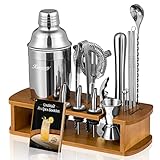
- Shake the hot espresso shots in a cocktail shaker with a small amount of ice for 10 seconds to rapidly chill and aerate.
- Pour the chilled espresso gently over the milk and ice, allowing it to “mark” the milk and create distinct layers.
Pro-Tip: The key to a perfect iced caramel macchiato is liquid density. Heavy syrups sit at the bottom, dense cold milk forms the middle, and freshly shaken, aerated espresso rests on top. Always instruct guests to stir right before drinking!
6. Infuse a Dairy-Free Oat Milk Cold Coffee

Pin this creamy, dairy-free oat milk coffee recipe for a healthy morning boost!
To infuse a dairy-free oat milk cold coffee, combine cold brew concentrate with sweetener and protein powder, shake vigorously, and top with barista-edition oat milk over ice.
Crafting a rich beverage that accommodates vegan restrictions does not mean sacrificing texture. When you substitute heavy dairy with oat milk, you create a completely dairy free drink with a velvety mouthfeel. While a cold coffee recipe with almond milk and protein powder is popular, oat milk provides superior creaminess.
Ingredients
- 1/2 cup cold brew concentrate (strong brew)
- 1/2 cup barista-edition oat milk (specifically formulated for a creamy texture)
- 1 scoop vanilla protein powder (optional, for a nutritional boost)
- 1 teaspoon maple syrup or monk fruit sweetener
- Ice cubes
Instructions
- Combine the cold brew concentrate, sweetener, and optional protein powder in a shaker bottle.
- Shake vigorously until the protein powder is completely dissolved and clump-free.
- Fill a glass with fresh ice.
- Pour the coffee mixture over the ice.
- Top with the barista-edition oat milk, allowing it to cascade and swirl through the dark coffee for a visually stunning presentation.
Pro-Tip: Always seek out “Barista Edition” plant milks. Standard almond or oat milks often separate or curdle when they hit coffee’s acidity. Barista blends contain added regulators and have a higher lipid extraction profile, mimicking the exact fat content of whole milk to ensure a seamless, velvety mouthfeel.

7. Mix a Vietnamese Iced Coffee with Condensed Milk

Save this authentic Phin filter method for the most decadent iced coffee ever!
To mix a Vietnamese iced coffee, slowly drip dark roast Robusta coffee through a Phin filter directly over sweetened condensed milk, stir thoroughly, and pour over crushed ice.
If you want to know how to make vietnamese cold coffee with condensed milk, you need specific regional equipment. A stainless steel phin filter slowly drips the robusta coffee over sweetened condensed milk. Extracting this way creates an intensely sweet beverage with an incredibly high caffeine content.
Ingredients
- 2 tablespoons dark roast Robusta coffee (coarsely ground)
- 2-3 tablespoons sweetened condensed milk
- Hot water (just off the boil)
- Crushed ice cubes
Instructions
- Pour the sweetened condensed milk into the bottom of a heat-proof glass.
- Remove the top screen of the stainless steel Phin filter, add the coffee grounds, and replace the screen, pressing down gently.
- Place the filter over your glass and pour a splash of hot water over the grounds to let them bloom for 30 seconds.
- Fill the filter to the top with hot water, cover with the lid, and let it drip slowly for 4-5 minutes, extracting right over the condensed milk.
- Stir the brewed coffee and condensed milk together thoroughly, then pour the mixture over a tall glass filled to the brim with crushed ice.
Pro-Tip: Authentic Vietnamese iced coffee relies on Robusta beans rather than Arabica. Robusta has nearly double the high caffeine content and a much bolder, earthy flavor profile that prevents the rich sweetened condensed milk from completely overpowering the coffee flavor.

Key Takeaways: Your Quick Guide to Cold Coffee
Understanding the core principles of the coffee brewing process is essential for consistently crafting the perfect cold coffee drinks. Reviewing these foundational rules ensures you maximize flavor and avoid common dilution mistakes. This cold coffee overview synthesizes complex extraction science into actionable steps for the home barista.
By implementing a scientifically measured brew ratio and mastering chlorogenic acid degradation, you elevate your morning routine. Whether you prefer a quick flash-brew or a slow 24-hour steep, respecting the relationship between time, temperature, and grind size is non-negotiable. Keep these five critical takeaways in mind before you start your next batch.
- Define Your Method First – The term cold coffee is an umbrella for three distinct techniques: slow-steeping (Cold Brew), rapid chilling over ice (Japanese Flash Brew), and milk/ice blending (Frappé style).
- Respect the Coffee to Water Ratio – To fix watery iced coffee, never brew hot coffee at standard strength and pour it over ice. Always brew a concentrated double-strength batch or use a 1:5 ratio for cold brewing to account for ice melt.
- Control the Acidity with Temperature – Room temperature brewing or cold steeping over 12-24 hours prevents the extraction of bitter tannins and acidic compounds, resulting in a naturally sweeter, low acidity profile ideal for sensitive stomachs.
- Use Liquid Sweeteners – Granulated sugar will not properly dissolve in cold liquids. Always use a liquid simple syrup, sweetened condensed milk, or maple syrup to ensure even sweetness without gritty sediment at the bottom of your glass.
- Embrace the Right Equipment – While a french press works great for immersion cold brew, utilizing a proper phin filter or a dedicated glass cold brew pitcher with a fine-mesh stainless filter significantly improves the smooth flavor profile and clarity of the final cup.
FAQs About Cold Coffee
Navigating the nuances of cold coffee at home often brings up common questions regarding acidity, caffeine levels, and proper storage. We have compiled the most frequently asked questions to help you refine your brewing technique and solve common home barista problems. Understanding the difference between cold brew and iced coffee is just the beginning.
If you have ever wondered why your sugar will not dissolve or if cold coffee is better for your stomach, these answers provide clarity. Armed with lab verified caffeine levels and scientifically measured brew ratio facts, you can troubleshoot any brewing issue. Use these direct answers to perfect your daily cup and avoid the frustration of a bitter or watery beverage.
How to make cold coffee at home?
To make a classic cold coffee at home, dissolve 2 tablespoons of instant coffee in 2 tablespoons of warm water, then blend it with 1 cup of cold milk, 1 tablespoon of simple syrup, and a handful of ice cubes.
For a thicker café style cold coffee, you can blend the ingredients on high speed for 30 seconds to aerate the milk, or add a scoop of vanilla ice cream. This ensures a creamy texture without requiring complex espresso machinery.
What is the difference between cold brew and iced coffee?
Iced coffee is hot-brewed coffee that is chilled and poured over ice, while cold brew is made by steeping coarse coffee grounds in cold water for 12 to 24 hours.
Because cold brew never touches heat, it avoids thermal oxidation, resulting in a beverage that is naturally sweeter and has low acidity. Iced coffee retains the bright, crisp, and slightly more acidic flavor profile characteristic of traditional hot brewing methods.
Is cold coffee better than hot coffee for acidity?
Yes, cold brew coffee is scientifically proven to be up to 67% less acidic than hot-brewed coffee, making it much better for sensitive stomachs.
The room temperature brewing process fundamentally changes the hydrophilic extraction kinetics. Without boiling water, the bitter acids and oils—specifically chlorogenic acids—are left behind in the coffee grounds, providing a smooth flavor profile that helps prevent acid reflux.
Does cold coffee have more caffeine than hot coffee?
Cold brew concentrate typically contains higher caffeine levels than hot coffee due to the massive 1:5 coffee-to-water ratio and the extended 24-hour steep time.
However, once you dilute the concentrate with water or milk for serving, the caffeine content equalizes to roughly 200mg per 16oz cup, which is comparable to a standard hot coffee. The final caffeine content always depends entirely on your chosen dilution ratio.
Which milk is best for cold coffee?
Barista-edition oat milk and whole dairy milk are the best options for cold coffee because their high fat content creates a naturally thick and creamy texture.
Standard almond milk or skim milk often taste watery and can separate or curdle when reacting with the coffee’s acidity. For a dairy free alternative that provides a velvety mouthfeel similar to heavy cream, oat milk is the undisputed industry standard.
Will sugar dissolve in cold coffee?
No, standard granulated sugar will not effectively dissolve in cold coffee; it will simply sink to the bottom and create a gritty texture.
To sweeten iced cold coffee, you must use a liquid sweetener. The best solution is to create a simple syrup (equal parts sugar and boiling water, cooled), or use alternatives like maple syrup, agave, or sweetened condensed milk which blend seamlessly into cold liquids.
Why does my cold coffee taste watery?
Cold coffee tastes watery because melting ice rapidly dilutes the beverage, throwing off the coffee-to-water ratio.
To fix watery iced coffee, you must brew your initial coffee at double strength (using twice the amount of coffee grounds for the same amount of water). Alternatively, you can prevent coffee dilution with coffee ice cubes—simply freeze leftover coffee in an ice tray and use those instead of regular water ice cubes.
How long does homemade cold coffee last in the fridge?
Un-diluted cold brew concentrate will last up to 14 days in the refrigerator when stored in an airtight glass container.
However, once you add milk, water, or sweeteners to create a ready to drink cold coffee, it should be consumed within 3 to 4 days. To maintain the best flavor profile and prevent stale tasting notes, always store your concentrate separately from your dairy and dilution liquids.
What is the ideal coffee to water ratio for cold brew?
The professional standard for brewing a versatile cold brew concentrate is a 1:5 ratio by weight (1 part coarse coffee grounds to 5 parts water).
If you prefer a ready to drink cold coffee straight out of the fridge without needing to add extra water or milk, you should brew using a 1:15 ratio. Utilizing a kitchen scale ensures a scientifically measured brew ratio for perfectly consistent results every time.
Can you make cold coffee without a blender?
Yes, you can easily make thick cold coffee without a blender by using a handheld electric frother wand or by vigorously shaking the ingredients in a cocktail shaker.
For example, the iced shaken espresso method simply requires shaking espresso, syrup, and ice in a sealed jar for 15 seconds. This rapidly aerates the liquid, producing a thick layer of micro-foam and a creamy texture entirely by hand.
Final Thoughts on Mastering Cold Coffee at Home
Mastering cold coffee at home isn’t about owning the most expensive espresso machine; it’s about understanding the basic science of extraction, temperature, and dilution. By moving away from simply pouring hot, standard-strength coffee over ice, you immediately elevate your morning routine from a watery disappointment to a premium, café-quality experience. The coffee brewing process is a careful balance of chemistry and technique.
Whether you choose to patiently steep a homemade cold coffee or cold brew concentrate for 24 hours to achieve that perfectly smooth, low acidity profile, or you opt to whip up an aesthetic, frothy Indian-style beaten coffee in just five minutes, you now have the calibrated extraction methodology to succeed. Remember that your brewing relies heavily on the details: utilizing liquid syrups for seamless sweetening, selecting barista-blend milks for a creamy texture, and always respecting the golden 1:5 ratio when creating concentrates.
With these seven proven methods in your repertoire, you are fully equipped to bypass the drive-thru line and craft spectacular, thick and frothy iced beverages right in your own kitchen.
Which of these seven methods are you going to try first? Are you a purist who loves the slow extraction of classic cold brew, or are you eager to test out the Japanese flash-chilled method this weekend? Let us know your favorite brewing style in the comments below!
Last update on 2026-10-22 / Affiliate links / Images from Amazon Product Advertising API
