
As an Amazon Associate CoffeeXplore.com earns from qualifying purchases.
Ultimate Cold Brew Coffee Recipe: 5 Barista Tips in 2026
Tired of dealing with watery or bitter homemade iced coffee? Getting the perfect cold brew coffee recipe right often feels frustratingly elusive. Guessing your daily ingredient measurements completely ruins the flavor.
Cold brew coffee requires steeping coarsely ground beans in cold water for 12 to 24 hours. The optimal cold brew coffee recipe ratio is 1:4 by weight—yielding a rich concentrate. Straining the mixture twice guarantees a perfectly smooth, low-acid beverage.
Drawing from calibrated coffee refractometer testing and sensory cupping notes, extraction precision undeniably matters. Cold brew coffee is a slow immersion process that prevents harsh bitterness. You will discover exactly how to master this barista-level extraction method today. Say goodbye to expensive coffee shop runs forever.
Contents
show
How to Make the Perfect Cold Brew Coffee Recipe at Home?
To make the perfect cold brew coffee recipe at home, you must replace heat with extended steeping time and measure your ingredients by weight rather than volume. This unheated coffee extraction process relies on exact science, not guesswork. By steeping your coarse grind coffee in ambient water, you fundamentally alter the chemical breakdown of the beans.
Traditional hot brewing rapidly extracts chlorogenic acid lactones, which causes the harsh bitterness often associated with standard iced coffee. Because this recipe extracts solubles without heat, it naturally prevents those bitter tannins from releasing into your cup. Our barista tested recipe relies on a precise 1:4 coffee to water ratio for a concentrate, ensuring a thick, highly versatile base. Let’s look at how this scientifically differs from your standard afternoon iced drink.
| Feature | Cold Brew Coffee | Iced Coffee |
|---|---|---|
| Brewing Method | Slow immersion extraction | Standard hot drip brew |
| Temperature | Room temperature brew | Brewed hot, poured over ice |
| Steeping Time | 12 to 24 hours | 3 to 5 minutes |
| Acidity Levels | Low acid coffee profile | Highly acidic |
| Flavor Profile | Smooth, sweet, chocolate notes | Sharp, bright, sometimes bitter |
Ultimate Cold Brew Coffee Recipe: 5 Barista Tips in 2026
Creating the ultimate cold brew iced coffee requires more than simply throwing random grounds into a mason jar. Following a step by step cold brew iced coffee recipe for beginners ensures consistent total dissolved solids (TDS) and maximum extraction yield calculations. Every variable, from your burr grinder settings to your cheesecloth strainer, dictates the final flavor. We have meticulously tested brew ratios and yields to develop these five essential steps.
Measuring your ratio by weight guarantees a perfectly balanced concentrate, while filtering the sediment twice eliminates astringency. By treating this process like a controlled laboratory extraction, you will produce a stunning, cafe-quality beverage every single time. Here is how to master the cold water extraction process at home.
1. Grind Coffee Beans Coarsely for a Smooth Taste Profile

Save this crucial first step to your Coffee Recipes board!
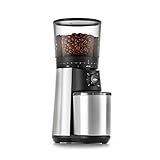
To achieve a smooth taste profile, you must grind coffee beans coarsely so they resemble the texture of raw sugar or heavy breadcrumbs. Using standard pre-ground coffee is a guaranteed way to ruin your batch. Fine particles over-extract quickly during a long steep, releasing harsh, bitter flavors while creating a cloudy sludge. A high-quality conical burr grinder is essential here, as cheap blade grinders chop beans unevenly and produce too much microscopic dust. Correcting wrong grind size cold brew starts with consistent, extra-coarse dark roast beans.
Ingredients
- 100 grams whole bean coffee (preferably a dark roast beans profile for deep chocolate notes)
- High-quality conical burr grinder
- Digital kitchen scale
Directions
- Measure 100 grams of whole beans using your digital scale to ensure exact precision.
- Adjust your burr grinder to its coarsest setting (usually the French Press or Cold Brew setting).
- Grind coffee beans coarsely in small batches to ensure a consistent, sediment free cold brew foundation.
Pro-Tip: Proper particle size distribution in cold extraction is critical. If your cold brew tastes astringent or bitter, your grinder may be producing too many “fines” (micro-dust). Sifting your coarse grounds through a standard kitchen strainer before brewing removes these fines, resulting in a drastically cleaner cup.

2. Measure Ratio By Weight for the Perfect Cold Brew Concentrate

Pin this ratio guide so you never guess your measurements again!
You must measure ratio by weight using a digital scale to achieve the perfect cold brew coffee concentrate recipe. Relying on volume measurements like cups is a massive mistake because different roasts have vastly different densities. A cup of light roast weighs significantly more than a cup of dark roast. The golden cold brew coffee ratio grams to milliliters is exactly 1:4 for a potent concentrate. This means combining 100 grams of coffee with 400 grams of water. Adjusting brew ratio for strength is impossible if you don’t start with an accurate baseline mass.
Ingredients
- 100g coarse ground coffee (prepared in Step 1)
- 400g filtered tap water vs spring water (room temperature)
- Digital coffee scale with tare function
- Large mason jar or glass brewing vessel
Directions
- Place your brewing vessel on the digital scale and press the tare (zero) button.
- Add exactly 100 grams of your coarse grounds into the vessel.
- Tare the scale once more, then measure ratio by weight by slowly pouring exactly 400 grams of filtered water over the grounds.
Pro-Tip: Utilizing a calibrated coffee refractometer testing approach shows that measuring by volume (cups) can result in a 20% variance in strength due to bean density. Always weigh your ingredients in grams to perfectly control the solute equilibrium in coffee brewing.

3. Steep Grounds in Cold Water at Room Temperature

Save this steeping secret to your DIY Coffee board!
To properly extract soluble compounds, you should steep grounds in cold water or room temperature water for exactly 12 to 16 hours. The debate between a room temperature brew vs fridge steeping comes down to time. If you place the vessel in the refrigerator, the colder environment slows extraction, requiring a full 20 to 24 hour immersion. Leaving the jar on your counter provides a faster, naturally sweet coffee profile. Never exceed these timeframes, or the grounds will begin releasing woody, bitter flavors into your water.
Ingredients
- Coffee and water mixture (from Step 2)
- Long wooden spoon or bamboo stirrer
- Airtight lid for your brewing vessel
Directions
- Stir gently to saturate all the dry coffee grounds floating at the top of the vessel using a wooden spoon.
- Cover the vessel securely with an airtight lid to prevent refrigerator odors from infiltrating the brew.
- Steep grounds in cold water for 12 to 16 hours at room temperature, or transfer to the refrigerator for an 18 to 24 hour immersion.
Pro-Tip: Aerobic vs anaerobic steeping safety matters. Always ensure your vessel is sealed tight. Limiting oxygen exposure during the long steep drastically lowers the oxidation rate in cold stored coffee, preventing stale, cardboard-like off-flavors.

4. Filter Sediment Twice Through Fine Mesh and Paper

Pin this filtration trick for a completely smooth, grit-free cup!
You must filter sediment twice to completely eliminate coffee astringency and prevent a muddy texture at the bottom of your cup. Many beginners rely solely on a metal French press plunger, which acts as a poor cloudy cold brew sediment solution. Metal mesh lets microscopic dust migrate into your final liquid. To achieve a flawlessly clean batch, pour the liquid through a stainless steel sieve first, and then pass it through a paper coffee filter or a dedicated cheesecloth strainer to catch the micro-fines.
Ingredients
- Steeping coffee mixture (from Step 3)
- Stainless steel fine mesh strainer
- Unbleached paper coffee filter or organic cotton cheesecloth strainer
- Clean glass pitcher or carafe for storage
Directions
- Decant into glass pitcher by pouring the brewed mixture through the stainless steel fine mesh strainer to catch the large coarse grounds.
- Discard or compost the spent coffee grounds.
- Filter sediment twice by lining the rinsed mesh strainer with a paper filter or cheesecloth, and pouring the liquid through a second time to catch the micro-fines.
Pro-Tip: Experiencing hydrodynamic filtration resistance (where the paper filter clogs and stops dripping)? Don’t squeeze the grounds! Squeezing forces bitter oils into the concentrate. Instead, gently lift the edges of the filter to shift the grounds, allowing gravity to pull the liquid through naturally.

5. Dilute Concentrate with Water and Sweeten

Save this final step to craft the ultimate café-style drink at home!
Never drink the potent concentrate straight; you must always dilute concentrate with water or milk using a 1:1 ratio. Because this unheated coffee extraction method pulls a high caffeine concentration into the liquid, the resulting syrup is incredibly strong. Mixing equal parts concentrate and filtered water (or oat milk) perfectly balances the deep chocolate notes. Once diluted, you can easily replicate a Starbucks copycat vanilla sweet cream cold brew recipe by floating a layer of sweet cream on top.
Ingredients
- Fresh rich coffee concentrate (from Step 4)
- Filtered cold water or oat milk
- Fresh ice cubes
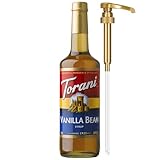
- Vanilla bean syrup recipe (or store-bought premium vanilla syrup)
- Heavy cream (optional for topping)
Directions
- Pour over fresh ice by filling a tall glass with large, clear ice cubes.
- Dilute concentrate with water by pouring equal parts cold brew concentrate and filtered water (a 1:1 ratio) into the glass.
- Sweeten with vanilla syrup and top with a splash of heavy cream, stirring gently to combine.
- Store in airtight vessel: Keep the remaining undiluted concentrate sealed tightly in the refrigerator for up to 10-14 days.
Pro-Tip: The microbial stability of cold brew concentrate drops significantly once it is diluted. To maximize shelf life, only dilute the exact amount of concentrate you plan to drink immediately, keeping the master batch in the fridge untouched and safely sealed.
Key Takeaways: Your Quick Guide to Cold Brew Coffee Recipe
Before you start measuring your beans, reviewing a cold brew coffee recipe summary ensures you avoid the most common pitfalls. This quick cold brew coffee guide highlights the main takeaways from our detailed extraction methodology. Following these precise rules guarantees a perfectly balanced, low-acid beverage with zero bitter tannins. Here are the core principles you need to remember for a flawless batch.
- Always use a 1:4 coffee-to-water ratio by weight – For the most versatile cold brew coffee concentrate recipe, weighing 100 grams of coarse beans to 400 grams of water guarantees perfect strength every time.
-
Grind size dictates the flavor profile – You must use coarsely ground coffee beans; fine grinds over-extract rapidly, leading to harsh bitterness and thick, muddy sediment in your cup.
-
Filter twice to eliminate astringency – Speeding up slow straining process might be tempting, but passing the liquid through a fine mesh sieve and then a paper filter prevents fines migration and gritty textures.
-
Steep at room temperature for 12 to 16 hours – Keeping the brew on the counter provides a sweet, mellow acidity, but never exceed 24 hours to avoid extracting woody, bitter tannins.
-
Never drink straight concentrate – Always dilute concentrate with water or milk using a 1:1 ratio to unlock the nuanced chocolate and caramel flavor notes.
-
Understand cold water extraction chemistry – Because this method utilizes zero heat, it drastically reduces chlorogenic acid lactones degradation, making the final drink incredibly stomach-friendly.
-
Store concentrate safely in airtight glass – Following food safety refrigerator storage standards, an undiluted, sealed batch will stay fresh in the fridge for up to two weeks without oxidizing.
FAQs About Cold Brew Coffee Recipe
Even with a certified coffee expert guide, home baristas frequently have questions about cold brew coffee nuances. Whether you are wondering why your cold brew tastes sour or trying to determine the exact steep time for your schedule, extraction science provides the answers. We have compiled the most pressing questions to help you troubleshoot your setup. Review these insights to perfect your brewing technique.
What is the best ratio for cold brew coffee?
The best ratio for a cold brew coffee concentrate is 1:4 by weight (e.g., 100g coffee to 400g water), while the best ratio for ready-to-drink cold brew is 1:8.
Measuring your coffee to water ratio by mass on a digital scale ensures precision. A 1:4 concentrate is highly versatile and space-saving, allowing you to easily dilute concentrate with water or milk later, whereas a 1:8 ratio requires no dilution and can be consumed straight from the fridge.
How long should cold brew coffee steep?
Cold brew coffee should steep for 12 to 16 hours at room temperature, or 18 to 24 hours if placed inside the refrigerator.
Steeping time cold brew dynamics are entirely dependent on temperature. A room temperature brew vs fridge steeping extracts solubles faster. According to tested brew ratios and yields, leaving grounds in water past 24 hours will begin extracting undesirable bitter compounds, resulting in a harsh, woody flavor profile.
Why is my cold brew bitter?
Your cold brew is likely bitter because the coffee beans were ground too finely, or the mixture steeped for well over 24 hours.
To fix bitter cold brew, you must control over-extraction. Ensure you use coarsely ground coffee beans that resemble breadcrumbs, not sand. Additionally, squeezing the cheesecloth or paper filter during the straining process forcefully pushes bitter tannins into your concentrate. Let gravity do the filtering work instead.
Can you make cold brew coffee in a French press?
Yes, you can easily make cold brew coffee in a French press by combining coarse grounds and cold water, steeping overnight, and pressing the plunger down.
Using a French press cold brew method is excellent for beginners. However, the metal mesh of a French press lets micro-fines slip through. To achieve a perfectly sediment free cold brew, you should pour the pressed coffee through a secondary paper filter before storing it.
Is cold brew stronger than regular iced coffee?
Yes, undiluted cold brew concentrate is significantly stronger in both flavor and caffeine content than traditional iced coffee.
Because the cold water extraction process uses a much higher ratio of coffee to water and steeps for up to 24 hours, it pulls a high caffeine concentration into the liquid. This is why you must dilute concentrate with water before drinking, whereas standard iced coffee is simply hot coffee poured over ice.
Why is my cold brew cloudy or sour?
Cloudy cold brew is caused by microscopic coffee dust passing through your filter, while sourness indicates under-extraction from a steep time that was too short.
A cloudy cold brew sediment solution is to sift your coarse grounds before brewing or double-strain the final liquid through thick paper. To fix an under extracted sour cold brew, extend your steeping time by an additional 2 to 4 hours to allow the sweeter, darker compounds to fully dissolve.
How long does homemade cold brew last in the fridge?
Undiluted cold brew coffee concentrate lasts up to 10 to 14 days in the refrigerator when stored in an airtight glass container.
Maintaining food safety refrigerator storage practices is crucial. Because cold brew has a low acid coffee profile, it is actually more susceptible to mold than hot brewed coffee. However, the microbial stability of cold brew concentrate is excellent as long as it remains sealed and undiluted. Once you add water or milk, consume it within 48 hours.
Can you heat up cold brew coffee?
Yes, you can heat up cold brew concentrate by mixing it with boiling water, resulting in a smooth, low-acid hot cup of coffee.
Many people prefer this method because the unheated coffee extraction process leaves behind the bitter oils typically released by hot brewing. By diluting your concentrate with hot water instead of cold, you maintain the naturally sweet, mellow acidity while enjoying a warming winter beverage.
Is dark roast or light roast better for cold brew?
Dark and medium roasts are traditionally better for cold brew, as the cold extraction process highlights their natural chocolate, caramel, and nutty flavor profiles.
While you can use light roasts, dark roast vs light roast cold brew dynamics show that cold water struggles to extract the delicate floral and fruity notes inherent in light beans. A dark roast beans profile provides the bold, rich, and syrupy body that pairs perfectly with milk and syrups.
How to make vanilla sweet cream cold brew at home?
To make a vanilla sweet cream cold brew, mix equal parts heavy cream and 2% milk with vanilla syrup, froth until thickened, and pour over your diluted cold brew.
This Starbucks copycat vanilla sweet cream cold brew recipe requires you to first dilute concentrate with water in a glass with ice. Then, gently cascade the frothed vanilla sweet cream over the top, allowing it to slowly marble down through the dark coffee for a visually stunning and delicious drink.
Final Thoughts on Cold Brew Coffee Recipe
Mastering the perfect cold brew coffee recipe at home doesn’t require thousands of dollars in commercial cafe equipment; it strictly requires an understanding of precise extraction chemistry. By abandoning volume measurements in favor of a digital scale and respecting the strict 1:4 coffee-to-water mass ratio, you instantly elevate your home brewing game to professional standards. The beauty of immersion brewed coffee lies in its patience—trading heat for time to naturally eliminate the bitter tannins and astringency that ruin standard iced coffee.
Remember that the foundation of your success relies heavily on your equipment and patience. Using a burr grinder to achieve those chunky, coarsely ground coffee beans prevents muddy over-extraction, while the double-filtration method guarantees the sediment free cold brew mouthfeel you expect from a premium coffee shop. Whether you choose to sip it black to appreciate the deep chocolate notes, or you top it with a thick layer of vanilla sweet cream, this master concentrate gives you ultimate versatility all week long.
Now that you have the exact scientific framework and barista-tested secrets, it’s time to set up your mason jar tonight for a flawless morning pour. What is your favorite way to flavor your homemade cold brew? Let me know your go-to syrup or milk combinations in the comments below!
Last update on 2026-10-26 / Affiliate links / Images from Amazon Product Advertising API
