

As an Amazon Associate CoffeeXplore.com earns from qualifying purchases.
Thrifted Coffee Station: 11 Stunning DIY Ideas on a Budget
Are you tired of scrolling through perfectly styled home cafes, wishing you could afford one? Finding stylish kitchen organization solutions on a tight budget can be incredibly frustrating. Fortunately, brilliant coffee station ideas thrifted transform financial constraints into stunning realities.
A thrifted coffee station is a dedicated home beverage area built by repurposing second-hand furniture like vintage dressers or thrift store tables. By utilizing DIY upcycling techniques like chalk painting, you can create a beautiful custom farmhouse coffee bar. This approach delivers a stunning aesthetic without the massive retail markup.
Drawing from extensive personal thrift flip experience and tested repurposing methods, this guide reveals safe, durable restoration techniques. You will discover exactly how to execute a step-by-step thrifted coffee bar makeover. Get ready to elevate your morning routine with these brilliant, budget-friendly design solutions.
Welcome to your ultimate diy home coffee bar guide. Creating a dedicated brewing space doesn’t mean you need to buy expensive retail pieces. In August 2026, the most aesthetic and functional designs are actually built from second hand furniture. Whether you live in a sprawling house or need small kitchen coffee bar solutions, there is a perfect thrifted piece waiting for you.
When evaluating your options, consider the classic dresser versus a mobile bar cart. A vintage dresser offers incredible hidden storage for espresso machines, while a bar cart provides flexibility for tight apartment layouts. By applying proper furniture upcycling techniques, you can achieve a high-end look while maintaining a budget friendly coffee station setup. Let’s explore these gorgeous transformations to build your ultimate cafe zone.
Contents
show
1. Repurpose A Vintage Dresser Into A Hidden Coffee Cabinet

Pin this hidden coffee cabinet transformation to your DIY Home Decor board!
Repurposing a vintage dresser into a coffee cabinet provides incredible hidden storage while keeping bulky appliances out of sight. This shabby chic transformation turns a forgotten bedroom piece into a highly functional coffee bar cabinet makeover. You can perfectly conceal your coffee maker and supplies behind beautiful woodwork.
Materials Needed
- A solid wood vintage dresser sourced from a local thrift shop or yard sale
- 2 pairs of heavy-duty, full-extension drawer slides (rated for 100+ lbs)
- A custom-cut ¾ inch plywood board (for the pull-out espresso machine shelf)
- Wood filler and a putty knife for repairing old hardware holes
- High-quality chalk paint in a farmhouse style matte white or cream
Step-by-Step Directions
- Remove the top row of drawers and carefully knock out the wooden dividers using a rubber mallet to create one large open cubby.
- Install the heavy-duty drawer slides onto the interior side walls of the open cubby, ensuring they are perfectly level.
- Mount the custom-cut plywood board onto the drawer slides to create your hidden, pull-out barista prep station.
- Sand the entire exterior of the dresser lightly with 120-grit sandpaper, fill any deep scratches with wood filler, and wipe clean.
- Paint the dresser with two coats of chalk paint, allowing two hours of drying time between coats before sealing.
Pro-Tip: When dealing with heavy coffee equipment, perform strict furniture structural integrity checks. Reinforce the interior corners of the dresser with steel L-brackets before adding your heavy espresso machine to the pull-out shelf.

2. Upcycle A Thrift Store Table With Chalk Paint Finishing

Save this beautiful chalk paint transformation for your weekend DIY inspiration!
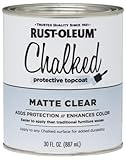
Upcycling a thrift store table with chalk paint finishing instantly creates a vibrant morning brew station without heavy carpentry. This approach provides brilliant farmhouse style coffee bar ideas from a thrift store table. It allows you to transform outdated, scratched furniture into a stunning centerpiece.
Materials Needed
- A sturdy wooden thrift store table or small console
- 1 quart of premium chalk paint in your preferred aesthetic color
- Synthetic bristle paint brushes (specifically designed for chalk paint)
- 120-grit and 220-grit sandpaper blocks
- Clear finishing wax or water-based polyurethane (for waterproofing)
- Clean microfiber tack cloths
Step-by-Step Directions
- Clean the table thoroughly using a degreaser to remove decades of furniture polish, dirt, and oils that prevent paint adhesion.
- Sand the surface lightly using a proper sanding grit progression, starting with 120-grit to scuff the finish, then smoothing with 220-grit.
- Wipe the entire table down with a tack cloth to remove all lingering dust particles.
- Apply the first coat of chalk paint using smooth, even strokes following the direction of the wood grain; let it dry for 1-2 hours.
- Seal the finished table by applying a thin layer of clear wax or polyurethane to protect the surface from coffee spills and heat.
Pro-Tip: Before painting deeply scratched thrift finds, master the art of wood grain filling. Apply a stainable wood filler to gouges, let it cure overnight, and sand it flush so your painted finish looks factory-smooth.
3. Transform A Small Space Bar Cart Into An Espresso Nook

Pin this brilliant small-space solution to your Apartment Decor board!
Transforming a vintage bar cart into an espresso nook provides the ultimate mobile organization for cramped apartments. This setup solves common coffee station small apartment challenges by utilizing vertical tiers. You can beautifully organize your coffee syrups and accessories on a minimal footprint.
Materials Needed
- A 2 or 3-tier bar cart (thrifted metal, acrylic, or wood)
- Metal polish or brass cleaner (if restoring a vintage metal cart)
- Woven storage baskets fitted to the dimensions of the bottom tier
- A sleek, space-saving espresso machine or single-serve pod brewer
- Glass dispenser bottles for decanting coffee syrups
- Zip ties and adhesive cable clips
Step-by-Step Directions
- Restore the cart’s frame by buffing away tarnish with metal polish or thoroughly cleaning a wooden frame with Murphy’s Oil Soap.
- Designate the top tier exclusively for your brewing equipment and two everyday favorite mugs to prevent a cluttered appearance.
- Organize your accessories on the middle tier by transferring commercial syrups into matching aesthetic glass dispensers with pump tops.
- Store overflow items like extra coffee bean bags, filters, and cleaning supplies inside the woven baskets on the bottom tier.
- Secure the electrical cords by running them down the back leg of the cart using adhesive cable clips and zip ties to prevent tripping.
Pro-Tip: When utilizing a mobile cart, cable management routing is critical for safety. Always leave enough slack in your power cord so you can roll the cart out for cleaning without yanking the plug from the wall.

4. Install Floating Shelves Above A Repurposed Wood Tray

Save this brilliant vertical storage hack to your Kitchen Organization board!
Installing floating shelves above a repurposed wood tray instantly defines your coffee zone while maximizing counter space. This dual-layered approach uses vertical storage for mason jars and mugs. The tray creates a clean, intentional boundary for your small space brewing equipment.
Materials Needed
- A large, flat thrifted wooden frame or vintage serving tray
- 2 solid wood boards (reclaimed barn wood or stained pine) for shelves
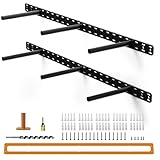
- Heavy-duty floating shelves brackets (rated for at least 50 lbs)
- A stud finder, level, and power drill
- Drywall anchors (if studs are unavailable)
- Glass mason jars for storing beans and grounds
Step-by-Step Directions
- Clean and seal your thrifted wooden tray; place it on your countertop to act as the defined footprint for your new brewing zone.
- Locate the wall studs above the tray using your stud finder, marking the bracket locations with a pencil.
- Drill pilot holes into the studs and securely mount the heavy-duty metal brackets, checking constantly with your level.
- Slide the wooden shelf boards onto the brackets, securing them from the bottom with the provided small set screws.
- Style the shelves by placing heavier items like full glass jars on the bottom shelf, and lighter items or trailing plants on the top shelf.
Pro-Tip: Never trust standard plastic drywall anchors when storing heavy ceramics. Always mount floating shelves directly into wall studs, or use heavy-duty toggle bolts if a stud isn’t perfectly centered over your coffee tray.
5. Build A Built-In Coffee Nook From A Flea Market Find

Pin this clever built-in cabinet hack to your Kitchen Renovation board!
Building a built-in coffee nook from a flea market cabinet creates high-end architectural appeal on a tight budget. By retrofitting second-hand furniture with baseboards, you achieve brilliant vintage coffee bar inspo. This technique makes a cheap, freestanding coffee cabinet look like custom kitchen cabinetry.
Materials Needed
- A tall, narrow thrifted cabinet or hutch that fits your kitchen alcove
- Paintable wood baseboard molding and crown molding
- Construction adhesive and a brad nailer (or hammer and finishing nails)
- Decorator’s caulk and a caulking gun
- An electric kettle and pour-over coffee gear
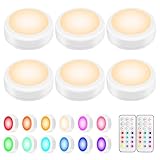
- Battery-operated LED puck lights
Step-by-Step Directions
- Remove the existing legs or feet from your flea market cabinet so it sits completely flush and flat on the floor.
- Slide the cabinet into your kitchen alcove or corner, anchoring the top of the unit safely to the wall studs to prevent tipping.
- Measure and cut your wood baseboard molding to wrap around the bottom of the cabinet, securing it with a brad nailer.
- Caulk every seam where the cabinet meets the wall, and where the new molding meets the floor, to create a seamless, built-in appearance.
- Mount battery-operated LED puck lights to the ceiling of the alcove or the underside of the cabinet’s top shelf to illuminate your electric kettle and brewing space.
Pro-Tip: The secret to successful cabinetry retrofitting is mastering decorator’s caulk. By running a smooth bead of caulk along every edge where your thrifted furniture touches the drywall, you instantly trick the eye into seeing custom built-in architecture.
6. Organize A Farmhouse Style Setup On A Reclaimed Wood Stand

Pin this cozy farmhouse aesthetic to your Morning Routine board!
Organizing a farmhouse style setup on a reclaimed wood stand brings rustic warmth and charm to your kitchen. This aesthetic relies on blending vintage kitchen accents with distressed woods. You can easily elevate cheap Goodwill finds using a beautiful wooden mug rack and matte black details.
Materials Needed
- A thrifted wooden console table or heavy wooden crate
- Dark walnut gel stain and a foam brush
- Matte black spray paint (for updating old hardware)
- A galvanized metal tiered tray (often found at flea markets)
- A countertop wooden mug rack
- Distressing tools (a hammer, chain, and coarse sandpaper)
Step-by-Step Directions
- Distress your thrifted wood stand by lightly beating the edges with a metal chain and tapping it with a hammer to create authentic-looking dents and dings.
- Stain the raw or distressed wood using a dark walnut gel stain, wiping the excess off quickly to highlight the newly created imperfections.
- Spray all hinges, drawer pulls, and any metal accessories with matte black spray paint to unify the farmhouse aesthetic.
- Assemble your station by placing your coffee maker on one side, balancing the visual weight with your wooden mug rack on the opposite side.
- Organize your sugar packets, stirrers, and coffee pods visually within the galvanized metal tiered tray in the center of the stand.
Pro-Tip: Authentic distressing techniques require a light touch. Focus your sanding and denting exclusively on the edges and corners of the furniture where natural wear and tear would occur over decades of use.

7. Restore A Mexican Pine Swivel Top For A Morning Brew Station

Save this gorgeous wood restoration project for your next thrift store trip!
Restoring a Mexican pine swivel top creates a highly durable, beautiful morning brew station. Proper wood staining for coffee bars highlights the natural beauty of the timber. Once sealed, this mexican pine swivel top becomes completely resilient against daily heat and moisture exposure.
Materials Needed
- A vintage Mexican pine swivel top cabinet (or similar rustic wood piece)
- Chemical wood stripper and a plastic scraper
- Orbital sander with 150 and 220 grit sanding discs
- Pre-stain wood conditioner (crucial for soft woods like pine)
- Your choice of wood stain
- Waterproof, wipe-on polyurethane finish
Step-by-Step Directions
- Apply the chemical stripper in a thick layer according to package directions, then gently scrape away the old orange-tinted varnish.
- Sand the raw pine smoothly using the orbital sander, moving entirely with the grain of the wood.
- Condition the bare wood using a pre-stain conditioner; this prevents soft pine from absorbing stain unevenly and looking blotchy.
- Stain the cabinet with a clean rag, wiping off the excess after 5 minutes to achieve a rich, warm tone.
- Waterproof the swivel top by applying three ultra-thin layers of wipe-on polyurethane, lightly sanding with steel wool between each coat.
Pro-Tip: The most common mistake in wood staining for coffee bars is skipping the topcoat. Always use specialized moisture resistant surface treatments like a high-grade polyurethane; otherwise, a single spilled espresso will leave a permanent dark ring in your freshly restored wood.

8. Refinish An Antique Cart For A Mobile Beverage Center

Pin this elegant antique cart restoration to your Vintage Home decor board!
Refinishing an antique cart honors historical charm while providing a sophisticated, upcycled beverage cart. This process focuses heavily on delicate vintage patina preservation rather than aggressive painting. Your resulting antique coffee bar decor looks meticulously curated and effortlessly elegant.
Materials Needed
- An authentic antique tea or serving cart (check estate sales)
- Lead paint testing swabs
- Gentle wood soap (like Murphy’s) and soft cotton rags
- Fine grade #0000 steel wool
- High-quality carnauba or beeswax furniture polish
- Custom-cut glass overlay for the top tray (optional but recommended)
Step-by-Step Directions
- Test the cart’s existing finish using a lead paint testing swab; if it tests positive, abort sanding and seal the piece entirely with clear lacquer.
- Clean the cart meticulously with a diluted mixture of warm water and gentle wood soap to remove decades of grime without stripping the original stain.
- Buff away minor water rings or sticky residue gently using #0000 steel wool dipped in furniture polish, always rubbing with the grain.
- Nourish the dry, aged wood by massaging a generous layer of beeswax furniture polish into the surface, letting it sit for 20 minutes before buffing to a shine.
- Protect the antique wood top from coffee heat and moisture by ordering a custom-cut piece of tempered glass to lay over the serving surface.
Pro-Tip: True interior design experts prioritize vintage patina preservation. Don’t aggressively sand away the minor dents and faded stains on an antique cart; those imperfections tell the story of the piece. Simply clean, polish, and protect it.

9. Create A Renter-Friendly Coffee Corner Using Open Shelving

Save this damage-free coffee setup for your apartment decorating ideas!
Creating a renter-friendly coffee corner using open shelving offers massive storage without damaging apartment walls. By utilizing a freestanding baker’s rack, you implement excellent coffee pod storage solutions. This structure perfectly embodies apartment friendly decorating while remaining completely mobile.
Materials Needed
- A thrifted freestanding metal baker’s rack or wooden bookshelf
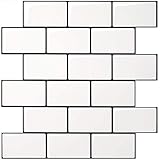
- Removable peel-and-stick backsplash wallpaper
- Heavy-duty foam board (cut to the size of the shelving unit’s back)
- Matching opaque storage bins or wire baskets
- Cord concealers (paintable wire channel covers)
Step-by-Step Directions
- Clean the thrifted shelving unit thoroughly and tighten any loose bolts to ensure the freestanding frame is completely stable.
- Apply your removable peel-and-stick wallpaper directly to the piece of foam board, smoothing out any air bubbles with a squeegee.
- Slide the wallpapered foam board behind the shelving unit, securing it to the back frame with zip ties to create a faux “tiled wall” backdrop without damaging your apartment drywall.
- Organize the shelves by keeping heavy appliances on the waist-high shelf, using opaque bins on the bottom shelves to hide ugly bags of coffee, and displaying pretty mugs on top.
- Hide ugly black appliance cords by running them down the back legs of the rack using paintable cord concealers.
Pro-Tip: When dealing with open shelving vs closed cabinet coffee bar setups, visual clutter is your worst enemy. Limit your visible color palette to three colors (e.g., white ceramic, black metal, and warm wood) to keep an open baker’s rack looking curated rather than chaotic.
$3.00 offBestseller No. 9
10. Decorate A Shabby Chic Coffee Bar With Vintage Mugs And Mason Jars

Pin these gorgeous shabby chic styling tips to your Vintage Decor board!
Decorating a shabby chic coffee bar with vintage mugs and mason jars instantly adds romantic, personalized charm. By understanding the safety protocols for cleaning vintage thrift store finds, you can mix and match unique dishware. This curates an eclectic aesthetic that looks intentional rather than cluttered.
Materials Needed
- A thrifted, distressed white sideboard or table
- An assortment of mismatched vintage floral mugs (from Goodwill or Salvation Army)
- Heavy glass mason jars with airtight lids
- Antique silver spoons
- Under-cabinet mug hooks
- Baking soda, white vinegar, and mild dish soap
Step-by-Step Directions
- Sanitize your thrifted vintage mugs and spoons by boiling them in a mixture of water and white vinegar for 10 minutes to safely remove any lingering bacteria or old stains.
- Remove stubborn coffee rings from the inside of antique mugs by making a paste of baking soda and water, scrubbing gently with a soft sponge.
- Install metal mug hooks underneath your upper kitchen cabinets or a floating shelf to display your newly cleaned floral mug collection.
- Decant your everyday coffee beans, sugar, and powdered creamers into clear glass mason jars to eliminate ugly commercial packaging.
- Style the station by placing the antique spoons upright in a small milk glass jar, layering a lace runner underneath your coffee maker.
Pro-Tip: When cleaning vintage thrift store finds, never put antique ceramics with gold leaf or painted details into a modern dishwasher. The high heat and harsh detergents will permanently strip the delicate glaze and ruin the shabby chic aesthetic.

11. Maximize Awkward Corner Space With A Custom Cut Thrifted Shelf

Pin this genius corner-space hack to your Small Kitchen Solutions board!
Maximizing awkward corner space with a custom cut thrifted shelf solves the most difficult kitchen layout problems. By modifying solid wood thrifted boards, you master the art of repurposing awkward corner space. This carpentry-lite approach delivers brilliant coffee stand ideas small spaces desperately need.
Materials Needed
- A solid wood thrifted tabletop or thick wooden bookshelf board
- Heavy-duty corner shelf brackets (L-shaped)
- A jigsaw or circular saw
- Measuring tape and a framing square
- Sandpaper and matching wood stain or paint
- A compact, narrow coffee maker
Step-by-Step Directions
- Measure the depth of your kitchen corner accurately from the apex to where you want the shelf to end, using a framing square to ensure the corner is actually 90 degrees.
- Trace a right-angle triangle onto your thrifted wood board based on your exact corner measurements.
- Cut the wood slowly and carefully using a jigsaw, staying just outside your penciled line.
- Sand the freshly cut raw edge until smooth, then apply paint or stain to match the rest of the board’s original finish.
- Mount the heavy-duty corner brackets into the wall studs, place your custom triangular shelf on top, and design your space-saving coffee corner.
Pro-Tip: When repurposing awkward corner space, remember that house walls are rarely perfectly square. Always create a cardboard template of your corner first, then trace that template onto your thrifted wood before cutting.
- Prep Work is Mandatory for Thrift Flips: Never skip cleaning and sanding; removing decades of grime with degreaser and utilizing proper sanding grit progression ensures your chalk paint or stain will actually adhere to the furniture.
- Prioritize Structural Integrity for Heavy Appliances: When repurposing a vintage dresser into a thrifted home coffee setup, always reinforce the interior joints with L-brackets to safely support heavy espresso machines and water tanks.
- Go Vertical in Small Apartments: If you’re struggling with coffee stand ideas small spaces, utilize wall space by installing heavy-duty floating shelves or utilizing a tiered mobile bar cart to maximize your footprint.
- Waterproofing is Non-Negotiable: Always seal your finished diy thrift flip transformation with a high-quality, moisture-resistant polyurethane topcoat to protect the wood from daily coffee spills, heat, and steam.
- Don’t Strip Authentic Antique Patina: When working with high-quality antique carts, avoid aggressive sanding; instead, practice vintage patina preservation by cleaning gently with wood soap and restoring shine with beeswax polish.
- Create Architectural Illusions on a Budget: You can make a cheap flea market cabinet look like a custom built-in coffee nook simply by adding wood trim and sealing the edges against the wall with decorator’s caulk.
- Sanitize Vintage Ceramics Safely: Avoid putting thrifted mason jars and vintage mugs in a modern dishwasher; sanitize them by boiling in a water-vinegar mix to preserve delicate glazes and shabby chic gold leaf details.
How much does a diy thrifted coffee bar cost?
A DIY thrifted coffee bar typically costs between $40 and $150, depending on the furniture piece and finishing supplies.
If you score a cheap thrift store table for $20 at Goodwill, your only additional expenses will be sandpaper, a quart of chalk paint, and hardware. This makes it an incredibly budget-friendly alternative to buying a new $500 piece of retail furniture.
How to repurpose a thrift store table into a coffee station?
To repurpose a thrift store table into a coffee station, you must clean, sand, paint, and waterproof the surface.
Start by scrubbing the table with a degreaser. Lightly sand with 120-grit paper, apply two coats of chalk paint or wood stain, and finish with a wipe-on polyurethane. Finally, add a tray to hold your coffee maker and display your mugs on a small rack.
Which thrifted items work best for coffee stations?
The best thrifted items for coffee stations are solid wood dressers, vintage bar carts, console tables, and old bookshelves.
Look for pieces made of real wood rather than particleboard, as they are easier to sand and paint. A vintage dresser is especially ideal because the deep drawers provide excellent hidden storage for extra coffee beans, syrups, and bulky appliances.
What is the best paint for repurposed wood coffee bars?
Chalk paint is widely considered the best paint for upcycling thrifted furniture because it requires minimal sanding and adheres to almost any surface.
It provides a beautiful, matte farmhouse style finish that hides imperfections well. However, because chalk paint is porous, you must seal it with a high-quality wax or polyurethane topcoat to protect it from coffee stains.
How to waterproof a wooden thrifted coffee station?
You can waterproof a wooden coffee station by applying three coats of a water-based or oil-based clear polyurethane.
Apply the polyurethane in thin layers using a foam brush or wipe-on rag, lightly sanding with fine steel wool between coats. This moisture resistant surface treatment creates a hard, plastic-like barrier that prevents hot coffee spills from leaving permanent dark rings in the wood.
How to organize a thrifted coffee corner?
Organize a thrifted coffee corner by grouping items by use-case and utilizing vertical storage like floating shelves and tiered trays.
Keep your brewer and daily mugs on the main counter. Use a galvanized metal tiered tray to corral sugar packets and stirrers. Transfer commercial coffee syrups into matching glass dispensers with pumps to eliminate visual clutter and maintain a cohesive aesthetic.
How to hide coffee maker cords on a freestanding bar?
You can hide ugly coffee maker cords by routing them down the back leg of your furniture using adhesive cable clips and zip ties.
If your thrifted coffee station sits against a wall, you can also use paintable plastic cord concealers that stick to the drywall. For dressers or cabinets, drill a small hole in the back panel to run power strips completely out of sight.
What decor goes with a thrifted coffee setup?
Aesthetic decor for a thrifted coffee setup includes vintage mason jars, trailing plants, wooden mug racks, and antique spoons.
To achieve a cohesive vintage coffee nook, mix natural textures like reclaimed wood and linen runners with metallic accents like distressed brass or matte black hardware. Keep the decor functional by using beautiful vintage containers to store everyday items like beans and filters.
How to clean vintage coffee mugs safely?
Clean vintage thrift store mugs by boiling them in a mixture of water and white vinegar for 10 minutes to sanitize them without harsh chemicals.
Never place delicate antique ceramics in a modern dishwasher. For stubborn interior coffee rings, scrub gently with a paste made of baking soda and water. This method ensures your shabby chic mugs are food-safe while preserving their delicate glazes and gold-leaf details.
How to make a coffee bar in a small kitchen?
To make a coffee bar in a small kitchen, utilize vertical wall space with floating shelves or use a mobile bar cart that can be rolled away.
Repurpose an awkward kitchen corner by cutting a custom triangular thrifted shelf, or place a narrow console table against an unused wall. Maximizing counter space is key, so keep only your essential daily brewer on the counter and store backup supplies in hidden bins.
Creating a stunning morning space doesn’t have to break the bank. By exploring these coffee station ideas thrifted from local Goodwills, yard sales, and flea markets, you can build a highly functional, custom beverage center for a fraction of retail prices. The magic of budget interior design lies entirely in your willingness to see the potential beneath scratched varnish and outdated hardware.
Whether you decide to execute a full diy thrift flip transformation on a vintage dresser, or simply style a mobile bar cart for your apartment, remember that proper preparation is your best tool. By taking the time to properly sand, prime, and seal your second hand furniture, you ensure your new coffee setup isn’t just beautiful for a Pinterest photo, but durable enough to handle your daily caffeine routine for years to come. Upcycling isn’t just a win for your wallet; it’s a massive win for sustainable home decor.
Are you feeling inspired to tackle your own furniture makeover? Which of these stunning thrifted coffee station ideas will you hunt for this weekend? Grab your measuring tape, head to your local thrift shop, and start building the cozy cafe corner you truly deserve!
Last update on 2026-08-18 / Affiliate links / Images from Amazon Product Advertising API
