
As an Amazon Associate CoffeeXplore.com earns from qualifying purchases.
Black Tea Packaging Design: 11 Premium Trends For 2026
Ever stand in a tea aisle, paralyzed by a wall of beautiful boxes? Your customers do, and their choice often comes down to the one package that instantly communicates quality and trustworthiness. This is the core challenge of black tea packaging design: creating something that not only looks premium but also protects the delicate product within from common issues like aroma loss.
Premium black tea packaging design is essential because it directly communicates brand quality, protects delicate leaves from moisture and light, and preserves aroma to ensure a superior customer experience. This multi-faceted role helps a product command a higher price, builds consumer trust, and achieves critical brand differentiation in a crowded market.
Drawing from comprehensive analysis and established best practices, this guide goes beyond just pretty pictures. We will explore 11 actionable trends for 2026 that merge aesthetics with function. You’ll discover how to choose materials that prevent oxidation, create a memorable unboxing experience, and build a powerful tea brand identity that flies off the shelf.
Contents
show
Why Is Premium Black Tea Packaging Design Crucial for Brand Success?
In the competitive world of tea, your packaging is your silent salesperson. It’s the first interaction a customer has with your brand, and it works tirelessly to convey quality, preserve freshness, and tell a story—all in a matter of seconds. Viewing premium tea packaging as a critical investment rather than an expense is the first step toward building a successful brand. It’s a strategic tool that solves fundamental business problems, from extending shelf life to justifying a higher price point. The right design directly addresses challenges like moisture ingress and oxidation, which can ruin the flavor profile of high-quality leaves. According to tea industry standards, the primary function of the package is to act as a barrier, protecting the delicate contents from light, air, and moisture. By mastering both the art and the science of packaging, you create a product that not only attracts the eye but also delivers on its promise of a superior tasting experience, fostering deep consumer trust and loyalty.
11 Premium Black Tea Packaging Design Trends To Master in 2026
Now that we’ve established why premium design is a non-negotiable asset, let’s dive into the how. The following 11 trends represent the leading edge of black tea packaging design for 2026. Each one is more than just an aesthetic choice; it’s a strategic decision that communicates a specific brand message, from luxury and tradition to sustainability and modern minimalism. We’ll break down the key elements, execution steps, and expert pro-tips for each, providing you with actionable inspiration to create packaging that captivates and converts.
1. Embracing Minimalist Design with Matte Black & Gold Foil

Pin this sophisticated look to your ‘Luxury Branding’ board!
This timeless combination immediately signals a high-end, premium product. The deep, non-reflective matte black surface creates a sophisticated canvas that makes the shimmering gold foil accents pop. In consumer psychology, this pairing is deeply associated with luxury, elegance, and exclusivity. It’s a powerful visual shortcut that conveys quality and justifies a premium price point before the customer even tastes the tea. As seen in many expert branding case studies, this minimalist approach works because it communicates confidence, focusing all attention on the brand name and the promise of a superior product inside.
Key Design Elements
- Material: Seamless metal tea tins or heavy-gauge cardboard tubes.
- Finish: Deep, non-reflective matte black coating.
- Accent: Hot-stamped gold foil (or rose gold/silver for a modern twist).
- Typography: A clean, sans-serif or elegant serif font that is legible in foil.
- Seal: An air-tight inner lid to preserve freshness.
How to Execute This Trend
- Sourcing: Find a manufacturer specializing in custom tin printing and finishing.
- Designing: Create your artwork in vector format, with the foil elements on a separate layer.
- Typesetting: Pay close attention to kerning and font weight to ensure the foil doesn’t bleed or look blotchy.
- Prototyping: Always order a physical prototype to check the finish quality and foil application before a full production run.
Pro-Tip: Ask your printer about a tactile varnish or soft-touch laminate over the matte black finish. This creates a luxurious, velvety feel (known as haptic feedback design) that significantly enhances the unboxing experience and perceived value.

2. Championing Sustainable Packaging with Eco-Friendly Pouches

Save this eco-chic idea for your next sustainable brand launch!
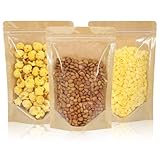
As consumer awareness of environmental issues grows, sustainable tea packaging has shifted from a niche preference to a mainstream demand. This trend leverages eco-friendly materials like compostable Kraft paper to create stand-up pouches that communicate sustainability. This approach appeals directly to the values of conscious consumers, building brand loyalty based on shared principles. It’s crucial to be transparent and accurate with your claims; providing clear information on whether the packaging is recyclable, biodegradable, or compostable adds genuine value and meets the standard of FDA compliance for food-safe materials.
Key Design Elements
- Material: Compostable PLA-lined Kraft paper or recycled paperboard.
- Inks: Soy-based or water-based inks for minimal environmental impact.
- Seal: A resealable zip-lock closure (ensure it’s also compostable if claiming 100% compostability).
- Design: A clean, nature-inspired aesthetic using earthy color palettes.
- Messaging: Clearly display sustainability credentials on the pack.
How to Execute This Trend
- Sourcing: Partner with a packaging supplier that specializes in certified eco-friendly materials.
- Illustrating: Use simple, line-art illustrations of botanicals or tea leaves.
- Labeling: Design a label that educates the consumer on how to properly dispose of the packaging.
- Sealing: Ensure the heat seal is strong enough to be moisture-proof and protect the tea.
Pro-Tip: For loose leaf tea, the primary concerns are moisture ingress and oxidation. Ask your supplier for the material’s Water Vapor Transmission Rate (WVTR) and Oxygen Transmission Rate (OTR). A lower number is better and ensures maximum freshness, a key technical spec that builds E-E-A-T.
3. Evoking Tradition with Vintage & Botanical Illustrations

Pin this timeless design for a touch of artisanal charm!
This trend taps into the rich history and agricultural roots of tea. Using detailed, vintage-style botanical illustrations on a tea box design creates a narrative of authenticity, craftsmanship, and natural quality. This aesthetic is perfect for brands that want to emphasize their connection to tea origin stories and traditional harvesting methods. The illustration informs about origin and conveys quality by suggesting a product that is natural, carefully sourced, and rooted in historical tea traditions. It appeals to consumers seeking an authentic, artisanal experience rather than a mass-market product.
Key Design Elements
- Style: Detailed, scientific-style botanical illustrations or whimsical, storybook-style art.
- Material: Uncoated, textured paper stock to enhance the rustic feel.
- Color Palette: Muted, natural tones or a classic monochrome line-art approach.
- Typography: A classic serif or a hand-lettered script font.
- Focal Point: The illustration should be the hero of the design.
How to Execute This Trend
- Illustrating: Commission a professional illustrator or source high-quality stock illustrations that match your brand.
- Layout: Integrate the illustration seamlessly with your logo and product information. Don’t let the design become cluttered.
- Printing: Choose an offset printing method that can capture the fine details of the artwork.
- Finishing: Consider a subtle debossing on the illustration to add a tactile element.
Pro-Tip: When commissioning artwork, ensure you receive the files as vector-based typography and graphics (e.g., Adobe Illustrator .ai files). This allows the design to be scaled to any size without losing quality, which is critical for creating a cohesive brand across small tea tags and large shipping boxes.

4. Engaging the Senses with Tactile Textures & Embossing

Add this sensory experience to your ‘Packaging Finishes’ board!
Great packaging engages more than just the eyes. This trend focuses on sensory marketing, using textured paper and techniques like embossing to create a memorable physical experience. A premium tea box with a tactile surface feels more valuable and substantial in the customer’s hands. This sensory detail enhances unboxing and reflects price point subconsciously. Demonstrating this level of manufacturing expertise shows a commitment to quality that extends to the product inside, building a powerful perception of a luxury brand through the simple act of touch.
Key Design Elements
- Material: Heavyweight (300gsm+), uncoated paper stock like cotton or linen paper.
- Technique: Blind embossing (no ink) for a subtle, sophisticated effect, or ink embossing for more contrast.
- Pattern: A custom pattern, brand logo, or key botanical illustration.
- Finish: Combine with other finishes like foil stamping for a multi-sensory experience.
How to Execute This Trend
- Designing: Create a separate vector file for the emboss/deboss area. Keep the design simple, as very fine details can get lost.
- Sourcing: Work with a printer who has experience with high-quality finishing techniques.
- Prototyping: A physical sample is non-negotiable. You need to feel the depth and sharpness of the emboss.
- Die-cutting: Consider a custom die-cutting shape for the box itself to further enhance the unique physical form.
Pro-Tip: Texture adds perceived value but also cost. For a budget-friendly alternative, explore digitally printed textures or a haptic feedback design using a clear, raised tactile varnish (also called spot UV) to create a similar, though less pronounced, effect.

5. Creating a Memorable Unboxing Experience

Save this unboxing magic to your ‘Gift Packaging Ideas’ board!
In the age of social media, the unboxing experience has become a powerful marketing tool. This trend transforms packaging from a simple container into a staged reveal. By using elements like custom inserts, interior printing, and branded tissue paper, you can create a delightful journey for the customer. This approach is especially effective for a tea gift set or any product targeting the gift-giving culture. A well-designed unboxing experience enhances unboxing and makes the customer feel valued, encouraging them to share their experience online and creating organic marketing for your brand.
Key Design Elements
- Structure: A rigid, two-piece box or a magnetic closure box.
- Interior: Printed with a custom pattern or a brand story message.
- Inserts: Custom-cut cardboard or foam inserts to hold tea tins or jars securely.
- Wrapping: Branded tissue paper or a cloth bag for the inner container.
- Extras: A small thank-you card, a brewing guide, or a branded tea scoop.
How to Execute This Trend
- Conceptualizing: Map out the entire unboxing journey from the user’s perspective.
- Structural Design: Work with a packaging engineer or use a dieline template to design the box and inserts.
- Printing: Use full-color printing on both the exterior and interior of the box.
- Assembly: Consider the ease of assembly and packing for your fulfillment process.
Pro-Tip: The “reveal” is everything. Design the inserts so the primary product is the last and most impactful thing the customer sees. This uses principles of consumer psychology to build anticipation and create a memorable moment.

6. Making a Statement with Bold, Expressive Typography

Pin this bold design for a modern, type-driven brand identity!
Sometimes, the strongest statement is the simplest. This trend in modern tea packaging makes bold typography the star of the show. By using an oversized, characterful font and a high-contrast color palette, the packaging immediately grabs attention and communicates a confident, modern brand personality. A typography-led tea pouch design attracts customers with its strong shelf appeal and showcases brand identity in a direct and unforgettable way. This is an excellent strategy for brands targeting a younger demographic, such as modern black tea branding for Gen Z, who appreciate clean, graphic, and unapologetic design.
Key Design Elements
- Font: A strong, characterful font that becomes the primary visual element.
- Hierarchy: Clear visual hierarchy between the brand name, tea type, and other information.
- Color: A high-contrast color palette that makes the type pop.
- Layout: Asymmetrical or unexpected layouts that break traditional design rules.
- Simplicity: Minimal use of other graphic elements; let the type do the work.
How to Execute This Trend
- Font Selection: Choose or commission a unique font that reflects your brand’s personality.
- Typesetting: Experiment with scale, orientation, and composition. The type should feel like an intentional art piece.
- Color Theory: Use color theory in branding to select a palette that evokes the right emotion and flavor profile.
- Printing: Ensure your printer can achieve crisp, clean edges on the typography, especially for smaller text.
Pro-Tip: Use the Pantone Matching System (PMS) to specify your brand colors. This ensures color consistency across all your packaging and marketing materials, which is crucial for building a strong and recognizable tea brand identity.

7. Telling a Story with Origin-Inspired Graphics

Save this storytelling design to your ‘Brand Narrative’ board!
Authenticity is a powerful currency in today’s market. This trend in artisanal tea packaging uses graphics like stylized maps or landscapes to visually connect the product to its source. This approach to black tea branding taps into the growing consumer interest in tea origin stories. The design informs about origin and builds consumer trust by offering transparency about where and how the tea was grown. It transforms a simple product into a journey, creating a deeper, more meaningful connection with customers who value craftsmanship and ethical sourcing.
Key Design Elements
- Graphics: Stylized maps, landscapes, or cultural patterns from the tea’s region of origin.
- Copy: A short narrative on the packaging about the tea estate, the farmers, or the unique climate.
- Material: Natural, earthy materials like Kraft paper or wood veneers.
- Color Palette: Colors inspired by the landscape of the origin country.
How to Execute This Trend
- Research: Deeply research the visual culture and geography of your tea’s origin.
- Design: Commission an illustrator to create custom graphics that are respectful and authentic.
- Writing: Craft compelling, concise copy that tells the story without cluttering the design.
- Integration: Ensure the origin story is a cohesive part of your overall brand, from packaging to website.
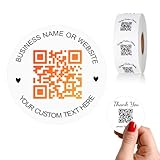
Pro-Tip: Don’t just show a map—tell a story. Use a small QR code on the packaging that links to a video of the tea estate or an interview with the farmer. This creates an interactive experience and provides radical transparency.
8. Showcasing the Product with Artisanal Windowed Packaging

Pin this transparent design for an authentic product showcase!
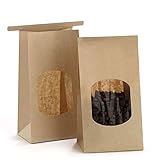
“Seeing is believing” is the core principle behind this trend. A wholesale tea box design with window offers a glimpse of the high-quality loose leaf tea inside, building immediate trust and confidence. The die-cutting technique allows for creative window shapes that can reinforce branding (like a leaf or logo). This design is particularly effective because it distinguishes varieties visually and leverages the natural beauty of the product itself to create shelf appeal. It’s an honest, transparent approach that says, “We’re proud of our product and have nothing to hide.”
Key Design Elements
- Window Shape: A custom shape that relates to the brand (e.g., a leaf, a teacup, part of the logo).
- Window Material: Clear, food-grade PLA (compostable) or cellophane film.
- Placement: Strategically placed to offer the best view of the product without compromising structural integrity.
- Product: Best for visually appealing products like whole loose leaf tea, not for fine dust or fannings.
How to Execute This Trend
- Designing: Create a dieline that includes the custom window shape. Test its size and placement on a physical mockup.
- Sourcing: Ensure your manufacturer can apply the window film cleanly and securely.
- Filling: The filling process must be clean to avoid dust on the inside of the window.
- Protection: Consider how the window will affect the tea’s exposure to light and implement UV-resistant coatings if needed.
Pro-Tip: UV light is a major enemy of tea freshness, causing oxidation. If using a window, opt for a smaller, strategic shape and advise retailers on retail shelf strategy to keep the product out of direct sunlight. Alternatively, use a UV-resistant coating on the window film itself.
9. Standing Out with Vibrant Color Blocking

Save this pop of color for a vibrant and organized product line!
In a sea of earthy tones and traditional designs, bold color can be a brand’s greatest asset. This modern tea packaging trend uses a vibrant, colorful blocking system to achieve powerful brand differentiation. Assigning a unique, saturated color to each tea variety creates a visually striking product line that distinguishes varieties at a glance. This system not only has incredible shelf appeal but also makes it easy for repeat customers to find their favorite blend, improving the overall user experience and demonstrating a thoughtful retail shelf strategy.
Key Design Elements
- Color System: A well-defined color palette where each color corresponds to a specific tea variety.
- Boldness: Use saturated, unapologetic colors.
- Simplicity: Keep typography and other graphic elements minimal and consistent across the range.
- Material: A smooth, coated paper stock that allows for vibrant and accurate color reproduction.
How to Execute This Trend
- Strategy: Develop your color system first. Test color combinations to ensure they look good together on a shelf.
- Color Specification: Use the Pantone Matching System (PMS) to ensure your colors are printed consistently every time.
- Design: Apply the colors in large, clean blocks. Avoid gradients or complex patterns.
- Proofing: Get printed color proofs from your manufacturer to approve before the full run.
Pro-Tip: When developing a color-coded system, perform an accessibility check. Ensure that there is enough contrast and a secondary identifier (like bold text or an icon) so that customers with color blindness can also easily distinguish varieties.

10. Comparing Functional Forms: Pouches vs. Tins

Pin this essential comparison for your packaging strategy session!
One of the most fundamental decisions in tea container design is the choice between pouches vs tins. This isn’t just an aesthetic choice; it’s a strategic one with implications for cost, shipping, and brand perception. Tea tins offer superior protection and a high perceived value, while stand-up pouches are lightweight, cost-effective, and offer a large canvas for branding. This section directly compares these two popular formats to help you make an informed decision that facilitates storage and aligns with your brand’s goals, from cost efficiency to luxury positioning.
Key Design Elements (Comparison Table)
- Tea Tins (Pros): Excellent protection from light/moisture, highly reusable, high perceived value, rigid and durable.
- Tea Tins (Cons): Higher unit cost, heavier/more expensive to ship, takes up more space when empty.
- Stand-Up Pouches (Pros): Lower unit cost, lightweight/cheaper to ship, flexible, uses less material, excellent for branding.
- Stand-Up Pouches (Cons): Less physical protection, lower perceived reusability, potential for puncture.
How to Execute This Trend (Make a Decision)
- Brand Positioning: Are you a luxury gift brand (tins) or a modern, direct-to-consumer brand (pouches)?
- Budget: Analyze the per-unit cost and shipping implications for your business model.
- Product: Fragile leaves like white or green tea might benefit from the rigidity of a tin.
- Sustainability: A reusable tin may be seen as more sustainable than a disposable pouch, even if the pouch is compostable. Consider your target audience’s values.
Pro-Tip: The best solution can be a hybrid. Use gusseted pouch engineering for your main product line to save on costs, and offer premium tea tins for special editions or tea gift sets. This allows you to capture both markets effectively.

11. Designing Luxury Gift Sets and Bundles

Save this perfect gift idea for your holiday collection!
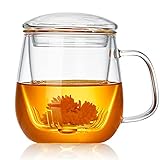
A well-designed tea gift set is a powerful tool for increasing average order value and reaching new customers. The key to a successful luxury black tea gift box design is curation and presentation. By bundling a core tea product with complementary brewing accessories like tea infusers, you create a complete experience. The outer packaging, typically a rigid box with custom inserts, unifies these items into a cohesive, high-value gift. This strategy enhances unboxing and perfectly serves the gift-giving culture, making it ideal for holidays and special occasions.
What You Need
- Outer Box: A high-quality rigid box with a magnetic closure or lid.
- Inner Items: A core tea product plus complementary brewing accessories like a tea infuser, a perfect-cup spoon, or a small honey jar.
- Inserts: Custom-designed and die-cut inserts made from paperboard, foam, or molded pulp to hold each item securely.
- Finishing Touches: A ribbon, a gift tag, or a wax seal to complete the luxury experience.
Steps
- Curation: Select products that create a complete and logical experience (e.g., tea + infuser + cup).
- Structural Design: Get the exact dimensions of all items and design an insert that provides a snug, protective fit.
- Graphic Design: Create a design for the outer box that is elegant and feels special, distinct from your standard product line.
- Assembly: Plan for the logistics of assembling these multi-item kits.
Pro-Tip: The perceived value of a gift set is often greater than the sum of its parts. Use high-quality inserts and thoughtful curation to transform a $20 tea and a $10 infuser into a $50 premium gift set.
Key Takeaways
- Function First, Then Form: Your black tea packaging design must first and foremost protect the tea from moisture ingress, light, and air to prevent aroma loss. Prioritize materials with excellent barrier properties.
- Sustainability is Non-Negotiable: Modern consumers demand eco-friendly options. Incorporate sustainable tea packaging, like compostable pouches or reusable tins, and clearly communicate these benefits.
- Invest in the Unboxing Experience: The tactile feel of textured paper, the elegance of gold foil, and the structure of a gift box significantly increase perceived value and create shareable social media moments.
- Typography is Your Brand’s Voice: In modern tea packaging, bold typography can be the main design element, conveying confidence and creating powerful brand differentiation on the shelf.
- Tell a Compelling Story: Use illustrations and graphics to connect your product to its origins. A strong narrative about the tea’s source builds consumer trust and authenticity.
- Master Advanced Finishes: Techniques like embossing, tactile varnish, and custom die-cutting are what separate mass-market products from premium tea packaging.
People Also Ask About Black Tea Packaging Design
What are the best materials for tea packaging?
The best materials for tea packaging are multi-layer stand-up pouches and airtight metal tins because they offer superior protection from moisture, oxygen, and UV light. Kraft paper bags are popular for their eco-friendly look but must have a food-safe inner lining (like PLA) with high barrier properties to prevent aroma loss and preserve freshness effectively.
How do you make tea packaging eco-friendly?
To make tea packaging eco-friendly, use materials that are recyclable, compostable, or reusable, such as FSC-certified paper, PLA-lined pouches, or metal tins. Also, opt for soy-based inks and minimize the use of plastics and mixed materials. Clearly labeling the packaging with disposal instructions is crucial for ensuring it is handled correctly by the consumer.
What information is required on tea packaging?
Legally, tea packaging must include the product name, net weight, ingredient list, and the name and address of the manufacturer or distributor, per FDA requirements. While not always mandatory, it’s best practice to also include brewing instructions, a “best by” date, and the tea’s country of origin to build consumer trust.
How do you protect tea from moisture?
To protect tea from moisture, you must use packaging with a high moisture-vapor barrier, such as multi-layer laminate pouches or tins with an airtight seal. The material’s Water Vapor Transmission Rate (WVTR) is a key technical metric; a lower WVTR value indicates better protection. Avoid single-layer paper bags, which offer almost no moisture resistance.
Are tea tins better than pouches?
Tea tins are better for physical protection and perceived value, making them ideal for luxury gifts, while pouches are better for cost-efficiency, shipping, and sustainability messaging. Tins are infinitely reusable, but flexible pouches use less material and energy to produce and transport. The best choice depends on your brand positioning and budget.
What is the best color for black tea packaging?
Black, gold, and deep reds are traditional colors for black tea packaging as they convey strength, luxury, and warmth. However, modern brands are successfully using bright, vibrant colors to stand out or minimalist white and pastel palettes to communicate a sense of calm and purity. The best color ultimately depends on your target audience and brand identity.
Why use matte black for tea design?
Matte black is used in tea design to create a sophisticated, modern, and luxurious aesthetic that makes other elements, like gold foil or vibrant colors, pop. It has a premium, tactile feel and strongly differentiates a product from the often lighter, brighter packaging used for green or herbal teas, signaling a bolder flavor profile.
How can I make my tea packaging stand out?
To stand out, focus on a unique structural design, use advanced printing finishes like embossing or tactile varnish, or develop a compelling brand story through illustration. A bold, typography-driven approach or an exceptional unboxing experience can also create a memorable product that captures attention on a crowded shelf.
Which tea packaging is most sustainable?
A reusable metal or glass container is often considered the most sustainable long-term option, as it eliminates waste. For disposable packaging, a BPI-certified compostable pouch made from materials like Kraft paper and PLA is a leading eco-friendly choice, as it can break down into organic matter in an industrial compost facility.
How important is typography in tea design?
Typography is critically important as it sets the entire tone of the brand. A classic serif font can communicate tradition and heritage, while a clean, bold sans-serif font feels modern and direct. The right typography choices ensure readability and create a strong, recognizable brand identity at a glance.
Final Thoughts on Elevating Your Black Tea Brand
Ultimately, successful black tea packaging design is a masterful blend of art and science. It’s about creating a visually stunning object that also performs its crucial duty of preserving the delicate aroma and flavor of the tea inside. By thoughtfully implementing trends—whether it’s the raw authenticity of artisanal tea packaging or the sleek confidence of a minimalist design—you are building a powerful asset for your brand. Your packaging tells a story, communicates your values, and makes a promise to your customer. Ensure it’s a promise you can keep by balancing beautiful design with functional, protective materials. Which of these trends will you use to tell your brand’s story first?
Last update on 2026-10-12 / Affiliate links / Images from Amazon Product Advertising API
