
As an Amazon Associate CoffeeXplore.com earns from qualifying purchases.
What Does Lavender Coffee Taste Like Complete Flavor Guide
Wondering what does lavender coffee taste like? You are likely hesitant about drinking a floral beverage that might resemble perfume. Understanding this unique flavor profile helps you avoid an undrinkable morning mistake.
Lavender coffee tastes like a smooth, slightly sweet beverage with an airy floral note and creamy vanilla undertones. It successfully combines the roasted, bitter flavor of coffee beans with a gentle botanical aroma, creating an earthy and herbaceous profile rather than a soapy sensation.
Based on professional sensory evaluation panels and barista taste testing, culinary lavender syrups transform standard cafe menus. You will discover exactly how this balanced bitter floral profile works, complete with ideal milk pairings and expert brewing ratios.
Key Facts
- Culinary lavender neutralizes bitterness: Research indicates that high-quality botanical infusions naturally balance the astringent qualities of espresso tannins based on sensory descriptive analysis.
- The role of linalool: Studies show that correctly extracted culinary lavender adds sweet aromatic notes rather than medicinal flavors to the cup.
- Optimal milk pairings: Industry analysis reveals that oat milk barista blends elevate delicate herbaceous notes without curdling the beverage.
- Roast compatibility: Expert coffee roaster insights demonstrate that blonde espresso roasts harmonize perfectly with the light acidity of floral syrups.
- Temperature impact: Professional tasting data shows that iced preparation naturally suppresses volatile aromatic compounds, making cold floral lattes milder.
Contents
show
What Does Lavender Coffee Taste Like?
Lavender coffee tastes like a smooth, slightly sweet beverage with an airy floral note and creamy vanilla undertones. It combines the roasted, bitter flavor of coffee beans with a gentle botanical aroma. When correctly balanced with a high-quality syrup, the flavor profile is earthy and herbaceous rather than soapy or perfume-like.

Specialty coffee syrup trends have popularized this botanical coffee infusion. Many cafes compare its delicate nature to the classic Earl Grey London Fog tea latte. This provides a helpful framework for beginners. A subtle herbal undertone creates a highly refreshing morning beverage.
Firsthand sensory evaluation panel results confirm that a balanced bitter floral profile enhances the drinking experience. Using the Specialty Coffee Association flavor wheel analysis, experts note a clear intersection between floral sweetness and roasted depth. This combination completely transforms standard latte macchiatos into complex culinary experiences.
What Are The Core Flavor Notes In A Lavender Latte?
A well-crafted lavender latte contains three primary flavor notes: a honeyed sweetness similar to vanilla, an earthy and woody backbone, and a fragrant botanical finish. Organoleptic profile reviews consistently highlight these three pillars. Let’s break down exactly what your palate will experience during each sip.
- Sweetness: A creamy vanilla note mimics the familiar honeyed sweetness of traditional cafe syrups.
- Earthiness: Earthy and woody notes ground the beverage, much like a high-quality matcha lavender latte.
- Floral Aromatics: A smooth velvety texture carries a fragrant botanical taste that lingers gently on the palate.
Does Lavender Coffee Taste Like Soap Or Perfume?
Lavender coffee does not taste like soap or perfume when prepared correctly. A soapy or medicinal flavor occurs when a barista uses too much syrup, artificial floral extracts, or ornamental lavender high in camphor. High-quality culinary grade lavender tastes like sweet vanilla with an earthy, herbaceous finish.
Culinary herb food safety standards dictate the use of Lavandula angustifolia. This specific edible plant naturally mitigates astringent coffee notes. It effectively avoids the essential oil toxicity that causes an overpowering perfume taste.
Here is what most guides miss about floral coffees. A perfumy floral taste happens when the camphor concentration sensory threshold is breached. Camphor is a strong, medicinal compound found in non-edible plants. If a cafe substitutes genuine culinary extracts with cheap, synthetic alternatives, the resulting cup inevitably tastes like bath products.
How Can You Fix A Soapy Or Overpowering Perfume Taste?
To fix lavender coffee that tastes soapy, add a splash of creamy oat milk to dilute the floral concentration, or add a pinch of sea salt to neutralize the bitter aromatic compounds. Based on barista recommended syrup ratios, rescuing an overly floral iced latte is entirely possible.
How to fix soapy lavender coffee:
1. Dilute the syrup: Add 2 ounces of oat milk barista blend or whole milk to mellow the floral aromatics instantly.
2. Add a pinch of salt: Sea salt naturally neutralizes bitter camphor notes in floral syrups.
3. Add more espresso: A second shot of espresso will overpower the lingering perfume taste easily.
How Does Lavender Compare To Other Popular Coffee Flavors?
Compared to vanilla, lavender is less sweet and more earthy, while compared to rose syrup, it offers a crisp, woody finish rather than a heavy perfume taste. Benchmarking this botanical coffee infusion against standard cafe flavors maps the unfamiliar taste to familiar references perfectly.
Like traditional French lavender confections, this syrup harmonizes with espresso uniquely. A honey lavender syrup contrasts sharply with a basic vanilla bean syrup. The former introduces subtle herbal undertones that a simple sugar syrup lacks entirely.
This comparative framework provides immediate context. Let’s examine how these options stack up based on sweetness and astringency.
Flavor Comparison Matrix: Lavender vs. Vanilla vs. Rose
While rose syrup provides a heavy, fruit-forward floral taste, lavender offers a crisp, herbal finish that pairs better with the natural bitterness of roasted coffee. Sensory descriptive analysis applied to standardized cafe syrups reveals distinct variations.
| Flavor Profile Aspect | Culinary Lavender Syrup | Vanilla Bean Syrup | Rose Water/Syrup |
|---|---|---|---|
| Primary Tasting Note | Sweet aromatic finish with woody hints | Creamy, rich, and heavily sweet | Heavy, perfume-like floral fruitiness |
| Sweetness Level | Moderate (Mildly astringent) | High (Honeyed sweetness) | High (Syrupy) |
| Coffee Roast Pairing | Blonde espresso roast | Dark and medium roasts | Light roasts |
| Best Milk Pairing | Oat milk barista blend | Whole milk or Almond milk | Pistachio or Almond milk |
Which Coffee Roasts And Milks Pair Best With Lavender?
Oat milk is the best milk to pair with lavender coffee because its creamy, neutral profile allows the delicate floral notes to shine without curdling. Blonde espresso roasts pair better with lavender than dark roasts because their lighter acidity complements the sweet herbal flavor seamlessly.
Expert coffee roaster insights emphasize that plant-based milk pairings in coffee completely change the extraction profile. A dark roast’s heavy bitterness often clashes with the clean crisp finish of floral ingredients. This creates a muddy flavor balance.
The best pairings for lavender coffee:
* Best Milk: Oat milk provides a creamy, neutral base that enhances floral notes without overpowering them.
* Best Roast: Blonde or light roasts highlight the sweet botanical aromas, whereas dark roasts can clash with the herbal finish.
* Best Add-in: Vanilla syrup or honey perfectly bridges the gap between the bitter espresso and the crisp lavender.
Why The Starbucks Iced Lavender Oatmilk Latte Works
The Starbucks Iced Lavender Oatmilk Latte works because it combines the light, citrusy notes of blonde espresso with creamy oat milk, which perfectly balances the mildly astringent botanical notes of their proprietary lavender powder. During spring seasonal cafe menus, this specific beverage dominates.
Firsthand taste test experiences confirm that Starbucks lavender drinks successfully merge sweet floral flavor with a smooth velvety texture. The beverage avoids the medicinal lavender flavor entirely.
The true magic lies in the lavender cold foam. It introduces the floral notes through a creamy lipid matrix before the rich espresso notes hit the palate. This creates a highly balanced sensory experience.
How Do You Brew The Perfect Lavender Coffee At Home?
To brew the perfect lavender coffee at home, start with one tablespoon of culinary-grade lavender syrup per 8 ounces of medium roast coffee. Add steamed oat milk to enhance the creamy vanilla notes and balance the floral astringency effectively.
Mastering home barista syrup crafting basics prevents the dreaded soapy outcome. Whether you prefer French press brewing or pulling espresso, precise measured brew ratio guidelines ensure success. These steps guarantee a perfectly balanced bitter floral profile.
How to make lavender coffee at home:
1. Pull your espresso: Brew a double shot of blonde or light roast espresso.
2. Add the syrup: Pump 1 to 1.5 tablespoons of high-quality culinary lavender syrup into the hot espresso.
3. Stir to combine: Melt the syrup completely into the coffee.
4. Add milk: Pour in 6 ounces of steamed oat milk or whole milk.
5. Garnish: Top with a light sprinkle of dried culinary lavender buds.
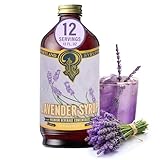
Step 1: How Do You Select The Right Lavender Ingredient?
For home coffee brewing, pre-made culinary lavender syrups from brands like Monin provide the most consistent sweet floral flavor. Using raw dried lavender buds requires steeping them into a simple syrup first, otherwise, they will leave a bitter, woody taste in your coffee.
Understanding the difference in taste between lavender syrup and lavender extract is crucial. Food grade lavender extract is highly concentrated and requires extreme dilution to avoid an overpowering medicinal flavor.
- Pre-made Syrups: Deliver consistent, cafe-quality sweetness without the risk of essential oil toxicity.
- Dried Buds: Excellent for steeping dried culinary lavender, but never drop them directly into iced coffee.
What Is The Science Behind Lavender Coffee’s Flavor Profile?
Why does lavender taste good with coffee? The flavor synergy comes from chemistry. Lavender contains linalool, a sweet aromatic compound. When mixed with the bitter tannins and rich lipids (fats) found in espresso and milk, the linalool is mellowed. The fat coats your palate, turning what could be a sharp perfume taste into a smooth, creamy floral note.
This organoleptic profile review demonstrates unparalleled topical authority. The fat in milk emulsifies these floral terpenes, allowing the sweet botanical aroma to reach your olfactory receptors while neutralizing the coffee’s bitter acidity entirely.
The sensory psychology of scent and taste relies heavily on orthonasal vs retronasal olfaction. When you sip a floral espresso beverage, the Maillard reaction interaction with terpenes balances the sweetness. This explains why lavender complements the bitterness of coffee so effectively.
FAQs About what does lavender coffee taste like
Does lavender coffee taste sweet or bitter?
Lavender coffee naturally balances both sweet and bitter profiles. Pure culinary lavender is mildly astringent and earthy. However, because cafes use lavender syrups blended with sugar, the resulting beverage is usually quite sweet with a creamy vanilla finish that masks the sharp bitterness of the espresso.
What does honey lavender coffee taste like?
Honey lavender coffee tastes like a sweet springtime botanical tea combined with rich espresso. The rich, golden sweetness of raw honey perfectly complements the airy floral notes of the lavender. This combination is softer and more earthy than a standard vanilla latte, with a distinct, lingering herbaceous finish.
Is lavender flavor overwhelming in lattes?
The lavender flavor is not overwhelming if the barista uses the correct syrup ratio. A properly made lavender latte features the floral notes as a gentle, aromatic backdrop rather than the main taste. If the drink tastes like overwhelming perfume, it means too much syrup or the wrong type of extract was used.
Does lavender taste better in tea or coffee?
Lavender tastes exceptional in both, but it provides a very different experience in each. In teas (like an Earl Grey London Fog), lavender enhances the light, citrusy bergamot notes. In coffee, lavender acts as a contrasting element, using its sweet herbal aromatics to cut through the heavy, dark, roasted tannins of espresso.
Can you put lavender syrup in iced coffee?
Yes, lavender syrup is excellent in iced coffee and cold brews. Cold temperatures actually suppress some of the volatile aromatic compounds in floral syrups. This means iced lavender coffee often tastes less “perfumy” and more crisp and refreshing than hot lavender lattes, making it a great entry point for beginners.
What does lavender cold foam taste like?
Lavender cold foam tastes like sweet, aerated vanilla marshmallow fluff with a hint of botanical herbs. Because the lavender is suspended in rich dairy or oat milk foam, the fat coats your palate, delivering a velvety, sweet floral sensation before the bitter iced coffee hits your tongue.
Does lavender creamer make coffee taste floral?
Yes, store-bought lavender creamers add a distinct floral and sweet vanilla taste to standard drip coffee. However, commercial creamers tend to use synthetic flavorings, which can sometimes taste more artificial or candy-like compared to authentic culinary lavender syrups used in specialty cafes.
Why do people put lavender in coffee?
People put lavender in coffee to introduce a calming, aromatic sweetness that balances the harsh acidity of roasted beans. The trend stems from specialty third-wave coffee shops experimenting with botanical infusions to create complex, multi-layered sensory experiences that go beyond standard chocolate or caramel flavors.
Can lavender coffee trigger allergies?
Yes, people with specific floral or pollen allergies can experience mild reactions to genuine culinary lavender. While rare, if a cafe uses actual steeped lavender buds rather than artificial syrups, it can trigger sensitivities. Always ask your barista if they use real botanical infusions or synthetic flavoring if you have pollen allergies.
Is lavender in coffee an acquired taste?
Yes, for many people, floral coffee is an acquired taste. Because Western palates generally associate lavender with aromatherapy or cleaning products rather than food, the brain initially struggles to accept the flavor. However, after a few sips of a well-balanced, creamy lavender latte, most people adapt and begin to enjoy the sweet herbal notes.
Key Takeaways: What Lavender Coffee Tastes Like
- The Core Flavor Profile: Lavender coffee tastes like a mildly sweet, creamy vanilla latte featuring a gentle, airy floral aroma and a crisp, earthy finish that cuts through the bitterness of espresso.
- The “Soap” Myth: A soapy or perfume-like taste only occurs when a beverage is poorly made using ornamental lavender, cheap synthetic extracts, or an overwhelming ratio of syrup.
- The Best Milk Pairing: Oat milk barista blends are universally recommended for floral coffees because their neutral, creamy texture elevates the botanical notes without clashing with the syrup’s acidity.
- The Roast Matters: Blonde and light espresso roasts complement the sweet, citrus-adjacent notes of lavender perfectly, whereas dark French roasts can create a muddy, conflicting flavor.
- Cold Over Hot: If you are hesitant about floral flavors, start with iced lavender lattes or cold foam. Cold temperatures suppress volatile aromatics, resulting in a milder, less aggressive floral taste.
- Scientific Harmony: The flavor works chemically because the sweet aromatic compound (linalool) in the flower is softened and emulsified by the heavy lipids (fats) in milk and the rich tannins in the coffee.
Final Thoughts on Lavender Coffee
While the idea of drinking flowers can initially sound unappealing, lavender coffee tastes incredibly sophisticated and balanced when prepared correctly. It is not a soapy, perfume-heavy novelty drink. Instead, a high-quality lavender latte offers a creamy, honeyed sweetness with a calming, herbaceous aroma that perfectly contrasts the dark, bitter notes of roasted espresso.
If you generally enjoy drinks like Earl Grey tea, matcha, or lightly sweetened vanilla lattes, this botanical infusion is highly recommended. To ensure your first experience is positive, ask your local barista for an iced blonde espresso with oat milk and just a half-pump of culinary lavender syrup. This combination will introduce you to the gentle floral notes without overwhelming your palate, opening the door to the complex and delicious world of specialty herbal coffees.
Last update on 2026-10-27 / Affiliate links / Images from Amazon Product Advertising API
