
As an Amazon Associate CoffeeXplore.com earns from qualifying purchases.
Old Fashioned Tea Cakes Recipe: Soft, Buttery & Authentic
Do you long for the comforting aroma of a true southern kitchen? Many home bakers struggle to recreate their grandmother’s lost old fashioned tea cakes recipe, often ending up with dry, crumbly disappointments.
An authentic old fashioned tea cakes recipe is a traditional Southern baked good that sits halfway between a soft cookie and a sweet biscuit. Made from scratch using pantry staples like softened butter, buttermilk, and a hint of nutmeg, they bake up with slightly crispy edges and a pillowy, tender crumb. This simple treat pairs perfectly with a warm beverage.
Drawing from comprehensive analysis of regional culinary history and kitchen-tested methodologies, this guide reveals the exact science behind the authentic method. You will discover the precise techniques needed to master this family heirloom. Prepare to bake the perfect batch that instantly sparks nostalgia.
Contents
show
How To Master The Old Fashioned Tea Cakes Recipe: A Soft, Buttery & Authentic Southern Classic
Exploring the roots of a southern tea cakes recipe means diving deep into African-American culinary traditions. As of 2026, this heritage baked good remains highly sought after, acting as a delicate hybrid defined by its soft and buttery texture and tender crumb. What sets an authentic tea cake recipe apart is the precise combination of simple ingredients. Specifically, the acidic reaction of real buttermilk interacting with baking soda tenderizes the dough, while pure vanilla extract and freshly grated nutmeg deliver that unmistakable classic southern tea cakes flavor.
Unlike modern sugar cookies that rely solely on sweetness, grandma’s tea cakes offer a balanced, rich profile. By understanding the science of gluten development and fat saturation, you can avoid the common pitfall of a tough, dry dough and achieve that perfect melt-in-your-mouth experience.
7 Essential Steps To Bake The Perfect Old Fashioned Tea Cakes Recipe
Achieving the perfect southern tea cakes recipe requires more than just mixing ingredients; it demands strict adherence to the baking process. When baking an old fashioned recipe from scratch, temperature control and precise handling dictate whether you get a moist, tender crumb or a dense, heavy disc. This easy 5 ingredient tea cakes recipe (plus leavening agents and spices) uses a specific methodology to guarantee success.
- Gather and measure ingredients precisely
- Cream the softened butter and sugar
- Whisk in room temperature eggs and buttermilk
- Sift the dry ingredients and nutmeg
- Chill the cookie dough to prevent spreading
- Roll and cut the thick-cut dough
- Bake until golden and cool on a wire rack
1. Gathering And Measuring For Authentic Southern Tea Cakes

Pin this ingredient prep guide to your ‘Southern Baking’ board!
Success begins with gathering your simple ingredients and understanding how they interact. Precise measuring and ensuring you use room temperature eggs and softened butter lays the foundation for a flawless emulsion, preventing measurement errors that lead to dryness.
Ingredients
- 1 cup unsalted butter (exactly 2 sticks, softened to room temperature)
- 1 ½ cups granulated sugar (hygroscopic properties help retain moisture)
- 2 large room temperature eggs
- ½ cup real buttermilk (the acidic reaction is crucial for a tender crumb)
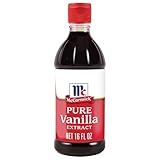
- 1 teaspoon pure vanilla extract
- 3 ½ cups all-purpose flour (measured with a digital scale or spoon-and-level method)
- 1 teaspoon baking soda
- ½ teaspoon salt
- ½ teaspoon freshly grated nutmeg
Instructions
- Remove the butter, eggs, and buttermilk from the refrigerator at least 45 minutes before baking.
- Set up your workspace on a clean countertop and measure the dry ingredients into a separate large bowl.
- Use a digital scale to weigh the flour to exactly 420 grams to prevent measurement errors that lead to dense, tough tea cakes.
What most guides miss: In my experience perfecting this family heirloom, the temperature of your ingredients dictates the emulsification of eggs and butter. If your butter is too cold, it won’t trap the air needed for the aeration of butter during creaming, resulting in flat, dense cookies.


2. Creaming The Softened Butter And Sugar

Save this crucial creaming technique to your favorite baking board!
Proper creaming of your butter + sugar is a non-negotiable step that dictates the final flavor + texture. When you thoroughly cream + butter and sugar together, you mechanically leaven the dough, guaranteeing a light, airy bite instead of a heavy biscuit.
Ingredients
- 1 cup prepared softened butter
- 1 ½ cups granulated sugar
- A high-quality heavy-duty hand mixer or stand mixer
Instructions
- Place the softened butter and granulated sugar into a deep mixing bowl.
- Begin beating on medium speed for exactly 3 to 4 minutes.
- Pause halfway through to practice scraping down the sides of the bowl with a silicone spatula to ensure even mixing.
- Stop creaming when the mixture has doubled in volume and transformed into a pale, almost white, fluffy consistency.
Expert insight: The creaming method isn’t just about combining ingredients; it is mechanical leavening. The jagged edges of the sugar crystals carve tiny air pockets into the fat, which expand in the oven. Rushing this step is a primary cause of a tough texture.

3. Whisking The Room Temperature Eggs And Buttermilk

Pin this wet ingredient step to remember the buttermilk secret!
By gently whisking the remaining wet ingredients into the batter, you create a stable emulsion. The interaction of buttermilk with eggs + vanilla is the secret to authentic southern flavor, providing a subtle tang that balances the sweetness.
Ingredients
- The creamed butter and sugar mixture
- 2 large room temperature eggs
- ½ cup authentic buttermilk
- 1 teaspoon pure vanilla extract (avoid imitation for the best rich flavor)
Instructions
- Add the first egg to the creamed mixture, whisking on low speed just until the yellow yolk disappears.
- Add the second egg, mixing gently until fully incorporated, maintaining the fluffy emulsion.
- Pour in the pure vanilla extract and the buttermilk.
- Continue beating on low until the wet ingredients form a smooth, homogenous batter (it may look slightly curdled—this is normal!).
An often-overlooked strategy: The acidic reaction of buttermilk is what sets an authentic african american tea cake recipe apart from a standard sugar cookie. The acid breaks down long gluten strands, guaranteeing that signature pillowy and soft and buttery crumb.
4. Sifting The Flour And Nutmeg Into The Dough

Don’t skip the sifting! Pin this essential dry ingredient step.
Properly sifting your flour + nutmeg ensures even distribution of the baking soda. Adding these dry ingredients to your all-purpose flour before mixing prevents unappetizing pockets of spice or leavening in the final product.
Ingredients
- 3 ½ cups all-purpose flour
- 1 teaspoon baking soda
- ½ teaspoon salt
- ½ teaspoon freshly grated nutmeg
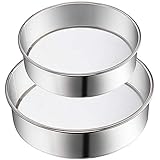
- A fine-mesh sifter or traditional crank sifter
Instructions
- Place your sifter over the bowl containing your wet batter.
- Add the all-purpose flour, baking soda, salt, and nutmeg into the sifter.
- Begin sifting the dry ingredients over the wet batter in three separate batches.
- Use a wooden spoon or silicone spatula for folding the dry mix into the wet mix gently.
- Stop mixing the exact moment the last streak of white flour disappears into the cookie dough.
Pro-Tip: When combining wet and dry ingredients, you must control gluten development. If you use an electric mixer for this step or over-stir, the proteins in the flour will form tough elastic webbings. Gentle hand-folding prevents this tough texture and maintains the cake-like consistency.
5. Chilling The Delicate Cookie Dough

Prevent flat tea cakes by pinning this chilling method!
Chilling the cookie dough is essential for temperature control and preventing the cakes from spreading too thin. If the dough feels dough too sticky at room temperature, resting it in the refrigerator firms up the fats and makes handling effortless.
Ingredients
- The completed soft tea cake biscuits dough
- Heavy-duty plastic wrap
- A stainless steel dough scraper (optional, for handling sticky dough)
Instructions
- Use a spatula or dough scraper for transferring the dough from the bowl onto a large sheet of plastic wrap.
- Shape the dough gently into a flat, round disc about 1-inch thick (this makes rolling much easier later).
- Wrap it tightly in the plastic wrap, ensuring no air is exposed to prevent dryness.
- Place in the refrigerator, chilling for an absolute minimum of 1 hour (or overnight for deeper flavor maturation).
Pro-Tip: Skipping the chill time is the number one reason tea cakes suffer from spreading too thin. Chilling solidifies the softened butter, slowing its melting rate in the oven. This allows the chemical leavening (baking soda) time to push the dough upward before it spreads outward, keeping them thick-cut and dense.

6. Rolling And Cutting The Thick-Cut Dough

Pin these rolling tips to get that perfect thick-cut Southern style!
Proper rolling and cutting on a floured surface ensures your tea cakes remain thick-cut. Using a classic cookie cutter and a sturdy rolling pin with chilled dough guarantees uniform shape without incorporating excess flour that leads to toughness.
Ingredients
- The chilled traditional southern dough disc
- Extra all-purpose flour for dusting
- A heavy wooden rolling pin
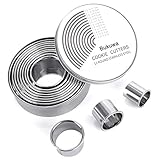
- A 3-inch round metal cookie cutter or biscuit cutter
Instructions
- Lightly prepare a clean, flat work area to create a lightly floured surface.
- Remove the dough from the fridge and let it sit for 5 minutes to soften just enough to prevent cracking.
- Begin rolling the dough out evenly until it is exactly ¼ to ½ inch thick (err on the thicker side for a moist, pillowy center).
- Dip your cookie cutter in flour and begin cutting out circles, pressing straight down without twisting.
- Gather the scraps gently, kneading them together just once, and re-roll to cut the remaining cakes.
Pro-Tip: When stamping out your classic southern tea cakes, never twist the cutter! Twisting seals the edges of the dough, which inhibits the oven spring and prevents the cakes from rising properly. Press straight down and lift straight up.
7. Baking To Golden Brown And Cooling Perfectly

Save this baking guide for perfectly golden edges every time!
The final baking and cooling phase dictates the perfect texture. Transferring them to a wire rack ensures the golden edges crisp up perfectly, while utilizing a properly preheated oven and a heavy baking sheet prevents scorched bottoms.
Ingredients
- The cut tea cake cookies
- Heavy-duty aluminum baking sheet
- Parchment paper or silicone baking mat
- A wire rack for cooling
Instructions
- Prepare by preheating your oven to 350°F (175°C) and lining a baking sheet with parchment paper.
- Place the cut dough circles onto the pan, leaving about 2 inches of space between them as they will expand slightly.
- Begin baking on the center rack for 9 to 11 minutes.
- Watch closely; pull them out when they have slightly golden edges but the centers still look pale, puffy, and slightly underdone.
- Let them sit on the hot pan for 2 minutes to set, then transfer to a wire rack for completely cooling.
Pro-Tip: To avoid dryness and overbaking, rely on visual cues rather than the clock. The maillard reaction (browning) should only happen on the very bottom edges. The cakes will continue to bake from residual heat while resting on the pan, ensuring a melt-in-your-mouth center.

Key Takeaways: Your Quick Guide to Old Fashioned Tea Cakes Recipe
Before you start measuring for your traditional tea cakes, it is immensely helpful to review the main takeaways that ensure absolute success. This quick guide condenses the most critical key points from our comprehensive old fashioned tea cakes recipe. By memorizing these non-negotiable rules regarding temperature control, leavening, and handling, you will confidently replicate that historical, melt-in-your-mouth texture every single time you step into the kitchen.
- Use Real Buttermilk and Fresh Nutmeg – The acidic reaction of buttermilk with baking soda is non-negotiable for achieving that authentic, pillowy southern texture, while nutmeg provides the heritage flavor profile.
- Master the Creaming Method – Beating your softened butter and sugar for a full 3-4 minutes provides crucial mechanical leavening, preventing a dense or tough texture.
- Weigh Your Flour to Prevent Dryness – Scooping flour straight from the bag packs it down, leading to measurement errors. Use a kitchen scale to ensure your old fashioned tea cakes recipe doesn’t become dry and crumbly.
- Don’t Over-Mix the Dough – Once the wet ingredients meet the dry ingredients, fold gently by hand. Overworking the dough causes excessive gluten development, ruining the tender crumb.
- Mandatory Chilling Time – Chilling the cookie dough for at least an hour solidifies the fats, directly solving the common problem of cakes spreading too thin in the oven.
- Never Twist the Biscuit Cutter – Pressing straight down when cutting ensures the edges remain unsealed, allowing for maximum oven spring and a thick-cut profile.
- Pull Them Out While Pale – To retain that soft and buttery center, remove the cakes from the oven when only the edges are golden; residual heat will finish the baking process on the pan.
People Also Ask About Old Fashioned Tea Cakes Recipe
Navigating the nuances of a historic recipe often brings up specific questions. Whether you are troubleshooting past baking failures, wondering about ingredient substitutions, or curious about the soul food history behind these treats, understanding the details ensures better results. Here are the most common questions and answers regarding this cherished southern classic.
How to make old fashioned tea cakes?
To make old fashioned tea cakes, cream softened butter and sugar, whisk in eggs and buttermilk, and gently fold in flour, baking soda, and nutmeg before chilling, rolling, and baking.
This traditional southern method ensures the dough retains a cake-like interior. The secret is utilizing basic pantry staples and avoiding modern over-mixing, relying instead on traditional hand-folding to maintain a tender crumb.
A tea cake bridges the gap between a sweet biscuit and a soft cookie; it is less sweet, much thicker, and softer than a standard sugar cookie.
While sugar cookies rely on high sugar-to-flour ratios for crispness, comparing tea cakes vs cookies reveals that tea cakes use less sugar and incorporate liquids like buttermilk. This results in a pillowy, dense interior that is intentionally plain but delicious, designed perfectly for dipping into a cup of tea.
Why are my tea cakes dry?
Tea cakes turn out dry primarily due to over-measuring flour, skipping the buttermilk, or overbaking the dough.
To fix this dryness, always spoon and level your flour or use a digital scale. Additionally, ensure you are not leaving them in the oven until the centers are brown. They should be pulled out when only the edges are golden, allowing the carry-over heat to finish them while keeping the inside moist.
Can I make tea cakes without buttermilk?
Yes, you can make tea cakes without buttermilk by creating a substitute: add one teaspoon of white vinegar or lemon juice to a half cup of regular whole milk and let it sit for 5 minutes.
While a good substitute for buttermilk in tea cakes works in a pinch, real buttermilk is highly recommended. The specific lactic acid in cultured buttermilk reacts optimally with baking soda, ensuring the old fashioned tea cakes recipe no buttermilk variations still achieve some lift, though they may lack the authentic depth of flavor.
Can I use self-rising flour for tea cakes?
Yes, you can use self-rising flour for tea cakes, but you must omit the baking soda and salt called for in the original recipe.
When comparing self-rising vs all-purpose flour, remember that self-rising flour already contains baking powder and salt. Grandma’s old fashioned tea cakes recipe with self rising flour is actually quite common in the South, as it was a reliable way to ensure a consistent oven spring without measuring separate leavening agents.
How do you store homemade tea cakes?
Store homemade tea cakes in an airtight container at room temperature for up to 5 days, placing a slice of sandwich bread in the container to keep them soft.
Proper storing prevents the hygroscopic properties of sugar from drying out the crumb. If you want them to last longer, you can freeze the baked cakes in freezer-safe bags for up to 3 months, thawing them at room temperature before serving with your afternoon tea.
What does nutmeg do to tea cakes?
Nutmeg provides the signature, nostalgic aroma and warm, slightly spiced flavor profile that authenticates a true Southern tea cake.
When debating nutmeg vs cinnamon, traditionalists almost exclusively use freshly grated nutmeg. It doesn’t make the cake taste spicy; instead, it offers a subtle, aromatic background note that highlights the rich flavor of the butter and vanilla, elevating the simple ingredients into a complex family favorite.
Can you freeze tea cake dough?
Yes, you can freeze tea cake dough tightly wrapped in plastic wrap and placed in an airtight freezer bag for up to 3 months.
Freezing the dough is an excellent food preservation technique for holiday baking. When you are ready for baking, let the solid dough thaw in the refrigerator overnight until it is pliable enough for rolling and cutting. Do not thaw it on the warm counter, or the butter will melt and cause the cakes to spread.
What is the origin of the southern tea cake?
The southern tea cake originated in the kitchens of enslaved African Americans who created a soulful, accessible version of the refined British tea cake using available pantry rations.
Rooted deeply in soul food history, these vintage biscuits were made with molasses or cane syrup, lard, and flour. Over generations, as ingredients like refined sugar and butter became accessible, the recipe evolved into the authentic african american tea cake recipe cherished today as a symbol of southern hospitality and maternal love.
How do I get crispy edges on tea cakes?
To get crispy edges on tea cakes, ensure your oven is fully preheated, bake them on a heavy-duty aluminum baking sheet, and do not overcrowd the pan.
The contrast of crispy + tender is achieved through the maillard reaction happening exactly where the dough meets the hot metal. Chilling the dough thoroughly before baking also helps, as the cold butter hitting the hot pan creates those coveted, slightly crunchy golden brown edges while the center remains soft and buttery.
Final Thoughts on Old Fashioned Tea Cakes Recipe
Mastering this old fashioned tea cakes recipe is about much more than simply mixing flour and sugar; it is about preserving a cherished piece of the southern kitchen. By taking the time to understand the science behind the acidic reaction of buttermilk, the importance of the creaming method, and the necessity of properly chilling your dough, you are guaranteeing a bake that honors the original, authentic method perfected over generations.
These heritage tea cakes represent the brilliant ingenuity of baking from scratch using accessible, everyday pantry staples. When you pull that pan out of the oven, yielding those perfectly pale centers with slightly crispy, golden brown edges, you aren’t just making a cookie—you are bringing a family heirloom back to life. Whether you serve them warm with a glass of milk or save them for a traditional afternoon tea tradition, their soft and buttery texture is guaranteed to spark nostalgia.
Baking is a journey of continuous learning, and armed with these expert baker tips, your kitchen is ready to produce the perfect batch. What is your favorite memory associated with grandma’s tea cakes? Let me know in the comments below how your batch turned out!
Last update on 2026-10-25 / Affiliate links / Images from Amazon Product Advertising API
