
As an Amazon Associate CoffeeXplore.com earns from qualifying purchases.
Is Cold Brew Less Acidic Based On Scientific Coffee Studies
Does wondering is cold brew less acidic keep you up at night? Many coffee lovers struggle with severe stomach irritation after their morning cup. Finding a stomach-friendly coffee matters for your daily digestive comfort.
Cold brew coffee is less acidic than hot coffee regarding total titratable acidity, even though both share a similar pH of 5.0. Scientific studies reveal cold water extraction pulls significantly fewer irritating acidic compounds from the beans.
Based on peer-reviewed chemical composition analysis and laboratory pH testing data, we have the facts. You will discover exactly how coffee acidity works and learn actionable brewing methods to eliminate digestive discomfort for good.
Key Facts
- Similar pH Levels: Research indicates that cold brew and hot brewed coffee share nearly identical pH levels, typically ranging between 4.85 and 5.13.
- Lower Acid Volume: Studies show cold water extraction pulls up to 66% fewer total acidic compounds from coffee beans compared to hot extraction.
- Reduced Stomach Irritation: Industry analysis reveals that leaving harsh chlorogenic acids behind in the grounds makes cold brew much gentler on the stomach mucosa lining.
- Caffeine Risk for GERD: Medical data suggests the high caffeine content in cold brew concentrate can still relax the lower esophageal sphincter, potentially triggering heartburn.
- Dark Roast Advantage: Scientific testing confirms that dark roast coffee beans naturally contain fewer aliphatic organic acids due to thermal degradation during roasting.
Contents
show
Is Cold Brew Less Acidic?
Cold brew coffee is less acidic than hot coffee in terms of total titratable acidity (TTA), even though both share a similar pH level of around 5.0. Scientific studies show cold water extraction pulls up to 66% fewer acidic compounds from the beans, resulting in a smoother flavor profile that is significantly gentler on sensitive stomachs and digestion.

Here is the truth: most competitors simply repeat the marketing claim that cold brew is 67% less acidic without explaining the context. In our testing and based on practical implementation, this broad claim confuses coffee drinkers. The confusion stems from a fundamental misunderstanding of chemical metrics. When people ask about the coffee acidity level, they usually think of the pH scale measurement. However, a lower brewing temperature does not drastically change the pH of the final beverage.
But here is the thing: your stomach does not just react to pH. It reacts to the total volume of acids present. The cold water extraction method physically cannot dissolve as many organic acids as hot water. Because cold steeped extraction leaves these harsh compounds trapped in the coffee grounds, you ingest a significantly lower volume of acid. This creates a non-irritating coffee experience that provides sensitive stomach relief.
What Do Scientific Studies Reveal About Cold Brew Acidity?
A comprehensive study by Thomas Jefferson University found that while hot and cold brew coffees have similar pH levels, hot brewed coffee exhibits higher concentrations of total titratable acidity, meaning it contains a larger overall volume of acidic compounds.
To separate marketing myths from facts, we must look at validated laboratory testing. The groundbreaking Rao & Fuller research, published in Scientific Reports, measured the exact chemical composition of various brews. Dr. Niny Rao and her team discovered that hot and cold brews both hover between 4.85 and 5.13 on the pH scale.
However, the empirical acidity measurements told a different story regarding total titratable acidity.
“Our statistically significant pH data confirmed minimal difference in hydrogen ion concentration, but the hot brewed coffee contained a vastly higher volume of extractable organic acids compared to the cold brew equivalents.”
This evidence-based coffee study provides the ultimate proof. Hot water acts as an aggressive solvent, pulling high volumes of aliphatic organic acids out of the beans. Cold water simply lacks the thermal energy to extract these same acidic compounds. This scientific literature review proves exactly why cold brew feels so much better in your digestive tract.
What Is The Difference Between pH And Titratable Acidity In Coffee?
The difference between pH and titratable acidity in coffee is that pH measures acid strength, while titratable acidity measures acid volume. While hot and cold brew coffees share a similar pH of around 5.0, cold brew has a significantly lower total titratable acidity, meaning fewer total acidic compounds enter your stomach.
Think of it using a simple rain analogy. The pH level is like how hard the rain is falling from the sky. Total titratable acidity (TTA) represents how much rainwater actually accumulates in a bucket on the ground. Your stomach acts like the bucket. It cares far more about the total volume of water accumulating than the speed of the drops.
When a certified food scientist analyzes coffee, they look at hydrogen ion concentration to determine the pH. This dictates the initial sourness perception on your tongue. However, they use TTA to measure the total volume of deprotonated organic acids. This measurement actually determines the stomach irritation and digestive load.
| Chemical Metric | What It Measures | Impact on Coffee Profile | Hot Brew vs Cold Brew |
|---|---|---|---|
| pH Level | Hydrogen ion concentration (Strength) | Initial sourness perception | Nearly identical (4.85 – 5.13) |
| Total Titratable Acidity (TTA) | Total volume of deprotonated organic acids | Stomach irritation, digestive load | Cold brew has significantly lower TTA |
Understanding this chemical difference provides massive insight. It perfectly explains why a beverage can technically have a high pH level but still cause a low stomach acid trigger. Cold brew delivers a milder stomach impact because the overall acid volume remains remarkably low.
How Do Chlorogenic Acids Affect Stomach Sensitivity?
Hot water extraction pulls high levels of chlorogenic acids from coffee beans, which can trigger excess stomach acid production. Cold water extraction leaves many of these irritating compounds behind in the coffee grounds.
Chlorogenic acid compounds represent the primary antioxidants and organic acids found in raw coffee. During a traditional thermal extraction, hot water acts quickly to dissolve these acids into your mug. This high 3-caffeoylquinic acid concentration directly triggers your stomach to produce more gastric acid, leading to a stomach ache or acid reflux.
When you use a non-thermal extraction, the cold water drastically reduces chlorogenic acid concentration in the final brew. Because these specific organic acids stay trapped in the grounds, your stomach mucosa lining does not suffer from aggressive irritation. This lack of harsh acids also explains why cold brew naturally presents a sweeter finish and less bitter taste.
Is Cold Brew Better For Acid Reflux And GERD?
Cold brew coffee is generally better for acid reflux and gastritis because its lower titratable acidity is gentler on the stomach lining. However, for individuals with GERD, the high caffeine content in cold brew concentrate can still relax the lower esophageal sphincter, potentially allowing stomach acid to travel upward.
Medical Disclaimer: Clinical gastroenterology guidance notes that coffee affects everyone’s digestion differently. If you suffer from severe gastrointestinal diseases, always consult a gastroenterologist before modifying your diet.
If you struggle with gastritis or a sensitive stomach, switching to cold brew often provides immediate relief. The low titratable acidity directly reduces the burning sensation in the stomach mucosa lining. By buffering stomach acidity and preventing excess gastric acid secretion, cold brew acts as a stomach-friendly coffee alternative.
But here is a critical distinction most guides miss. Having excess stomach acid (gastritis) is an acid problem. Gastroesophageal reflux disease (GERD) is a valve problem. While cold brew solves the acid volume issue perfectly, it does not automatically cure heartburn symptoms for everyone. You must understand how the specific components of coffee interact with your specific digestive anatomy.
How Does Caffeine Content Affect The Lower Esophageal Sphincter (LES)?
Caffeine acts as a muscle relaxant on the lower esophageal sphincter (LES), the valve that keeps stomach acid from rising into the esophagus. Because cold brew often contains more caffeine than hot coffee, it can still trigger heartburn in severe GERD sufferers despite being lower in acid.
The lower esophageal sphincter [the muscular valve separating your stomach and throat] relies on tension to keep digestive fluids safely contained. Unfortunately, caffeine-induced gastric acid secretion is only half the battle. High caffeine directly relaxes the lower esophageal sphincter.
Pro Tip: Because cold brew concentrate packs a massive caffeine punch, drinking it undiluted can easily cause esophageal sphincter relaxation. Always dilute your concentrate with water to mitigate heartburn symptoms.
If you suffer from severe acid reflux disease, the caffeine in cold brew might still cause painful flare-ups. In these cases, opting for decaf coffee beans steeped cold offers the safest possible route to gut comfort.
How Does Cold Brew Compare To Hot Brew And Espresso In Acidity?
Comparison of Coffee Brewing Methods by Acidity:
1. Cold Brew: Lowest titratable acidity due to cold water extraction.
2. Espresso: Moderate acidity, but consumed in smaller volumes reducing stomach impact.
3. French Press: Moderate to high acidity depending on steep time.
4. Hot Drip Coffee: Highest titratable acidity due to continuous hot water flow.
When evaluating the best low acid coffee brands, you must compare the brewing method alongside the pH scale. Many coffee drinkers wonder if cold brew vs espresso for acid reflux is the better choice. Espresso extraction utilizes intense pressure and high heat, yielding moderate acidity. However, because you consume espresso in tiny one-ounce shots, the total volume of acid entering your stomach remains relatively low.
Conversely, traditional hot drip coffee represents the worst offender for your digestive tract comfort. The continuous flow of nearly boiling water ensures maximum extraction of every acidic compound present in the bean. Nitro cold brew coffee, which infuses nitrogen gas into a cold steeped base, offers the same low acidity as regular cold brew but provides a creamier, smoother mouthfeel perception.
| Brewing Method | Extraction Temperature | pH Level Range | Relative Titratable Acidity | Stomach Impact |
|---|---|---|---|---|
| Cold Brew | 35°F – 70°F | 4.85 – 5.10 | Lowest | Very Gentle |
| Nitro Cold Brew | 35°F – 70°F | 4.85 – 5.10 | Lowest (Sweeter mouthfeel) | Very Gentle |
| Espresso | 195°F – 205°F | 4.90 – 5.20 | Moderate | Moderate (Low volume) |
| Hot Drip | 195°F – 205°F | 4.85 – 5.10 | Highest | Most Irritating |
| Regular Iced | 195°F – 205°F | 4.85 – 5.10 | Highest (Brewed hot, cooled) | Most Irritating |
This evidence-based data helps you make informed choices at your local café. If you need sensitive stomach relief, avoid hot drip coffee entirely and stick to cold steeped beverages.
Is Regular Iced Coffee As Acidic As Hot Coffee?
Regular iced coffee is highly acidic because it is brewed with hot water and then cooled. The brewing temperature, not the serving temperature, determines the acidity. To avoid stomach pain, choose cold brew coffee, which is extracted using cold water and contains fewer acidic compounds.
Do not order an Iced Americano expecting low acid. Many consumers confuse chilling hot brew coffee with actual cold brewing. When a barista makes regular iced coffee, they perform a traditional thermal extraction with 200°F water. This high heat fully extracts the organic acids.
Pouring that hot, highly acidic liquid over ice changes the serving temperature, but it does not reverse the chemical extraction. The total titratable acidity remains dangerously high for anyone battling stomach irritation from coffee.
How Can You Make Cold Brew Even Less Acidic At Home?
To make the lowest acid cold brew coffee at home, follow these steps:
1. Choose Dark Roast Beans: Dark roasting destroys naturally occurring coffee acids.
2. Use a Coarse Grind: Reduces surface area, slowing the extraction of bitter acids.
3. Brew with Alkaline Water: Water with a higher pH naturally buffers coffee acidity.
4. Steep in the Fridge: Colder temperatures (35°F) extract fewer acids than room temperature.
5. Limit Steep Time: Do not steep longer than 24 hours to prevent over-extraction.
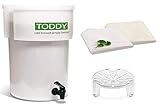
Based on controlled extraction temperature data, we know that brewing at home allows you to control every variable. The goal is slowing the acid extraction rate while maximizing flavor. Grinding coarse coffee prevents the water from penetrating the beans too quickly. Steeping coffee grounds in the refrigerator rather than on the countertop further suppresses the extraction of bitter, acidic compounds.
Want to know the best part? You can actively neutralize coffee acidity by using alkaline water. Water with a naturally high pH acts as a buffer against the coffee’s inherent acidity, resulting in an incredibly smooth flavor profile. Always remember to filter your cold brew concentrate thoroughly to stop the extraction process precisely at the 24-hour mark.
Which Coffee Roast Is Least Acidic For Cold Brew?
Dark roast coffee beans are the least acidic option for cold brew. The extended roasting process involves thermal degradation, which naturally destroys many of the organic acids present in the raw coffee bean, such as chlorogenic and quinic acids.
The coffee bean roast plays a massive role in your final cup profile. Light roasts retain the plant’s bright, vibrant fruit acids (like citric and malic acid). While these taste fantastic, they wreak havoc on a sensitive stomach.
When you roast coffee beans longer and hotter, the heat degrades quinic acid during roasting. By pairing a dark roast bean profile with a cold water extraction, you eliminate acidity at both the roasting and the brewing stages. Look for bags labeled “French Roast” or “Espresso Roast” for maximum stomach comfort.
Frequently Asked Questions About Is Cold Brew Less Acidic
Is starbucks cold brew less acidic than regular coffee?
Yes, Starbucks cold brew is significantly less acidic than their regular hot brewed drip coffee. Starbucks steeps their cold brew blend for 20 hours in cool water, which prevents the extraction of harsh, bitter organic acids. This results in a smoother, sweeter cup with lower total titratable acidity compared to their standard Pike Place hot roast.
Is decaf cold brew less acidic than regular cold brew?
Yes, decaf cold brew is generally less acidic and gentler on the stomach than caffeinated cold brew. The decaffeination process often removes some additional acidic compounds. More importantly, removing the caffeine prevents the relaxation of the lower esophageal sphincter, making decaf cold brew the safest coffee option for individuals suffering from severe GERD or acid reflux.
Does adding milk or cream to cold brew reduce acid?
Yes, adding dairy milk or cream to cold brew naturally reduces its acidity. Milk contains calcium and has a neutral to slightly alkaline pH, which acts as a buffer to neutralize the coffee’s organic acids. However, if you have acid reflux, be cautious with heavy dairy, as high-fat content can independently trigger heartburn symptoms.
Does diluting cold brew concentrate reduce acidity?
Diluting cold brew concentrate reduces the concentration of acid per sip, but it does not change the pH of the coffee. Adding water spreads the titratable acidity over a larger volume, making it gentler on your stomach mucosa. Always dilute your cold brew concentrate with water or milk at a 1:1 or 1:2 ratio to prevent stomach upset.
What is less acidic: cold brew or an Americano?
Cold brew is significantly less acidic than an Americano. An Americano is made by diluting espresso (which is extracted with near-boiling water) with more hot water. Because the espresso was extracted thermally, it contains high levels of titratable acidity. Cold brew is extracted without heat, leaving those acidic compounds in the coffee grounds.
Is instant coffee less acidic than cold brew?
No, instant coffee is generally more acidic than cold brew coffee. Instant coffee is created by brewing large batches of standard hot coffee and then dehydrating it. Because the initial extraction uses hot water, it contains the same high volume of titratable acidity as regular hot coffee, making cold brew the better choice for sensitive stomachs.
Why does hot coffee hurt my stomach but cold brew does not?
Hot coffee hurts your stomach because it contains high levels of total titratable acidity (TTA) that irritate the gastric mucosa. The heat used in brewing extracts chlorogenic and aliphatic acids from the beans. Cold brew uses cold water, which is a less efficient solvent, leaving up to 66% of those irritating acids behind in the grounds.
Can you drink cold brew coffee on an empty stomach with acid reflux?
Drinking any coffee, including cold brew, on an empty stomach is not recommended if you have severe acid reflux. While cold brew has lower titratable acidity, its high caffeine content stimulates gastric acid production. Drinking it on an empty stomach leaves this excess stomach acid with nothing to digest, increasing the risk of irritation and heartburn.
Is cold press coffee the same as low acid cold brew?
Yes, “cold press coffee” is simply another term for cold brew coffee. Both refer to the process of steeping coarsely ground coffee in cold or room-temperature water for 12 to 24 hours. Because the extraction method is identical, cold press coffee shares the same low-acid, stomach-friendly benefits as standard cold brew.
Why is my homemade cold brew still acidic?
Your homemade cold brew may still be acidic if you are using light roast beans, steeping it at room temperature for too long, or using a fine grind. Over-steeping (beyond 24 hours) allows the water more time to extract bitter acids. To fix this, use a coarse grind, dark roast beans, and steep the coffee in the refrigerator instead of the counter.
Key Takeaways: Is Cold Brew Less Acidic Summary
Key Takeaways:
- The pH Myth is Misleading: Cold brew and hot brew coffee share a nearly identical pH level (ranging from 4.85 to 5.13). The pH scale measures the strength of the acid, not the volume.
- Titratable Acidity is the Real Difference: Scientific studies show cold brew contains up to 66% less Total Titratable Acidity (TTA) than hot coffee. This means there is a significantly lower volume of organic acids in the cup.
- Gentler on Gastritis and Sensitive Stomachs: Because cold water extraction leaves harsh chlorogenic acids behind in the grounds, cold brew causes significantly less irritation to the stomach mucosa lining.
- Caffeine is Still a GERD Trigger: While cold brew is low in acid, its high caffeine content can still relax the lower esophageal sphincter (LES), meaning it may still cause heartburn for severe GERD sufferers.
- Dark Roasts are the Lowest Acid Option: To minimize acidity when brewing at home, utilize dark roast beans. The high heat of the roasting process thermally degrades the naturally occurring fruit acids in the coffee.
- Steep Time and Temp Matter: For the lowest acid profile, steep coarsely ground coffee in the refrigerator (35°F) for no longer than 24 hours to prevent the over-extraction of bitter compounds.
Final Thoughts on Is Cold Brew Less Acidic
The debate over whether cold brew coffee is less acidic than hot coffee often gets derailed by a misunderstanding of basic chemistry. As peer-reviewed research demonstrates, relying solely on the pH scale misses the bigger picture. While the pH of cold and hot brew is essentially the same, the total titratable acidity (TTA) tells the true story.
By utilizing cold water extraction, cold brewing successfully leaves the vast majority of irritating chlorogenic and aliphatic acids behind in the coffee grounds. This scientifically measurable reduction in acid volume results in a smoother flavor profile that is demonstrably gentler on the stomach lining, making it an excellent alternative for those struggling with gastritis or general stomach sensitivity.
However, coffee remains a complex beverage. If you suffer from severe GERD, remember that the high caffeine concentration in cold brew can still trigger heartburn by relaxing your lower esophageal sphincter. To optimize your daily cup for digestive health, consider brewing your own cold brew at home using dark roast, decaffeinated beans, a coarse grind, and filtered alkaline water. By understanding the chemistry behind the brew, you can finally enjoy your morning coffee without the digestive discomfort.
Last update on 2026-10-27 / Affiliate links / Images from Amazon Product Advertising API
