
As an Amazon Associate CoffeeXplore.com earns from qualifying purchases.
Herbal Tea Storage Ideas: 7 Genius Hacks To Preserve Flavor
Are your expensive botanical blends suddenly tasting flat and lifeless? You are not alone in this incredibly frustrating experience. Discovering effective herbal tea storage ideas is a constant struggle for many home enthusiasts.
Herbal tea loses its flavor primarily due to exposure to oxygen, light, moisture, and heat. Because dried herbs are highly hygroscopic, they absorb ambient humidity and kitchen odors, leading to rapid degradation. Storing your loose leaf tea properly prevents this oxidative rancidity.
Drawing from comprehensive degradation studies and proven scientific storage methods, we understand exactly how herbs deteriorate. This guide reveals seven brilliant organization hacks to protect your precious collection. You will discover beautiful, space-saving solutions that lock in essential volatile oils forever.
Contents
show
Is Your Stale Tea Losing Its Magic? Herbal Tea Storage Ideas to the Rescue
Why does herbal tea lose its flavor? It happens when delicate botanical properties face their four worst enemies: light, heat, oxygen, and moisture.
Dried herbs possess a highly hygroscopic nature, meaning they actively pull dampness right out of the air. This absorbed humidity inevitably leads to oxidative rancidity, destroying the vibrant terpene preservation you expect from premium blends. Furthermore, leaving clear jars on a sunny counter causes severe photodegradation, physically breaking down the plant’s cellular structure and draining its color.
To combat this flavor loss, you must choose your vessels wisely. Let’s look at a quick material comparison:
- Glass vs Tin: Glass is beautiful but dangerous if transparent. It requires UV-protected tinting or placement inside dark cabinets. Tin is excellent for blocking light, but decorative tins must be lined with food-safe enamel to prevent metallic leaching.
- Plastic vs Bamboo: High-grade acrylic is lightweight and stackable, especially when paired with vacuum seals. Bamboo is beautiful but highly porous, meaning it will absorb the tea’s natural odors if the leaves are not sealed in secondary packaging.
What most guides miss about botanical preservation:
True herbal enthusiasts often overlook the concept of “ambient temperature impact” when designing their kitchen layouts. Even if you place your stale tea inside a perfectly airtight, opaque tin, storing that tin on a shelf directly above your oven or dishwasher will slowly bake the leaves. The gentle, recurring radiant heat from kitchen appliances causes the volatile oils within the herbs to sweat out and evaporate against the walls of the container.According to scientific storage principles, this micro-condensation completely ruins the botanical properties of the blend. To achieve genuine quality preservation, you must establish a cool dark place that maintains stable relative humidity levels year-round. This is why professional sommelier recommended pantries are always located on interior walls, far away from stoves, sinks, and sunny windows.
Where are you currently keeping your tea stash storage? If it’s above the stove, it’s time to upgrade your routine. As of October 2026, modern organization trends successfully merge DIY aesthetic goals with genuine food safety standards.
7 Genius Hacks To Preserve Flavor & Organize Your Tea Collection
Creating a visually appealing but highly functional storage system does not have to be overwhelming. You want an aesthetic setup that also guarantees rigorous quality preservation.
This means carefully selecting BPA-free, food-grade materials that actively block environmental damage. Whether you are dealing with a massive stash of individually wrapped bags or a highly curated selection of loose leaf tea, the right tea storage systems will drastically improve your morning routine. Drawing on proven methods, these seven hacks offer brilliant space saving solutions for any kitchen.
From elegant countertop displays to hidden pantry organizers, you will learn exactly how to organize, preserve, and beautifully categorize your entire collection. Let’s explore these actionable, step-by-step routines to keep those precious botanical oils perfectly intact.
1. Organize An Aesthetic Countertop DIY Tea Station

Pin this beautiful and functional tea station to your “Dream Kitchen Organization” board!
How do you build a DIY tea station? Start by dedicating a specific, safe zone on your kitchen countertop that transforms your daily brewing into a beautiful ritual.
Creating an aesthetic tea station ideas for countertop display requires grouping related items together to form an optimized micro-climate. An elegant coffee bar setup saves you time while keeping everything beautifully contained. This dedicated zone eliminates clutter and brings a sense of calm to your morning routine.
Supplies Needed
- 1 multi-tiered bamboo corner shelf or organizer rack
- 4-6 matching airtight ceramic canisters with silicone seals
- A dedicated electric gooseneck kettle for precise temperatures
- Minimalist bamboo tongs for hygienic loose leaf handling
- A small ceramic catch-all tray for resting wet spoons or strainers
Organization Steps
- Clear a corner of your kitchen countertop that is far away from the oven and out of direct window sunlight to prevent flavor loss.
- Assemble the bamboo tiered shelf and place it snugly into the designated corner.
- Decant your most frequently consumed botanical infusions into the matching opaque ceramic canisters, ensuring the silicone seal is completely flush.
- Arrange the canisters on the middle and top tiers for visual height, placing your daily go-to blends at eye level.
- Position your electric kettle and the ceramic catch-all tray on the countertop space directly in front of the shelf to create an intuitive, all-in-one brewing workflow.
Pro-Tip: As an herbalist approved hack, always leave one canister empty in your station to serve as a temporary micro-climate storage for newly dried herbs or small-batch seasonal blends before moving them to long-term pantry storage.

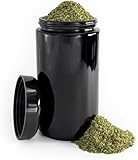
2. Categorize Loose Leaf Tea In Airtight Opaque Glass Jars

Save this brilliant preservation hack to your “Aesthetic Pantry” Pinterest board!
Why is opaque glass better for loose leaf tea? Transparent glass provides zero defense against destructive UV rays. By utilizing UV-protected amber or matte black apothecary jars, you prevent rapid photodegradation while maintaining a gorgeous aesthetic.
When optimizing loose leaf tea storage for flavor retention, the classic glass vs tin debate often arises. Tinted glass offers the structural beauty of glass-walled containers while matching the light-blocking properties of metal tins.
Supplies Needed
- 6-8 UV-protected amber, cobalt, or completely opaque glass apothecary jars
- High-quality airtight silicone gaskets or rubber clamp-down lids
- Small, food-grade desiccant packets to combat moisture
- A funnel designed for dry goods to prevent spills
- Customizable bottom labels (to keep the aesthetic clean on the front)
Organization Steps
- Wash and thoroughly dry all glass-walled jars; even a single drop of residual moisture can cause oxidative rancidity in your loose leaf tea.
- Sort your dried tisanes by category (e.g., sleep blends, energy, digestion) before decanting.
- Drop one small food-grade silica gel pack into the bottom of each jar before adding the herbs to manage relative humidity levels.
- Transfer the loose leaves using your dry goods funnel to prevent crushing the delicate botanical infusions.
- Categorize the jars on a dedicated shelf, keeping the most light-sensitive herbs towards the back of the pantry to ensure maximum freshness seal longevity.
Pro-Tip: Sommelier recommended storage dictates that if you must use clear glass for aesthetic reasons, the jars should only be kept behind closed cabinet doors, as even ambient kitchen lighting can accelerate the degradation study timeline of essential oils.
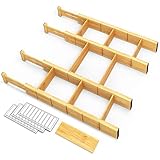
3. Arrange Kitchen Drawer Dividers For Tea Bags

Add this incredibly satisfying drawer organization to your “Home Organizing Hacks” board!
What is the best way to hide tea clutter? Repurposing a shallow kitchen drawer with adjustable bamboo dividers instantly eliminates those bulky, half-empty cardboard boxes.
This horizontal vs vertical storage method frees up massive amounts of pantry shelving. Finding effective herbal tea bag storage for drawers helps you logically arrange your collection by flavor profile. Keep in mind, this is exclusively for factory-sealed wrappers, ensuring perfect aroma retention without cross-contamination.
Supplies Needed
- 1 set of adjustable, spring-loaded bamboo drawer dividers
- A tape measure to ensure accurate drawer depth
- Individually wrapped tea bags (ditch the messy boxes!)
- A microfiber cloth and natural wood cleaner
- Optional: small clear acrylic inserts for micro-categorization
Organization Steps
- Empty your target kitchen drawer completely and wipe it down with a natural cleaner to remove any residual kitchen crumbs or strong spices that could compromise aroma retention.
- Measure the interior length of your drawer to ensure you select the correct tension size for your organizing units.
- Install the adjustable dividers vertically, spacing them exactly 2.5 to 3 inches apart (the standard width of most commercial tea envelopes).
- Unbox all your tea and recycle the cardboard packaging to instantly eliminate clutter.
- Arrange the envelopes in rows, grouping them by caffeine levels, medicinal purposes, or flavor profiles, cascading them slightly backward so you can easily identify the blends.
Pro-Tip: Never store unwrapped, paper-only tea bags directly against wooden drawer inserts. Wood is naturally porous and will absorb the essential oils of the tea, resulting in rapid flavor loss and cross-contamination between different blends.

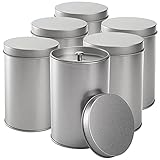
4. Label Minimalist Tin Caddies For Botanical Infusions

Repin this sleek minimalist pantry idea to your “Home Organizing Goals” board!
Are metal tins safe for herbal tea? Yes, provided they feature seamless construction and a protective, food-safe enamel coating. Metal tea canisters completely block sunlight, making them the ultimate defense against flavor deterioration.
By using a thermal label maker to uniformity label these decorative tins, you create a high-end “tea shop” aesthetic in your own home. These airtight vs breathable storage solutions ensure your sensitive botanical infusions remain perfectly vibrant.
Supplies Needed
- 10-12 identical food-grade, seamless metal tea canisters or tins
- A high-quality thermal label maker
- Water-resistant label tape (white or clear)
- A dry microfiber cloth
- Your favorite loose leaf and dried tisanes
Organization Steps
- Inspect the interior of your decorative tins to ensure they have a seamless construction and a food-safe enamel lining to prevent the herbs from acquiring a metallic taste.
- Wipe the exterior of the tins down with a dry cloth to ensure the surface is completely free of oils so your labels adhere perfectly.
- Standardize your naming convention using the label maker; print labels detailing the tea name, the date purchased, and the optimal brewing temperature.
- Transfer the tea into the tins, ensuring the double-lid or silicone rim is pressed down firmly to create a true freshness seal.
- Align the tins outward on your kitchen pantry shelves, facing all labels perfectly forward for a highly satisfying, minimalist aesthetic.
Pro-Tip: Metal tins are incredible for blocking light, but they conduct heat rapidly. Keep your tea stash storage tins far away from heat-producing appliances like dishwashers or ovens to prevent baking the volatile oil retention right out of your leaves.
5. Display A Bamboo Over-The-Door Organizer For Pantry Space

Need more pantry space? Save this over-the-door hack to your Pinterest!
How do you store tea in a small kitchen? Capitalize on unused vertical space by mounting a heavy-duty organizer directly to the back of your pantry door.
This smart display resolves limited space issues instantly while keeping your original packaging fully visible. If you are searching for brilliant pantry tea ideas, utilizing a specialized storage bin system inside an over-the-door rack frees up premium shelf real estate.
Supplies Needed
- 1 heavy-duty bamboo or coated-wire over-the-door organizers with adjustable shelves
- Felt adhesive pads to prevent door scratching
- Clear acrylic storage bin sets (to group loose items on the shelves)
- A step stool for installation
- Your entire collection of boxed teas and wrapped bags
Organization Steps
- Apply adhesive felt pads to the back of the metal hooks of the organizer to protect your pantry door from scratches and prevent banging when opening and closing.
- Mount the rack securely over the door, ensuring the hooks sit flush against the top frame so the door can close completely.
- Adjust the height of the individual baskets or shelves to accommodate the varying heights of your commercial tea boxes and receptacles.
- Group your loose, individually wrapped bags into the clear acrylic bins and place them on the lower tiers for easy grab-and-go access.
- Display your intact commercial tea boxes on the upper tiers, utilizing this space saving method to completely free up your main kitchen pantry shelves.
Pro-Tip: If your kitchen experiences high humidity, keeping tea near the floor or against an exterior door can introduce dampness. Keep your most prized herbal mixtures on the highest tiers of the organizer where the air is slightly drier and less prone to moisture fluctuations.

6. Seal DIY Mason Jars With Chalkboard Labels For A Vintage Look

Love the farmhouse aesthetic? Pin these DIY Mason Jar tea containers!
Can I use mason jars for tea? Absolutely, but you must pair them with proper hermetic sealing lids and store them strictly in the dark.
These upcycled tea storage ideas blend rustic farmhouse charm with highly practical pantry organization. By using dark chalkboard labels, you seamlessly integrate a sustainable, DIY + hacks mindset into your daily routine while keeping out unwanted pantry pests.
Supplies Needed
- Clean, sterilized glass mason jars (half-pint or pint sizes work best)
- New, two-piece metal canning lids to ensure a proper hermetic sealing
- Waterproof chalkboard labels
- A liquid chalk pen (white)
- Wide-mouth canning funnel
Organization Steps
- Clean and fully sanitize your upcycled mason jars, ensuring there are absolutely no lingering food odors from previous uses, which will instantly taint your stale tea.
- Apply the black chalkboard labels to the smooth side of the glass jars before filling them, smoothing out any air bubbles for a pristine look.
- Use the liquid chalk pen to write the names of your herbal mixtures; liquid chalk won’t smudge when touched like traditional chalk does.
- Transfer your loose leaf teas into the jars using a wide-mouth funnel, leaving about an inch of headspace at the top.
- Seal the jars tightly with the two-piece metal lids and immediately store them inside a dark cabinet or pantry, as clear glass provides zero protection against damaging UV rays.
Pro-Tip: If you love the look of clear mason jars but want to display them on an open countertop, you must take extra precautions. Use a tested hack by storing the jars away from all natural light sources, as prolonged exposure will bleach the vibrant colors and destroy the medicinal properties of your herbs in less than a month.
7. Protect Delicate Blends With Stackable Vacuum-Sealed Containers

Keep your most expensive teas ultra-fresh with this genius vacuum-seal hack! Pin it now!
What is the ultimate way to store expensive tea? Utilizing high-grade, acrylic containers equipped with push-button vacuum seals literally halts the aging process of the leaves by removing oxygen entirely.
If you want absolute quality preservation for your rare botanical harvests, you must protect them from ambient air. These stackable, vacuum-sealed units are far superior to standard zip-top bags, completely preventing oxidized leaves while delivering incredible long-term results.
Supplies Needed
- 1 set of food-grade, BPA-free stackable containers with push-button vacuum seals
- Optional: opaque inserts or dark labels to line the inside of clear containers
- A soft bristle brush for cleaning the delicate silicone seal mechanisms
- Your premium, high-dollar blooming teas or rare herbal harvests
Organization Steps
- Clean the vacuum-sealed lids very carefully using a soft brush; if even a speck of tea dust gets caught in the silicone valve, the container will lose its hermetic seal over time.
- Transfer your most delicate, expensive blends into the containers, avoiding overfilling them past the maximum fill line indicated on the acrylic.
- Engage the push-button mechanism on the lid to physically pump the oxygen out of the container, preventing oxidized leaves and preserving the intricate flavor profiles.
- Stack the modular compartments vertically in your deepest pantry cabinet to utilize vertical cabinet space efficiently.
- Rotate your stock every six months, double-checking the vacuum seals periodically to ensure maximum quality preservation.
Pro-Tip: When dealing with sustainable tea storage containers, remember that true vacuum sealing removes the ambient air, but it can also pull out the delicate aromas if you pump too aggressively. Pump just until you feel resistance to maintain optimal terpene preservation without stripping the leaves of their natural scent.

Key Takeaways: Your Quick Guide to Herbal Tea Storage Ideas
With so many conflicting options online, finding the best way to store herbal tea can feel complicated. However, preserving your botanicals always comes down to a few core scientific truths.
Understanding how to safeguard against light, heat, and humidity is the secret to guaranteed flavor retention. By implementing these proven methods, you ensure your expensive leaves remain vibrant. Review this quick checklist of essential rules before reorganizing your pantry:
- Keep It Airtight: Always store your loose leaf tea in airtight containers with silicone seals or strong clamps to prevent moisture damage and oxidative rancidity.
- Block the Light: UV light destroys the essential oils in tea; use opaque jars, decorative tins, or keep clear glass hidden inside a dark pantry to prevent photodegradation.
- Control the Climate: Store your tea stash storage in a cool dark place away from heat-producing kitchen appliances like ovens and dishwashers to maintain maximum potency.
- Ditch the Cardboard: Remove individually wrapped tea bags from their original messy boxes and utilize vertical drawer dividers or over-the-door organizers to optimize limited space.
- Avoid Wood for Loose Herbs: Never let loose leaf tea or unwrapped bags sit directly against bamboo or wooden compartments, as wood is porous and will absorb the tea’s natural aromas.
- Utilize Food-Grade Materials: Always ensure your tea canisters and metal caddies meet food safety standards to prevent metallic leaching and toxic contamination.
- Standardize Your System: Use a label maker or chalkboard stickers to uniformly categorize your collection, noting the purchase date and brewing instructions for optimal quality preservation.
FAQs About Herbal Tea Storage Ideas
When upgrading your kitchen organization, it is completely normal to have lingering questions about material safety and the scientific storage of botanicals. Understanding exactly how different elements interact with your leaves ensures your proven methods actually work.
The questions below directly address the most common concerns regarding longevity, refrigeration, and optimal container placements.
How long does herbal tea stay fresh?
Properly stored herbal tea will stay fresh and maintain peak flavor for 12 to 24 months, depending on the ingredients.
Whole leaf teas and dense roots generally last longer than crushed leaves or delicate flowers. Once this window passes, the tea won’t necessarily spoil or become dangerous to drink, but it will suffer severe flavor loss and a reduction in its medicinal botanical properties.
Should herbal tea be refrigerated?
No, herbal tea should never be refrigerated or frozen because the fluctuating temperatures cause condensation.
Dried herbs have a highly hygroscopic nature, meaning they actively pull moisture from the air. Storing tea in the fridge introduces dampness and rapidly accelerates the breakdown of the leaves, leading to mold growth and completely ruining your tea collection organization.
Can herbal tea be stored in glass jars?
Yes, herbal tea can be stored in glass jars, provided they are airtight and kept completely away from natural light.
If you use clear mason jars or apothecary glass, you must store them inside a dark cabinet. For countertop display, always opt for UV-protected, tinted amber glass or completely opaque vessels to prevent the light from destroying the tea’s essential oils.
Does tea go bad if not airtight?
Yes, tea left in non-airtight containers will rapidly oxidize, absorb ambient kitchen moisture, and take on the odors of nearby foods.
Without a true freshness seal, the delicate terpene profile of the herbs evaporates into the air, leaving you with dull, stale tea. Always transfer your herbs to a container with a silicone gasket or vacuum seal.
Where to store tea bags in kitchen?
The best place to store tea bags in the kitchen is inside a cool, dry pantry or in dedicated drawer dividers away from the stove.
You want to avoid cabinets directly above the oven, dishwasher, or coffee maker, as the ambient heat and steam will penetrate the wrappers and compromise the quality preservation of the herbs inside.
What is the best container for loose tea?
The best container for loose tea is an airtight, opaque, food-grade tin or a vacuum-sealed dark glass jar.
These materials provide the ultimate defense against the “tea killers”: light, oxygen, and moisture. Airtight containers made of seamless metal or high-density ceramic ensure your loose leaf tea retains its complex aroma and flavor profile for years.
How to organize tea by caffeine level?
Organize your tea by keeping caffeine-free herbal tisanes on separate shelves or in distinct, color-coded zones away from caffeinated true teas.
Using a tea bag organizer or tiered bamboo shelf, place your morning high-energy blends on the top tiers and your relaxing evening chamomile or peppermint blends on the bottom, utilizing clear labels to prevent mix-ups.
Can you store different teas together?
You should never store strongly flavored teas in the exact same airtight container as delicate blends, as the odors will cross-contaminate.
However, you can successfully organize different individually wrapped tea bags in the same drawer dividers or storage box, provided the wrappers are fully sealed to lock the specific essential oils inside.
How to prevent mold in tea storage?
To prevent mold, ensure your tea is kept in a dry environment, use food-grade desiccant packets, and never use a wet spoon to scoop leaves.
Moisture is the primary cause of mold. When utilizing kitchen tea storage, keep containers tightly sealed, wipe out jars thoroughly before refilling, and ensure your hands and brewing tools are bone-dry before touching the herbs.
How to store homemade herbal blends?
Store homemade herbal blends in airtight glass or tin caddies only after ensuring the harvested herbs are 100% completely dried.
Even a trace amount of residual moisture in a DIY blend will cause the entire batch to rot. Once fully dehydrated, label the botanical infusions with the date of creation and store them in a cool dark place to maintain their medicinal integrity.
Final Thoughts on Herbal Tea Storage Ideas
Transforming your messy cabinets with these herbal tea storage ideas is about so much more than just achieving a Pinterest-perfect kitchen aesthetic. It is a fundamental step in honoring the delicate nature of the botanicals you consume.
When you take the time to properly protect your loose leaf tea and individually wrapped bags from the destructive forces of light, heat, and moisture, you are actively investing in the quality of your daily wellness rituals. Properly managing your tea stash storage ensures that every brew delivers maximum health benefits.
Whether you decide to build a dedicated DIY tea station on your countertop or utilize space-saving drawer dividers to hide the clutter, the golden rules remain the same: keep it airtight, keep it dark, and keep it cool. By pairing these proven scientific storage methods with beautiful, minimalist storage modules, you maintain the integrity of your collection flawlessly.
Stop settling for oxidized, stale tea buried in the back of your pantry. Pick the storage system that best fits your space, gather your airtight containers, and start categorizing your collection today.
Which of these tea organization ideas are you going to implement in your kitchen first? Are you leaning toward the vintage charm of chalkboard mason jars, or the sleek efficiency of acrylic vacuum seals? Let us know in the comments below!
Last update on 2026-10-23 / Affiliate links / Images from Amazon Product Advertising API
