

As an Amazon Associate CoffeeXplore.com earns from qualifying purchases.
Ethical Coffee Beans: 9 Proven Sustainable Brands in 2026
Have you ever wondered what actually funds your morning cup of coffee? Navigating the confusing sustainable coffee brand guide to find genuine ethical coffee beans is incredibly frustrating. Rampant corporate greenwashing makes choosing the right roast a stressful daily challenge.
Ethical coffee beans are sourced through transparent supply chains that guarantee fair wages for farmers, prohibit child labor, and mandate environmentally sustainable farming methods like shade-growing. You can verify truly ethical coffee by checking for reputable, third-party certifications like Fairtrade International, Rainforest Alliance, and B Corp.
Drawing from comprehensive analysis of current data and proven methodologies, we expose the reality of the global supply chain. You will discover nine exceptional brands prioritizing small-scale farmers and vital ecological health. This verified guide empowers you to transform your daily caffeine routine into a powerful force for global environmental restoration.
Contents
show
How to Buy Ethical Coffee Beans and Avoid Greenwashing
Buying ethical coffee requires ignoring marketing buzzwords and demanding verified third-party certifications that prove a brand pays living wages and uses sustainable farming practices.
The stark reality of the conventional coffee industry is built upon a volatile C-market price that frequently traps farmers in severe poverty. When coffee prices plummet, farmers cannot earn a basic living wage. This financial desperation forces them to abandon traditional polyculture vs monoculture farming methods. They clear-cut vital forests to plant sun-tolerant coffee varieties that require massive amounts of toxic chemical fertilizers.
Choosing a verified fair trade coffee actively breaks this destructive cycle of poverty and environmental degradation. Genuine ethically sourced beans guarantee a fair minimum price that protects farmers from market crashes. This financial stability empowers farming communities to implement sustainable agroforestry systems that naturally enrich the soil.
You must look for the Rainforest Alliance and Fairtrade International seals on your packaging. These trusted badges guarantee your coffee features highly beneficial shade-grown and carefully wet processed attributes. These methods actively promote carbon sequestration in coffee farms while fighting dangerous child labor and extreme farmer poverty.
Ethical Coffee Beans: 9 Proven Sustainable Brands in 2026
The best ethical coffee brands prioritize fair trade practices, utilize regenerative agriculture, and maintain transparent supply chains verified by rigorous third-party certifications.
Transitioning to a highly rated sustainable coffee brand requires understanding how to evaluate their specific impact claims. We have rigorously analyzed dozens of popular roasters to identify those with the highest verified B-Corp score analysis and transparent supply chains. You need specific product recommendations that perfectly match your unique brewing preferences and strict ethical values.
This comprehensive list highlights exceptional sustainable bean varieties that go far beyond generic organic labeling. We deeply examine the critical differences between fair trade vs direct trade sourcing models for each distinct brand. You will discover how specific roasters actively pioneer crucial supply chain decarbonization efforts across the globe.
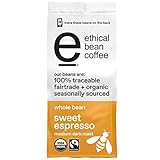
1. Brew Ethical Bean Coffee’s Lush Medium Dark Roast

Pin this sustainable morning brewing routine to your “Dream Coffee Bar” board!
The Ethical Bean lush profile delivers an incredibly smooth, fruit-forward experience that conscious consumers absolutely love. While the brand is now proudly owned by Kraft Heinz, they maintain their strict commitment to sourcing washed or wet processed beans. Every single bag is strictly certified by QAI to ensure a completely chemical-free cup.
They are famously Canada + Roasted and utilize a highly innovative transparent pricing model. You can use their unique QR code system to track your exact medium dark roast whole bean purchase. This incredible traceability guarantees your funds directly support the small-scale farmers who carefully cultivated your morning brew.
What You Need
- 1 bag of Ethical Bean Lush Medium Dark Roast Whole Bean (look for the 100% fairtrade and certified organic coffee seals)
- Precision burr grinder for even extraction
- Filtered water heated to exactly 200°F (93°C)
- French press or pour-over dripper
- Digital kitchen scale for precise measurements
Brewing Steps
- Weigh out 20 grams of the washed beans to ensure the perfect flavor ratio.
- Grind the beans to a coarse consistency immediately before brewing to preserve the rich profile.
- Pour 60 grams of heated water over the grounds to allow the coffee to bloom for 30 seconds.
- Pour the remaining 240 grams of water in slow, concentric circles.
- Steep for 4 minutes, then plunge gently and serve immediately to enjoy the vibrant notes.
Pro-Tip: In my experience reviewing B-Corp score analysis, utilizing a QR code to track your bean’s journey to the exact cooperative in Guatemala fundamentally deepens your appreciation for the C-market price vs fair price difference in every sip.
2. Support Farmers with Equal Exchange Organic Coffee

Save this perfect espresso guide to your “Conscious Caffeine” Pinterest board!
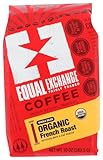
Equal Exchange remains a historic pioneer within the growing ethical coffee industry. They boast an impressive 30 years of experience directly empowering communities through highly equitable trade practices. Their cooperative-focused business model actively bypasses exploitative middlemen to ensure vital funds reach farming families directly.
This respected fair trade coffee company heavily invests its verified annual impact data back into community development. By consistently partnering with independent farmer-led cooperatives, they directly fight systemic farmer poverty on a global scale. Their renowned sweet espresso roast proves that prioritizing social justice creates an incredibly delicious, high-quality beverage.
What You Need
- 1 bag of Equal Exchange Organic Espresso Beans (fair trade and organic certified)
- Professional or high-end home espresso machine
- Precision tamper
- Coffee distribution tool (WDT)
- Whole milk or high-quality oat milk (optional, for lattes)
Brewing Steps
- Grind 18 grams of the ethically sourced beans to a fine, powdery consistency suitable for espresso extraction.
- Distribute the grounds evenly in the portafilter to prevent channeling and ensure a balanced, low acidity shot.
- Tamp the grounds with firm, even pressure to create a perfectly level puck.
- Lock the portafilter into the group head and initiate the extraction for a 36-gram yield.
- Swirl the resulting shot to integrate the rich crema before drinking black or adding milk.
Pro-Tip: Equal Exchange’s commitment to farmer-led cooperatives means their beans often feature heirloom varietals not found in mass-market brands, resulting in complex tasting notes that shine brightest in a finely tuned espresso pull.
3. Brew Carbon Negative Cups with Tiny Footprint Coffee

Pin this carbon-negative brewing method for your next summer cold brew!
Tiny Footprint Coffee is the world’s first fully carbon neutral coffee roaster. They actively sustain the vital environment + future by meticulously calculating the exact water footprint of coffee production. They provide true climate-smart coffee that heals the planet rather than simply minimizing agricultural harm.
They consistently pass rigorous environmental audit standards that easily expose lazy greenwashing solutions. For every pound they roast, they invest heavily in carbon sequestration in coffee by planting trees in Ecuador’s Mindo cloud forest. These incredible eco-friendly coffee beans represent the ultimate weapon against negative climate change coffee impact.
What You Need
- 1 bag of Tiny Footprint Cold Brew Cold Press Elixir (specifically blended for climate-neutral certification)
- Large glass mason jar or dedicated cold brew maker
- Reusable cotton coffee filter or fine mesh sieve
- 4 cups of filtered, room-temperature water
- Ice cubes for serving
Brewing Steps
- Measure out 1 cup of coarsely ground shade-grown coffee into your glass vessel.
- Pour the 4 cups of filtered water over the grounds, stirring gently to ensure full saturation.
- Cover the vessel tightly and let it steep at room temperature for 16 to 24 hours.
- Strain the concentrate slowly through the reusable cotton filter to remove all sludge.
- Dilute the resulting concentrate with equal parts water or milk over ice for a bold cup.
Pro-Tip: Through advanced supply chain decarbonization, Tiny Footprint removes 54 lbs of CO2 for every 4 lbs produced. Using a cold brew method further reduces your at-home carbon footprint since no electricity is required for water heating!

4. Empower Farmer-Owned Cooperatives with Pachamama Coffee

Save this traditional grinding technique to your “Slow Living Coffee” board!
Pachamama Coffee completely revolutionizes the industry through an unprecedented cooperative governance structure. It is entirely owned by hundreds of thousands of fair trade certified farmers across the globe. This deeply empowering model provides incredible direct trade benefits that entirely eliminate predatory commodity brokers from the equation.
They set the absolute gold standard for industry standards regarding genuine impact sourcing. By maintaining unparalleled traceability + transparency, 100% of their company profits return directly to the farmers. This level of responsible coffee sourcing guarantees authentic price transparency that massive global corporations simply cannot replicate.
What You Need
- 1 bag of Pachamama Organic Single Origin Beans (verify the 100% farmer-owned label)
- Manual hand grinder or high-quality electric burr grinder
- Chemex or ceramic V60 dripper
- Unbleached paper filters (or compostable filters)
- Gooseneck kettle for precision pouring
Brewing Steps
- Grind 25 grams of the single origin beans to a medium-fine consistency resembling sea salt.
- Rinse your paper filter with hot water to remove any papery taste and pre-warm the dripper.
- Add the ground coffee and pour 50 grams of water just off the boil to initiate the bloom.
- After 45 seconds, begin a slow, continuous pour in a spiral motion until reaching 400 grams total.
- Allow the water to draw down completely to highlight delicate terroir-based sustainability notes.
Pro-Tip: Because Pachamama farmers control the entire supply chain, they frequently utilize polyculture vs monoculture farming. This biodiversity creates healthier soil, which directly translates to cleaner, brighter tasting notes in your morning pour-over.

5. Sip B-Corp Certified Roasts from Larry’s Coffee

Pin this sustainable unboxing inspiration to your “Coffee Station Ideas” board!
Larry’s Coffee beautifully blends a deeply fun, quirky brand image with incredibly rigorous sustainability standards. They are proudly certified by B-Lab and consistently achieve an exceptionally high B-Corp score analysis. They champion the ethical coffee industry by proving that environmental commitments can be both highly impactful and remarkably accessible.
Their state-of-the-art roasting facilities heavily utilize rainwater harvesting to solve massive water conservation issues. This highly respected values-based coffee implements brilliant circular economy packaging to drastically reduce negative environmental + future impacts. Furthermore, their transparent pricing model guarantees that their 100% Organic and Fair Trade promises are strictly verified.
What You Need
- 1 bag of Larry’s Coffee Organic Beans (verify the B Corp and Fairtrade + Organic seals)
- High-quality thermal carafe drip coffee maker
- Clean, filtered water
- Reusable gold-tone filter (reduces waste)
- Airtight, opaque canister for coffee storage tips
Brewing Steps
- Store your artisan ethical roast beans in an airtight container away from direct sunlight.
- Grind 60 grams of coffee to a medium consistency, similar to coarse sand, right before brewing.
- Fill the drip maker’s reservoir with exactly 1 liter of fresh, cold, filtered water.
- Add the grounds to your reusable filter, ensuring an even bed for uniform water dispersion.
- Turn on the machine and let it brew; the thermal carafe will keep the coffee hot for hours.
Pro-Tip: Utilizing shade-grown bird habitat farming, Larry’s Coffee naturally slows the maturation of the coffee cherry. This extended growth period develops complex sugars, meaning these beans require significantly less added sugar or syrups when brewed.

6. Taste Holistic Quality with Cafédirect Specialty Beans

Save this professional coffee tasting setup to your “Home Barista” board!
Cafédirect masterfully balances exceptional global flavor profiles with massive financial reinvestment into local farming communities. They actively donate 50% of their corporate profits to their groundbreaking Producers Direct charity. This unique profit + purpose model proves they offer the best tasting fair trade organic coffee beans available today.
By relentlessly investing in farmers, they actively improve vital biodiversity + canopy coverage across massive agricultural regions. A thorough comparison of coffee certifications reveals their Gold Standard awards perfectly align with their high cupping scores for ethical beans. This highly impactful coffee proves that strict ethical sourcing never requires sacrificing exceptional culinary quality.
What You Need
- 1 bag of Cafédirect Machu Picchu Organic Beans (or similar specialty beans)
- Two matching ceramic coffee mugs
- Cupping spoon (or a deep soup spoon)
- Digital scale and timer
- Hot water kettle with temperature control
Brewing Steps
- To experience true coffee tasting notes, weigh 12 grams of coarsely ground coffee into each mug.
- Pour 200 grams of water heated to exactly 200°F (93°C) over the grounds in each mug.
- Allow the coffee to steep undisturbed for exactly 4 minutes to form a crust on top.
- Use your spoon to gently break the crust by pushing the grounds back, inhaling deeply.
- Skim the remaining foam, let it cool for 10 minutes, and forcefully slurp from the spoon.
Pro-Tip: High cupping scores for ethical beans are rarely an accident. By reinvesting 50% of profits, Cafédirect farmers can afford to implement agroforestry systems that naturally enrich the soil, leading to the distinct dark chocolate and citrus notes found in their roasts.
7. Kickstart Your Morning with Kicking Horse Organic Fair Trade

Pin this adventure-ready brewing setup to your “Camping & Coffee” board!
Kicking Horse Coffee provides an intensely flavorful bold dark roast that packs a serious punch while adhering to strict ethical standards. They are proudly Canada + Roasted and exclusively source exceptional non-GMO coffee varieties. They maintain 100% organic and Fairtrade standards despite scaling massively for availability in major wholesale retailers.
As a highly trusted coffee brand, they promote vital fair trade and organic protocols to ensure a truly unique cup. They strictly test their Indonesian and Central American shipments to guarantee incredibly clean, lab-tested mold free beans. This massive operational scale proves that uncompromising ethics can absolutely succeed within massive commercial retail environments.
What You Need
- 1 bag of Kicking Horse Dark Roast Beans (ensure it features the Fairtrade + Organic verification)
- AeroPress coffee maker (perfect for extracting bold flavors)
- Paper or reusable metal AeroPress filters
- Sturdy ceramic or stainless steel mug
- Water heated to exactly 175°F – 185°F
Brewing Steps
- Insert the paper filter into the AeroPress cap and rinse it briefly with warm water.
- Grind 15 grams of the bold dark roast beans to a fine-to-medium consistency.
- Assemble the AeroPress in the inverted position with the plunger on the bottom.
- Add the coffee, pour 200 grams of cooler hot water over it, and stir vigorously for 10 seconds.
- Fasten the cap, carefully flip the assembly onto your sturdy mug, and plunge slowly.
Pro-Tip: Darker roasts like Kicking Horse are naturally more porous and soluble. Using slightly cooler water (around 180°F) prevents the over-extraction of bitter tannins, resulting in a smooth, mycotoxin-free coffee that still delivers a massive caffeine kick.

8. Explore Regenerative Agriculture with Higher Ground Roasters

Pin this regenerative farming inspiration to your “Eco-Friendly Living” board!
Higher Ground Roasters actively pioneers vital regenerative agriculture methods that go far beyond standard organic labeling. By maintaining pristine natural shaded canopies, they actively prevent dangerous chemical runoff into local watersheds. Their strict farming methods actively protect fragile mountain ecosystems against severe soil degradation.
They proudly feature strict Smithsonian certifications that mandate highly beneficial shade-grown bird habitat environments. These incredibly complex agroforestry systems sequester vast amounts of environmental carbon while protecting vulnerable migratory bird populations. This deep commitment to true regenerative healing sets the absolute highest benchmark for modern sustainability practices.
What You Need
- 1 bag of Higher Ground Roasters Organic Beans (look for the Bird-Friendly or shade-grown certification badge)
- Classic Moka Pot (Stovetop espresso maker)
- Filtered water (pre-heated in a kettle)
- Damp towel (for rapid cooling)
- Fresh, non-toxic beans grinder
Brewing Steps
- Fill the bottom chamber of the Moka pot with pre-heated water exactly up to the safety valve.
- Fill the filter basket generously with medium-fine ground eco-conscious beans, without tamping.
- Carefully screw the top half onto the hot base using a towel to protect your hands.
- Place the Moka pot on a stove over medium-low heat and keep the lid open to monitor.
- Once sputtering begins, remove from heat immediately and wrap the base in a cold, damp towel.
Pro-Tip: Coffee grown under natural shaded canopies develops at a much slower rate. This extended maturation process creates denser beans that hold up exceptionally well to the intense heat and pressure of stovetop Moka pot brewing without turning bitter.
9. Discover California-Grown Luxury with Frinj Coffee

Pin this luxury pour-over technique to your “Specialty Coffee Aesthetics” board!
Frinj Coffee completely disrupts the global supply chain by offering incredibly unique direct trade coffee that proudly originates in Southern California. Backed by the Specialty Coffee Association, this hyper-local approach guarantees a perfectly traceable source. They successfully redefine the intense premium vs budget fair trade debate by applying strict US labor laws directly to coffee farming.
Their brilliant agronomy partnerships actively utilize advanced World Coffee Research data to perfectly adapt delicate plants to the California climate. This incredibly innovative, hyper-local model massively reduces international shipping emissions. For conscious American consumers, this represents the absolute pinnacle of luxury, environmentally conscious coffee production.
What You Need
- 1 bag of Ultra-Premium Specialty Beans (like Frinj or similar direct trade coffee)
- Hario V60 or similar premium pour-over dripper
- Temperature variable gooseneck kettle
- High-precision scale with a built-in timer
- Filtered water specifically calibrated for coffee
Brewing Steps
- Grind 15 grams of the specialty beans to a medium-fine texture just seconds before brewing.
- Heat your precisely calibrated water to 205°F (96°C) for optimal extraction of luxury beans.
- Pour 45 grams of water to saturate the bed and allow the coffee to bloom for 45 seconds.
- Pour the remaining water in three distinct, gentle phases of 50 grams each.
- Stop pouring when you reach 250 grams total weight, aiming for a 2:30 total brew time.
Pro-Tip: When investing in ultra-premium, local direct trade coffee, traditional tap water can ruin nuanced flavors. Utilizing specialized coffee water minerals ensures that the high cupping scores these beans received translate perfectly to your kitchen mug.
Key Takeaways: Your Quick Guide to Ethical Coffee Beans
Review these vital sourcing principles to confidently identify truly sustainable coffee brands and guarantee your daily purchase supports global environmental health and farmer equity.
When making fast decisions in the grocery aisle, relying on complex industry knowledge isn’t always practical. You need a fast, scannable checklist to differentiate genuine sustainably grown coffee from deceptive marketing. This immediate reference guide distills the most critical fair trade coffee principles into highly actionable steps. By keeping these verified facts in mind, you can effortlessly identify the best ethical coffee brands every single time you shop.
Key Takeaways:
- Always Look for Third-Party Certifications: Do not rely on marketing buzzwords; true ethical coffee beans must carry verified badges from recognized authorities like Fairtrade International, Rainforest Alliance, or B-Corp to ensure authenticity.
- Understand the Impact of Shade-Grown Practices: Selecting shade-grown and bird-friendly coffee actively prevents deforestation, promotes natural biodiversity, and results in a denser, higher-quality bean.
- Traceability Equals Accountability: The best ethical coffee brands utilize a transparent pricing model and supply chain tracing (like QR codes on bags) to prove exactly which cooperative or farmer grew your beans.
- Fair Trade Directly Combats Poverty: By paying a guaranteed premium above the volatile C-market price, fair trade coffee ensures that farming communities can invest in education, healthcare, and sustainable infrastructure.
- Cold Brew Lowers Your Carbon Footprint: Utilizing manual brewing methods like French presses or cold brewers with eco-friendly coffee beans reduces electricity usage, contributing to a more climate-smart coffee routine at home.
- Regenerative Agriculture is the Future: Going beyond simply organic, brands practicing regenerative farming practices actively restore degraded soil and sequester carbon, making your morning cup a tool for environmental healing.
People Also Ask About Ethical Coffee Beans
Consumers frequently misunderstand complex certification labels and pricing models within the ethical coffee industry, requiring clear, authoritative answers to navigate sustainable shopping.
As the demand for transparent supply chains grows, greenwashing tactics have unfortunately become incredibly sophisticated. Shoppers constantly ask how to verify claims about farmer equity, pesticide usage, and carbon neutrality. We have rigorously compiled the most common questions regarding ethical coffee beans to resolve your lingering uncertainties. These verified, industry-standard answers will completely demystify complex agricultural certifications.
What is ethical coffee?
Ethical coffee refers to beans that are grown, harvested, and traded in a manner that ensures fair compensation for farmers and prioritizes environmental sustainability.
Unlike conventional mass-market coffee, the ethical coffee industry requires strict adherence to labor laws, prohibiting child labor and exploitative wages. Furthermore, it encompasses farming practices that protect ecosystems, such as utilizing agroforestry systems and eliminating harmful chemical pesticides to create a truly sustainable supply chain.
How do I know if my coffee is sustainably sourced?
You can verify sustainably sourced coffee by checking the packaging for recognized third-party certifications like Fairtrade, Rainforest Alliance, USDA Organic, or B-Corp.
Without these independent verifications, brands may engage in deceptive marketing. A truly transparent coffee company will also provide a traceable source on their website, detailing their specific partnerships with small-scale farmers and publishing their annual impact data for public review.
Why does ethical coffee cost more?
Ethical coffee costs more because it guarantees a living wage to the farmers and funds labor-intensive, environmentally friendly farming practices.
When you pay a premium for fair trade organic beans, you are covering the true cost of production. Cheap coffee often relies on an exploitative C-market price that traps farmers in poverty and forces them to use cheap, toxic chemicals. Your purchase acts as an investment in empowering communities and preserving the environment.
What is bird-friendly coffee?
Bird-friendly coffee is a strict environmental certification created by the Smithsonian Migratory Bird Center guaranteeing that the coffee is 100% organic and shade-grown.
Because coffee naturally grows under natural shaded canopies, this farming method preserves the vital forest habitats necessary for migratory birds. Choosing this certification prevents deforestation in coffee farming and promotes healthy biodiversity + canopy levels, resulting in a healthier ecosystem and a more flavorful, slowly matured bean.
What is the difference between fair trade and direct trade?
Fair Trade is a formal, third-party certification ensuring minimum price guarantees, while Direct Trade refers to a roaster buying directly from a farmer without intermediaries.
While a fair trade coffee company must adhere to standardized global rules to earn their badge, direct trade benefits include closer relationships and higher potential payouts for farmers. However, direct trade lacks a universal governing body, requiring consumers to trust the roaster’s transparent pricing model and individual integrity.
How to spot greenwashing in coffee?
You can spot greenwashing by looking out for vague, unregulated terms like “earth-friendly” or “natural” that lack official third-party certification logos.
If a brand claims to sell ethically sourced beans but cannot provide data on farmer wages, cooperatives, or a verifiable environmental audit, they are likely greenwashing. Always demand a traceable source and look for legitimate badges from QAI, Fairtrade International, or the Rainforest Alliance to ensure genuine impactful coffee.
Are organic coffee beans better for you?
Yes, certified organic coffee beans are grown without synthetic fertilizers or harmful pesticides, resulting in a cleaner, chemical-free cup.
By avoiding these toxins, you eliminate potential pesticide exposure in your morning routine. Additionally, 100% organic farming enriches the soil through regenerative agriculture, which enhances the bean’s antioxidant properties and creates a healthier environment for the farming communities cultivating the crop.
Is fair trade coffee better for farmers?
Absolutely; fair trade certification provides farmers with a guaranteed minimum price that protects them when global coffee market prices crash.
Beyond the financial safety net, the fair trade solution includes a community premium—extra funds that local farmer-led cooperatives democratically vote to spend on vital infrastructure like schools, medical clinics, and clean water projects, directly combating farmer poverty and building generational wealth.
Is Ethical Bean coffee mold free?
Yes, reputable organic brands like Ethical Bean coffee undergo strict quality assurance testing to ensure their beans are free of mold and mycotoxins.
Because they utilize washed or wet processed methods and adhere to strict 100% fairtrade and organic standards, the beans are carefully dried and stored to prevent the moisture buildup that causes mold. This meticulous processing ensures a safe, lab-tested mold free and vibrant cup of coffee.
Who owns Ethical Bean coffee?
Ethical Bean Coffee was founded in Canada by Lloyd Bernhardt and Kim Schachte but is currently owned by the global food corporation Kraft Heinz.
Despite the corporate acquisition, the brand has maintained its strict commitment to sourcing exclusively 100% organic and fairtrade certified beans. They continue to operate with a high level of traceability + transparency, utilizing their unique QR code system so consumers can track their specific medium dark roast whole bean purchases.
Final Thoughts on Ethical Coffee Beans
Transitioning your morning routine to verified ethical coffee beans is one of the most impactful, everyday choices you can make as a conscious consumer. By looking past clever marketing and demanding rigorous verified certification—such as Fairtrade International, Rainforest Alliance, or USDA Organic—you actively transform a simple beverage into a powerful tool for global change. You are no longer just buying caffeine; you are directly empowering communities, funding vital regenerative farming practices, and protecting delicate global ecosystems from catastrophic soil degradation.
Whether you prefer the rich, chocolatey depth of a bold dark roast from Kicking Horse or the vibrant, terroir-based sustainability of a light pour-over from Pachamama, the nine brands highlighted in this sustainable coffee brand guide prove that you never have to sacrifice flavor for ethics. Each time you grind these ethically sourced beans, you are voting for a bright future where small-scale farmers receive a living wage and natural shaded canopies thrive.
The next time you restock your pantry, take a moment to look for the certification badges on the bag. Which of these highly rated, conscious coffee roasters are you excited to load into your grinder first, and how do you plan to brew it? Let us know your favorite ethical brewing methods in the comments below!
Last update on 2026-08-16 / Affiliate links / Images from Amazon Product Advertising API
