
As an Amazon Associate CoffeeXplore.com earns from qualifying purchases.
11 Hidden Coffee Station Ideas With Pocket Doors for 2026
Are you tired of waking up to a cluttered kitchen every morning? Finding the perfect balance between daily convenience and pristine countertops often feels impossible. Your daily brewing essentials can quickly ruin your home’s aesthetic. Discovering the right coffee station ideas pocket door design changes everything.
A pocket door coffee station is a customized built-in cabinet or alcove designed to house coffee makers, mugs, and accessories behind retracting doors. When not in use, these doors slide back completely, concealing appliances and instantly creating a clean kitchen aesthetic free of countertop clutter.
Drawing from comprehensive analysis of expert kitchen design tips, these proven methodologies elevate your daily workflow. You will discover 11 actionable concepts to integrate a hidden beverage center into your home seamlessly. Learn exactly how to transform your messy morning routine into a highly functional, minimalist sanctuary today.
Implementing a modern concealed coffee station is the ultimate strategy for achieving an uncluttered kitchen design. By utilizing smart storage solutions and heavy-duty sliding mechanisms, you can keep your daily brewing essentials fully accessible while hiding the visual mess. These functional coffee bar hidden doors seamlessly blend into your existing architecture. Whether you are tackling a full kitchen remodel or a weekend DIY project, there are numerous space-saving coffee bar solutions to fit your lifestyle. Let’s explore how to integrate these hidden appliance storage setups into different rooms. These 11 actionable concepts will guide you through the exact materials and hardware needed for a flawless execution.
Contents
show
1. Build a Kitchen Pantry Coffee Bar with Sleek Pocket Doors

Save this custom pantry integration to your dream kitchen board!
Retrofitting a large pantry space to include a hidden coffee preparation zone is a top-tier upgrade for modern homes. Focus on the architectural integration of your coffee bar into a standard pantry layout. You must select the right hardware to ensure heavy pantry doors slide back smoothly without catching. Providing technical details on weight-bearing hardware ensures a professional cabinet installation finish.
Materials & Hardware Needed
- Heavy-duty flipper door slide hardware (rated for at least 50 lbs)
- Custom cut cabinet doors matching your kitchen cabinetry
- Quartz or butcher block internal countertop insert
- Internal LED puck lights for illumination
- Integrated power strip for concealed appliance access
Step-by-Step Installation Directions
- Measure the internal width and depth of your pantry alcove to ensure a minimum clearance of 22 inches for the espresso machine.
- Install the heavy-duty pocket door slides along the interior sidewalls, ensuring they are perfectly level using a laser level.
- Attach the custom cabinet door panels to the hinge plates on the sliding mechanism.
- Mount the internal countertop surface securely to the base cabinetry brackets.
- Drill a 2-inch grommet hole in the back corner of the countertop to route electrical wires to the nearest outlet.
- Setup your coffee maker, grinder, and accessories, testing the door clearance as they slide back into the recessed pockets.
Pro-Tip: Utilizing custom joinery techniques with a European-style concealed hinge integrated into the slide prevents the door from sagging over time. This is a common issue in poorly executed appliance garage designs.


2. Design a Space-Saving Breakfast Nook Espresso Station

Pin this space-saving espresso nook idea for your next home remodel!
Maximizing limited space near a dining area for morning coffee routines does not mean sacrificing aesthetics. By addressing small kitchen space solutions, you can create a highly functional micro-station. This dedicated breakfast bar pocket door setup transforms tight vertical areas into a barista’s dream. Apply ergonomic task zone planning to ensure the espresso machine sits at the correct height for easy tamping and brewing.
Materials & Hardware Needed
- Compact espresso maker designed for tight clearances
- Heavy-duty wooden pull-out sliding shelf
- Minimalist coffee bar pocket door kit for upper cabinets
- Waterproof silicone shelf liner to catch spills
- Wall-mounted mug hooks for vertical storage
Step-by-Step Directions
- Clear out an upper cabinet adjacent to your breakfast table, removing standard fixed shelves.
- Install the sliding panel doors mechanism to the interior sides of the cabinet frame.
- Mount the heavy-duty sliding shelf mechanism to the base of the cabinet interior to allow the espresso machine to pull out for steam clearance.
- Apply the waterproof silicone liner to the sliding shelf to protect the wood from moisture and heat.
- Attach the mug hooks to the interior ceiling of the cabinet to maximize the efficient coffee bar layout.
- Place the compact espresso maker on the sliding shelf, ensuring the power cord has enough slack to accommodate the pulling motion.
Pro-Tip: To prevent steam damage to your cabinetry finish, integrating passive ventilation systems is essential. Leaving a 1-inch gap at the top of the cabinet backboard allows moisture to escape safely.

3. Install a Hidden Office Coffee Station in Built-In Cabinetry

Working from home? Save this hidden office coffee bar to your home office inspiration board!
Seamlessly incorporating a beverage station into a professional home office environment requires a discreet approach. You want to organize coffee supplies quietly alongside office materials using a concealed coffee bar concept. Focus on sophisticated interior design styles and finishing techniques. This ensures the station looks like custom office furniture rather than misplaced kitchen cabinetry.
Materials & Hardware Needed
- Precision electric gooseneck kettle (matte finish)
- Matching dark wood or painted pocket doors
- Recessed cabinet hardware for a flush finish
- Shallow acrylic organizer drawers for tea bags and coffee pods
- Small decorative tray to corral the brewing equipment
Step-by-Step Directions
- Select a section of your office built-in bookshelves that sits at standard counter height (roughly 36 inches from the floor).
- Measure and install the pocket door mechanism so the doors slide seamlessly beside the flanking bookshelves.
- Install a dedicated electrical outlet inside the cabinet space specifically for the electric kettle to avoid running cords across your desk.
- Place the decorative tray on the shelf to serve as the designated brewing zone and protect the wood from accidental water drips.
- Arrange the acrylic organizer drawers adjacent to the kettle to neatly store your coffee beans, filters, and stirrers out of sight.
- Test the pocket doors to ensure they glide smoothly without catching on the stored office supplies or coffee gear.
Pro-Tip: When integrating appliances into non-kitchen spaces, incorporating acoustic dampening design elements is incredibly helpful. Adding a felt-lined backboard will drastically reduce the noise of a grinder during your Zoom meetings.

4. Create a Modern White Oak Coffee Station with Retracting Doors

Love natural wood textures? Pin this gorgeous white oak hidden coffee bar!
Executing a trending, high-end design aesthetic using specific wood materials is a top priority for contemporary homeowners. A white oak coffee station paired with retracting doors offers a stunning organic modern design. Carefully selecting and finishing your cabinet materials guarantees a luxurious hidden coffee station look. Understanding expert kitchen design tips for handling white oak ensures your cabinetry withstands daily use.
Materials & Hardware Needed
- Custom rift-sawn white oak veneer panels for the doors
- Heavy-duty retracting doors track system
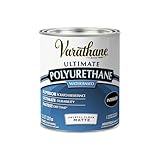
- Clear, water-based matte polyurethane finish
- Fine-grit sandpaper (220 grit)
- Sleek edge pulls in brushed brass or matte black
Step-by-Step Directions
- Lightly sand your custom white oak panels with 220-grit sandpaper, following the direction of the wood grain to ensure a flawless surface.
- Apply three thin coats of clear, water-based matte polyurethane, allowing adequate drying time and light sanding between each coat to protect the wood from coffee stains.
- Install the retracting track system according to the manufacturer’s templates, ensuring the housing cavity is perfectly square.
- Mount the edge pulls onto the leading edge of the finished doors for a modern concealed coffee station look that doesn’t disrupt the wood’s visual flow.
- Hang the finished oak doors on the tracks, adjusting the leveling screws so the reveal (the gap around the doors) is perfectly even.
- Arrange your coffee equipment on the interior counter, pairing the warm wood tones with minimalist ceramic accessories.
Pro-Tip: Utilizing zero-VOC finishes on your interior cabinetry surfaces is critical when housing heat-producing appliances. Standard varnishes can off-gas toxins when exposed to the daily steam of an espresso machine.
5. Assemble a Small Apartment Beverage Bar in an Appliance Garage

Struggling with apartment counter space? Save this appliance garage hack!
Implementing a renter-friendly, space-efficient solution that hides appliances right on your existing countertop is entirely possible. A countertop appliance cabinet functions similarly to full-scale built-ins but at a fraction of the cost. Overcoming small apartment challenges requires smart, pre-fabricated units that facilitate quick setups. Applying practical home renovation budgeting advice allows you to achieve a luxury hidden look affordably.
Materials & Hardware Needed
- Pre-fabricated countertop appliance garage unit
- Compact single-serve coffee machine
- Miniature pocket door or tambour door hardware kit
- Slimline coffee pod organizer drawer
- Cable management clips
Step-by-Step Directions
- Clean your designated countertop corner thoroughly to ensure a flat, secure base for the appliance garage.
- Assemble the pre-fabricated beverage bar unit, taking special care to align the tracks for the miniature pocket doors before tightening the cam locks.
- Route the coffee maker’s power cord through the pre-drilled backing board hole, securing it flat against the back wall using cable management clips.
- Place the slimline pod organizer drawer inside as the base layer, setting the compact coffee machine directly on top of it to utilize vertical space.
- Slide the unit flush against the backsplash, ensuring it doesn’t obstruct any under-cabinet lighting.
- Test the clearance by opening the doors and brewing a test cup to ensure steam dissipates properly out the front.
Pro-Tip: If you cannot find a pre-fab unit with pocket doors, installing a retractable cabinet fronts tambour (roll-up) door kit on a standard box cabinet achieves the identical clutter-hiding benefit without requiring side-clearance for the doors to slide into.

6. Setup a Dedicated Baking and Coffee Prep Zone

Bakers and baristas unite! Pin this dual-purpose hidden workstation.
Combining two messy, appliance-heavy kitchen activities into one easily concealable zone is brilliant for space management. Creating functional zones with a wider pocket door setup houses both your stand mixer and coffee gear securely. This layout solves multiple countertop clutter problems simultaneously while streamlining your kitchen workflow. Incorporating essential space planning fundamentals demonstrates how grouping similar tasks drastically reduces kitchen foot traffic.
Materials & Hardware Needed
- Extra-wide pocket door hardware kit (capable of 36+ inch spans)
- Heavy-duty butcher block countertop insert
- Glass coffee syrup dispenser set
- Airtight acrylic canisters for baking supplies and coffee beans
- Sturdy pull-out trash/compost bin for grounds and scraps
Step-by-Step Directions
- Map out a 36-to-48-inch wide base cabinet and upper cabinet configuration specifically designated as the utility zone.
- Install the extra-wide pocket doors, ensuring the reinforced tracks can handle the weight of larger, solid-core doors needed to cover this span.
- Mount the butcher block countertop, sealing it with food-safe mineral oil since it will be exposed to both coffee spills and baking ingredients.
- Arrange the layout ergonomically: place the heavy stand mixer and coffee grinder on the counter, utilizing the vertical space above for floating shelves.
- Transfer your syrups into the matching glass dispenser set and your dry goods into the airtight canisters, lining them up neatly on the shelves.
- Install the pull-out compost bin in the lower cabinetry directly beneath the coffee grinder to effortlessly sweep away loose grounds and flour dust.
Pro-Tip: When designing a wide utility coffee station system, integrating a dedicated 20-amp electrical circuit is essential. Running a high-powered espresso machine and a stand mixer simultaneously will easily trip a standard 15-amp kitchen breaker.

7. Integrate a DIY Sliding Door Coffee Bar into Awkward Corners

Got an awkward kitchen corner? Pin this brilliant DIY coffee station solution!
Finding a practical, hands-on project to convert dead corner space into a functional amenity is incredibly rewarding. For DIY woodworking projects, a sliding door coffee station offers the perfect geometric fix for deep, hard-to-reach corners. Transforming underutilized spaces requires a thoughtful approach to angled track installation. Trustworthy contractor advice suggests using a bypass sliding mechanism when traditional wall pockets are impossible to build.
Materials & Hardware Needed
- Bi-pass sliding door track hardware kit
- Two narrow, custom-cut door panels
- Heavy-duty corner lazy susan organizer
- Wooden pegboard for the back wall
- Drill, level, and miter saw
Step-by-Step Directions
- Measure the opening of your diagonal corner cabinet, calculating the overlap needed for a bi-pass sliding door system (where one door slides directly behind the other).
- Cut your upper and lower tracks using a miter saw to fit the exact width of the cabinet opening.
- Install the tracks, using a laser level to ensure the top and bottom align perfectly so the doors won’t jam.
- Mount the wooden pegboard to the back walls of the deep corner, creating easily accessible vertical storage for your mugs and tools.
- Install the heavy-duty lazy susan on the cabinet base, allowing you to easily rotate and access coffee pods, syrups, and sugar bowls hidden deep in the corner.
- Hang the custom door panels on the sliding tracks, adjusting the roller height for a smooth glide.
Pro-Tip: Standard pocket doors require lateral wall space to hide inside. For tight corners, using a bi-pass sliding system or a fold-away coffee bar mechanism offers the exact same clean countertop luxury without needing to build structural wall pockets.

8. Construct a Hidden Wet Bar and Coffee Station Combo

Entertain in style! Save this hidden wet bar + coffee station combo to your luxury home board.
Designing a high-end, dual-purpose entertaining zone seamlessly handles both morning coffee and evening cocktails out of sight. A wet bar with pocket doors connects directly to plumbing lines, elevating basic cabinetry into an advanced integration. Understanding the mechanical requirements of adding plumbing to a concealed coffee station is vital for luxury remodelers. Mastering plumbing basics for kitchens and moisture management demonstrates deep knowledge beyond simple decor.
Materials & Hardware Needed
- Small drop-in prep sink (15-inch width or smaller)
- High-arc bar faucet for easy carafe filling
- Water supply lines and drain pipe fittings
- Moisture-resistant cabinet base board
- Elegant pocket door solutions hardware system
Step-by-Step Directions
- Coordinate with a plumber to run a cold water supply line and a drain line to your designated cabinet space before any cabinetry is installed.
- Cut the sink template into your countertop insert, sealing the raw edges with silicone to prevent water damage from inevitable splashes.
- Install the drop-in prep sink and connect the high-arc faucet, ensuring the faucet height clears the upper cabinetry when the doors are closed.
- Treat the interior base of the cabinet with a waterproof mat or moisture-resistant sealant to protect the wood from plumbing condensation.
- Connect your high-end espresso machine directly to the water line (if applicable) to eliminate the need for daily water tank refills.
- Install the pocket doors, adding soft-close mechanisms to ensure they shut gently without rattling the glassware stored on the shelves above.
Pro-Tip: When planning a coffee station with sink vs without, be aware that building codes require a GFCI (Ground Fault Circuit Interrupter) electrical outlet if the plug is located within 6 feet of the water source to ensure safety standards are met.

9. Customize a Freestanding Cabinet with Pocket Door Mechanisms

No built-ins? No problem! Pin this freestanding hidden coffee armoire idea.
Achieving the hidden pocket-door look without undertaking a massive, permanent kitchen renovation is completely feasible. Modifying a standard piece of furniture into a freestanding coffee bar cabinet serves as a stunning focal point. This approach is the perfect solution for renters or those avoiding major construction projects. Using modern retro-fit hardware allows you to upgrade traditional hinged furniture frames effortlessly.
Materials & Hardware Needed
- Sturdy freestanding armoire or pantry cabinet
- Furniture-grade flipper/pocket door hardware kit
- Cordless drill and Forstner bits for hinge holes
- Heavy-duty shelf liner
- Battery-operated motion-sensor LED puck lights
Step-by-Step Directions
- Remove the existing standard hinges and doors from the upper section of your freestanding armoire.
- Carefully measure the interior depth of the cabinet; the pocket door slides must be at least 2 inches shorter than this depth to function correctly.
- Install the flipper door slide mechanisms to the interior side panels of the armoire, ensuring they are perfectly parallel.
- Re-attach the original doors to the new sliding hinges, adjusting the tension so the doors don’t sag when pulled outward.
- Drill a discreet hole in the back panel of the armoire to feed the power cords for your coffee maker out to the wall outlet.
- Mount the battery-operated LED puck lights to the interior ceiling so the station illuminates automatically when you slide the doors open.
Pro-Tip: When debating a custom built vs prefab coffee bar, retrofitting a vintage armoire offers incredible character. However, you must ensure the furniture piece is anchored securely to the wall to prevent tipping when pulling the heavy doors in and out.

10. Plan a Concealed Dining Room Buffet Coffee Area

Elevate your dinner parties! Pin this hidden dining room buffet coffee station.
Creating a sophisticated post-dinner serving station that remains entirely out of sight during the main meal is a brilliant entertainment strategy. A dining room buffet with coffee functionality perfectly addresses the needs of designing for open concept homes. The pocket doors keep the dining area formal and clean until dessert is finally served. Integrating ambient lighting design principles transforms the dark credenza into a glowing, attractive focal point.
Materials & Hardware Needed
- Dining buffet hutch with lower cabinet space
- Base-level pocket door sliding tracks
- Rechargeable warm-white LED motion sensor lights
- Pull-out sliding shelves for easy access to heavy brewers
- Felt-lined dividers for delicate teaspoons and saucers
Step-by-Step Directions
- Clear the lower-level cabinets of your dining room buffet, opting for base-level installation so the upper counter remains clear for serving food.
- Install the sliding tracks on the floor and ceiling of the lower cabinet interior, attaching the doors to slide smoothly back into the cabinet walls.
- Install a heavy-duty pull-out drawer mechanism on the bottom shelf so you can pull the coffee urn or espresso maker out and up to counter height easily.
- Mount the warm-white rechargeable LED strips under the internal shelves to illuminate the dark lower cabinet automatically when opened.
- Line the adjacent drawers with felt dividers to securely store delicate porcelain cups, saucers, and silver spoons without scratching.
- Set up your coffee and tea selection, keeping the doors firmly closed to maintain the formal dining aesthetic until dessert time.
Pro-Tip: Utilizing recessed cabinet doors on lower-level furniture requires precise leveling. If your dining room floor is slightly uneven, use adjustable leveling feet on the cabinet base before installing the tracks, or the doors will continuously slide open on their own.

11. Transform a Mudroom into a Functional Morning Coffee Nook

Always rushing out the door? Save this brilliant mudroom coffee station idea!
Optimizing your morning routine by placing the coffee station exactly where you grab your keys streamlines the frantic morning dash. A mudroom coffee bar or laundry room coffee station thinks outside the traditional kitchen boundary. This clever repositioning facilitates a quick setup and supports a highly efficient household workflow. Applying practical home organization systems advice demonstrates how strategic placement drastically improves daily convenience.
Materials & Hardware Needed
- One tall mudroom locker or utility cabinet section
- Tall pocket door hardware kit for full-length doors
- Durable, stain-resistant shelving (laminate or sealed wood)
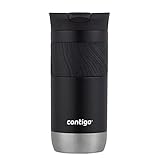
- High-quality leak-proof travel mugs
- Hanging hook rail for keys and bags nearby
Step-by-Step Directions
- Select the mudroom locker closest to the exterior door to serve as your dedicated “grab and go” morning station.
- Install the tall pocket door tracks along the interior sides of the locker, ensuring the hardware is rated for the weight of full-length doors.
- Retrofit the interior with durable, easily wipeable laminate shelving at waist height to serve as the brewing counter.
- Route an extension cord or have an electrician drop a line behind the drywall to power your drip coffee maker or pod machine inside the locker.
- Create a dedicated shelf specifically for your clean travel mugs and lids, ensuring they are always within arm’s reach while the coffee brews.
- Shut the tall pocket doors when guests arrive to instantly hide the coffee gear alongside the coats and muddy boots.
Pro-Tip: Because mudrooms experience high humidity and temperature fluctuations from exterior doors, store your fresh coffee beans in an airtight, opaque ceramic canister rather than the original bag to prevent rapid staling in your new utility cabinets.
Before embarking on your home remodel, it is completely normal to have specific questions about hardware, sizing, and spatial requirements. We compiled these common questions to help clarify the technical aspects of building a concealed coffee bar. Understanding these essential details ensures your chosen space-saving coffee bar solutions function beautifully and safely. Whether you are hiring a professional or tackling a DIY project, having the right information prevents costly mistakes.
What is the average depth of a coffee station cabinet?
The standard depth for a coffee station cabinet is between 18 and 24 inches.
This provides enough clearance to house standard coffee makers, espresso machines, and grinders while allowing the pocket doors to close completely flush in the front. If you are using oversized commercial appliances, you will need a custom 24-inch to 30-inch deep appliance cabinet to ensure adequate steam clearance.
How much does a coffee station with pocket doors cost?
A custom coffee station with pocket doors typically costs between $800 and $3,500, depending on materials and labor.
A basic DIY coffee station using an existing pantry and a $150 hardware kit is the most affordable route. However, hiring a professional for custom kitchen joinery, plumbing a sink, and using premium woods like white oak will quickly push the budget to the higher end of the spectrum.
Are pocket doors good for kitchen cabinets?
Yes, pocket doors are excellent for kitchen cabinets because they eliminate the swing clearance required by traditional hinged doors.
This space-saving design prevents bumped heads and blocked walkways when you leave the cabinet open during your morning routine. They perfectly combine the accessibility of open shelving with the clean kitchen aesthetic of closed cabinetry.
Pocket door vs bifold door for coffee bar: Which is better?
Pocket doors are generally better for coffee bars because they slide entirely out of the way into the cabinet sides.
While bifold doors fold outward and still protrude into your workspace, taking up valuable lateral space, retracting doors vanish completely. This gives you unobstructed access to your espresso machine and a much cleaner, streamlined look while in use.
How to ensure proper ventilation in a concealed coffee station?
To ensure proper ventilation, leave a 1-inch gap at the top and bottom of the cabinet backing to allow steam to escape.
Heat and moisture from coffee makers can warp wood and cause mold. For heavy use, expert kitchen design tips recommend installing a small, silent exhaust fan in the cabinet ceiling or treating the interior walls with moisture-resistant zero-VOC finishes.
The best materials for a hidden coffee station include moisture-resistant MDF for the box, rift-sawn hardwoods for the doors, and quartz or butcher block for the interior counter.
Because the inside of the cabinet will see spills, heat, and steam, avoid cheap particle board. Durable kitchen surfaces like quartz are ideal because they wipe clean instantly and resist coffee staining.
Can a coffee station have a sink and water hookup?
Yes, you can easily integrate a small prep sink and water line into your coffee station if planned early in the renovation.
Adding a sink allows you to fill the espresso machine reservoir and rinse mugs without crossing the kitchen. However, plumbing for coffee bar sink additions requires base-level cabinet space for pipes and typically requires professional installation.
What size pocket door do I need for a coffee station?
You need a pocket door size that precisely matches your cabinet opening, typically ranging from 15 to 24 inches wide per door.
The critical factor is that the cabinet interior depth must be at least 2 inches deeper than the width of the door, otherwise, the door will stick out when fully retracted. Always measure your sliding mechanism clearance before ordering panels.
How to integrate a coffee station into existing cabinetry?
To integrate a coffee station into existing cabinetry, remove the fixed shelves from a standard pantry or appliance garage, and retrofit the side walls with a flipper door hardware kit.
You can detach your current cabinet doors, attach them to the new sliding hinges, and re-install them. This home remodel hack gives you the custom hidden look without tearing out your kitchen.
What appliances fit in a small coffee station?
A small coffee station (18 inches wide) easily fits a compact single-serve brewer or slim espresso machine, a narrow burr grinder, and a milk frother.
To maximize the efficient coffee bar layout, utilize vertical space by hanging mugs on hooks and storing pods in shallow, pull-out drawers beneath the machine to keep the countertop completely clear.
Designing a modern concealed coffee station is one of the most impactful upgrades you can make to your daily routine and your home’s interior. By implementing a pocket door coffee station, you are no longer forced to choose between the convenience of having your espresso machine ready to go and the serenity of an uncluttered kitchen design. Whether you are undertaking a massive kitchen remodel and opting for a luxurious white oak coffee station integrated into your pantry, or simply retrofitting a small appliance garage in a rented apartment, the mechanics are incredibly accessible.
- Prioritize Heavy-Duty Hardware: Never skimp on the sliding tracks; investing in industry standard hardware ensures your doors won’t sag or stick after months of heavy daily use.
- Account for Steam Ventilation: Espresso machines and kettles produce moisture. You must design coffee station spaces with passive ventilation gaps or install a moisture-resistant backing to prevent wood warping.
- Measure Clearances Meticulously: Always measure your cabinet depth with the retracting doors fully pushed back inside; you lose 1-2 inches of interior space, which dictates what appliances will fit.
- Plan Utilities Early: If you want a coffee station with sink, you must run the plumbing and dedicated 20-amp electrical lines before any cabinetry is installed.
- Protect the Interior Surfaces: Use water-based polyurethane or waterproof silicone mats to protect your sleek coffee station shelving from inevitable drips and heat damage.
- Think Outside the Kitchen: Don’t limit yourself; home organization systems allow you to integrate these hidden stations into mudrooms, home offices, and dining buffets to streamline kitchen workflow.
Are you ready to reclaim your countertops and elevate your morning routine? Assess your current layout, pick the hidden design that best fits your space, and start planning your build. Which of these 11 hidden pocket door ideas are you going to pin and try first? Let me know in the comments!
Last update on 2026-10-16 / Affiliate links / Images from Amazon Product Advertising API
