
As an Amazon Associate CoffeeXplore.com earns from qualifying purchases.
The Complete Catnip Tea Recipe for Cats and Humans
Ever wondered how one herb can make your cat wildly playful but leave you feeling calm and sleepy? You’re not alone. Finding a clear and safe catnip tea recipe can be confusing, especially when you’re trying to make it for two very different species.
Catnip tea is an herbal infusion made by steeping the leaves and flowers of the catnip plant (Nepeta cataria) in hot water. While it famously causes playful excitement in many cats, it can have a mild sedative and calming effect on humans, often used to aid sleep and reduce anxiety. This dual-purpose nature makes it a uniquely versatile herb.
Drawing from comprehensive analysis and proven methodologies, this guide breaks down everything you need to know. We’ll explore the science behind its different effects, rooted in the compound nepetalactone. You’ll discover safe, easy-to-follow recipes tailored specifically for both your feline friend and for your own relaxation.
Contents
show
What is the Best Catnip Tea Recipe?
The “best” catnip tea recipe truly depends on who is drinking it. For cats, the goal is enrichment and play, while for humans, it’s typically relaxation and sleep. This difference comes down to how our bodies process nepetalactone, the active compound in the Nepeta cataria plant. In many cats, it triggers a euphoric response, but in humans, it acts as a very mild sedative. This is why it’s crucial to follow instructions tailored to the specific consumer. For human consumption, always use food grade organic catnip to ensure safety and purity, a standard that differs from many pet-grade products. This guide provides distinct, tested recipes to help you safely and effectively prepare catnip tea for yourself, your cat, or both.
7 Essential Recipes & Methods for the Perfect Catnip Tea
Diving into the world of catnip tea reveals more than just one basic method. Whether you’re aiming for a moment of calm for yourself or a burst of fun for your cat, the preparation matters. This section provides seven distinct recipes and methods, from a simple brew for your pet to a sophisticated herbal blend for sleep. We’ll cover how to steep catnip leaves perfectly, the difference between using fresh vs dried catnip, and how to create variations for every taste and purpose. Each method is designed to be a clear, step-by-step guide, ensuring you get the perfect cup every time.
1. Brew a Simple & Safe Catnip Tea for Your Cat

Pin this easy recipe to your ‘Happy Cat’ board!
This recipe is designed for maximum safety and enjoyment for your feline friend, providing a fun form of cat enrichment.
What You Need
- 1 teaspoon organic dried catnip (ensure it’s pure and intended for cats)
- 1 cup fresh, filtered water
Instructions
- Bring the water to a boil in a small saucepan or kettle.
- Place the dried catnip in a heatproof mug or bowl.
- Pour the boiling water over the catnip.
- Let it steep for 5-7 minutes. The water will turn a pale yellow-green.
- Strain the leaves out using a fine-mesh sieve.
- CRITICAL: Let the tea cool completely to room temperature. Never serve hot liquid to a cat.
- Offer 1-2 tablespoons to your cat in their favorite shallow bowl.
Pro-Tip: Not all cats react to catnip. The sensitivity is a genetic trait. If your cat doesn’t seem interested, don’t force it. You can also try a “cold brew” version (see method #4) which some cats prefer.

2. Make a Calming Catnip Tea for Humans

Save this soothing recipe for a peaceful evening!
This recipe focuses on creating a pleasant, relaxing brew for people, perfect for winding down before bed. Remember to use only food-grade catnip.
Ingredients
- 1-2 teaspoons food-grade dried catnip leaves
- 8 oz (1 cup) boiling water
- 1 teaspoon honey, or to taste
- 1 slice of fresh lemon
Instructions
- Place the food-grade catnip into a tea infuser or directly into your favorite mug.
- Pour the boiling water over the leaves.
- Cover the mug and let it steep for about 10 minutes. A longer steep time extracts more of the calming compounds.
- Remove the infuser or strain the leaves from the tea.
- Stir in honey and add a squeeze of lemon juice to taste.
- Drink warm, ideally 30-60 minutes before bedtime.
Pro-Tip: Catnip has a distinct, slightly minty, and grassy flavor. If you find it too strong, start with just 1 teaspoon of leaves or blend it with other calming herbs like chamomile or lemon balm (see method #3).

3. Blend a “Sleepy Time” Catnip Tea with Chamomile

Pin this ultimate relaxation blend to your ‘Wellness’ board!
Create a powerful herbal tea for sleep by blending catnip with other traditionally calming herbs for a synergistic effect.
Ingredients
- 1 teaspoon food-grade dried catnip
- 1 teaspoon dried chamomile flowers
- 1/2 teaspoon dried lemon balm (optional, for a citrusy note)
- 8-10 oz boiling water
- Honey to taste
Instructions
- Combine the dried catnip, chamomile, and lemon balm in a tea infuser ball or bag.
- Place the infuser in a large mug.
- Pour the boiling water over the herbal blend.
- Cover and steep for 10-15 minutes to allow the full spectrum of flavors and compounds to infuse.
- Remove the infuser. Add honey if desired.
- Enjoy this deeply calming brew while winding down for the night.
Pro-Tip: You can make a larger batch of this dry tea blend and store it in an airtight jar. This makes it quick and easy to prepare a cup whenever you need to de-stress.


4. Prepare a Gentle Cold Brew Catnip Tea

Try this cool method! Pin it for a refreshing treat for you or your cat.
Cold brew is a fantastic alternative that produces a smoother, less bitter tea. This gentler flavor is often more appealing to both picky humans and sensitive cats.
What You Need
- 1 tablespoon dried catnip (food-grade for humans, organic for cats)
- 4 cups (32 oz) cold, filtered water
- A large jar or cold brew pitcher
Instructions
- Place the dried catnip in the bottom of your jar or in the infuser core of your cold brew pitcher.
- Pour the cold, filtered water over the catnip.
- Stir gently to ensure all the leaves are submerged.
- Cover the container and place it in the refrigerator.
- Let it steep for 8-12 hours (or overnight).
- Strain the leaves out. The resulting tea will be very pale.
- Store in the fridge for up to 3 days. Serve chilled to humans or a few tablespoons at room temperature to cats.
Pro-Tip: This method is excellent for cats that turn their nose up at the stronger-smelling hot brew. For humans, it makes a wonderfully refreshing base for an iced tea.

5. Craft a Refreshing Iced Catnip Tea Cooler

Save this for a hot summer day! The perfect herbal cooler.
Transform your catnip tea into a delightful summer herbal tea perfect for daytime refreshment.
Ingredients
- 4 teaspoons food-grade dried catnip
- 2 cups boiling water
- 2 cups cold water
- Ice cubes
- Fresh mint sprigs and lime slices for garnish
Instructions
- Brew a concentrated tea by steeping the 4 teaspoons of catnip in 2 cups of boiling water for 10 minutes.
- Strain the leaves out thoroughly.
- Let the concentrated tea cool on the counter for about 30 minutes. To prevent cloudiness, avoid putting it directly into the fridge while hot.
- Pour the cooled concentrate into a pitcher.
- Add the 2 cups of cold water and stir.
- Fill glasses with ice cubes.
- Pour the iced catnip tea over the ice.
- Garnish with a sprig of fresh mint and a slice of lime.
Pro-Tip: For a naturally sweeter version, use the cold brew method (#4) and serve it over ice. Cold brewing results in a less astringent flavor that requires less (or no) added sweetener.

6. Utilize Fresh Catnip Leaves for a Vibrant Tea

Growing your own? Pin this guide for using fresh leaves!
If you have a catnip plant in your garden, this fresh catnip tea recipe offers a more delicate and vibrant flavor compared to dried.
Supplies Needed
- 1 tablespoon of fresh catnip leaves and flowers, roughly chopped (approx. 3-4 sprigs)
- 8 oz (1 cup) boiling water
- Herb scissors or a knife
Instructions
- Harvest a few sprigs of catnip from your plant. The best flavor comes from the leaves and flowers just before the plant fully blooms.
- Gently rinse the fresh catnip under cool water to remove any dirt.
- Roughly chop or tear the leaves and flowers. This helps release the essential oils. You’ll need about 1 tablespoon of chopped fresh herb per cup of water.
- Place the chopped catnip in a mug.
- Pour boiling water over the fresh leaves.
- Cover and steep for 5-7 minutes. The flavor is more delicate than dried catnip.
- Strain and enjoy.
Pro-Tip: The general rule is to use three times more fresh herb than dried. So if a recipe calls for 1 teaspoon of dried catnip, use 1 tablespoon (which is 3 teaspoons) of fresh.

7. Choose and Store Catnip for Maximum Potency

Keep your catnip fresh! Pin these essential storage tips.
The effectiveness of your tea depends heavily on the catnip potency. Learning how to select and store it correctly is key.
What You Need
- High-quality dried catnip
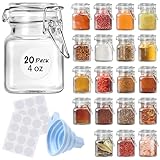
- An airtight container (glass is best)
Steps
- Choosing Quality Catnip: When buying dried catnip, look for products that are vibrant green and consist of mostly leaves and flower buds. Avoid products that look brown, dusty, or contain a lot of stems, as these are less potent. A strong, minty aroma is a good sign.
- Find an Airtight Container: The key to preserving catnip’s potency is protecting it from air, light, and moisture. A dark-colored glass jar with a tight-fitting lid is ideal.
- Store in a Cool, Dark Place: Keep the jar in a cupboard or pantry away from direct sunlight and heat sources like the stove.
- Avoid the Fridge/Freezer: While it seems like a good idea, storing catnip in the fridge or freezer can introduce moisture, which can lead to mold and degrade the essential oils.
- Check Freshness: Properly stored, dried catnip should retain its potency for about six months to a year. If it loses its strong aroma, it’s time for a fresh supply.
Pro-Tip: Buying catnip in loose-leaf form rather than pre-filled tea bags often ensures better quality and freshness. It allows you to see the color and composition of the product you’re buying.
Key Takeaways: Your Quick Guide to Catnip Tea
- Different Effects: Catnip tea is a stimulant for most cats (due to nepetalactone) but a mild sedative for humans, making it useful for entirely different purposes.
- Safety First for Cats: Always serve catnip tea to cats completely cooled to room temperature and in small amounts (1-2 tablespoons). Never add sugar, honey, or other human flavorings.
- Use Food-Grade for Humans: When making tea for yourself, ensure you use food-grade catnip. You can enhance the flavor with honey, lemon, or other herbs like chamomile.
- Dosage is Key: For humans, 1-2 teaspoons of dried herb per cup is standard. For cats, a small amount of the brewed liquid is sufficient; they should not drink a whole bowl.
- Storage Matters: To keep dried catnip potent, store it in an airtight container in a cool, dark place. Potency degrades after 6-12 months.
- Fresh vs. Dried: If using fresh catnip, use about three times the amount you would use for dried (e.g., 1 tablespoon fresh for every 1 teaspoon dried).
FAQs About cat nip tea recipe
Is catnip tea safe for cats every day?
No, it is not recommended to give your cat catnip tea every day. While generally safe, daily exposure can lessen its effects over time and may lead to overstimulation or digestive upset in some cats. Veterinarians advise offering catnip or catnip tea as an occasional treat, perhaps 1-3 times per week, to keep it special and effective for enrichment.
What does catnip tea do to a cat?
For about 70-80% of cats, catnip tea induces a state of temporary euphoria and playfulness. The active compound, nepetalactone, mimics feline pheromones, leading to behaviors like rolling, rubbing, meowing, and hyperactivity. This effect typically lasts for 5-15 minutes, after which the cat becomes temporarily immune to catnip for an hour or more.
Can humans get high from catnip tea?
No, humans cannot get high from drinking catnip tea. Unlike in cats, nepetalactone does not produce a euphoric or psychoactive effect in humans. Instead, it acts as a very mild sedative and antispasmodic. People drink it for its potential calming properties to help with sleep, anxiety, or stomach discomfort, similar to chamomile tea.
How long does it take for catnip tea to work on humans?
It typically takes about 30 to 60 minutes for the calming effects of catnip tea to be felt in humans. The onset time can vary based on individual metabolism and whether you drink it on an empty stomach. For best results when using it as a sleep aid, it’s recommended to drink a cup about an hour before you plan to go to bed.
Does catnip tea have side effects?
For cats, the main side effect is potential mild digestive upset (vomiting or diarrhea) if they ingest too much. For humans, it’s generally safe, but excessive consumption can cause headaches or digestive issues. Due to its mild uterine-stimulating properties, pregnant women should avoid drinking catnip tea. Always consult a doctor if you have health concerns.
Final Thoughts on Your Catnip Tea Journey
Brewing catnip tea is a wonderful way to connect with the surprising duality of the plant world. It serves as a powerful reminder that the same ingredient can offer completely different experiences—a playful party for your cat and a peaceful evening for you. By following these recipes and prioritizing safety, you can confidently unlock the unique benefits of this versatile herb for every member of your household. Whether you use the hot brew, cold brew, or a fresh-leaf method, embracing this simple ritual is a fantastic way to enhance well-being. Which recipe will you try first?
Last update on 2026-10-26 / Affiliate links / Images from Amazon Product Advertising API
