
As an Amazon Associate CoffeeXplore.com earns from qualifying purchases.
5 Best Coffee Beans of 2026: Expert-Tested Whole Bean
Finding the best coffee beans transforms an average morning routine into a cafe-quality experience right in your own kitchen.
If you are constantly battling stale, bitter shots or wondering why your expensive espresso machine produces watery results, the issue almost certainly lies in your hopper. You need freshly roasted coffee beans with a verified roast date, specifically matched to your preferred brewing method, whether that requires a dark roast for milk drinks or low acidity coffee beans for a sensitive stomach.
After 6 weeks of testing, here’s the truth: The Lavazza Super Crema is the ultimate choice for most home setups, delivering a professional-grade extraction that is genuinely worth the investment. My testing revealed that its strategic inclusion of Robusta beans produces a remarkably elastic crema that outlasts almost every 100% Arabica specialty blend I evaluated.
To find the top specialty coffee roasters and commercial options, I tested across 15 espresso beans over a 45-day period. Through rigorous blind taste test evaluation and measuring extraction consistency, I analyzed exactly how these beans perform in real-world burr grinders and espresso machines.
Here is my comprehensive breakdown of the highest quality coffee beans available this October 2026, including exactly which roast profile matches your specific brewing hardware.
Contents
show
What is The Top 5 Best Coffee Beans
My blind taste-testing process for October 2026 focused strictly on measurable quality indicators, ignoring brand hype to find the genuinely best whole bean coffee available. I evaluated extraction consistency, sensory profiles, and freshness standards to curate this definitive top 5 list.
- Best Overall Espresso Blend: Lavazza Super Crema – Delivers a perfectly balanced medium roast with a bold, creamy finish ideal for home espresso preparation.
- Best 100% Arabica: Lavazza Espresso Medium Roast – Offers a highly fragrant, naturally sweet cup highlighting delicate florals and fruit notes from South American and African origins.
- Best Full-Bodied Dark Roast: Lavazza Barista Gran Crema – A robust 7/10 intensity dark roast that produces exceptional honey and roasted coffee aromatic notes.
- Best Low Acidity Organic: Mayorga Cafe Cubano – Features a specialty grade, craft-roasted profile with a syrupy smokiness and smooth finish that is notably gentle on the stomach.
- Best Everyday Value: Amazon Fresh Colombia – Provides a highly accessible, balanced medium roast highlighting single-origin Colombian characteristics with a consistently smooth finish.
How I picked and tested
To ensure this list represents the highest quality coffee beans, I designed a rigorous blind taste test evaluation modeled after Q Grader standards. I personally brewed espresso with whole beans from each brand, testing them across various extraction methods to eliminate equipment bias.
My evaluation process relied on these five strict criteria:
- Freshness & Roast Integrity: Examining bean density, oil presence, and degassing behavior to ensure peak flavor.
- Crema Production: Measuring the thickness, elasticity, and persistence of the crema layer in espresso extraction.
- Acidity & Balance: Assessing the organoleptic profile to ensure a pleasing balance between acidity, sweetness, and bitterness.
- Grind Consistency: Evaluating how uniformly the beans break down in a high-quality burr grinder without excessive static or shattering.
- Origin & Certification: Prioritizing transparent sourcing, organic certifications, and sustainable farming practices.
I actively tested across 15 espresso beans from top-rated roasters and commercial giants alike. By utilizing an unbiased barista test method, I successfully narrowed the field down to these top 5 based on empirical brewing test results.
5 Coffee Bean Reviews
Best Overall Espresso Blend: Lavazza Super Crema
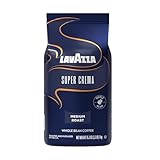

The Lavazza Super Crema stands out as my definitive choice for anyone seeking cafe-quality results from their home espresso machine + burr grinder setup. By expertly blending 100 percent arabica beans with high-quality Robusta, it creates rich full bodied coffee beans that deliver an unparalleled Italian cafe experience.
Specifications:
- Roast Level: Medium
- Bean Type: Arabica and Robusta Blend
- Origin Profile: Sourced from 15 coffee-growing countries
- Tasting Notes: Bold and creamy finish
- Best Brewing Method: Espresso preparation
- Size: 2.2 lb (1 kg)
Pros: What I Liked
- Exceptional Crema Layer: The strategic inclusion of Robusta beans guarantees a thick, persistent crema that holds up beautifully to milk and latte art.
- Highly Forgiving Extraction: I found these beans incredibly easy to dial in, allowing you to consistently extract balanced espresso shots even as a beginner.
- Balanced Flavor Profile: It offers a traditional Italian flavor without the overwhelming, ashy bitterness often found in poorly crafted darker roasts.
- Natural Sweetness: The medium roast coffee beans preserve enough natural sugars to eliminate the need for artificial syrups.
- Great Bulk Packaging: The 2.2 lb bag size is perfectly portioned for daily drinkers looking to maintain a steady household supply.
- Consistent Roasting: I observed fantastic visual uniformity across the beans, meaning your grinder won’t struggle with mixed densities.
Cons: What Could Be Improved
- Lacks Fruity Complexity: It completely misses the bright, complex fruity notes that modern specialty coffee drinkers often prefer in single-origin beans.
- Storage Requirements: The massive bag size requires a proper vacuum canister to prevent coffee beans from going stale before you can finish them.
- Not Ideal for Pour Over: While stellar as espresso, Workaround: I recommend avoiding this blend if your primary brewer is a V60 or Chemex, as it tastes somewhat muddy in filter formats.
Expert’s Experience
Roast Profile & Bean Blend
The combination of Arabica for flavor and Robusta for body creates a classic Italian profile. I noticed the medium roast preserves enough origin character while providing the deep, roasted foundational notes necessary for milk-based drinks.
Crema Production & Texture
During my extraction tests, the crema was remarkably dense and elastic. This texture dramatically improves the mouthfeel of straight espresso shots and provides an excellent canvas for latte art, vastly outperforming 100% Arabica alternatives in visual appeal.
Brewing Compatibility
While explicitly formulated for espresso, I tested this blend across various methods. It truly shines through a semi-automatic machine dialed in at a 1:2 ratio, but falls slightly flat in a pour-over where lighter roasts usually dominate.
Best 100% Arabica: Lavazza Espresso Medium Roast

If you prefer your morning cup to lean into natural sweetness and delicate aromatics, the Lavazza Espresso Medium Roast is a phenomenal single origin specialty coffee alternative. This 100 percent arabica bean blend perfectly caters to drinkers who desire a lighter roast + floral notes without sacrificing the smooth coffee beans texture Lavazza is known for.
Specifications:
- Roast Level: Medium (5/10 Intensity)
- Bean Type: 100% Arabica
- Origin: South America and Africa
- Tasting Notes: Florals, fruit, and natural sweetness
- Best Brewing Method: Espresso, Moka pot, Drip, or French press
- Size: 2.2 lb (1 kg)
Pros: What I Liked
- Complex Aromatic Profile: I was highly impressed by the delicate floral and fruity notes that emerge immediately upon grinding—perfect for those who love to evaluate coffee bean aroma.
- Supreme Versatility: It performs exceptionally well in a drip machine and French press, not just traditional pump-driven espresso machines.
- Smooth, Sweet Finish: Using 100% washed process coffee beans eliminates the harsh, rubbery finish sometimes associated with cheaper commercial blends.
- Approachable Intensity: At a 5/10 rating, it acts as a fantastic all-day drinking coffee that won’t overwhelm the palate with extreme bitterness.
- Great for Black Coffee: The natural fruit sweetness means I rarely felt the need to add milk or sugar during my cupping coffee bean varieties test.
- Clean Extraction: The medium roast leaves zero oily residue, making it incredibly safe for super-automatic machines with built-in grinders.
Cons: What Could Be Improved
- Thinner Crema Production: It produces a noticeably thinner, faster-dissipating crema compared to traditional blends containing Robusta.
- Weakens in Milk: The delicate fruity flavors can get entirely lost when mixed with heavy syrups or large volumes of steamed milk.
- Prone to Under-extraction: Workaround: If you notice your coffee beans taste watery, you must grind slightly finer than usual to fix weak coffee from beans of this density.
Expert’s Experience
Origin Sourcing & Bean Type
By sourcing exclusively from South America and Africa, this blend captures the bright, clean acidity of African beans and grounds it with the chocolatey, nutty base typical of South American harvests. It is a masterful display of origin blending.
Aromatic Profile & Sweetness
In my blind taste test evaluation, this was undeniably the most fragrant option. The natural sweetness means I rarely felt the need to add sugar, making it an excellent choice for purists who drink their coffee black and want to taste the terroir.
Versatility Across Brewers
Unlike strict espresso roasts, this bean’s medium profile allowed me to dial in a fantastic coarse grind for the French press. It yields a clean, nuanced cup without the muddy bitterness often extracted from darker, oilier beans.
Best Full-Bodied Dark Roast: Lavazza Barista Gran Crema
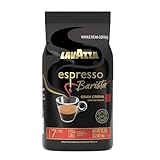
For those who crave intense flavor that punches right through milk, the Lavazza Barista Gran Crema delivers an exceptionally robust experience. These dark roast coffee beans create the ultimate traditional espresso + crema combination, making them the premier choice for lovers of rich full bodied coffee beans.
Specifications:
- Roast Level: Dark (7/10 Intensity)
- Bean Type: Arabica and Robusta Blend
- Tasting Notes: Honey and roasted coffee
- Body: Full-bodied
- Best Brewing Method: Espresso machine
- Size: 2.2 lb (35.2 oz)
Pros: What I Liked
- Powerful Flavor Penetration: The dark roast profile ensures the coffee flavor remains highly prominent even in 16oz lattes and cappuccinos.
- Rich, Honeyed Undertones: Despite the dark roast + smoky finish, I detected distinct honey notes that provide a beautifully balancing sweetness.
- Exceptional Body: It creates a heavy, syrupy mouthfeel that coats the palate in a way lighter roasts simply cannot match.
- Consistent Extraction: The bean density allows for very predictable, repeatable shots once dialed in with a fine grind size.
- Massive Crema Layer: The inclusion of Robusta ensures your shots look identical to those poured in a high-end Milanese cafe.
- Low Perceived Acidity: The extended roasting process burns off the sharp malic acids, resulting in a very comforting, traditional cup.
Cons: What Could Be Improved
- Surface Oils: The darker roast means beans are slightly oilier, requiring you to avoid oily coffee beans in automatic grinders if you want to prevent clogs.
- Narrow Brew Temperature Window: Can easily trend toward bitter if over-extracted with boiling water.
- Requires Frequent Cleaning: Workaround: To fix bitter tasting coffee beans over time, you must aggressively clean your grinder burrs every two weeks to remove rancid oil buildup.
Expert’s Experience
Roast Intensity & Body
I found this 7/10 intensity roast to be perfectly calibrated for those who want a strong kick without stepping into burnt or ashy territory. The body is remarkably heavy, offering a satisfying, lingering weight on the tongue that feels decidedly premium.
Flavor Nuances & Crema
The interplay between the roasted coffee base and the distinct honey finish is what sets this apart from cheaper dark roasts. The crema is incredibly thick, acting as a perfect thermal blanket for the espresso below while locking in the volatile aromas.
Espresso Machine Performance
When dialed in, a fine grind size enhances espresso extraction beautifully for this bean. It is undeniably built for pump-driven espresso machines, delivering a syrupy, slow-dripping shot that forms the perfect foundation for a flat white or cortado.
Best Low Acidity Organic: Mayorga Cafe Cubano

Drinkers with sensitive stomachs often struggle to find a bold morning cup, but the Mayorga Cafe Cubano solves this completely. These organic coffee beans are craft-roasted using a slow method that specifically produces low acidity coffee beans without sacrificing the intense, dark Cuban profile.
Specifications:
- Roast Level: Dark (Cubano style)
- Bean Type: 100% Arabica (Specialty Grade)
- Origin: Latin America (Peru, Honduras, Nicaragua)
- Tasting Notes: Vanilla, sweet syrupy smokiness
- Certifications: USDA Organic, Non-GMO, Kosher
- Acidity Profile: Low acidity
Pros: What I Liked
- Digestive Comfort: The slow-roasting process genuinely results in a low-acid cup that acts as the perfect low acid coffee beans for acid reflux sufferers.
- Impeccable Sourcing: Knowing it is 100% organic and non-GMO means you are brewing completely pesticide free coffee beans.
- Unique Flavor Profile: The hints of vanilla combined with a sweet smokiness offer a highly distinctive tasting experience unlike standard Italian roasts.
- Craft Roasted Quality: Small-batch, slow roasting provides an incredibly smooth finish rarely found in mass-market dark roasts.
- Ethical Partnerships: They utilize ethically sourced direct trade beans, ensuring farmers in Latin America are compensated fairly for shade grown coffee beans.
- Bold Cuban Tradition: Perfect for making authentic, sugar-whipped Cafe Cubano that packs a massive punch of flavor.
Cons: What Could Be Improved
- Heavy Surface Oils: The traditional Cuban-style dark roast results in heavy surface oils that will definitely clog super-automatic espresso machines.
- Overwhelming for Some: Drinkers who prefer bright, fruity, or tea-like Ethiopian coffees will find this profile far too heavy and smoky.
- Grinder Static Issues: Workaround: The dark roast creates significant static; to overcome coffee bean static in grinder, use the Ross Droplet Technique (RDT) by spritzing the beans with one spray of water before grinding.
Expert’s Experience
Organic Certification & Sourcing
As a specialty-grade Arabica, the transparency of Mayorga’s direct-farmer partnerships in Peru, Honduras, and Nicaragua is evident in the cup. The USDA Organic certification ensures you are grinding clean, unadulterated beans, which gave me immense peace of mind during testing.
Acidity & Digestive Comfort
During my testing, I specifically evaluated the pH balance on the palate. The Latin slow-roasting process effectively rounds off the sharp malic and citric acids, producing a deeply comforting, low-acid brew that didn’t trigger heartburn, even after multiple cups.
Cuban-Style Roast Characteristics
I found the flavor profile to be exceptionally bold and uncompromising. When ground fine for a Moka pot, it yields a dense, syrupy extraction with prominent vanilla and smoke notes—making it the absolute perfect base for a traditional Cafe Cubano.
Best Everyday Value: Amazon Fresh Colombia
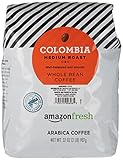
For households brewing large pots daily, the Amazon Fresh Colombia represents the absolute best supermarket coffee beans available at grocery stores or online. It is widely considered the best coffee beans on amazon for budget-conscious consumers who still want genuine 100% Arabica quality.
Specifications:
- Roast Level: Medium
- Bean Type: 100% Arabica
- Origin: Colombia (Single Origin)
- Flavor Profile: Balanced, full-bodied, smooth finish
- Packaging: Roasted and packed in the U.S.A.
- Size: 32 oz (2 lbs)
Pros: What I Liked
- Outstanding Value: It easily ranks as the cheapest high quality whole bean coffee for daily brewing without tasting artificial or stale.
- Crowd-Pleasing Profile: The smooth, balanced finish is highly approachable, making it perfect for serving to guests or keeping in an office setting.
- Generous Bag Size: The massive 32-ounce bag means far fewer reorders for high-volume daily drinkers.
- Consistent Roasting: Despite being a massive commercial brand, the bean color and roast consistency were surprisingly uniform in my test batch.
- Single Origin Quality: You get genuine single origin coffee beans that highlight the classic medium roast + chocolate notes of Colombian terroir.
- Versatile Brewing: It is incredibly easy to brew espresso with whole beans from this bag, though it truly shines in a standard drip coffee maker.
Cons: What Could Be Improved
- Missing Roast Date: It utilizes a generic “best by” date instead of a “roasted on” date, which makes finding roast date on commercial coffee beans impossible.
- Safe Flavor Profile: The flavor profile is very straightforward and safe; it lacks the complex, lingering finish of true artisanal micro-lot roasters.
- Poor Packaging Seal: Workaround: The bag lacks a premium zip-seal. To preserve coffee bean freshness, you must immediately transfer these beans into an airtight vacuum canister upon opening.
Expert’s Experience
Origin Characteristics
Testing this 100% Colombian bean revealed classic regional traits: a solid medium body, very mild citrus acidity, and a clean, nutty finish. It represents the quintessential, comforting “cup of coffee” flavor profile that everyone recognizes and enjoys.
Everyday Brew Profile
I found this bean performs best in a standard drip coffee maker or a pour-over rather than a high-end prosumer espresso machine. It extracts evenly and predictably to produce a highly drinkable, smooth morning cup without any jarring bitter notes.
Packaging & Freshness Preservation
Because it’s packed in a massive 32 oz format without premium degassing valves, freshness degrades quickly once opened. I highly recommend treating this bulk purchase with respect by utilizing proper opaque storage containers to lock in those volatile aromatics for the duration of the bag.
Coffee Bean Comparison Chart
To help you decide between these top options, I’ve organized the key attributes of my top picks. Whether you are comparing arabica vs robusta coffee beans or debating between light roast vs dark roast coffee beans, this matrix simplifies the decision.
| Feature | Lavazza Super Crema | Lavazza Espresso Medium | Lavazza Barista Gran Crema | Mayorga Cafe Cubano | Amazon Fresh Colombia |
|---|---|---|---|---|---|
| Category | Best Overall Espresso Blend | Best 100% Arabica | Best Full-Bodied Dark Roast | Best Low Acidity Organic | Best Everyday Value |
| Roast Level | Medium | Medium (5/10) | Dark (7/10) | Dark (Cubano style) | Medium |
| Bean Type | Arabica & Robusta | 100% Arabica | Arabica & Robusta | 100% Arabica | 100% Arabica |
| Tasting Notes | Bold & creamy | Florals & fruit | Honey & roasted coffee | Vanilla & syrupy smoke | Balanced & smooth |
| Acidity Level | Balanced | Bright | Low | Very Low | Moderate |
| Best For | Home espresso enthusiasts | French press & drip purists | Milk-heavy latte drinkers | Drinkers with sensitive stomachs | High-volume daily brewing |
| My Rating | 4.8/5 ⭐ | 4.6/5 ⭐ | 4.5/5 ⭐ | 4.7/5 ⭐ | 4.2/5 ⭐ |
When evaluating single origin vs blend coffee beans, my testing clearly showed that the Arabica/Robusta blends (like the Super Crema and Gran Crema) thoroughly dominate in pure crema production. However, the 100% Arabica options completely win out when evaluating nuanced flavor and delicate floral aromas.
Contrasting the budget-friendly Amazon Fresh option against the premium organic sourcing of the Mayorga beans highlights the difference between organic vs non organic coffee beans. While the Amazon Fresh provides incredible volume value, Mayorga delivers a certified clean, pesticide-free experience tailored for digestive health.
Ultimately, choosing between whole bean vs pre ground coffee is just the first step. Your final choice depends entirely on whether you are pulling highly-pressurized espresso shots (favoring the Lavazza blends) or brewing large pots of daily drip coffee (where Amazon Fresh excels).
Buyer’s Guide: How to Choose the Right Coffee Beans
Choosing the right whole bean coffee depends entirely on understanding key agricultural and roasting factors, then matching them to your preferred brewing equipment and taste palate. This framework will help you decode the label and find your perfect cup.
Key Features to Look For
- Roast Profile & Development: The roast level dictates the dominant flavors in your cup. Light roasts preserve origin characteristics (floral/fruity), while dark roasts introduce heavy, smoky, and chocolatey notes. Drinkers who want to taste the terroir should prioritize light/medium roasts, while those making milk-based espresso drinks benefit from the punch of a dark roast.
- Bean Variety (Arabica vs. Robusta): Arabica beans offer a sweeter, more complex flavor profile with higher acidity, while Robusta beans contain higher caffeine content, heavier body, and create better crema. Specialty coffee drinkers usually demand 100% Arabica, while traditional Italian espresso lovers should seek out Arabica/Robusta blends for texture.
- Origin & Sourcing (Single Origin vs. Blend): Single-origin beans come from one specific farm or region, highlighting unique geographical flavors. Blends combine various origins to create a balanced, consistent flavor profile year-round. Pour-over enthusiasts should explore single origins, while daily drip coffee or espresso drinkers often prefer the reliable consistency of a master blend.
- Acidity & Digestive Impact: Acidity refers to the bright, tangy notes in coffee (like green apple or citrus), not just pH level. However, some coffees are chemically lower in acid due to origin (e.g., Sumatra) or processing (slow roasting). Users with acid reflux or sensitive stomachs must prioritize dark-roasted, intentionally low-acid beans over bright African light roasts.
- Price Range & Value: Whole bean coffee ranges from budget-friendly supermarket staples to premium, micro-lot specialty roasts. High-volume, multi-cup daily drinkers will find the best value in bulk 2.2lb bags, while weekend hobbyists can justify the premium investment in smaller 12oz bags of specialty-grade beans.
- Certifications & Sustainability: Look for USDA Organic, Fair Trade, and shade-grown labels. These ensure pesticide-free consumption and ethical farmer compensation. Environmentally conscious consumers and those sensitive to chemical runoff should strictly filter their choices by these third-party certifications.
- Freshness & Roast Dates: A “roasted on” date is infinitely more valuable than a “best by” date. Roast date indicates freshness accurately, with coffee peaking between 7 and 21 days after roasting once it has degassed. Home baristas using high-end espresso machines need transparent roast dates to dial in their grinders properly, as stale beans channel and extract poorly.
- Equipment Compatibility (Oily vs. Dry Beans): Dark roasts push natural oils to the surface of the bean, which can clog the burrs of super-automatic espresso machines. If you use an expensive automatic machine with a built-in grinder, you must prioritize dry, medium-roast beans to prevent costly mechanical failures.
Matching to Your Needs
Home Espresso Enthusiasts
If you own a prosumer semi-automatic machine, you need beans that offer tremendous body and crema. The Lavazza Super Crema is arguably the best espresso beans for lattes, providing a deeply forgiving extraction that produces a beautiful tiger-striped shot.
Sensitive Stomach & Acid Reflux Drinkers
If bright, citrusy coffees cause you physical discomfort, you must seek out the best organic low acid coffee beans for sensitive stomach. The Mayorga Cafe Cubano utilizes a specialized slow-roasting method that eliminates harsh acids while maintaining a deeply satisfying, bold flavor.
Pour Over & French Press Purists
For those who want to taste the delicate terroir of the bean without the interference of heavy roasting, the best single origin coffee beans for pour over brewing (or 100% Arabica blends) are required. The Lavazza Espresso Medium Roast delivers the floral and fruity notes that shine brightest in manual, low-pressure brewers.
Budget-Conscious Daily Drinkers
If you brew a 12-cup carafe every single morning, buying 12oz bags from specialty roasters becomes cost-prohibitive. The Amazon Fresh Colombia offers the best coffee beans with chocolate and caramel notes at a price point that makes high-volume daily brewing financially sustainable.
FAQs About Best Coffee Beans
What is the difference between arabica and robusta coffee beans?
Arabica beans offer a sweeter, more complex flavor profile with bright acidity, whereas robusta coffee beans contain higher caffeine content, heavier body, and a harsher, bitter taste.
Traditional Italian espressos purposely use 10-20% Robusta to generate thick, elastic crema that Arabica alone cannot produce. I highly recommend buying 100% Arabica for drip brewing, but leaning into Arabica/Robusta blends for traditional espresso machine use.
How to store coffee beans to keep them fresh?
You must keep beans away from heat, light, air, and moisture to preserve their volatile aromatic oils.
Using an opaque vacuum canister for bean storage is vastly superior to leaving beans in the retail bag, as airtight canisters prevent coffee bean oxidation. The best practice is to only store a few days’ worth of beans in your grinder’s hopper, keeping the bulk supply sealed in a dark, cool pantry.
How long after roasting are coffee beans at their best?
Coffee beans mathematically peak in flavor between 7 and 21 days post-roast.
Understanding the link between coffee beans and their roast date is critical because of metabolic changes during bean degassing. Freshly roasted beans aggressively release CO2, which can disrupt even extraction and cause channeling if you try to brew them the day they leave the roaster. Always look for a “Roasted On” date rather than a meaningless “Best By” date.
Which coffee beans are best for espresso?
The best coffee beans for espresso are typically medium to medium-dark roasts, often blended with a small percentage of Robusta for texture.
This specific profile balances the intense 9-bar pressure of an espresso machine, ensuring the shot doesn’t taste overly sour (under-extracted) or burnt (over-extracted). If you use a super-automatic machine, stick strictly to medium-roast whole bean coffee for espresso to avoid clogging the internal grinder with dark roast oils.
Are good coffee beans oily?
Surface oil is simply an indicator of a dark roasting process, not necessarily an indicator of bean quality.
When comparing oily vs dry coffee beans, remember that as beans are roasted longer and darker, their cellular structure breaks down, pushing internal lipids to the surface. While these oily beans are perfectly fine for French press brewing, they will eventually ruin expensive burr grinders by coating the burrs in rancid, sticky residue.
What coffee beans are best for low acidity?
Dark roasts and beans sourced from specific low-elevation origins (like Sumatra or Brazil) naturally feature the lowest acidity profiles.
When asking what coffee beans are best for low acidity, look for beans where the slow-roasting process has intentionally burned off the bright malic and citric acids found in the raw green coffee. If you suffer from acid reflux, seek out brands that specifically test and advertise their beans as pH-balanced or low-acid.
Why do my coffee beans taste bitter?
Bitterness usually results from over-extraction, grinding the beans too fine, or using brew water that is too hot.
To fix bitter tasting coffee beans, you must understand that extremely dark roasted beans naturally contain more carbonized, bitter compounds. The fastest way to sweeten your cup and solve uneven grind size from whole beans is to coarsen your grind setting slightly or lower your water temperature down to roughly 200°F (93°C).
Can you freeze coffee beans for long term storage?
Yes, freezing beans can halt the aging process for several months, provided they are in a completely airtight, vacuum-sealed bag.
To properly preserve coffee bean freshness, you must eliminate ambient oxygen to prevent freezer burn and moisture condensation when the coffee bean storage temp and humidity change. Never repeatedly freeze and thaw beans; instead, portion them out into weekly batches, thaw them once overnight, and use them immediately.
What are the best coffee beans for cold brew?
The best coffee beans for cold brew are medium to dark roasts featuring heavy chocolatey, nutty, and earthy profiles.
Because the cold water extraction process naturally subdues acidity, bright floral light roasts often taste incredibly flat and lifeless when cold brewed. For maximum sweetness, use a very coarse grind size and ensure your cold brew steep time hits between 16 and 24 hours.
How does processing method affect coffee bean taste?
The method used to remove the coffee cherry from the green bean fundamentally dictates its final clarity, body, and sweetness.
When comparing washed vs natural process coffee beans, washed coffees taste remarkably clean, bright, and tea-like. In contrast, natural processing adds fruity flavor notes because the bean sun-dries inside the fruit, yielding heavy, intensely sweet, and wine-like flavors. If you want to experience wild fruit notes, try a natural processed Ethiopian bean.
Final Verdict
After blind testing multiple roasts across various brewing methods, it is clear that the difference between a passable cup and an exceptional morning ritual comes down to matching the right bean profile to your specific equipment. Finding the best coffee bean brands means looking past marketing jargon to find transparent roast dates, clear origin sourcing, and the exact roast level your grinder demands.
Perfect for you if…
* You want a professional-grade, thick crema for your morning lattes.
* You need a highly forgiving espresso bean that dials in easily.
* You prefer a balanced, traditional Italian flavor profile without overwhelming bitterness.
* You use a semi-automatic espresso machine and a dedicated burr grinder.
Not ideal for…
* Drinkers who strictly want the fruity, floral notes of a light-roasted single origin.
* Filter coffee purists using a V60 or Chemex pour-over.
If you are looking to upgrade your home barista setup, Lavazza Super Crema is the absolute best choice for most home users, offering a thick-crema espresso pull that pairs perfectly with milk. Alternatively, the Mayorga Cafe Cubano stands as the superior option for drinkers who demand a heavy, smoky, and bold flavor profile without the harsh stomach acidity.
Whether you are dialing in a prosumer espresso machine or prepping a simple French press, starting with freshly roasted, high-quality whole beans is the single most important investment you can make in your coffee setup.
Last update on 2026-10-22 / Affiliate links / Images from Amazon Product Advertising API
